
[Original MSRP $850, available new around $500 on Amazon in December 2025, traded via r/AVExchange for around $350 used in May 2025.]
[Tl;dr: The Focal Bathys are a premium ANC headset that deliver remarkable sound quality, both running wirelessly via Bluetooth as well as via their really excellent DAC mode, connected to a source via USB-C. The ANC leaves something to be desired compared to some of their competitors, particularly their transparency and soft modes, and they are VERY expensive for what you get. I recommend these for people who prioritize sound quality over ANC and value, and for everyone else if you can get them around or under $400.

Scores:
Cost-agnostic: 9 out of 10 Denalis
Cost-sensitive: 5 out of 10 Denalis]
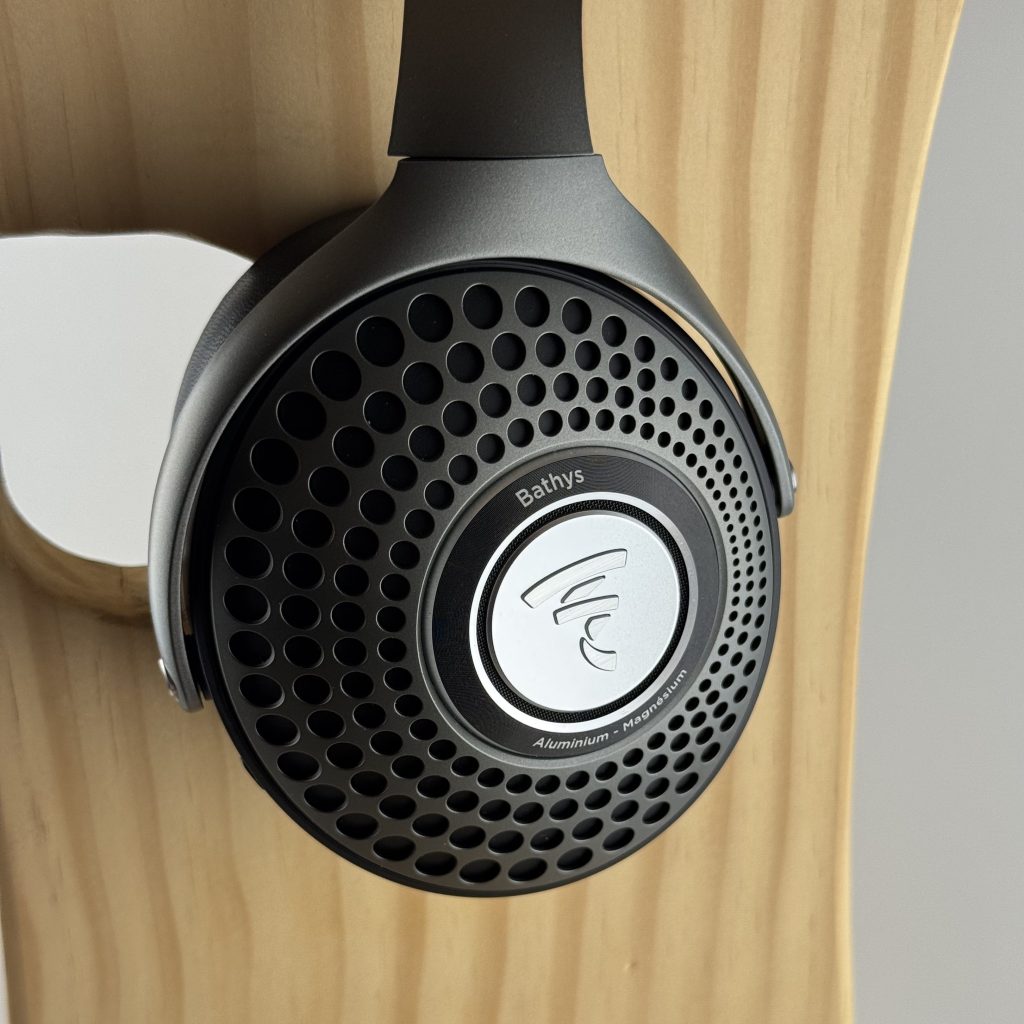
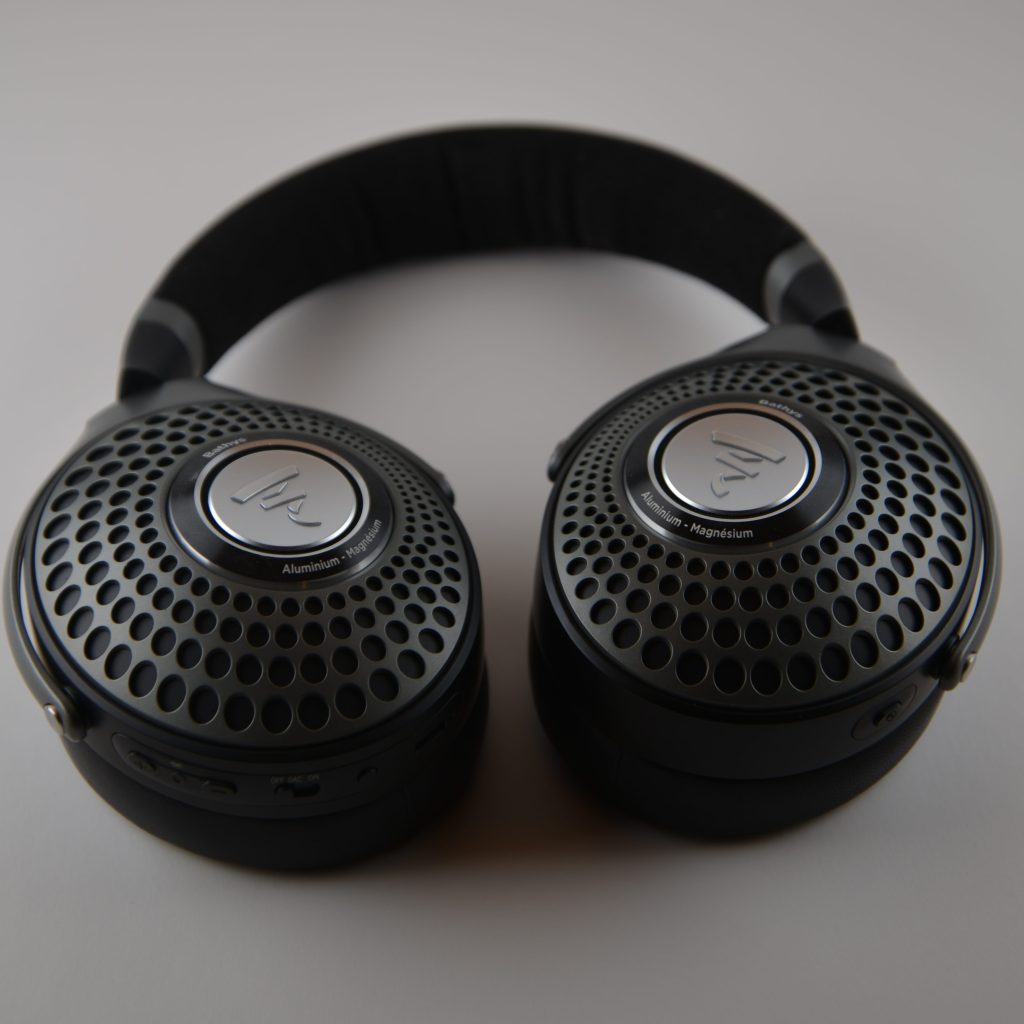
Table of Contents:
Intro.
The Focal Bathys [“bah-tee”] is a wireless, active noise canceling (ANC) headphone from France’s Focal, a company primarily known for its relatively high-end headphones and home stereo gear, as well as its distinct visual style. As befits a company like Focal, this is one of the more premium ANC products on the market, starting around $850 new (though I frequently see it advertised around $650 now), with a new version (the Bathys MG) that released in April for around $1,500.
I have enjoyed Focal products since my dad ordered a pair of the Focal x Drop Elex in … 2017? … without ever really explaining why. I’ve never bothered to review the Elex just because I thought they went out of production years ago,3 but they were my first experience with a truly premium headphone and I was … really impressed.4
When I first heard about the Bathys, I thought it was pretty hilarious that people would spend $850 on a pair of Bluetooth headphones.5 I figured it was like the Campfire Audio Orbit; an attempt by a pretty serious audiophile company to break into the more consumer market with a more consumer-friendly product, so I mostly dismissed it. Over the last few years, I’ve seen a review here or there from serious audio folks talking about it, mostly positively, but I never really engaged with it again.
For various reasons, over the last few months I’ve been thinking a lot about ANC headphones, and my recent review of the Bose Quietcomfort SC got me interested in trying something a little more sound quality-focused. A few weeks ago I watched a video where Resolve from The Headphone Show6 was talking about his reference gear, and mentioned that the only reference headphones he actually personally owns a pair of are the Bathy. My preferences when it comes to sound mostly align with Resolve’s, so I was pretty intrigued. And then someone selling a used pair in very good condition popped up on r/AVexchange … and the rest is history. What kismet!7
Review note
The Focal Bathys is intended primarily as a wireless Bluetooth headphone, so that’s the primary way that I’ve been listening to it, but it also has a well-regarded DAC mode where you connect it to a source via USB-C cable and let the headphones do its thing with high resolution files. For Bluetooth testing, I’m using the Bathys connected to my iPhone 15 running Roon (just for convenience of swapping around tracks), and when I’m running it in DAC mode it’s being used as a Roon endpoint while connected to my Mac Studio. I’m also testing it primarily in ANC mode rather than adaptive; more on that later.
I mostly prefer to test products without applying any equalization (EQ) because not everyone is going to have the tools or take the time to apply it themselves, but I’m going to make a slight exception in this case, and use Focal’s Sound Personalization function.8 I won’t be using the 5 band EQ in the app, though.
I mostly didn’t use this in pure analog mode (that’s not why you get a headphone like this) so here are my general volume settings the ways I did test it:
- Wireless connected to my iPhone directly: 40% of phone volume
- Wireless connected to Roon via my phone: 46/100
- DAC mode connected to my iPhone:
- DAC mode connected to my Mac Studio:
- Running analog from the Magni+/Modi 3E: 11:30
My testing method/philosophy.
My torture testing list: Apple, Tidal, Spotify.]
The basics.
The Focal Bathys is a wireless, active noise canceling (ANC) headphone from France’s Focal. It can connect three ways: 1) via Bluetooth (its primary use mode), 2) analog via an included 3.5 mm-to-3.5 mm cable (though the headphone must be turned on to do this), and 3) via an included USB-C cable in “DAC mode”. The Bathys has three ANC modes: silent (max ANC), soft (minimal ANC), and “transparent” (increased volume on some frequencies including the human vocal range, reduction in other loud sounds). Focal reports a 30-hour battery life in Bluetooth, 25 hours in analog mode, and 40 hours in DAC mode.9 I haven’t run it down to zero but after a couple of weeks of use, this feels about right. If there’s a way to tell the battery status from the headphone I haven’t found it, though it is visible in the app. Bathys can be configured to use either Apple’s Siri or Amazon’s Alexa voice assistant, though I’ve had minimal success with either.
Naim & Focal app.
The Bathys works with the Naim & Focal app, and while you don’t need to use the app to get pretty good use out of the headphones, the app is where you get access to a five-band EQ, the noise cancellation settings (by default, you can toggle between the two most recent modes with a button on the left cup, and access the third via a long-press, but you can pick and choose in the app), sound personalization (more on that below), charge status, and controls for the brightness of the LED Focal logos (I think they look like a kid’s drawing of a tornado) on both ear cups. The app is a little funky with connections, and I had to disconnect the Bathys from my phone and then pair within the app after I started by directly connecting to my phone using its Bluetooth settings.
Sound personalization.
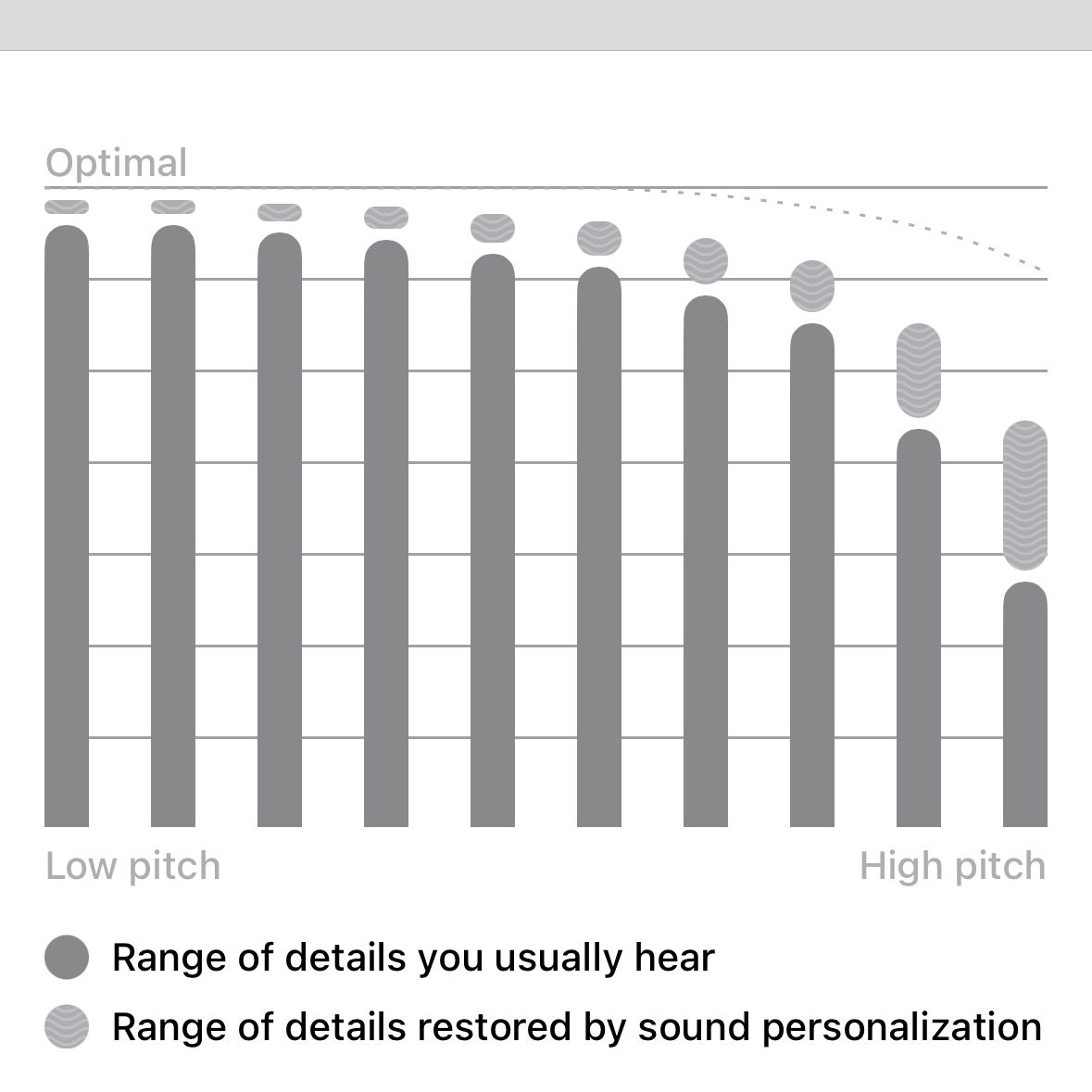
Sound personalization is a tool in the Naim & Focal application that runs you through a basic hearing test, asking you to click a button every time you hear a tone.10 The tones get progressively higher in pitch. The app then runs an algorithm on the results and provides a personalize profile proposing a change to the frequency response of the Bathys to get it closer to optimal for your hearing. You can choose whether or not to apply the personalization, and if you apply it, you can set the intensity from 0% to 100%.11
Sound
I started the Sound section of my Bose Quietcomfort SC review by saying “You don’t buy consumer-grade ANC headphones looking for audiophile-grade sound,“ but the Bathys is one of the exceptions that really prove the rule. The only thing holding the Bathys back from true audiophile status is the inability to completely disable ANC; on silent the sound is great but the overpressure noticeable, while on the two lower ANC modes there’s a low but audible hiss at all times. Beyond that, the sound is really quite impressive, especially for a wireless ANC headphone.
I’m generally pretty pleased with the technicalities (layering, instrument separation, resolution/detail-retrieval), though obviously they suffer a bit with quiet listening in anything but “silent” mode. The bell tones in “Angel (Blur Remix)” are well reproduced with just the right bend in the initial hits. The hiss and finger-slides in “What Did I Do” are well reproduced and correct, though entirely swallowed in “soft” or “transparent” modes. The Bathys really do excel with loud, active tracks like “Face to Face” or “Self-Love,” though they can get a little mushy at times, particularly in the bass.
The soundstage/stereo separation is pretty good for a wireless headphone; the guitar riff in “Love Can Damage Your Health (Laid Mix)” is nicely rotational with some solid front-to-back movement, but it really excels in left-to-right soundstage. It’s also definitely better in silent mode; for some reason, the constant low hiss in the other modes screws with my ability to pick up front-to-back staging. The toms in “Thunder Lightning” may be a hair muddy, but they’re definitely moving around in the mix correctly.
The dynamics are good; the crescendo across “It’s All So Incredibly Loud” is noticeable and it does get painfully loud at the end, if you set the volume comfortably at the beginning. The microdynamics are decent; you get solid sense of heft with the bell tones at the beginning of “Angel (Blur Remix)”, even if they’re not quite as punchy as I might prefer. Accents throughout “Intro” are pretty good though; super solid bass hits and bright, crisp brass attacks without being overbearing.

The bass is generally good for a headphone like this, though it won’t necessarily match up perfectly against a similarly priced passive closed-back. Around 2:49 in “Out of My Hands” you get a sensation of bass before you really hear it, which is a pretty cool effect. For the rest of that track, though, you get maybe a hint of splatter on the bass. They feel a bit splattery on “Superpredators,” too, though that’s not uncommon across a variety of headphones. You also lose some of the lowest notes on the bass riffs in “Got ‘Til It’s Gone”; the first five or six notes are audible, and then cross into more feeling than hearing.
Mid-range is generally pretty good, if slightly recessed with the default tune. Timbre is good with male vocals, and Sampha is clear and correct on “Like the Piano.” Justin Hicks is similarly clear on “What Did I Do?”, though his vocals don’t stand out as strongly as they do on other headphones. Jill Scott is similarly well reproduced on “Calls,” though her voice fades a little into the mix when the instruments get active around 2:30. Good, clear timbre on the guitars in “Garcia Counterpoint.”
Treble is solid but not exceptional. The cymbal pattern around 3:00 in “Love Can Damage Your Health (Laid Mix)” is clear and precise, but not as pronounced as it is on other headphones. The bells in “Coffee” are clear and crisp without crossing into harshness, though I’d say Miles Davis’ trump solo in “Will O’ the Wisp” waffles between slightly too prominent and not prominent enough as it moves up and down the frequency spectrum.
Equalization
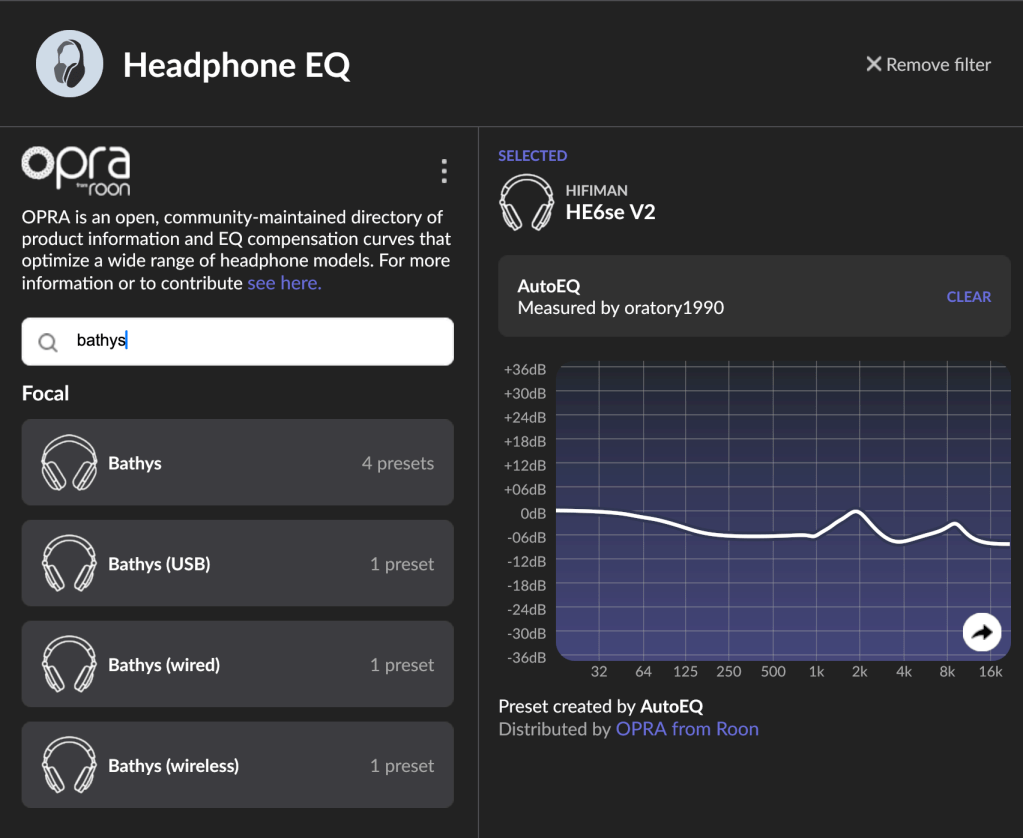
I think the Bathys sound pretty exceptional out of the box, enough that I didn’t spend much time with the app’s built-in 5-band EQ. Just out of curiosity I tried applying a couple of auto-EQ presets through Roon’s OPRA. I generally found most of them a little tinny, including Super* Review’s DAC-mode specific tune, and will probably mostly be sticking with the default tune + my personalization from the Naim & Focal app.12
Gaming
Focal claims that these are a good gaming headphone, using the low-latency aptX codec. That’s great … but a lot of devices don’t support aptX (including iPhones). I still probably wouldn’t use these for gaming, unless you’re running in DAC mode or via analog cable.
The sound profile of these will be fine for gaming, though. Decent enough bass for explosions, precise enough soundstage for footsteps, good mid-range for hearing people, etc.
Amplifier compatibility
You really should be using these with their internal amplifier (you know, the ones designed specifically to play nicely with the Bathys’ drivers?) but based on pretty cursory testing they seem to run just fine via analog cable. In analog mode, they’re an 80 Ohm, 104 dB/mW headphone, so while they’re not the easiest in the world to drive, they’re also not particularly hard.
Noise canceling/isolation.
The ANC on the Bathys is … good, but not great. In silent mode it does a good job of knocking down consistent white noise like airplane engines, though it’s not as good at intermitted noise as less expensive options like the Airpods Max/Pro2. I’d put these about on par with the Bose 700 for pure noise cancelation, and pretty even with the Sennheiser Momentum 4 (which is surprisingly good for steady-state noise). They’re substantially better than the Gen 4 Airpods ANC, and beat out the $35 Picun F5 pretty handily.
The soft and transparency modes are … not great. Soft definitely knocks down noise a bit, but also frequency shifts it up. Transparency lets you hear a lot more of the world around you (I can hear myself typing on an Apple keyboard right now), but I don’t think it does nearly as good a job picking between noises to tamp down and lift up as the Apple products do. They’re really distractingly noisy in even a light breeze, and it probably goes without saying, but they’re wildly microphonic in adaptive modes, and because of their design, they’re quite loud when the cups rub on anything (like the inside of a hood, for example
Now, the elephant in the room13 … the Bathys produce substantially more overpressure than any of the Apple options, about on par with the Bose 700/Quietcomfort/QC25, but lack the Bose’s option to fully disable ANC, and they provide less noise canceling for the pressure level. Over the course of many hours, it produces some disequilibrium for me. Not enough that I won’t use them, but enough that I’m substantially less likely to grab them to just work at my desk when I need silence. The overpressure is better in transparency mode, and slightly better in soft mode, but as discussed above, both of those modes leave you wanting.
I really do wish that Focal had included an “off” option for ANC. I sort of understand why Apple disables that by default (they are aiming at a hearing protection role), but even Apple lets you turn that option back on if you get into the menus. Here’s hoping that is coming in a firmware update!
Overall, the ANC on these is adequate for use in travel, though I’m likely to grab something else for almost any other use case requiring ANC.
Spatial audio. Nope!
Build
Controls.
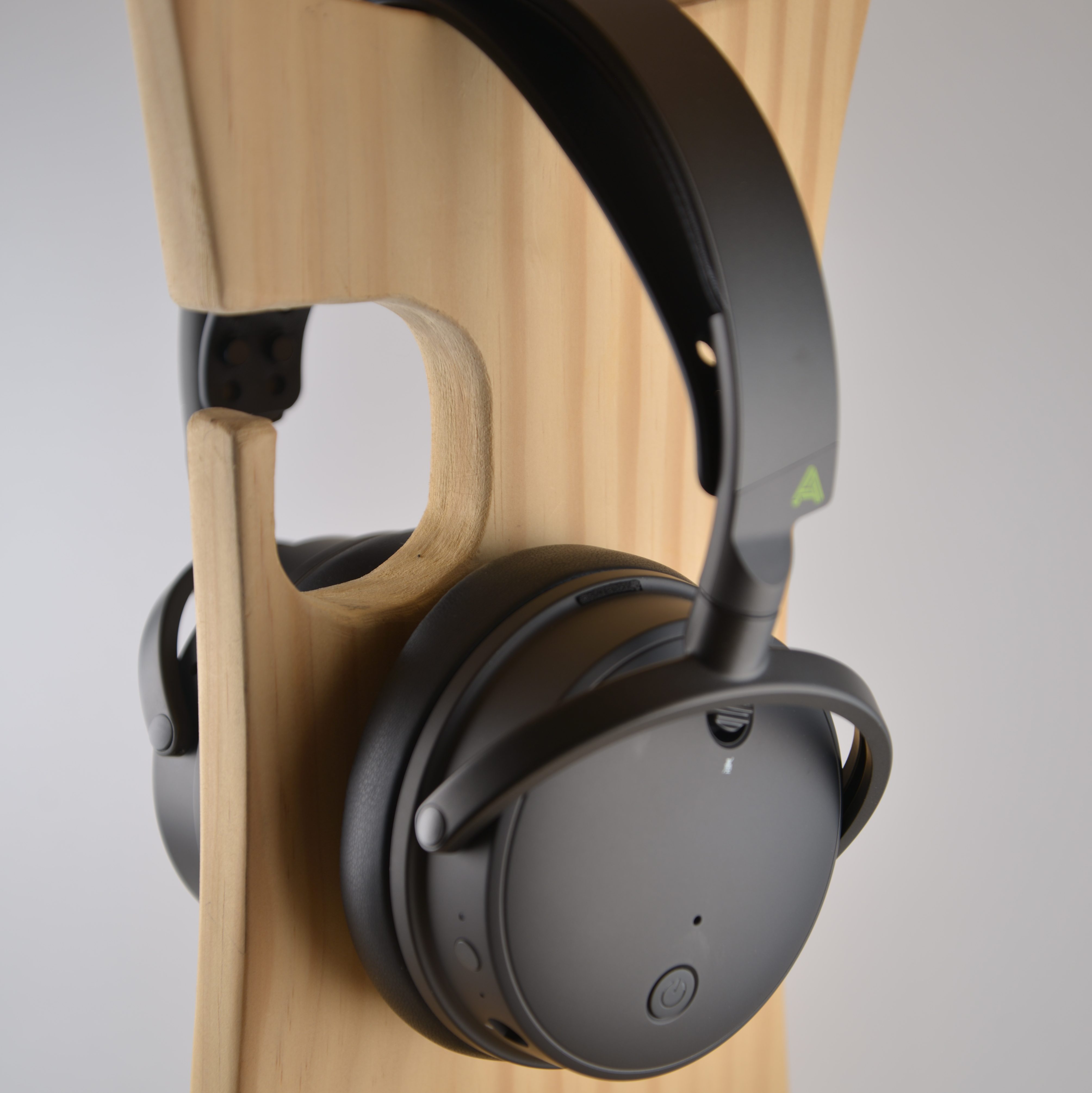
The Bathys has one button on the back of the left cup, and on the right cup has(from top to bottom) a rocker, a slider, and a button.
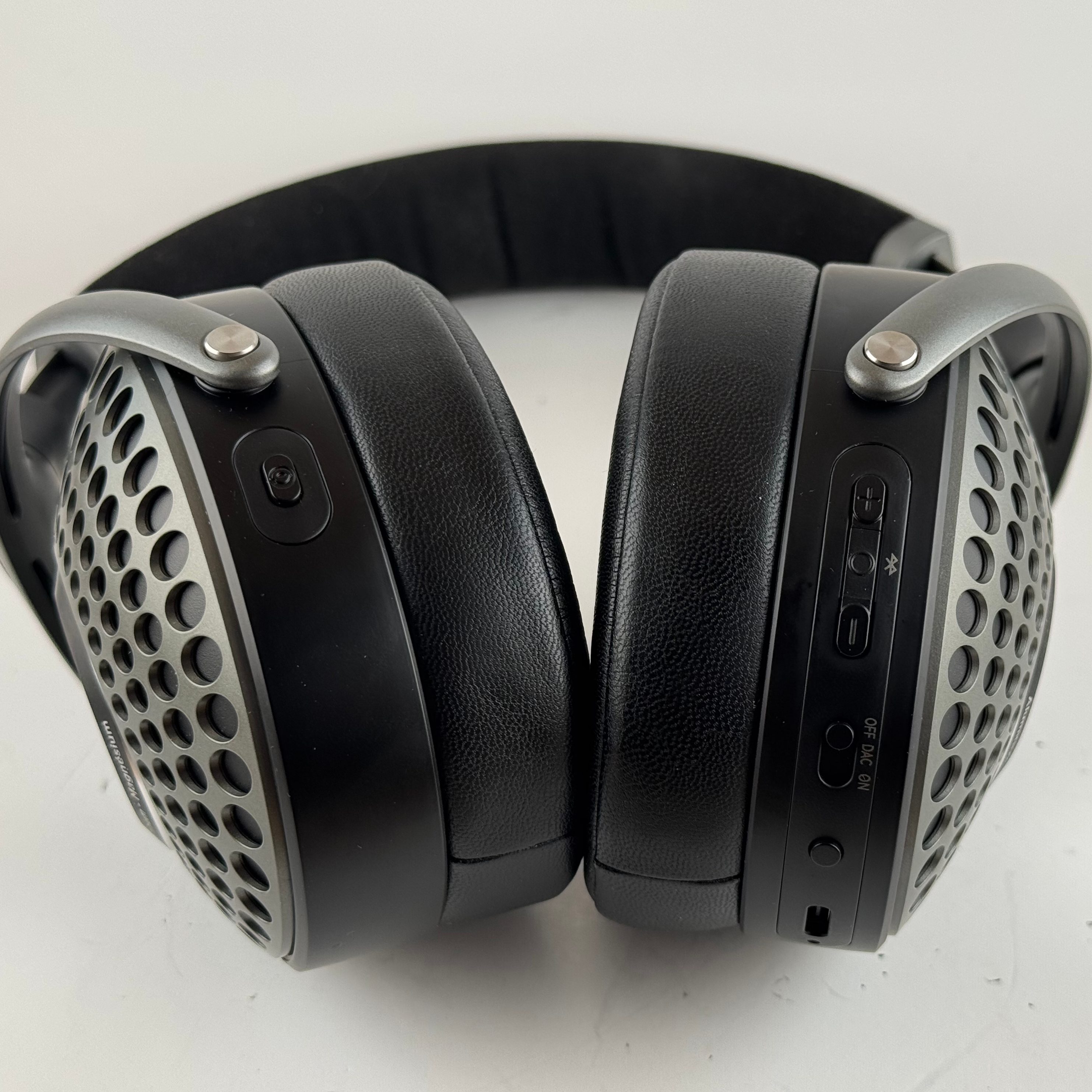
The right cup’s slider lets you select the Bathys’ mode (off, DAC mode, or Bluetooth). The rocker switch controls volume (the top section is volume up and the bottom section is volume down), with the middle serving as a multifunction button using the standard Apple headphone system (quick press for pause/play, two to skip forward, three to skip backwards). A long press on the multifunction button disconnects Bluetooth and enters pairing mode. The single button activates the voice assistant (if any) that you’ve set in the Naim & Focal app.14
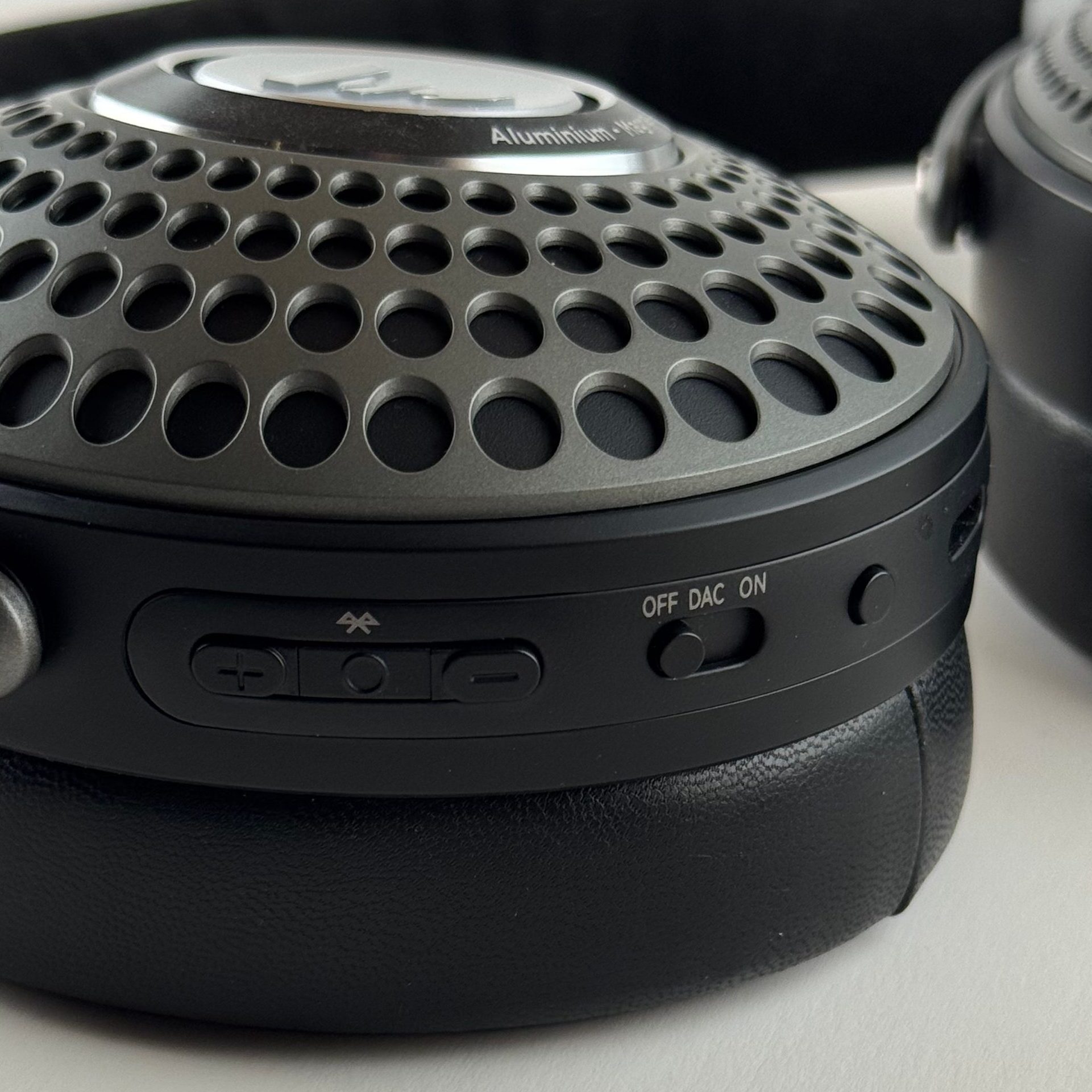
The left earcup button lets you select your ANC mode. The button toggles between two of the three modes, with the third accessible by a long press. As far as I can tell, a single press swaps back to the most recent mode while the long press goes to the least recently used. I would much rather have consistency in function where the long press always turns off ANC and the short press alternates between the other two.
I really appreciate that Focal went with physical buttons instead of touch sensitive cups; I think this is something that most of their competitors in the consumer market could learn from. I’m generally not a fan of buttons in the middle of rocker switches, as I find myself bumping the volume up or down when I’m trying to skip around tracks or pause playback. I also really wish that Focal had figured out how to let the Bathys change volume at a more granular rate than the default iPhone’s 16 point scale while connected to an iPhone; I frequently find myself wanting to sit somewhere between two of the available volume levels.15 But, these are niggles; by and large I’m very pleased with the control scheme of the Bathys, and I’m way more likely to remember how to use them after a few months of not using it (as opposed to the Bose 700, which I have to look up every time I use them).
Connectivity.
The Bathys lets you connect via Bluetooth, a USB-C cable, or a 3.5 mm-to-3.5 mm audio cable. For Bluetooth, the Bathys offers most of the major Bluetooth codecs including AAC (Apple’s), atpX, aptX Adaptive, and SBC. The USB-C option requires the Bathys to be placed in DAC mode (the middle position on the slider on the right ear cup) and a USB-C cable from a source connected to the right ear cup, and the 3.5 mm option overrides the Bluetooth connection when the Bathys is turned on and a 3.5 mm cable is connected to the right ear cup.
The USB-C port you use for the DAC mode is also the port that the Bathys uses to charge its internal battery, and it does not charge while being used in DAC mode.
I appreciate these connectivity options, though I wish the iPhone was able to use something other than just AAC. That’s an Apple issue, though, not a Focal one.
Comfort.
Talking purely about physical comfort, these are mostly a delight *for me.* At 350 grams, they’re not the lightest headphone I’ve ever worn (particularly compared to the Bose Quietcomfort’s 240 grams), but the design splits the weight pretty evenly between the headband and the ears in a way that works well for me. I would guess that some people will find them uncomfortable, and I definitely wouldn’t want to wear them over a baseball cap with a squatchee.
The ear cups themselves are pretty soft and conforming, allowing a good seal, and generally thick enough that my ears aren’t touching the inside of the cups while in use as long as I’m reasonably careful about how I put them on. The cups are made out of pleather, and I’m guessing that they’re going to feel pretty warm outside in the summer. They also rotate from just past flat (backwards) to around 30 degrees forward, and the yoke design lets them rotate up and down around 30 degrees as well, making it easier to get a good fit than some similar headphones
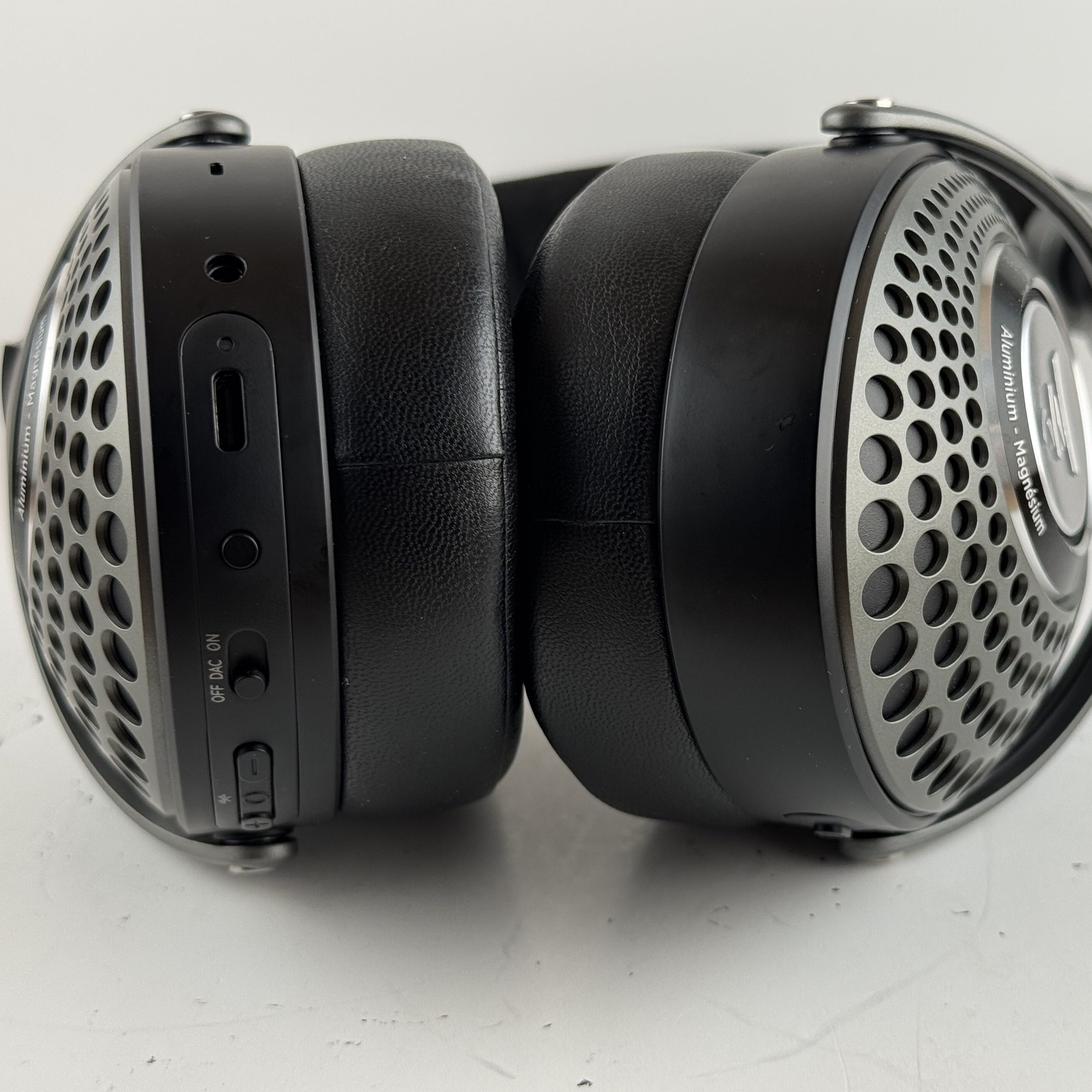
The one place the comfort is lacking (for me!) is in the ANC; the overpressure is definitely uncomfortable over long periods of time, and the hiss in anything but silent mode is unpleasant enough that I’m reluctant to use soft or transparent in order to reduce the overpressure.
Some people have found that wearing these out in the world results in them shifting slightly with each step, affecting the seal and the ANC. My experience, after proper fitting (snug up against the ears and down against the top of the head) is that I get basically zero shifting, even when walking pretty rapidly to chase down my golden retriever. Your mileage may vary.
Construction.
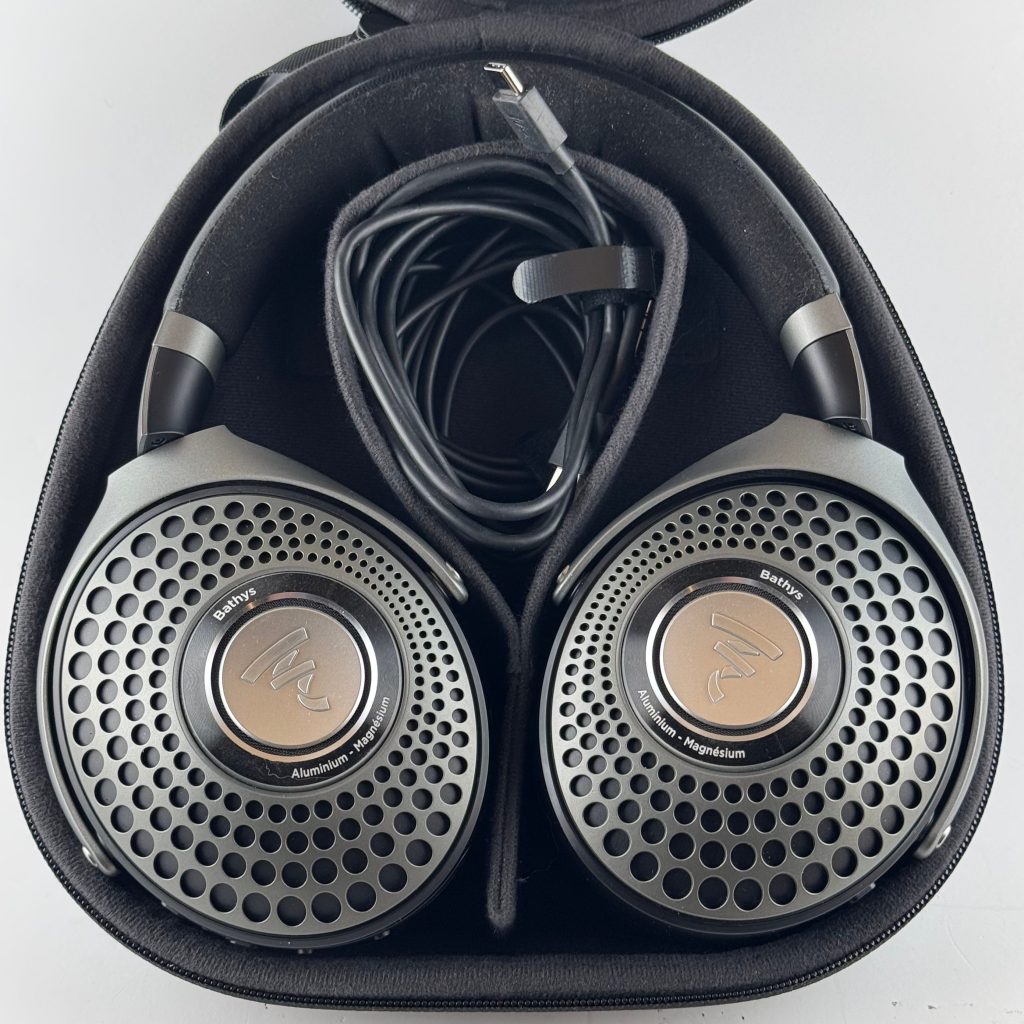
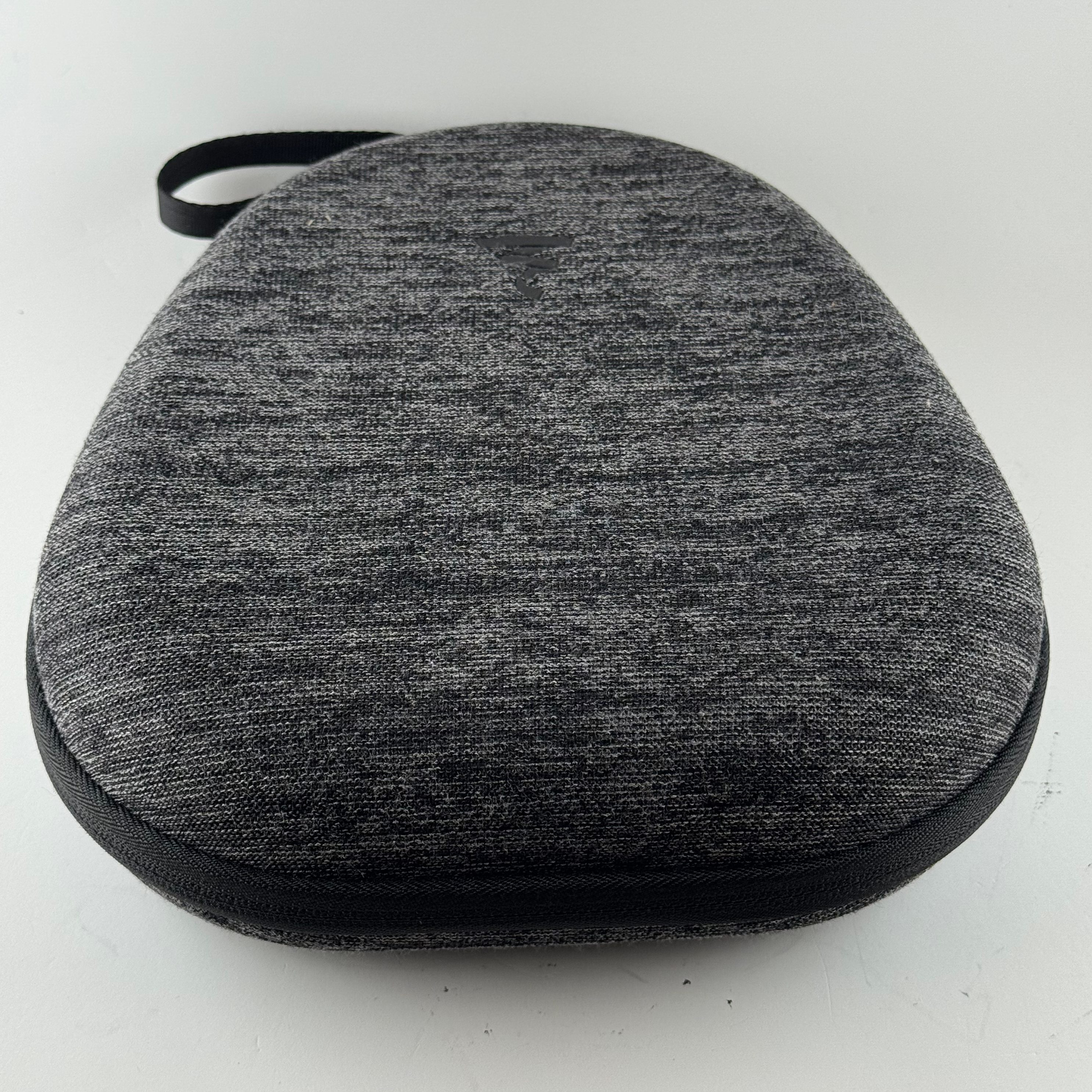
The Bathys feel like a premium product, solidly designed and built using premium materials. The band is made of metal and hard plastic with a thin layer of foam, and is rigid enough to feel strong and able to survive rigorous use. The cups are attached to metal yokes that rotate to flat, which makes it easier to wear around my neck and store in the included semi-rigid woven case (which are internally molded to the headphones themselves). The cups feel like aluminum, with very cushy pleather cups.
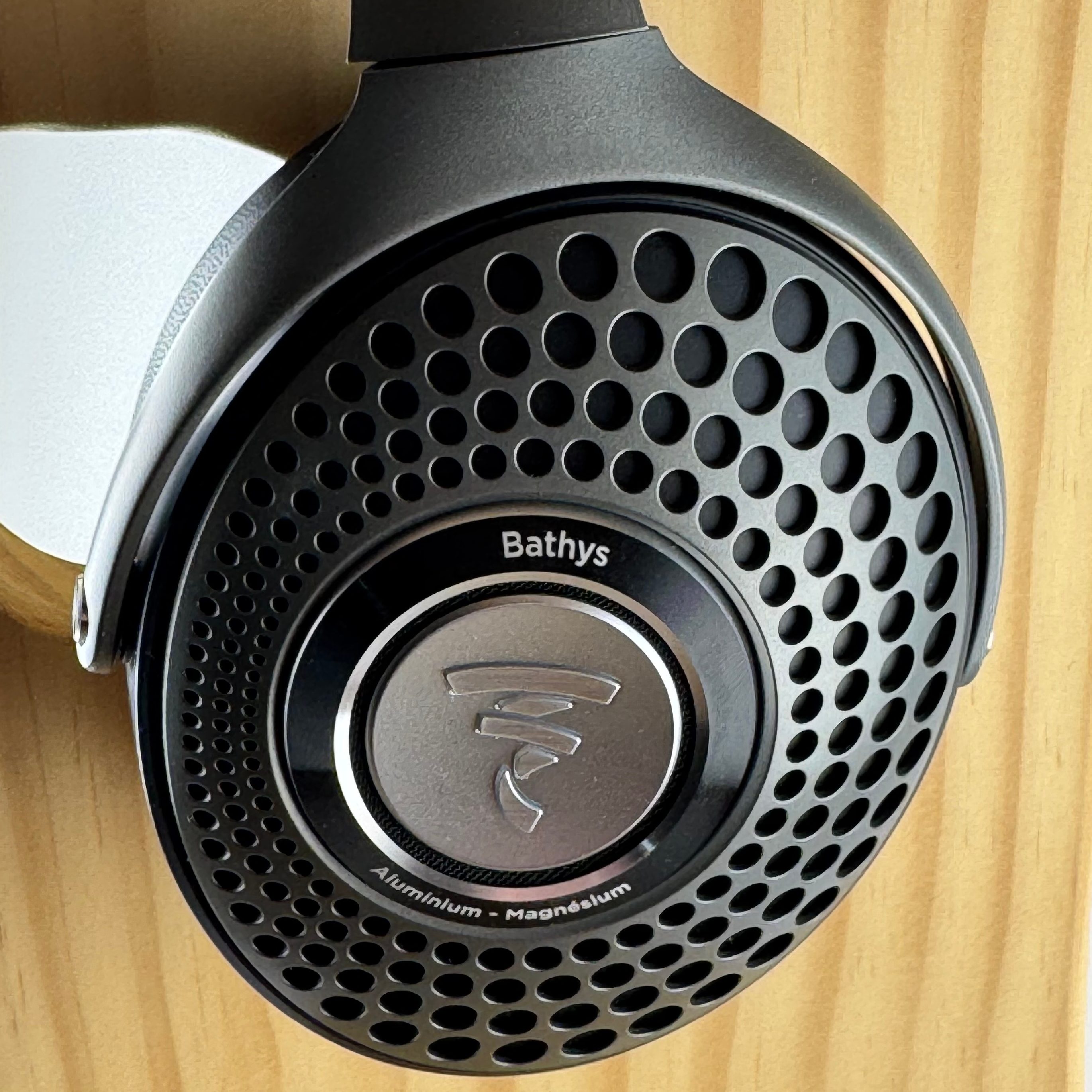
Premium product, premium feel, and good accessories (the case, and ~4 ft USB-C and 3.5 mm cables). They are, however, larger (read: the cups are thicker) than many other devices in the market, even laid flat.
Appearance.
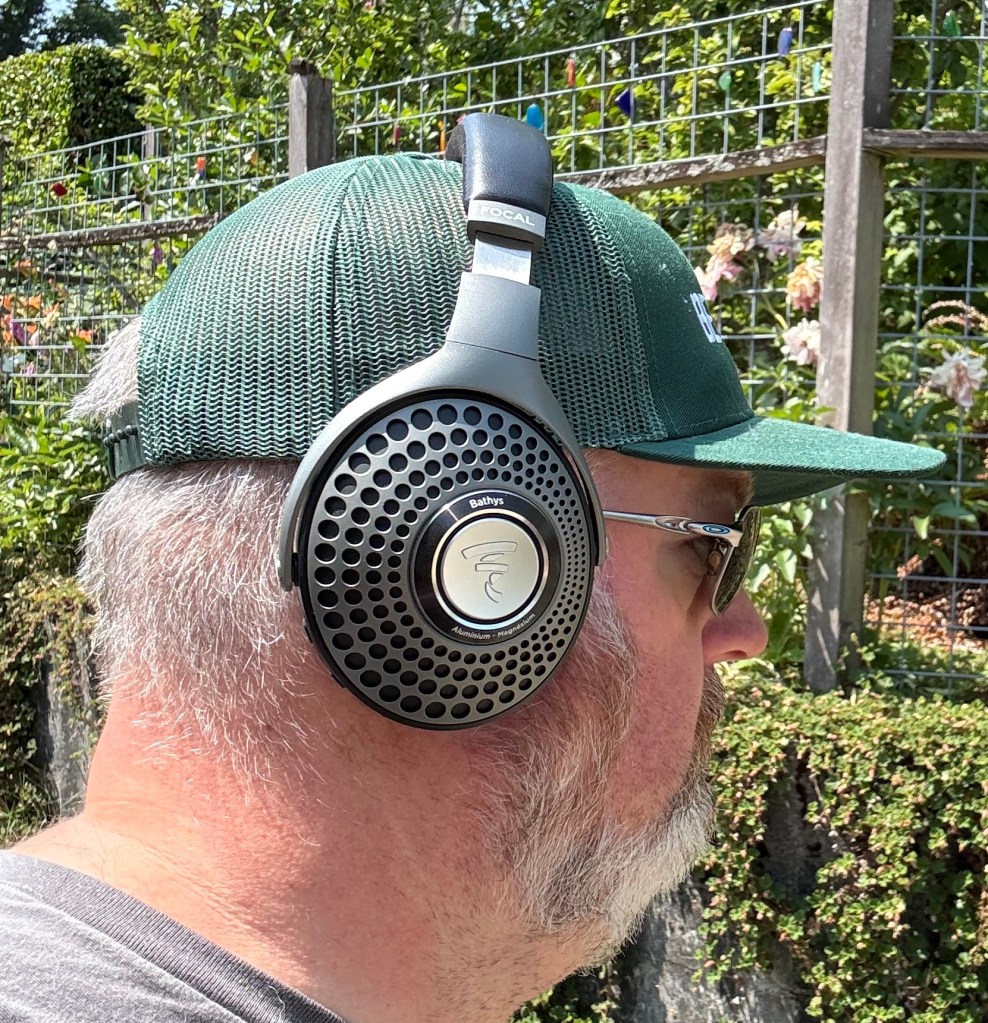
Unlike most of the consumer ANC market, which appears to be converging on the same bland, featureless shape, Focal went with their traditional in-house shape, accented with a circular pattern of holes of varying size. Trypophobes, beware! The Bathys come in three colorways: black silver (like my unit), deep black, and dune (a khaki/grey color). I personally really like the design and think they’re very striking, BUT they are very large on the head and even I think they look a little goofy on the head, particularly while walking around out in the world.

Value/Comparisons.
I see the Bathys as serving two distinct purposes: 1) as a wireless ANC headset, and 2) as a desktop wired option via USB-C in DAC mode. Because of this, I’m going to compare these against two groups: ANC headphones in the current market (mostly substantially cheaper ones, just because of their price point), and wired, closed-back audiophile headphones (because it’s an interesting comparison).
ANC comparisons
Apple Airpods Max (Lightning version).
The sound quality difference here is pretty minimal; I think the Max has slightly better/cleaner bass response, but the Bathys better mids (particularly vocals) and treble. The ANC on the Max is better; I think it’s pretty much best in class among the things that I’ve heard. The Focal has a lot of good quality of life improvements over the Max; longer battery life, an off switch,16 built in 5-band EQ, sound personalization (you can back into this with the Max by using a pair of Airpod Pro 2 to make an audiogram), etc., and I think many people will find the Bathys to be a much more comfortable pair of headphones. The Naim & Focal app is also available on Android, whereas the Max’s functions are all locked to the Apple MacOS/iOS and thus you’re out of luck unless you’re running in one of those.
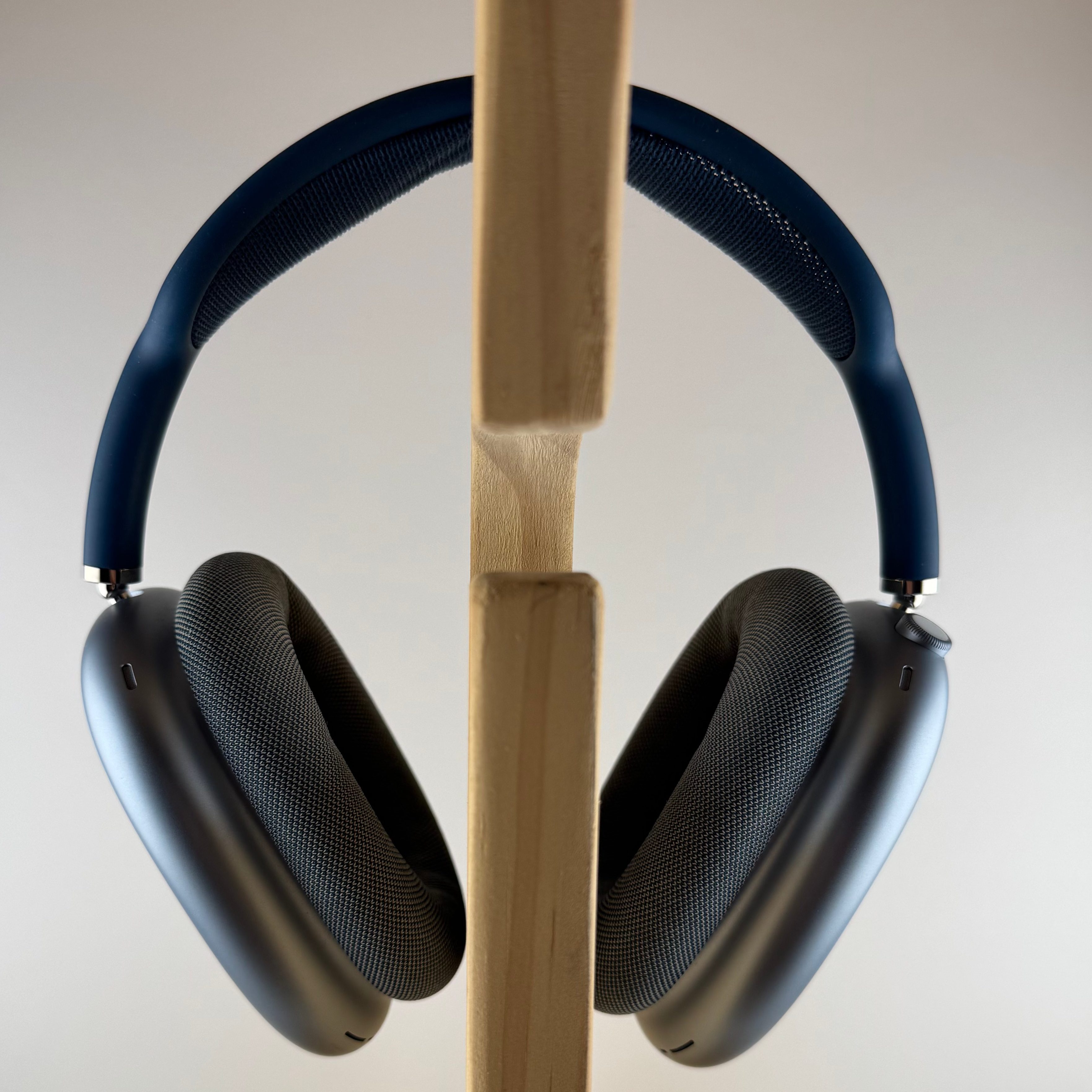
This is really six of one, half dozen of the other to me. They’re both good ANC headphones, though with the release of the USB-C Airpods Max the Lightning version is coming down in price and making it a much more competitive option. I think that for most people, especially people who are in the Apple ecosystem and aren’t audiophiles, I’ll continue to recommend the Max. For people who want just that little extra resolution and detail, who don’t use iPhones or Apple computers, who are open to a little bit of EQ, or who find the Max uncomfortable (apparently a lot of people do!), I’ll recommend the Bathys even if they’re a little more expensive. Also, Apple still won’t put an off switch on the Max, so that’s a real vote in favor of the Bathys.
I’ll be very curious to see which I grab for use over the next few months; I really, really like the Bathys, how they look, and how comfortable they are, but man … the Max are just pretty seamless when you’re living in a mostly Apple-bound world, and the dip in audio quality isn’t that much. I can apply full parametric EQ through Roon or Roon Arc, so while it’s cool that the Bathys lets you do that natively, it’s not an added feature for me.
[I also think that this is less close with the new, current generation of the Maxes, which provide a much better wired option for times when that’s what you want, a USB-C connector instead of a Lightning one, etc., though it sounds like the sound quality and profile is basically identical.]
Just for fun, let’s take a look at a graph (from Gadgetrytech, apparently the only entity on Squiq.link that’s measured both the Max and the Bathys):
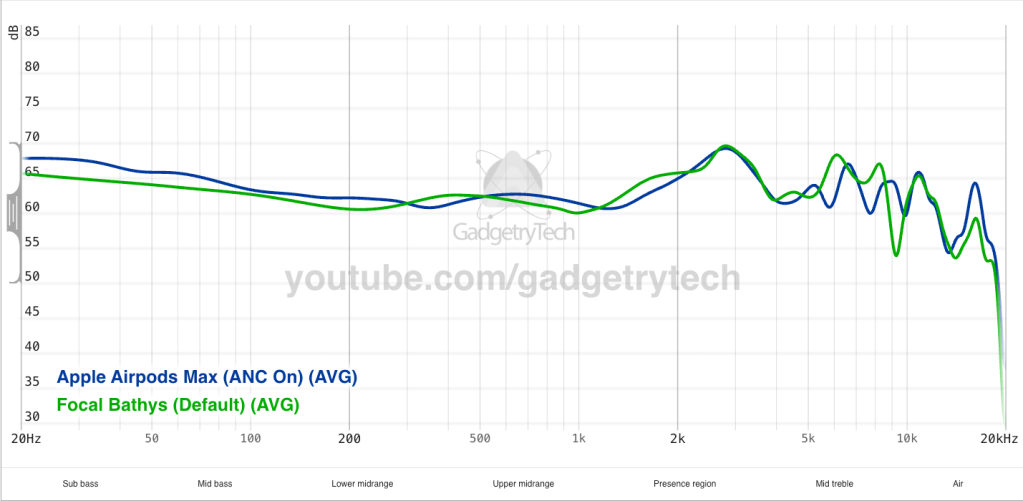
As I figured from listening, the bass on the Max is slightly more elevated, but the Bathys has a slightly better (read: closer to my target) response on much of the mids and the treble, and has a smaller spike just below 20kHz
Apple Airpods Pro 2.
Surprisingly, I think the ANC is still slightly better on the AirPods Pro2. The transparency mode is certainly better, and though I think the Bathys edge the Pro2 out on sound quality, it’s definitely not $600 better. This is really a comfort and use case question; if you can comfortably wear the Pro2 and get a good fit, they’re arguably a better headphone for a lot of uses.
Sennheiser Momentum 4.
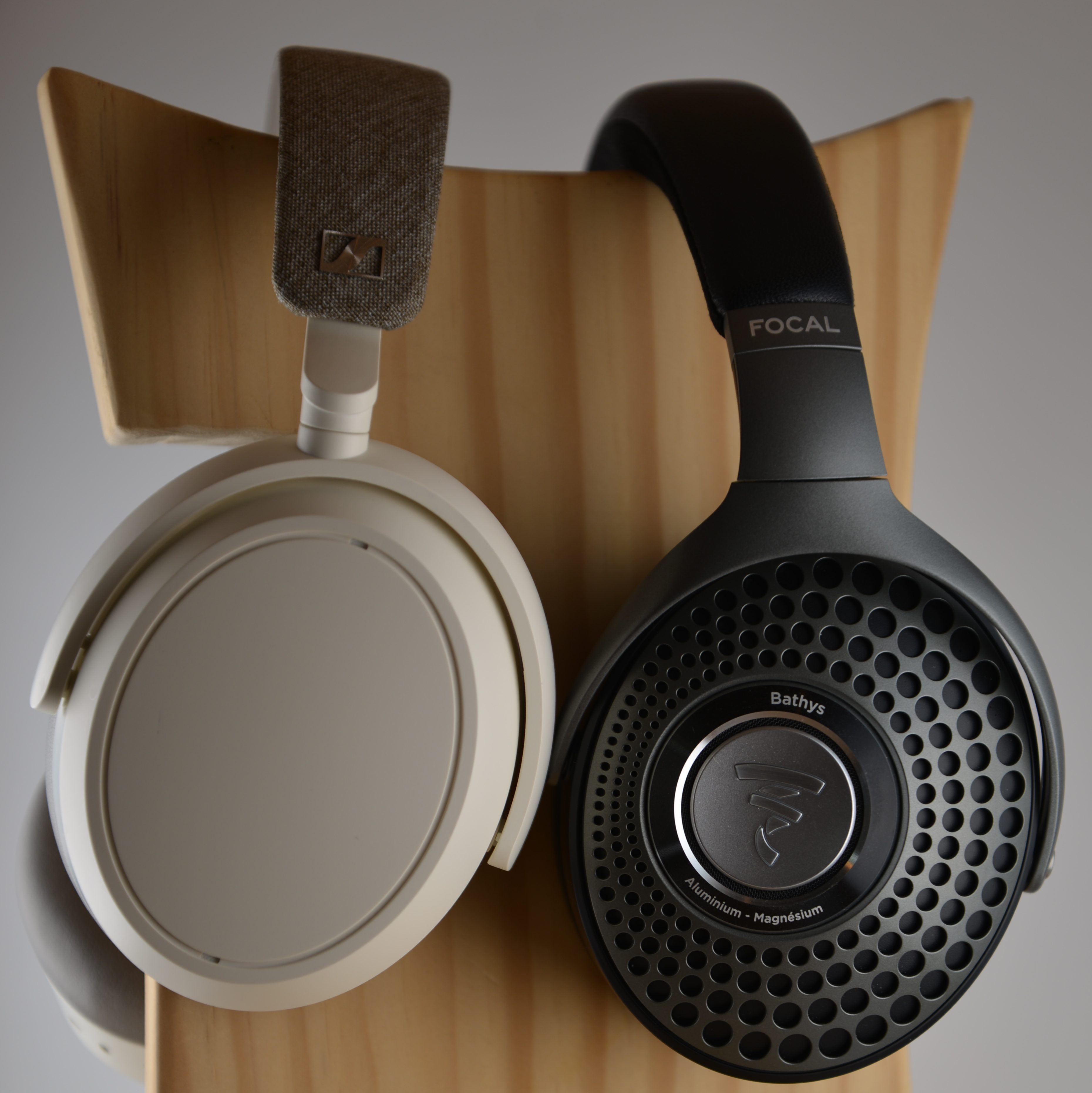
[Edit: Review of this is is now up and linked.] Overall I’ve been mostly pretty impressed with the Momentum 4.] ANC on the Momentum 4 is subjectively slightly less than on the Bathys, at least for airplane engine-type frequencies. I definitely prefer the sound quality on the Bathys in basically every range; I’m reasonably pleased with the tune I eventually got on the Momentum 4,17 but the resolution, detail retrieval, soundstage, and bass/mids/treble are all substantially better on the Bathys (which is not surprising, given the manufacturers and intended audiences).
Back to GadgetryTech’s measurements:
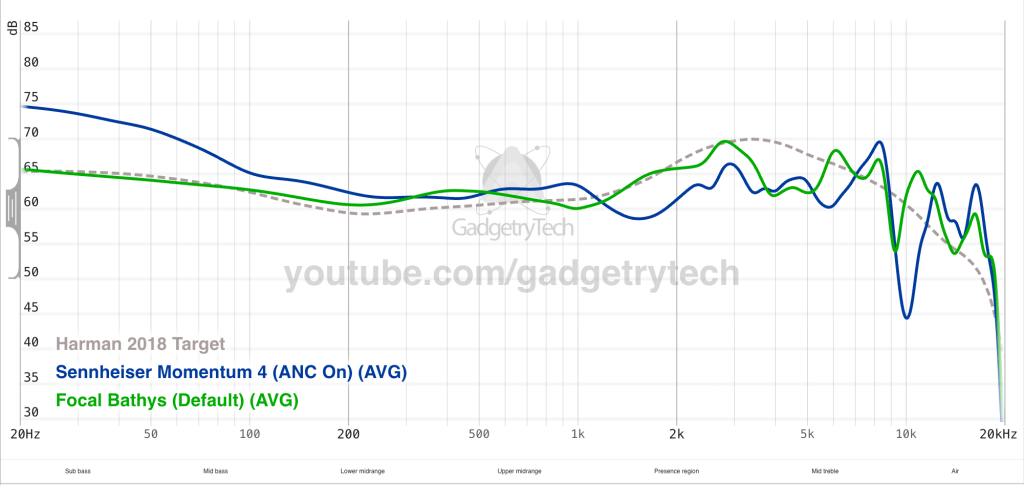
As you can see, the Momentum is a bit of a bassy mess out of the box, with recessed lower mids and a pretty spiky treble range; this makes me feel a lot better mercilessly mocking the baseline tune. Someday when I win the lottery and buy a testing rig I’ll be curious to try my custom tune against the Bathys; it’s definitely a better sounding headphone after a few hours of playing with it. If you’re willing to take the time to tune the Momentum and can’t find the Bathys under MSRP, it’s a perfectly reasonable option.
Bose 700/Quietcomfort SC.
The Bose 700s have better ANC than the Focal Bathys (especially when you look at transparency-like modes), but I substantially prefer the Bathys’ sound quality for music. If you’re in a situation where you want to kill as much outside noise as possible without regard to sound quality, you might go for the 700s or QC, but if you’re interested in sound quality first and foremost, and can handle the price tag, the Bathys are the better product. 3X or 4X better? That’s a harder call. Personally, and I’m not sure what this says about me, I’d rather be seen wearing the Bathys than the 700s, as nice as I think the 700s look. I also weirdly find the higher weight of the Bathys comforting, especially compared to the VERY light QCs.
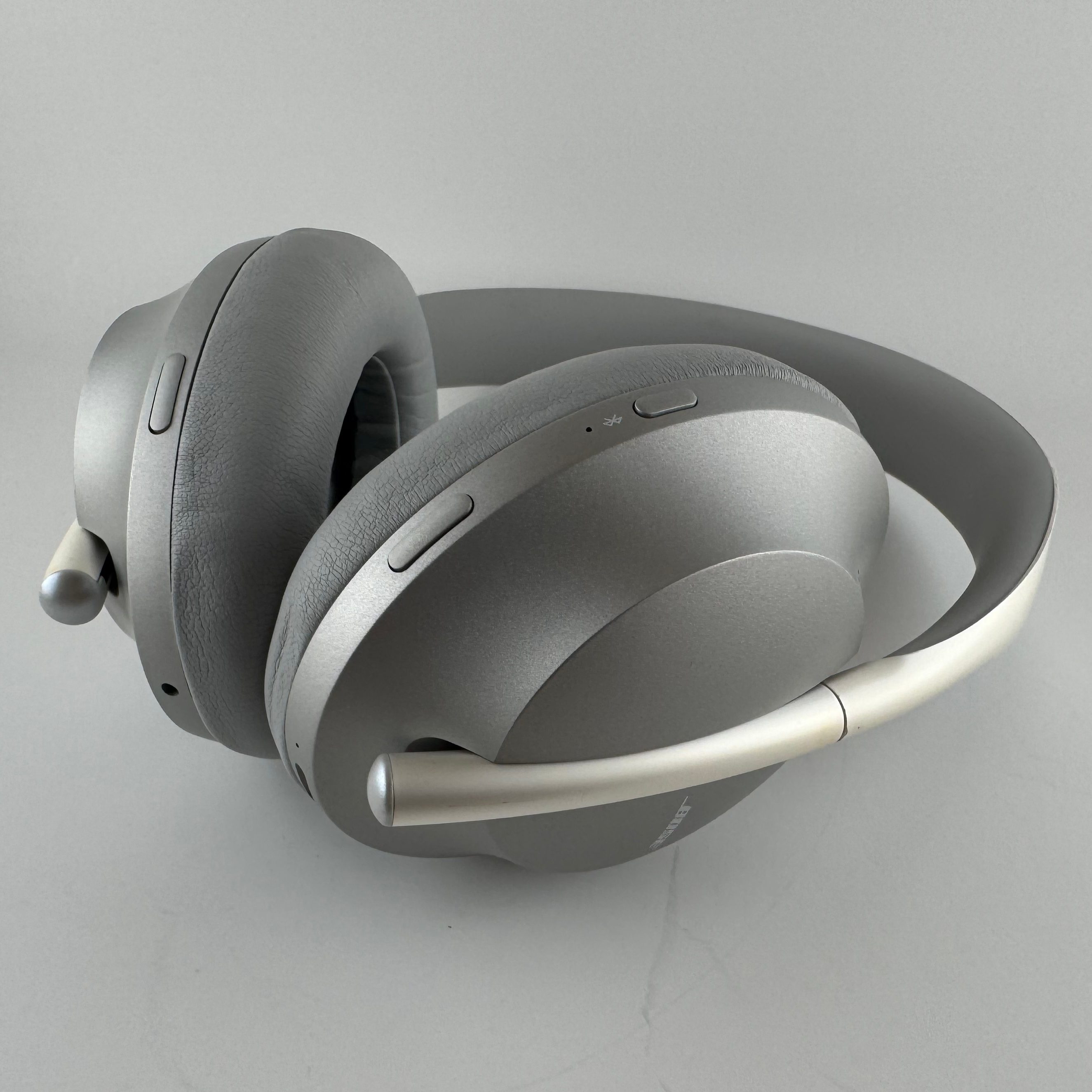
Picun F5.
The Picun F5’s ANC is roughly the same as the Focal Bathys, though obviously the sound quality is substantially worse. I’m going to keep shouting how good these are from the rooftops for the foreseeable future, though. Got $35 bucks? These get you weirdly close.
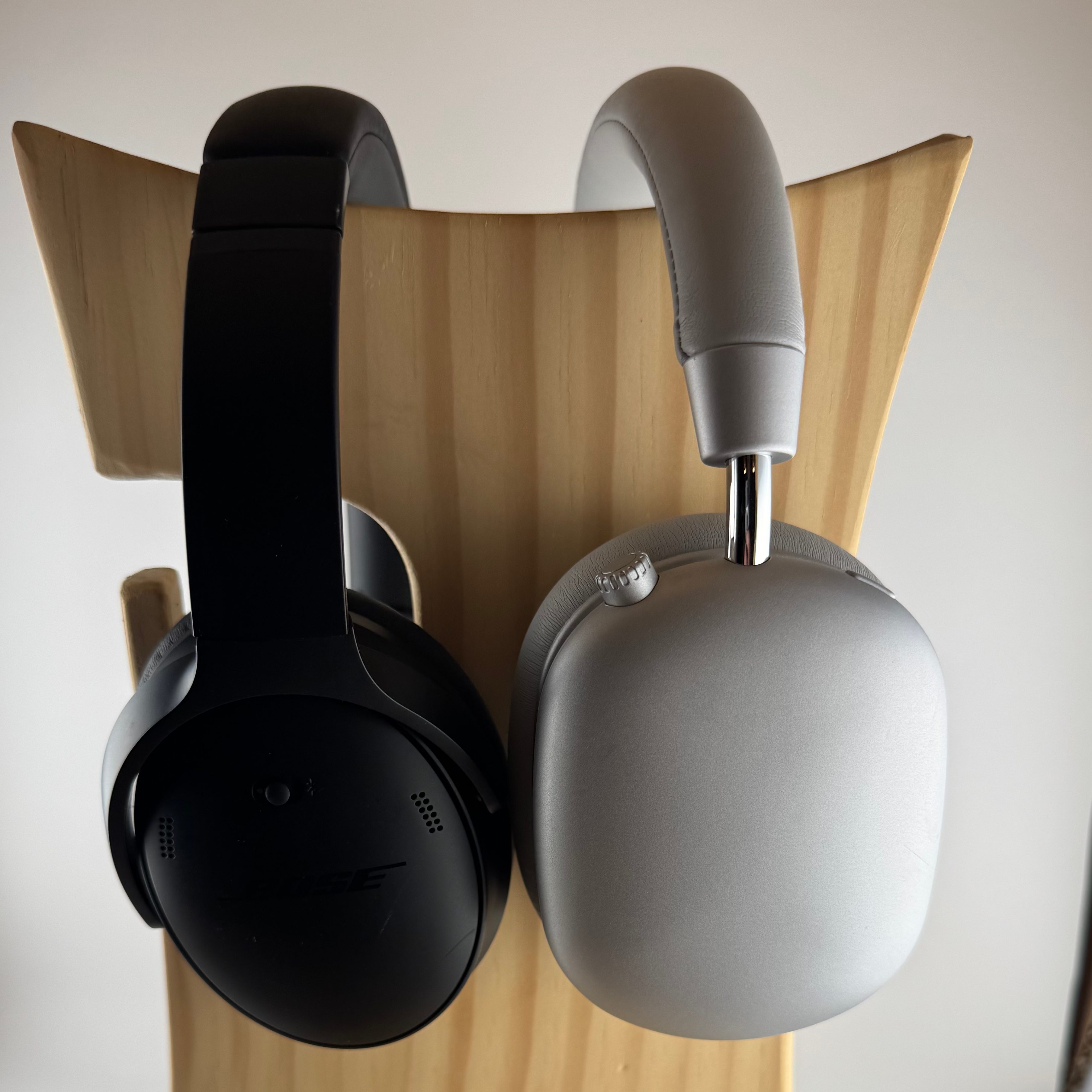
Sony/B&O/B&W products.
I honestly think all of the products I’ve heard from these manufacturers sound pretty awful (except, maybe, the Sony XM6 *if* you have access to pretty good EQ, as in EQ better than the app gives you). I would never recommend any of them over anything else in this group, including the F5.
Closed-Back Comparisons (vs. Bathys’ DAC mode)
[Note: I don’t have (and don’t have access to) any of Focal’s closed-back offerings, so I cannot make a comparison of their sound quality vs. the Bathys. If anyone out there wants to lend me a Stellius, Celestee, or Azurys I’d love to do a comparison.18]
Dan Clark Audio Aeon x Closed.
I’ll be doing a review of these in the near future too. Based on a week or two with them, I think I prefer the Bathys’ overall sound quality. The treble is better controlled on tracks like “Will O’ the Wisp”, though I think that the Aeon x have better, cleaner bass extension. They have pretty similar mids characteristics, and both do pretty well with both male and female vocals. Overall, the Bathys just provide a fuller, richer sound experience though I’m curious to spend some more time with them and see if that holds up with a bit of EQ.
At the moment, for sitting at a desk, I’d rather have the Bathys for sound quality alone, and that’s without even considering either that the Bathys is an all-in-one system while the Aeon X Closed may require a DAC and/or amp, or that the Bathys include a transparency mode where appropriate. Out and about, I’m definitely picking the Bathys; they’re so good running via Bluetooth that it would take substantially better sound to be worth hauling a player or a DAC/amp over just grabbing the Bathys and running wirelessly out of my phone.
Fiio FT1.
This is another one of those that’s way closer than it looks on paper; a $150 wired closed-back vs. a $800 ANC headphone. Purely talking about sound quality at my desk, I will still take the Bathys over the FT1. The FT1 has substantially more pronounced bass than the Bathys, but a pretty similar mid-range reproduction and arguably spikier treble. Just out of curiosity I went back to Super* Review’s squigs, and they do more or less match my subjective impressions (though I’m surprised by the dips that he found in the mids to upper-mids on the Bathys, which I don’t hear19).
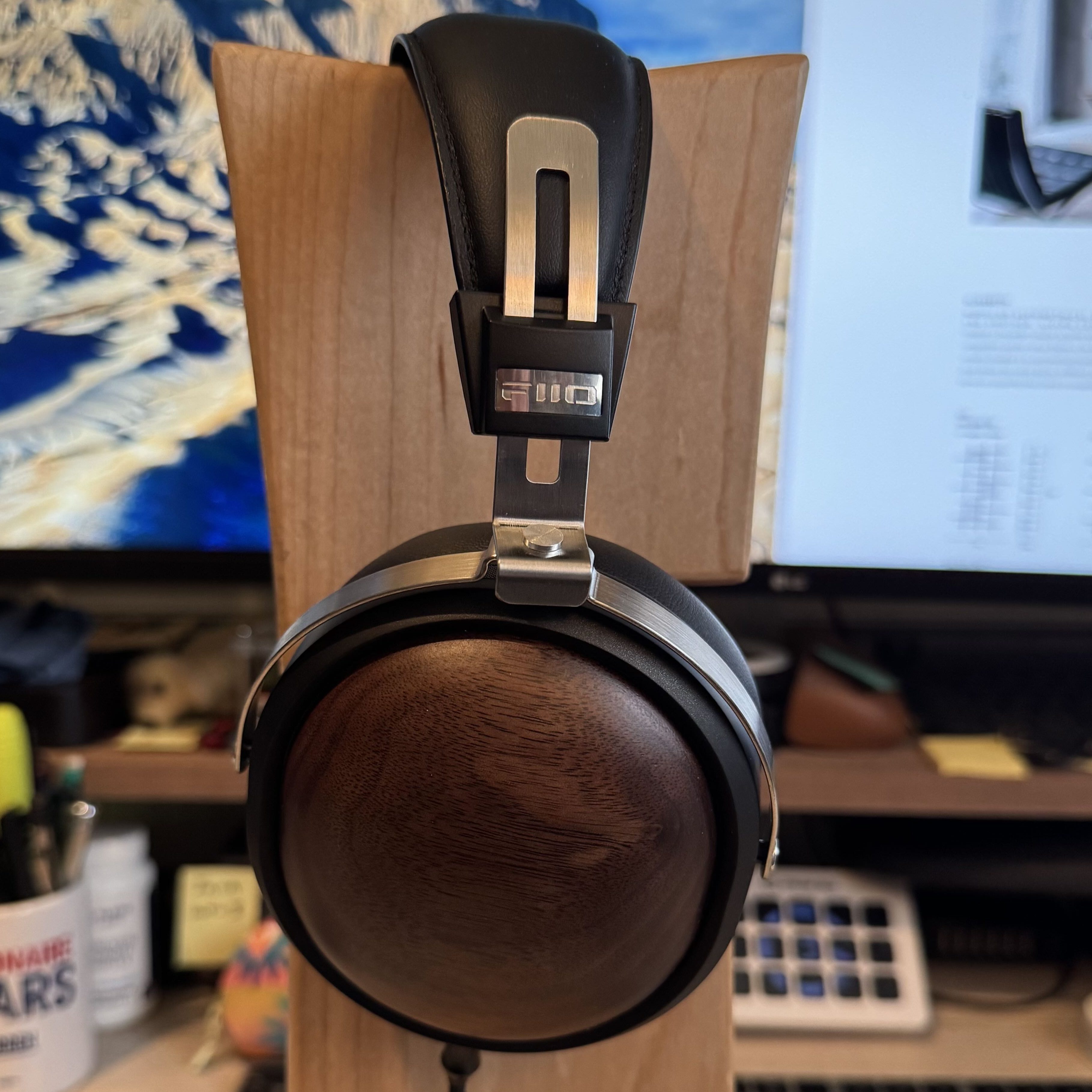
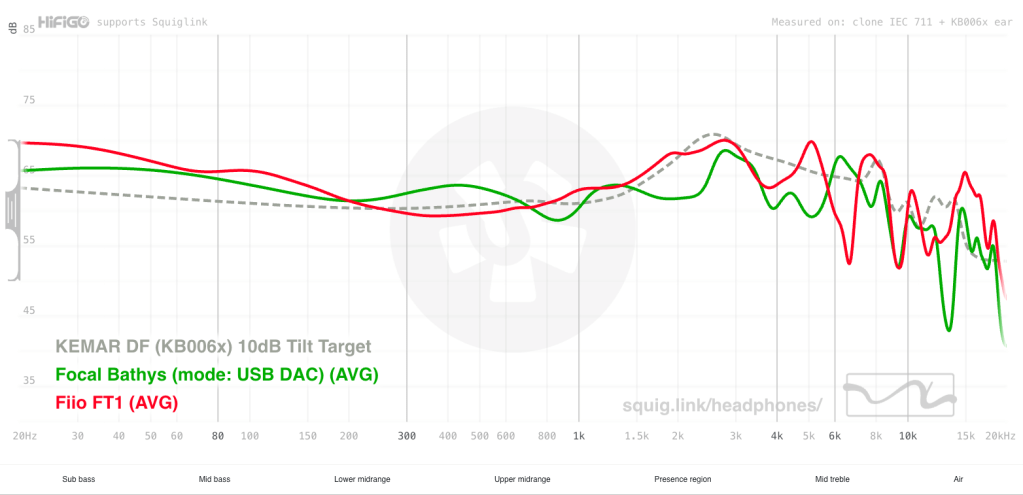
The one circumstance in which I’m grabbing either the Aeon X Closed or the FT! over the Bathys is one where I’m sitting somewhere that I need passive noise isolation but not active noise cancellation for a long time, and I’m listening to something with a substantial bassline. I am getting the sense that the overpressure from the Bathys will not be my favorite thing about them, and while that’s alleviated by listening in transparency mode, it will not work if I’m anywhere but a quiet room.
Audeze Maxwell.
This is a placeholder; I haven’t even had a full day with the Maxwell and so I cannot opine on their relative value but I want to circle back based on the reports of their wireless qualities (though they do not have ANC).
Conclusion.
In a lot of ways, I think I’m going to be using these as basically closed-backs most of the time, in that I’m grabbing the Bathys anytime I need noise cancellation, even over the Airpods Max. If I had the new version of the Max that might change, but for me getting away from having to carry a Lightning charger is weirdly going to impact my decision. The Pro2 will continue to always live in my pocket for situations where I need awareness, but I think these will be my airplane headphones at least for now. I may also take them into my office on days when I need to go in; getting really great quality sound without having to carry a DAC/amp is pretty appealing, at least in situations where I can use transparency mode or tolerate overpressure from ANC for the duration.
Overall.
The Focal Bathys are a well-appreciated, excellent, sound quality-focused ANC offering. They’re the first ANC headphones from anyone other than Apple that doesn’t feel like a substantial compromise in sound quality. The tradeoff is that their ANC doesn’t necessarily compete with some of their competitors (Apple, Bose), but the sound quality is better enough for me to be worth the downsides most of the time. I think they will take the place of the Airpods Max as the over-ears that I throw in my bag when I’m going to work places other than my home office, and they’re definitely going to be my airplane headphones until I find something I like better.
Personally, I wouldn’t pay full price for the Bathys. I think even the $650 they’re usually selling for online now is too much, despite how good they are. Even the $550 for an open box version at headphones.com seems a little too spendy for me; I wouldn’t buy (and haven’t bought!) the Airpods Max at full MSRP either, but if you can get these used around or under $400, to me the value is there. They appear to be going for somewhere between $350-400 pretty regularly on r/AVExchange, so it’s worth keeping an eye out if you’re willing to take the risk of shopping there. I am very happy with the $350 in trade value I spent on them.
#reviews #headphones #sennheiser #6XX #anc #spatialaudio #meh #2025 #99noir #meze #overear #cans #hifiman #arya #stealth #editionxs #budget #hahahaha #fiio #ft1 #closedback #beyerdynamic #dt770
- I score bass, mids, and treble on a two part scale: 1-5 for quantity (5 being the highest), and A-E for quality (A being best in class, C being what I expect, E being laughably bad). For soundstage it’s also a two part scale, with the number representing the width and the letter the separation within it. ↩︎
- For comfort/fit, my scale is A-E with A being disappear entirely into the background and E being I want to tear my ears off to stop feeling these headphones on my head. I’ve had one E: the Koss PortaPro. ↩︎
- Though they appear to be popping up for sale, new, on a variety of non-Drop outlets these days, so maybe I should go back and do a proper review. ↩︎
- Also my first experience with a headphone that shipped with a balanced cable (XLR-terminated), though it wouldn’t be until 2025 that I picked up an amplifier capable of using that balanced cable. ↩︎
- This was before 1) I had experienced Bluetooth headphones that didn’t suck and 2) before I transitioned to the less-public sector. ↩︎
- A generally great review channel with a nice combination of subjective and objective (read: measurements) feedback, as well as some pretty cool audio science stuff. Also they mostly agree with me on headphones. ↩︎
- For a relatively high-end headphone, the Bathys pops up on r/AVexchange a lot. I think a lot of people aspire to need ANC headphones a lot more than they end up actually needing … and the other use case, sitting at a desk, is often better served by a good pair of non-ANC closed backs. I’m curious to see how much I end up using these. ↩︎
- For me, the app suggested increasing the volume of higher frequencies to accommodate decreasing upper register hearing. ↩︎
- No idea how the DAC mode last longer; it must be at least trickle charging, but I’m unclear why it doesn’t just fully charge. ↩︎
- If you’ve done the Airpods hearing test or Sennheiser’s personalized sound function, this is basically the same thing. ↩︎
- Based on Resolve’s recommendation, I’m running it around 50% most of the time. ↩︎
- Upon reflection, the tinny-ness here may be the result of combining my personalized sound (adding some additional treble because, well, I’m an old man with some hearing loss) with an EQ profile based on the default tune. Something to play with more … ↩︎
- Or sitting on your eardrum, as it were … ↩︎
- I can’t get Siri to work consistently, though I’m open to the possibility that that’s may of an issue with Roon Arc (the streaming service I use for music) rather than an issue with Focal’s implementation of Siri). ↩︎
- Honestly, this is a big piece of why I use Roon Arc when I’m out and about, as it gives me 100 volume levels to select from. ↩︎
- Bafflingly, even the 2025 USB-C revision of the Max doesn’t have an off switch; you have to put them back in the ridiculous case to turn them off. ↩︎
- I found the out-of-the-box tune on the Momentum 4 really unpleasant, muddy and hyper-bassy. Sound personalization helped a bit with that, but in the end I’ve applied a EQ profile in the Sennheiser app. While I mostly won’t EQ for testing purposes, in this case it’s built in to the Sennheiser app (so no additional tools are needed), and it takes a pretty middling product and turns it into a decent one. ↩︎
- Focal, I promise a fair review! ↩︎
- This may also be a result of my sound personalization on the Bathys. ↩︎
 Phil's Superpower of Enthusiasm
Leave a comment