[ORIGINAL MSRP $599, $450 on sale at Amazon in November 2025. Purchased lightly used for $350 from r/AVexchange in June of 2025.]
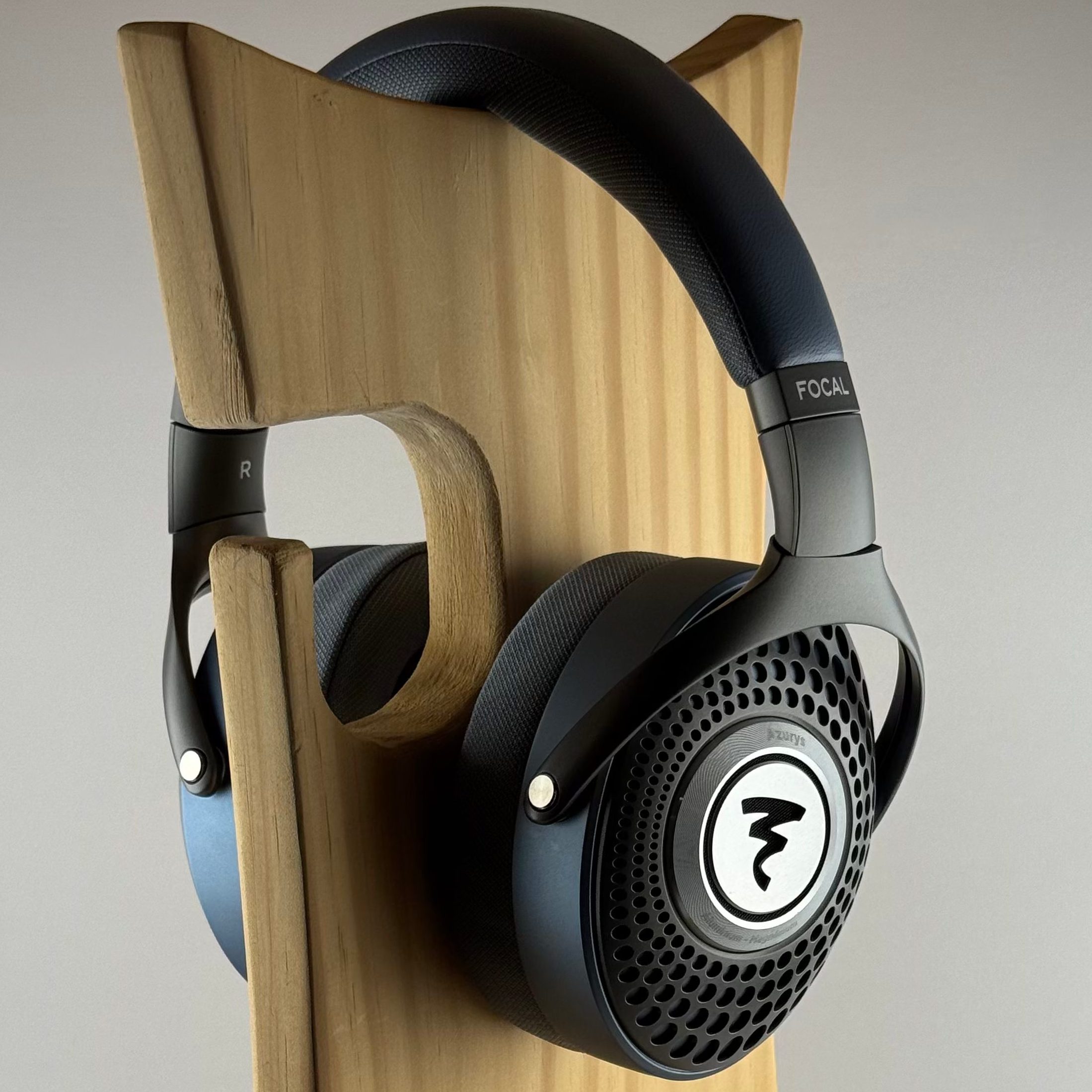
[Tl;dr: The Focal Azurys are a nicely-built and -tuned closed back, something we need more of in the modern headphone market. They are, however, a little overpriced at MSRP and their current online price; if you can find them used, they’re a worthy investment. Definitely an upgrade pick over most of the best budget closed backs, but don’t compete very well with some other options in the $500+ range (or Focal’s prior closed back offerings).
Cost-agnostic: 7 out of 10 Denalis
Cost-sensitive: 6 out of 10 Denalis (at MSRP)
TABLE OF CONTENTS:
- Introduction
- The Basics
- Sound
- Amplifier Compatibility
- Appearance, Build Quality, & Comfort
- Value & Comparisons
- Overall
Introduction
In 2024, Focal announced two new models in its line of mid-tier, single-entry passive headphones: the Azurys (closed-back) and Hadenys (open-back). These were the new, smaller Focal form factor, joining their wireless ANC sibling, the Bathys. At the time I mostly ignored the release; I’d really only spent time with the Focal Elex my dad bought years ago and while I liked them a lot, Focals were generally well above my usual price point. After falling in love with the Focal Bathys, and softening my general stance on closed-backs after testing a couple of excellent options, I decided to give these a try when I spotted them for a reasonable price on r/AVexchange.
[Review note: Based on my philosophy on the allocation of resources in headfi, except where otherwise noted I’m going to primarily be testing these with a Schiit Modius E/Magnius stack, running single ended using the OEM cable and connected via USB-C to a Windows PC running the Roon client. I don’t have any other single-entry, single-ended 3.5 mm cables, strangely.]
The Basics
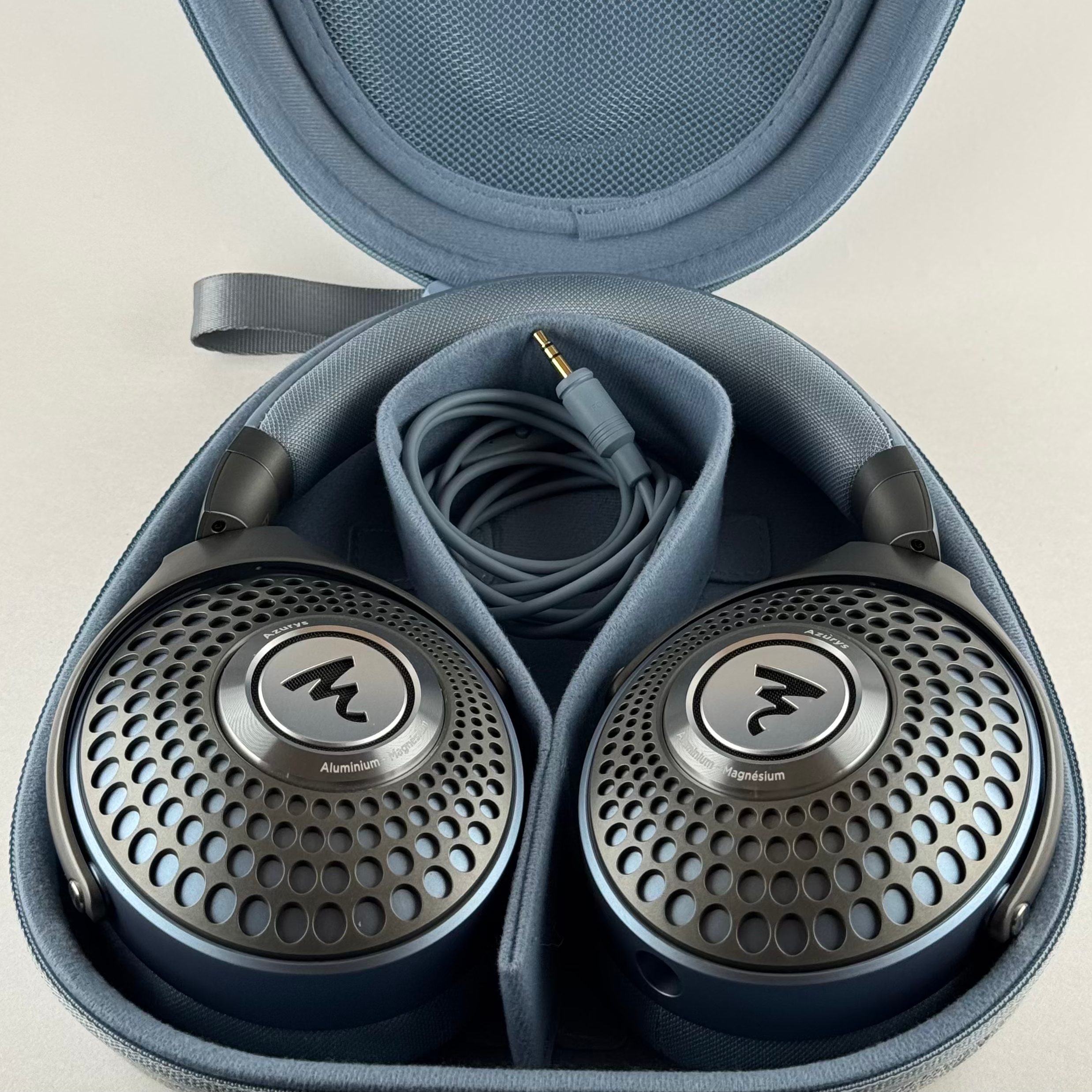
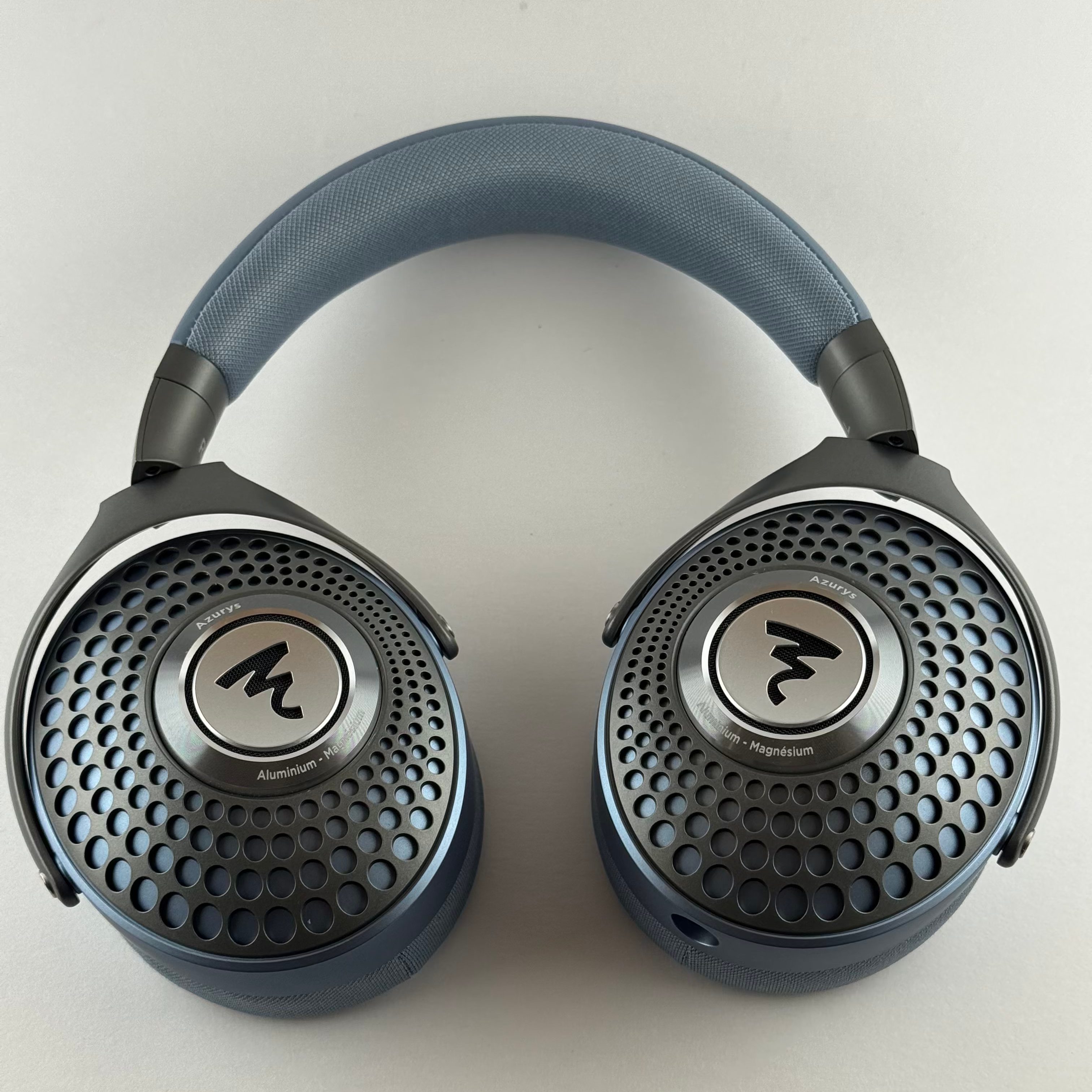
The Azurys (ah-zurr-ees?) is a passive, mid-fi closed-back headphone produced by reknowned French audio company Focal. It’s relatively easy to drive, with a nominal impedance of 26 Ohms and a sensitivity of 100 dB/mW. It shares the smaller form-factor3 of the Focal Bathys (Focal’s entry in the wireless ANC market) and Hadenys (the open-backed sister headphone), as well as their single-entry cable making this a single-ended-only headphone. It is made in a single colorway at this point, a nice light blue. It’s a reasonably light headphone, coming in slightly over 300 grams.
The Azurys come with the nice, semi-rigid zipper case common across the new smaller form-factor Focals, and an approximately 1 meter, rubbery single-ended cable with a microphone and multi-function button and the chunky-barreled Focal 3.5 mm plug.
Sound
The Azurys are a generally well-tuned closed back headphone. The resolution is good, if not quite as good as some of Focal’s earlier, higher-end options. The soundstage isn’t particularly wide, with most sound feeling like it’s coming from immediately adjacent to (or within) your head, and the noise isolation is fine but not great (I can hear a particularly energetic thump of the space bar as I am writing this on an Apple Magic Keyboard, not a particularly lou or clicky keyboard).
Bass is strong, but not overly-forward or boomy; it lets you know that it’s there but remains clean, crisp, and well-balanced. I would probably personally turn the bass down a little with EQ for most of the kinds of listening I do, but I think most people will find this a very pleasing bass presentation.
The Azurys has surprisingly good timbre for a closed-back, particularly when it comes to vocals. Justin Hick’s vocals on “What Did I Do?” are rendered very well, if not quite as perfectly as from something like the 6XX/Elex or even the Focal Elegia. Jill Scott mostly carries through well on “Calls”, though in some passages the elevated mid-bass can muddy her lines a little.
The treble can be a little bit sharp for me, but it’s not particularly problematic unlike some other closed-backs. I would likely reduce them slightly via EQ for long listening sessions, but even the vanilla tuning is comfortable for me for long periods of time at reasonable volumes (something I cannot say for a number of closed-back options I’ve tried).
Amplifier Compatibility
The Focal Azurys does appear to be a little finicky when it comes to DACs/amplifiers; while it’s good with most of the solid state amplifiers I’ve tried it with (Nitsch Piety, Schiit Magnius, Topping L30, Apple Dongle, etc.), it has a couple of odd issues. One is with the Schiit Jotunheim 2, where it has a low but audible hiss when music isn’t playing,4 the other is with the Chord Mojo 2 where the bass is a bit splattery on tracks like “Coffee”. The Jotunheim issue isn’t a big one and doesn’t affect my use (once music is playing it’s largely unnoticeable), though I will probably not use the Azurys with the Mojo 2 because of the bass issue.
The Azurys is a single-entry headphone, so it will be restricted to use with single-ended audio systems. This is mostly not a problem as they’re so easy to drive you won’t have a hard time getting enough power, but it does mean that I can’t use them with the Apos Gremlin tube amp.
My amp settings:
- Modius E/Magnius: low gain mode, volume right around 9:15.
- Jotunheim 3/Mimir: low gain mode, 10:30 (with a -15 dB software gain applied in the DAC)
- Apple dongle: Roon at 20/100 (with headroom management turned off), iPhone 15 at around 31%
- Nitsch Magni Piety/Modi: low gain, 8:00
- Topping L30: -9 dB gain, 10:00
- Chord Mojo 2: off, blue, white blue5
My testing method/philosophy.
My torture testing list: Apple, Tidal, Spotify.]
Appearance, Build Quality, & Comfort
You either like the way that Focal designs their headphones, or you don’t. I personally like their style and aesthetics, but I get why some people do not. They’re definitely not for trypophobes, though.
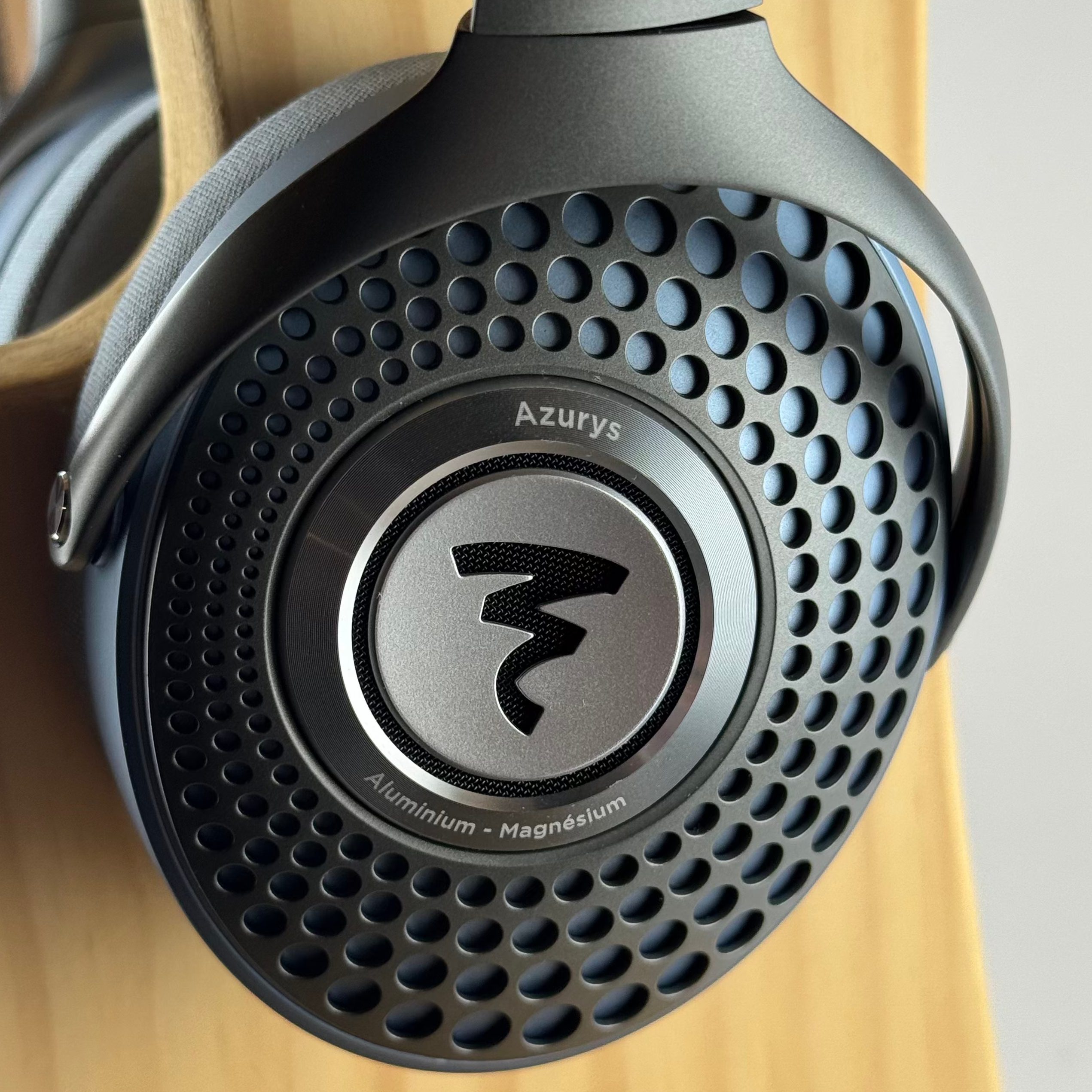
These are solidly built headphones. They’re physically a lighter version of the Bathys, which I regard as a very well built headphone. This family of Focal headphones allow the cups to swivel front-to-back, making it much easier to get a good, comfortable seal, and because only one ear cup connects to the cable, they’re slightly easier to work with at a desk. The cushions are well designed, if perhaps a hair too deformable.
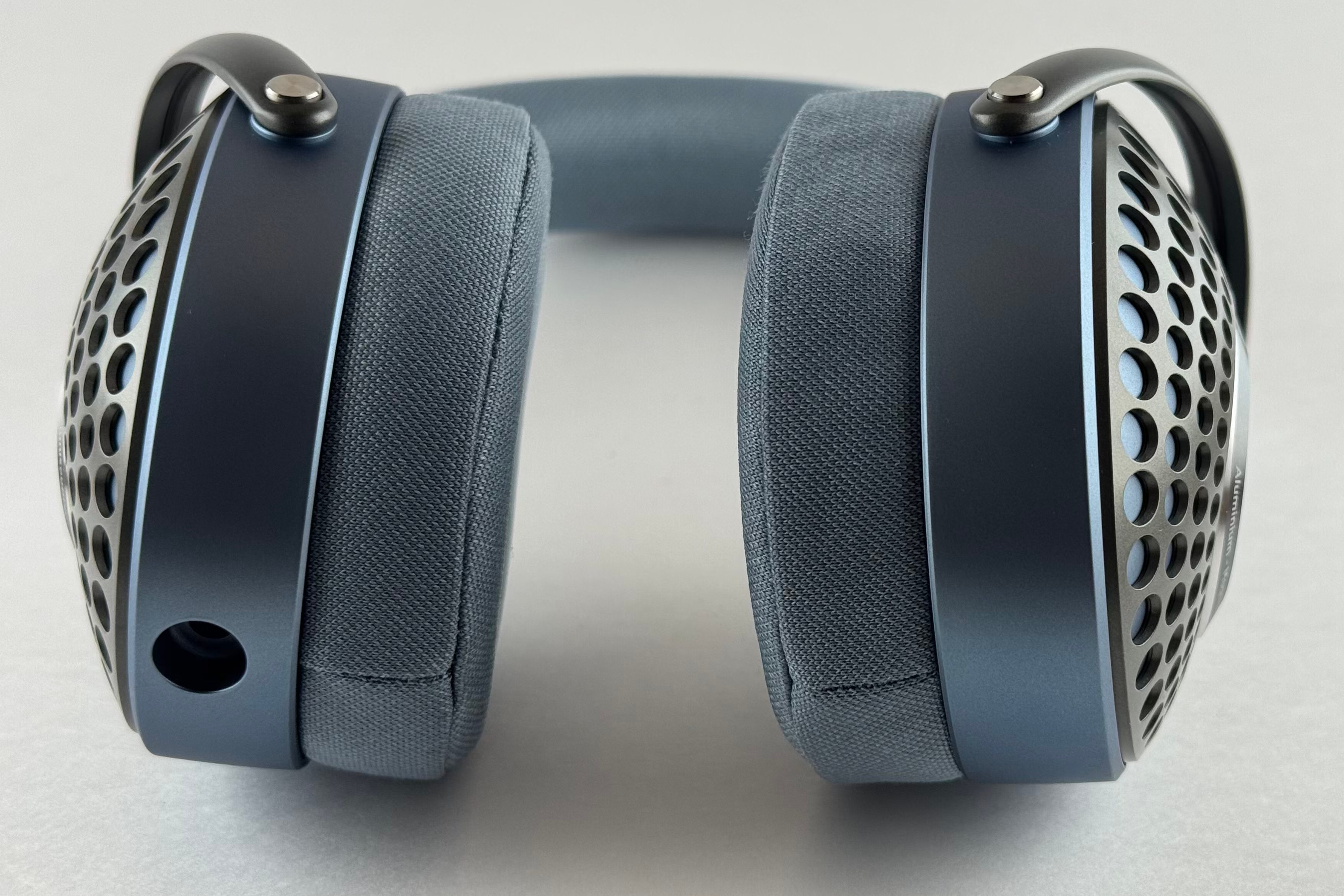
The Azurys are also pretty comfortable. These are relatively light headphones, comparable to things like the Sennheiser Momentum 4 and Meze 105 AER. Out of the box, they have enough clamp force that they are very stable on my head without pressing hard enough to be uncomfortable. Like most Focals, I find it very helpful to place them on my head and then shorten the yokes slightly to make sure that the weight is evenly shared between the ears and the top of the head. My only criticism regarding comfort is that the ear cups themselves are pretty small. I have to adjust my ears to wear them comfortably, and my pinnae are often in contact with the driver baffles (especially at the back of the cup; like most Focals, the drivers are tilted slightly forward inside the cup). This issue is consistent across the smaller form-factor Focals for me.
Value & Comparisons
As this is a quick review, I haven’t done a ton of A/B’ing, but I’m pretty certain I prefer the sound quality of the Focal Bathys in its excellent DAC mode over the Azurys running out of any amp. The Bathys will cost you an extra $50 or so at MSRP, but you’ll get a whole lot more utility out of them, as well as an increase in sound quality in most ways (as long as you can tolerate the overpressure of the Bathys, or don’t mind the slight hiss they produce in transparency mode). They’re also similar enough, physically, that I wouldn’t be surprised if you could easily tune the Bathys via EQ to sound pretty similar to the Azurys.
At $500, you can also get the excellent Drop + Dan Clark Audio Aeon x Closed (review forthcoming), whose comfort and general sound profile I like more than the Azurys.6 At MSRP, I’d definitely take the Aeon x over the Azurys for both sound quality and value for most use cases, though the Azurys is easier to drive and I might prefer it for use out of a phone or a similar low-powered device. As far as comfort, the Aeon fits my head and ears slightly better, once I got the suspension strap adjusted. Properly sized, the Aeon disappear on my head while I’m always at least aware of the Azurys.
The used market for both seem to be inconsistent, and the sound quality difference isn’t huge. You’d probably be happy with either if you found them at a decent price.
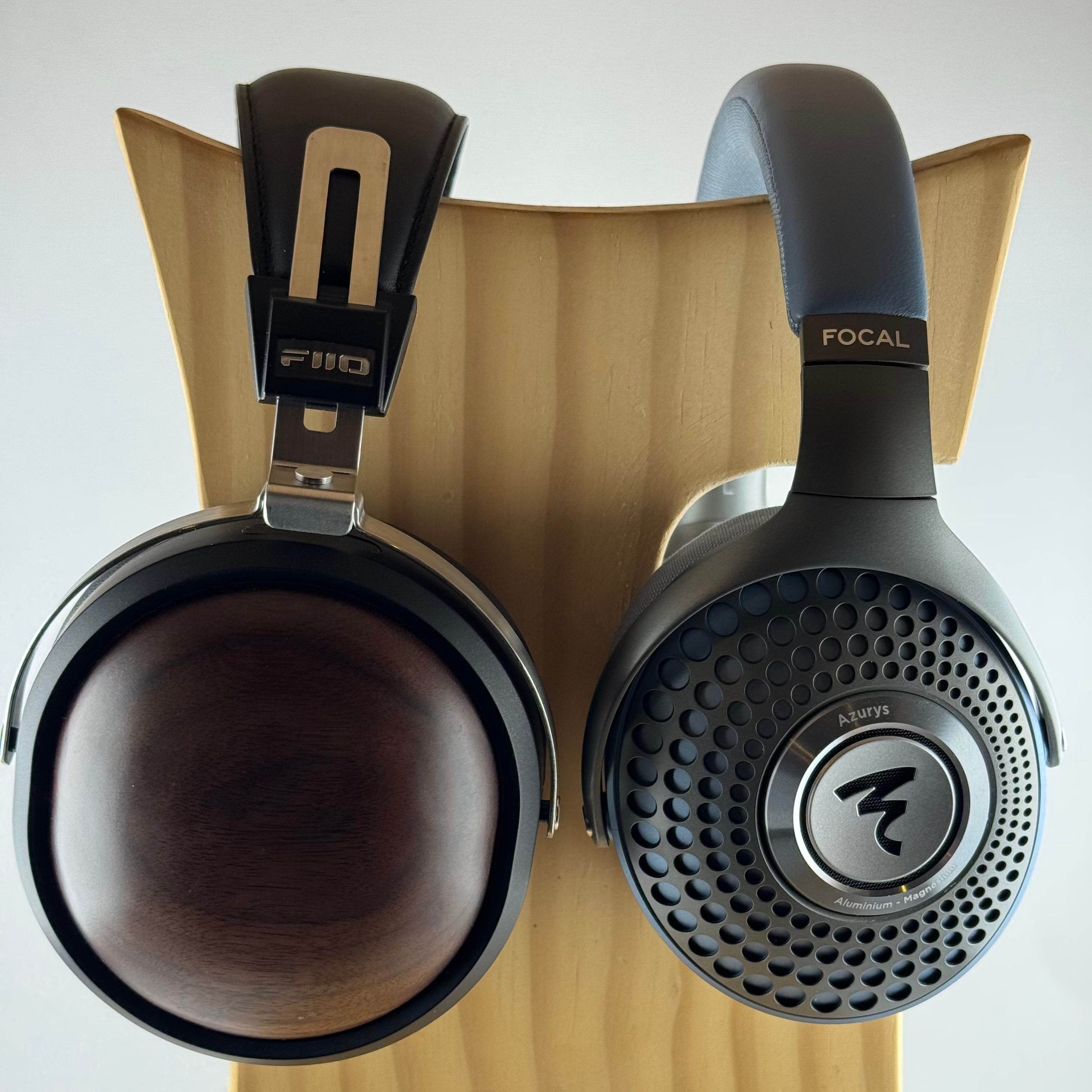
The Azurys is a distinct step up from my favorite budget closed back, the Fiio FT1 in terms of detail retrieval, general tune, and build quality (which you would expect for around four times the price). I generally say that the FT1 is my favorite closed back headphone up to around the $500 price point (the Aeon x Closed), and the Aeon and Azurys are two of the upgrade picks I’d recommend over the FT1 for someone looking at the $300+ price point, particularly if you’re open to the used market. The FT1’s cups are slightly more comfortable for my ears, though I think the Azurys is more comfortable and certainly better built over all.
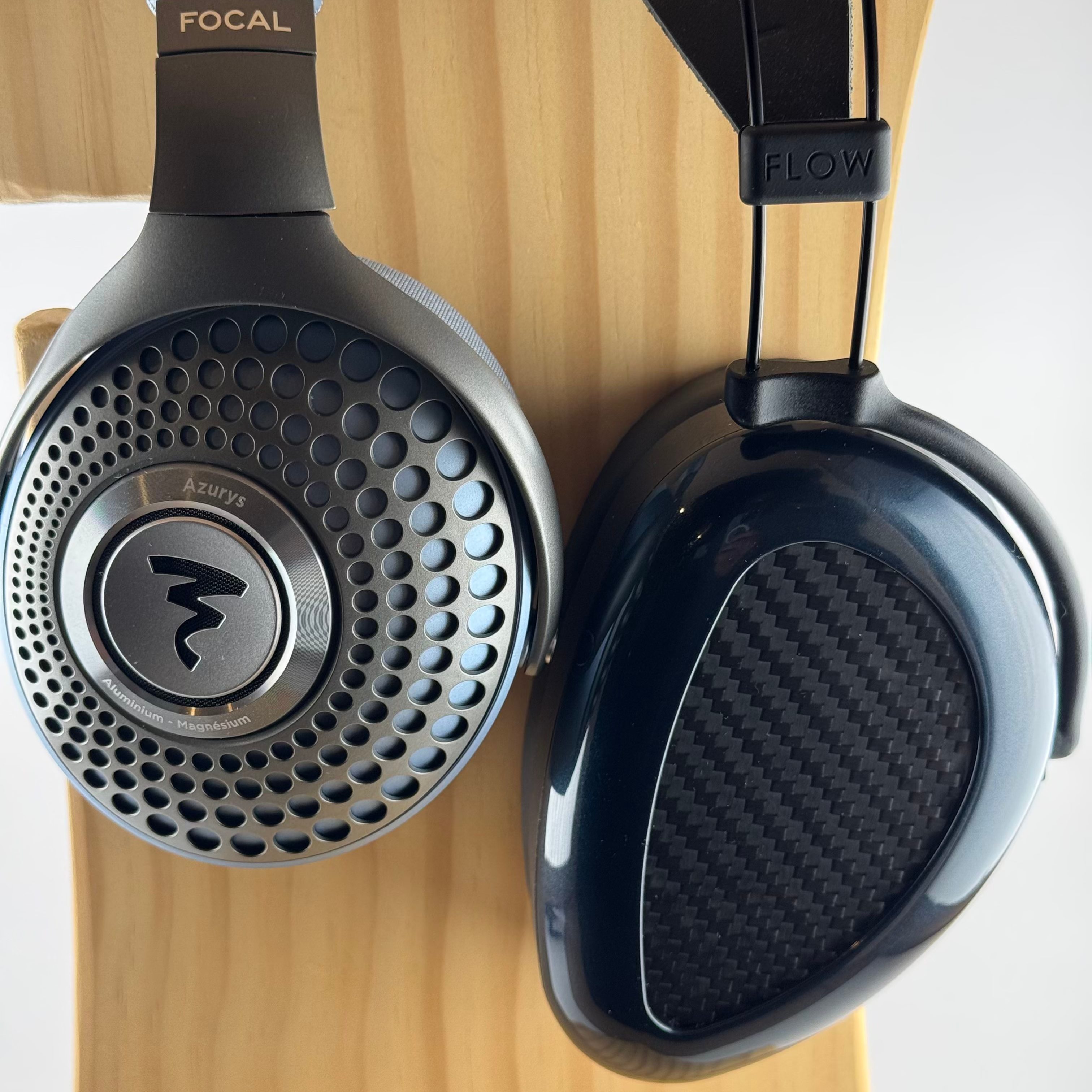
Similarly, the Azurys drub the Meze 99 Noir pretty handily. They’re better built, better sounding, lack the 99 Noir’s annoying microphonics, and are just all around a better headphone (at three times the cost).
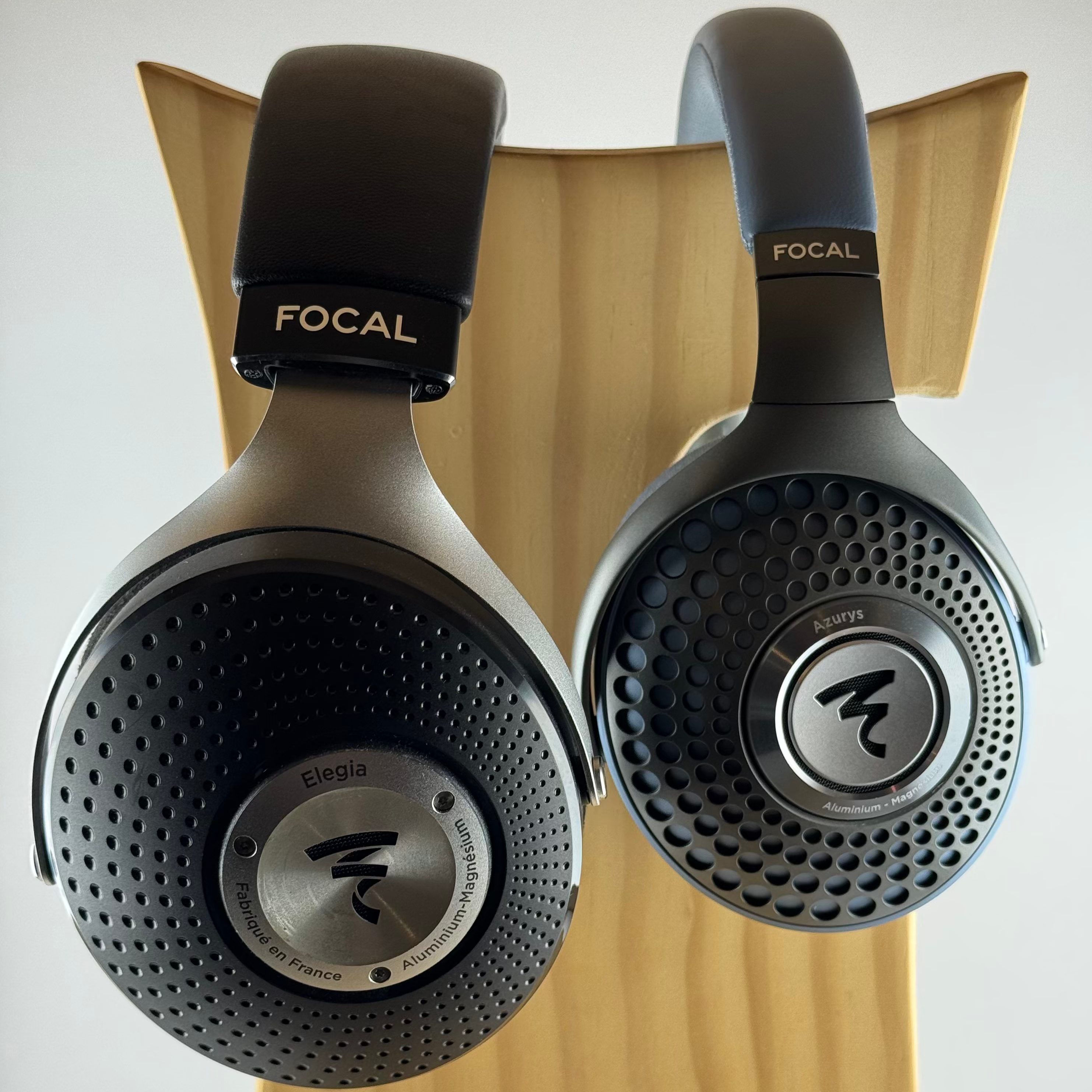
For me, the Azurys just cannot measure up against the Focal Elegia, one of my favorite closed backs.7 The Elegia are one of Focal’s earlier closed backs in their older, larger form-factor. The Azurys are more easily transported, but the Elegia are substantially more comfortable on my large noggin. They’re also a slightly unusual tune, which not everyone will love but is perfect for me; they’re less bassy than most closed backs, focusing on producing clean bass vs. abundant bass. The Elegia have been out of production since 2020 so you’d need to find a used one (or maybe new old stock?), but the Elegia are the reason I probably won’t be keeping the Azurys around long term. If you have the choice between the two at even close to the same price point, I wholeheartedly recommend the Elegia over the Azurys.
Overall
In a vacuum, I like the Azurys a lot. I can count the number of closed back headphone I’ve historically enjoyed on less than one hand, though I’ve been broadening my horizons a lot over the last year or so. I’ve been saying for years that the closed back market is weirdly thin, with limited options particularly in the budget category. While these certainly aren’t budget, it’s nice to see some good, well-tuned mid-tier options hitting the market and slowly filtering down to the used markets.
As much as I like the Azurys, I don’t think I would pay the $600 MSRP or even the current $550 pricing for them. I consider my Azurys a really excellent headphone at the $335 price point I paid, and I think almost anyone would be pleased with them around there. The Azurys is one of the things I will now recommend as an upgrade over the FT1 for people wanting to explore higher-end closed backs, especially if they can get the Azurys on discount or lightly used, but I don’t think I will recommend them at MSRP when the Aeon x Closed is available at $500.
#reviews #headphones #sennheiser #6XX #anc #spatialaudio #meh #2025 #99noir #meze #sunglasses #overear #cans #focal #elegia #azurys #bathys #anc #closedback #openback #headphone #headphones #review #reviews #budget #hahahaha #iems #quickreview
- I score bass, mids, and treble on a two part scale: 1-5 for quantity (5 being the highest), and A-E for quality (A being best in class, E being laughably bad). For soundstage it’s also a two part scale, with the number representing the width and the letter the separation within it ↩︎
- For comfort/fit, my scale is A-E with A being disappear entirely into the background and E being I want to tear my ears off to stop feeling these headphones on my head. ↩︎
- At least compared to the older Focal models like the Elex, Elegia, Radiance, etc. ↩︎
- I don’t have a good explanation for this; I’ve tried it with a half dozen different systems and this is the only one where I get an audible hiss. The Jotunheim is on low-gain, at a volume that’s reasonable to listen to, and the Mimir has a -15 dB pre-gain applied via Forkbeard. ↩︎
- The Mojo shows volume with three lights: the first (effectively) shows you the gain setting and the other two are a color-coded progression from quiet to loud. ↩︎
- And which is also more malleable, as the Aeon ships with multiple foam inserts for on-the-fly physical tuning. ↩︎
- And to be fair to the Azurys, the Elegia’s MSRP was nearly $900 in the 2010s, meaning that they were a substantially higher-market option. ↩︎
 Phil's Superpower of Enthusiasm
Leave a comment