[ORIGINAL MSRP $499.99, currently available on Amazon for around $280 or directly from Sennheiser for $299.95 in September 2025.]

[Tl;dr: The Sennheiser HD600 are a classic for a reason, and are still a truly excellent headphone in 2025, almost 30 years after they were first released. My only big complaint about them is that they’re $100 more than their incredible successor the 6XX, and between the price difference and the slightly different tune (less bass, more treble) I’m just not going to reach for them very often. If you listen to less bass-centric music, or you live outside the US, I wholeheartedly recommend these. Same if you can get a decent used pair around the price of a new pair of 6XX.]
Cost-agnostic: 9 out of 10 Denalis
Cost-sensitive: 7 out of 10 Denalis
- Intro to the intro: Quick Reviews!
- Intro
- The basics
- Overall impressions
- Sound
- Build
- Value/Comparisons
- Overall
Intro to the intro: Quick Reviews!
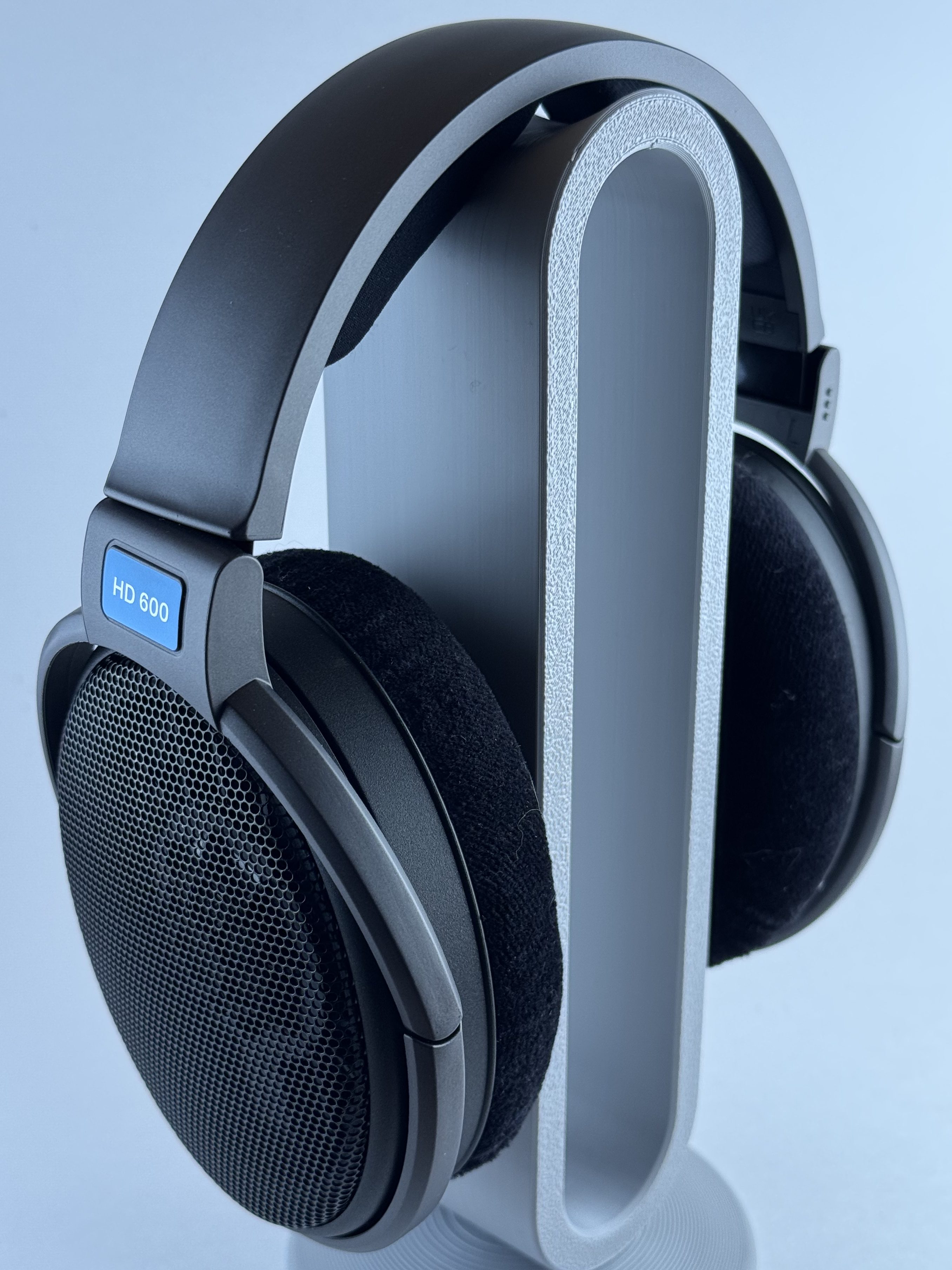
As introduced in the iFi Uno review, I’ve decided to lean into a new feature here at Phil’s Superpower of Enthusiasm, Quick Reviews! There are a number of things that I’d love to get quick notes down on for my own edification/memory, but that I don’t want to spend the 10-15 hours I devote to most of my (overly?) in-depth reviews. Some of these will be things that aren’t in production anymore (so it’s less likely anyone will read a review), or are extra niche, or are things that I didn’t particularly like but want to be able to point people to my reasoning, or that are in a category I don’t spend a lot of time with (like IEMs).3 Today: the Sennheiser HD600!
Intro
I have have long been a fan of Sennheiser’s headphones; my first pair of over-ears was a old 500 series when I was in middle school, and my first real pair of audiophile grade headphones was the truly excellent Sennhesier x Massdrop (now just Drop) 6XX. I’ve owned at least three sets of Sennheiser RS175s, the original (wired) Momentum, the HD 515, and two pairs of Momentum 4s as well as a couple of their wireless earbuds.
I like the 6XX enough that they continue to be a regular listen for me, despite the fact that I own some much more expensive headphones (even some that I think sound substantially better); there’s both a real nostalgia factor with the 6XX as well as a frequency response that I really love for most of the music I listen to (clean but not emphasized bass, beautiful mids, mellow treble, excellent reproduction of silence, etc.), but I’d never really bothered to try the other modern Sennheisers other than casually demoing a few over the years (599, 560S, 58X, etc.) because none seemed competitive with the 6XX. I have been interested in the HD600 for years, but never could justify the $300+ price tag. Then I got some Amazon store credit, so a few months ago I snagged a pair of HD 600 on Prime Day.
Review notes
Terminology: I’m going to be referring to the HD 600/6XX/650 family a lot in this review, and I will refer to them collectively as the 6X0. General modern consensus seems to be that the differences between these three models (particularly between the almost identical 650 & 6XX) may be smaller than the unit variation within each model, which largely comports with my own experience with the 600/6XX in my collection; I can hear some consistent but minor differences, but I don’t know if that’s because of the design differences or just my specific units.
Testing rig: Based on my philosophy on the allocation of resources in headfi, except where otherwise noted I’m going to primarily be testing these with a Schiit Modius/Magnius stack, running balanced via a Hart interconnect cable and connected via USB-C to a custom gaming PC running the Roon client.
EQ: As noted in the Bathys review, I mostly prefer to test headphones with their default tuning, assuming that most people won’t take the time or make the effort necessary to use a third-party EQ. And like most Sennheiser 6-series products, these don’t need EQ, though they may benefit from a bit of tweaking on the margins and they take it quite well.
Volume: Here are the volume settings I use with the Sennheiser HD 600 (unless otherwise noted, running via Roon with no headroom management, playing Daft Punk’s “Face to Face”):
- Mimir/Jotunheim 2 (Mimir has a -15 dB pregain applied via Forkbeard): low gain, 12:00 (balanced); low gain, 2:30 (single-ended)
- Modius/Magnius: low gain, 11:30 (balanced); low gain, 12:00 (single-ended)
- Modi/Magni: low gain, 10:30
- Chord Mojo: white, light red, light red, dark red4
- North American Apple dongle: 75%
can’t get to comfortable volume5
[Update 11/16/25: the original version of this review stated that I couldn’t get to a comfortable volume on the HD600 with the Apple dongle; turns out this was the result of Roon Arc applying an across-the-board negative pre-gain on the dongle on iPhone. I’ve retested running Apple Music and it’s fine.]
My testing method/philosophy.
My torture testing list: Apple, Tidal, Spotify.]
The basics
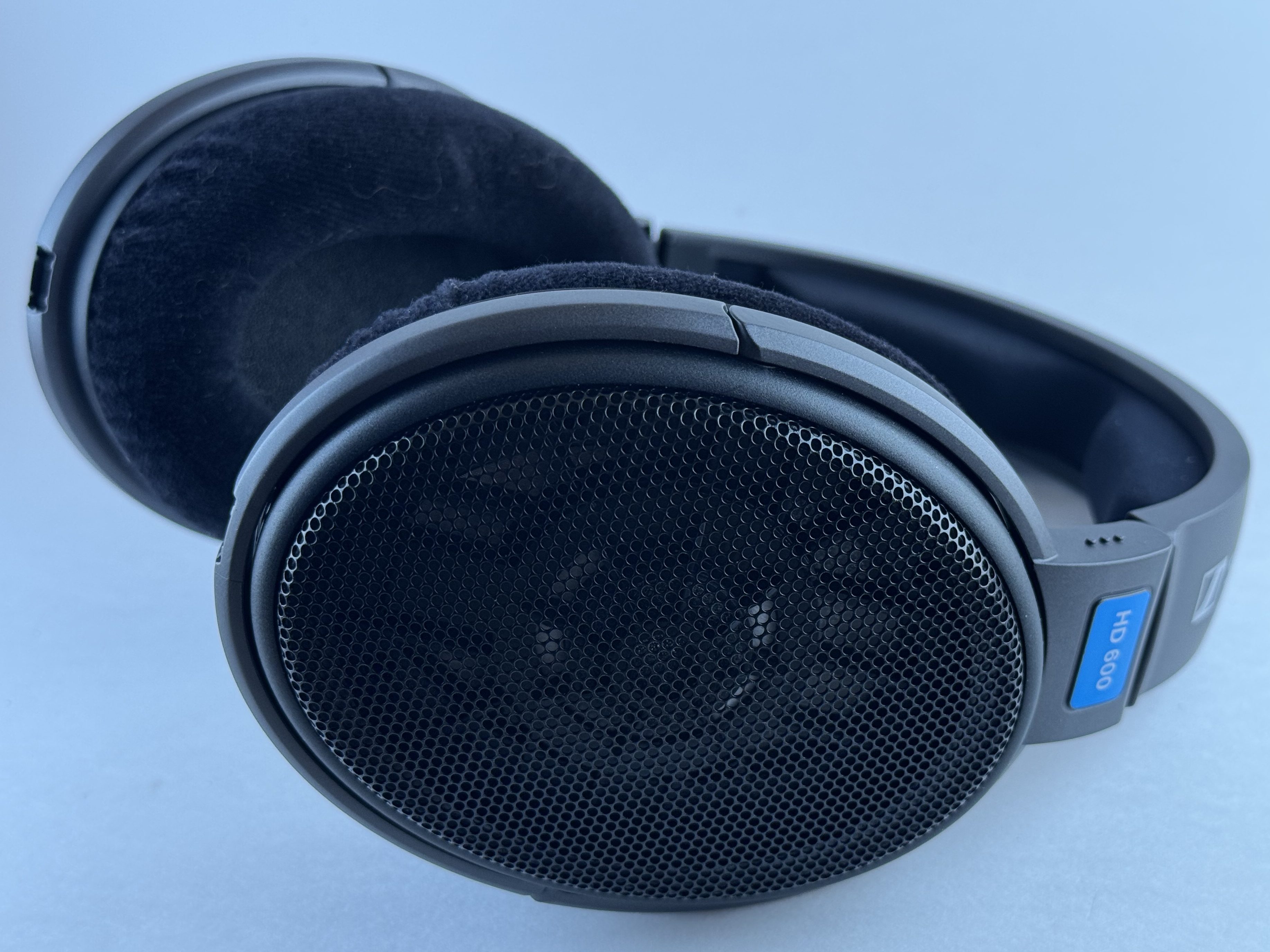
The Sennheiser HD600 was introduced to the market in 1997 as an upgrade to the much-loved HD580, and were the initial entry in Sennheiser’s 600 series.6 They were an immediate success, and have been in production continuously since then despite Sennheiser developing and releasing a series of headphones designed to be upgrades from the 600.7 They’re a passive, open-back, dynamic driver design that is relatively difficult to drive, with an impedance of 300 Ohms and a sensivity of only 97 dB/mW.8 They’re also relatively light (weighing in around 260 grams) and built primarily out of plastic with a plastic-wrapped metal headband. The HD600 remains a popular headphone in the enthusiast community, and is frequently available in the used market.
Overall impressions
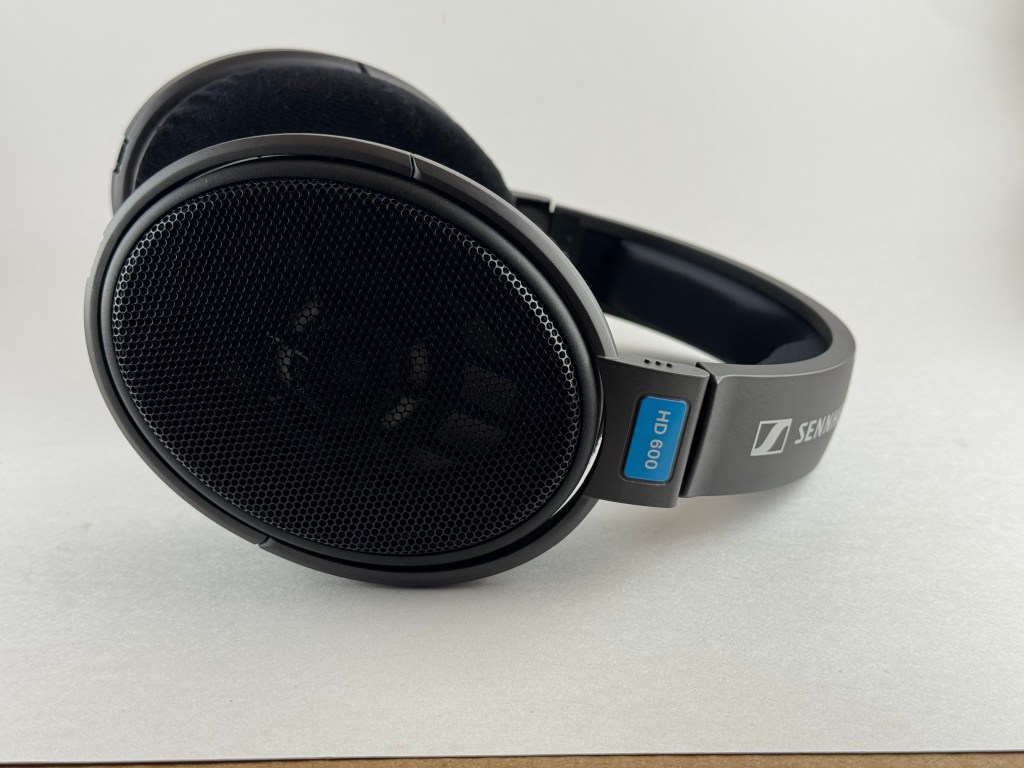
The HD 600s are a classic for a reason. They are exceptional headphones. They were pretty groundbreaking when they were released, and while the open back market is increasingly crowded, the 600 remain an excellent option. For most of the music I listen to, I will prefer something like the HD6XX, but I would still take the HD600 over the HD660S, 58X Jubilee, Fiio FT1 Pro, Hifiman Edition Xs, etc. They also take EQ beautifully, and its easy enough to slap a bass shelf on them to correct the minimal flaws in the baseline tune.
They’re relatively light and mostly quite comfortable, though like all 600 series Sennheisers they are pretty clampy out of the box and could use some time to stretch.
Sound
Like their erstwhile successors the 6XX and 660S, the 600 provide excellent resolution and detail retrieval, excellent vocals, and somewhat lacking bass out of the box.
The soundstage/stereo separation is pretty typical for a 600-series; the placement in space is consistent and reasonably wide right-to-left but doesn’t have much depth, front-to-back. The toms on “Thunder Lightning” track beautifully right to left. The dynamics are pretty good; both the bell tones and the treble chimes in “Angel (Blur Remix)” are solid and well produced and might even be a hair crisper than you get from the 6XX with the 600’s slightly hotter treble. Like the 6XX, these are headphones that truly excel at quiet, simple tracks in a way that many of their competitors do not; with something like the Edition XS or the FT1 Pro, quiet tracks expose the flaws in their design and tuning, while the 6XOs hold up fine under intense scrutiny.
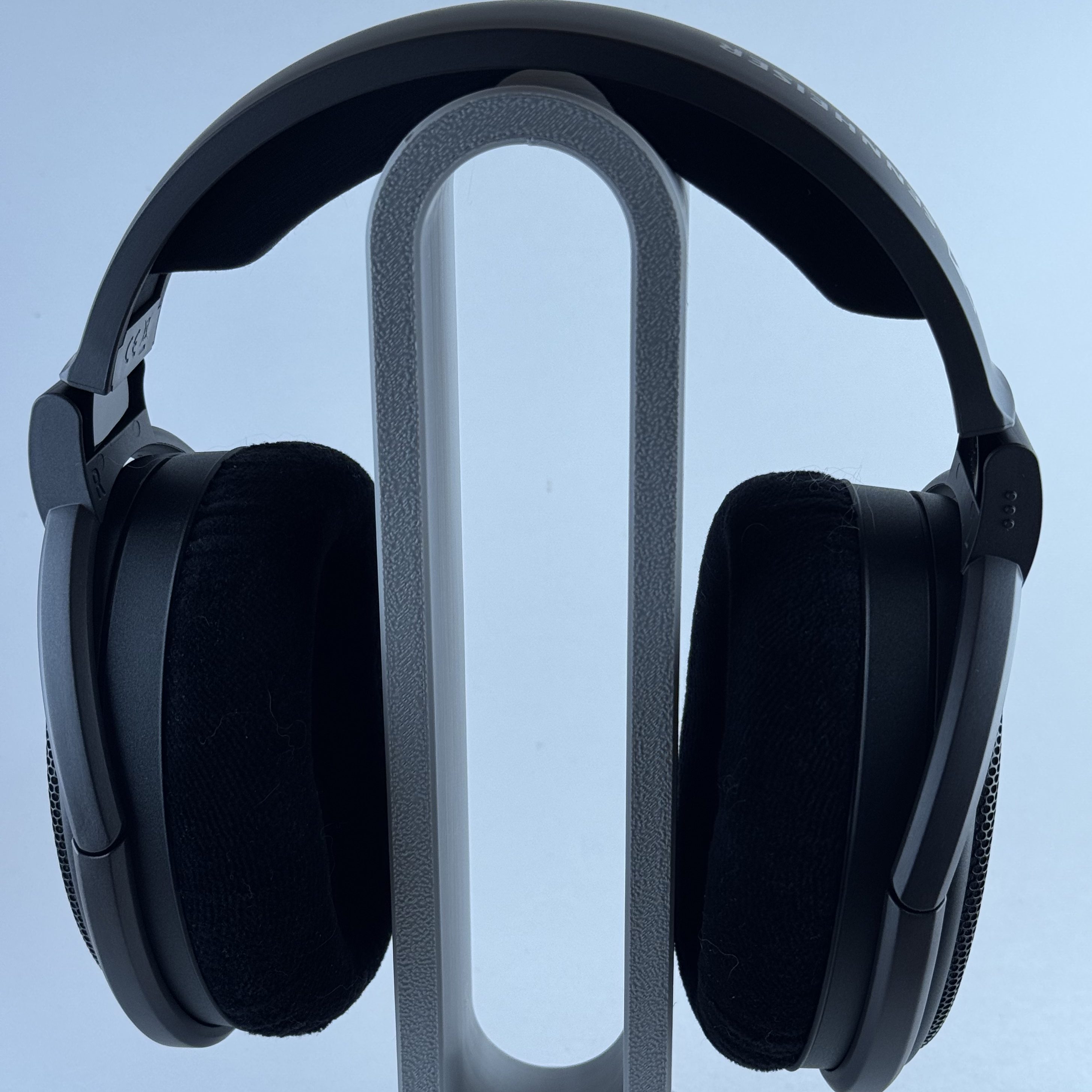
Bass is clean and clear but slightly recessed compared to the 6XX. The bass line on “Out of My Hands” comes in subtly and carefully, with the first few notes fainter than they are on other headphones but still nicely balanced against the rest of the track. Unlike the 660S, I had a hard time getting any splatter or thump on bass throughout my testing. Overall I prefer the slightly bassier tune on the 6XX, but I find these quite pleasant on the low end.
The 600 are the OG standard for mids on open-back headphones, in my ever so humble opinion. They’re really good; perfectly balanced and reproduced with excellent and natural timbre. The only quibble I have with them is that because the 600 have a slightly hotter treble tune than the 6XX, higher-pitched voices can sometimes feel just a tiny bit recessed on tracks where there are a lot of things in the lower treble/upper midrange, like the bells Sylvan Esso’s “Coffee.”9
The treble is the biggest departure from the 6XX/660S; by the standards of the rest of the 600 series, the HD600s themselves are trebly bois. It’s not problematic treble a la Edition XS or even the Meze 109 Pro for some frequencies, but it’s distinctly noticeable especially when you’re A/B’ing back and forth. If I decide to hold on to the 600, I will probably apply a slight treble filter just to tame the edges of the tune.
Build
For this quick review, I’m just going to refer you to the build section of my HD 6XX review; the only noticeable difference in the build quality between the 6XX and the 600 is the color and the model name stamped on the temples. Otherwise they’re physically pretty identical, which means (to me at least) quite comfortable for long listening sessions.
Value/Comparisons
HD 650/6XX/660S
I basically already did this recently in my review of the HD 660s, but I’ll reiterate the highlights here.
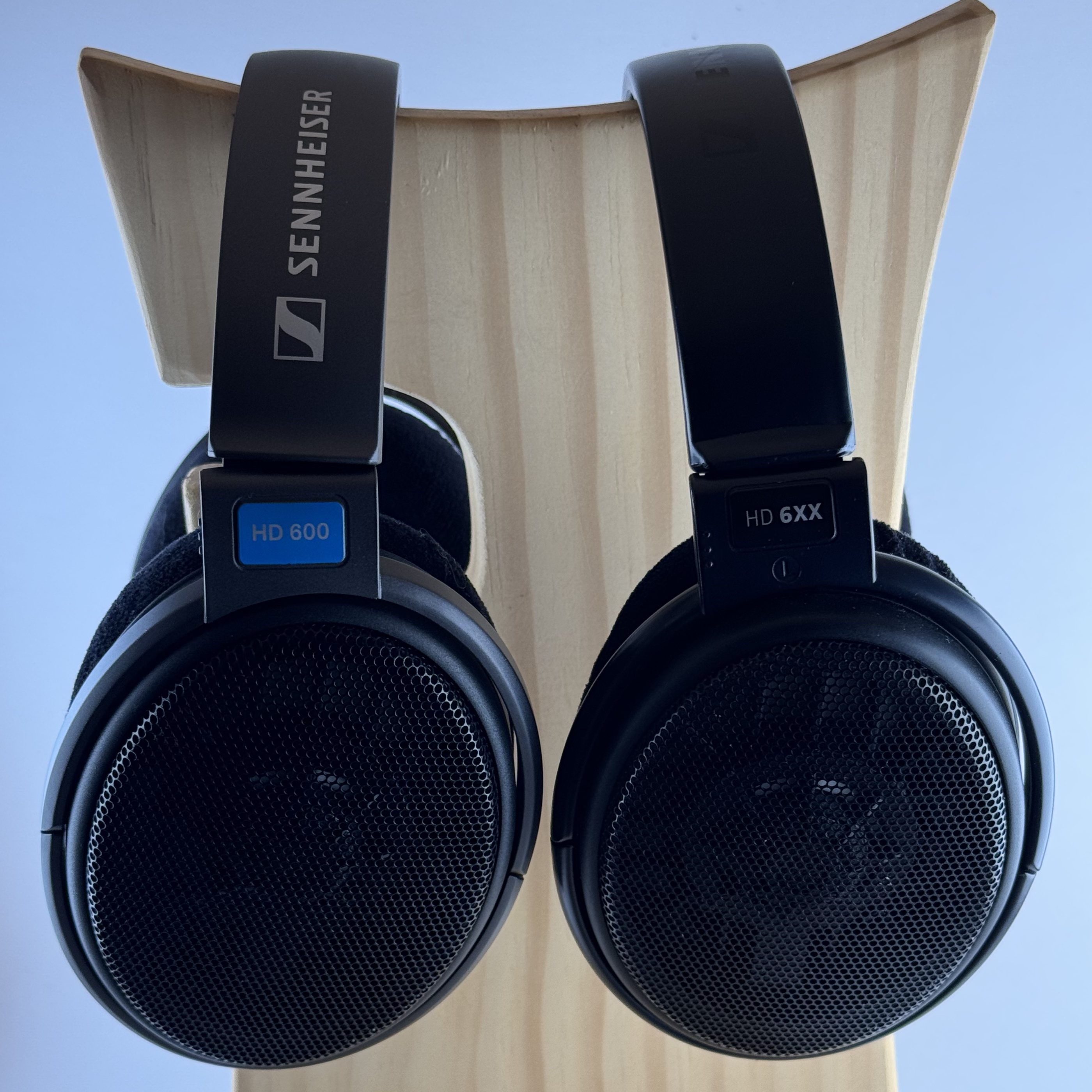
The most obvious comparisons for the HD 600 are the headphones designed to address it’s perceived shortcomings, the HD 65010 and the headphone that was designed to address the 650’s shortcomings, the HD 660S.
Amplification. The biggest challenge with the HD 600 is amplifier compatibility, because they are genuinely harder to drive than the 6XX. Like the HD600, the 650/6XX are a 300 Ohm headphone, but because they have a high sensitivity of 113 dB/mW they can run reasonably well even from a relatively low-power dongle like the North American Apple USB-C one. The 660S and the 58X are middling-sensitive headphones at 104 dB/mW, but make up for that by halving the impedance at 150 Ohms. The 600 are both high impedance AND low sensitivity, making them one of a very small number of headphones I’ve tried that I cannot listen to at normal volumes via some dongles. That said, they’re not THAT hard to drive and basically any of the dedicated amplifiers I tried them with worked fine. Ditto my M2 MacBook Air.11
Sound. I’ve said it before, and after a bunch of dedicated A/Bing I still stand by it: for me the audible differences between the HD650/6XX and the HD600 are minimal, and I’m absolutely open to the idea that the differences between the models may be smaller than the unit variation within a particular line.
This pair of 600s is only about a month old, with less than forty hours of use, so fresh pads.12
With the specific units that I have in my house for this review, here are my thoughts:
- The bass is slightly stronger on the 6XX than the 600, and the 600 is stronger than the 660S (in terms of volume AND quality).
- The mids on the 600 are slightly more emphasized than than 6XX, though it’s a pretty minimal difference. The mids are substantially more forward on the 660S than either the 6XX and the 600, though, in a way that does not make me prefer them but is not SO exaggerated as to be unpleasant.
- I find the treble on the 600 and 6XX largely interchangeable, though I very occasionally hear a sharpness in some frequencies on the 600 that I don’t find in the 6XX (and I very occasionally also think I hear more detail in the 600, potentially a hallmark of stronger treble performance). I don’t particularly like the treble presentation on the 660S; it ends up feeling a bit hollow and tinny at times, while both the 600 and 6XX are pleasant.



So, now that I’ve talked about my subjective impressions, let’s look at Super* Reviews’ graphs! Drum roll ….

This largely matches with my subjective experience; the 660S does have reduced bass response13, stronger mids, and lower treble performance than either the 6XX and the 600. The 600 has lower bass and mids response than the 6XX, but a little more treble. All three sit underneath Super* Reviews’ baseline target when it comes to the bass, but we more or less knew that would be true given all of the complaints about bass performance across the series as a whole.
After some additional hours with the 600, I think I’ve solidified my slight preference for the 6XX over them. This is not a knock on the 600 at all; in some ways they’re maybe a better headphone for a lot of listening (anything emphasizing treble, including some kinds of classical or jazz), but for the kinds of listening I mostly do the 6XX is just a slightly better fit. The little bit of extra bass and slight de-emphasis on the treble is just my jam. I’d be happy with either, but with the 6XX routinely coming in $80-100 cheaper, it’s the clear winner for value.
Sennheiser x Drop 58X Jubilee
Because I’ve got one in for review, I’ll also throw the HD 58X Jubilee in here. I always sort of assumed the 58X was a budget version of the 6XX, but it turns out they’re just a different tune of a very similar heapdhone and at a very similar price.
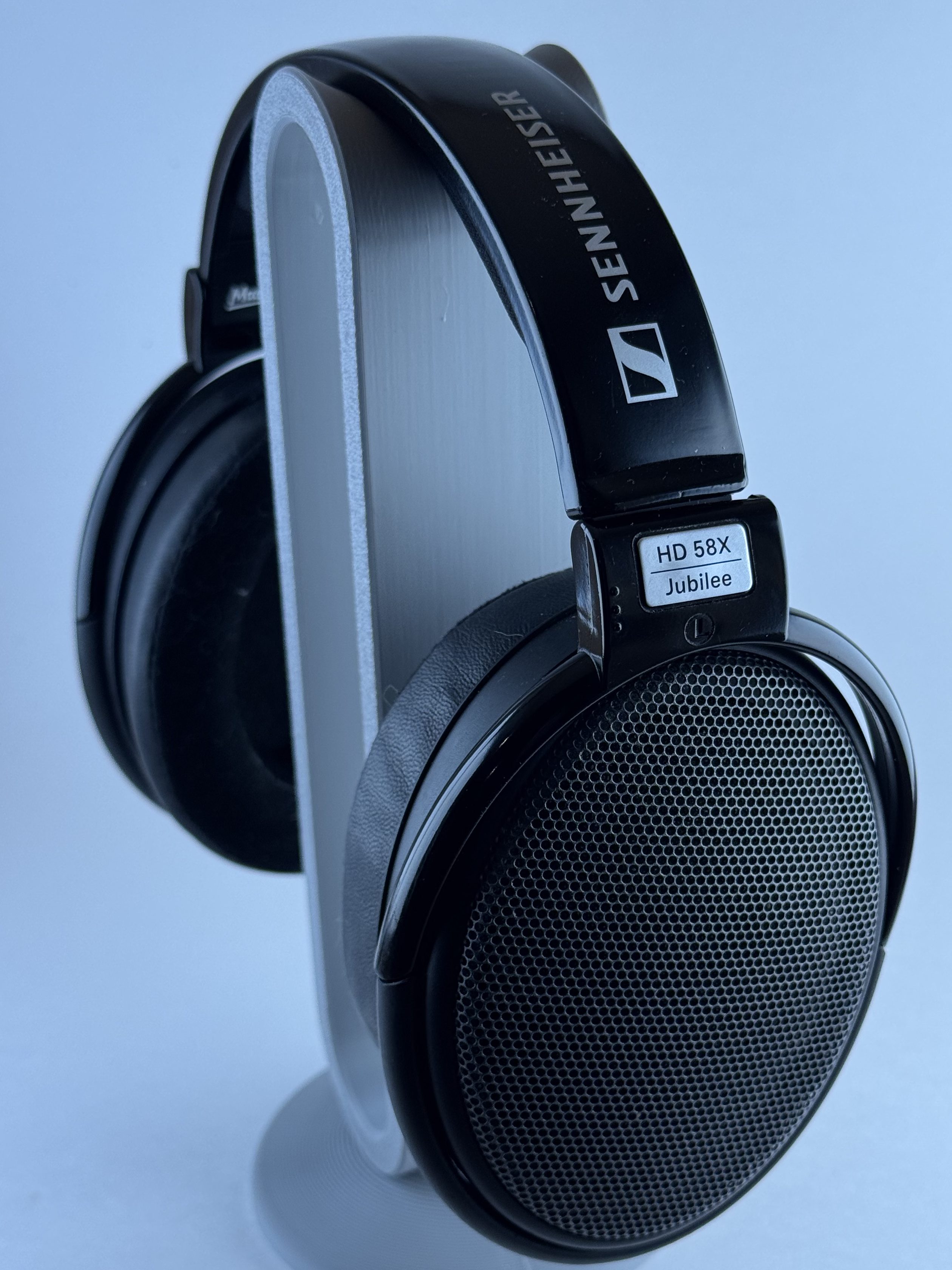
I’m still in the critical listening phase with the 58X, but my general sense at this point is that they are a tradeoff compared to the 6XX/600, giving up some resolution and details in exchange for a very nice bass and treble tune, with perfectly nice Sennheiser-style mids. They’re definitely bassier than even the 6XX, though not aggressively so, and the overall sound is just … very pleasant. There are some tracks that will benefit from the 58X over the 600 (particularly ones with less stellar mastering that may suffer with the exacting detail retrieval of the 600).
The 58X regularly retails for $199, $20 under the 6XX’s default price point, and that’s a reasonable value proposition, particularly for people who don’t like the bass-light tuning of the 6XX. When the 6XX is on sale, like it is now, for $179? It’s a much harder sell.
That said, the 58X isn’t a headphone in search of a niche like the 660S; there’s a clear population for whom the 58X are going to be the better headphone. I’m just not one of them.
Beyerdynamic DT 990 Pro
I really liked the Beyerdynamic DT 990 Pro back when I first started getting into headfi. The consensus at the time was that the 990 was a great studio-style open-backed headphone. The consensus was … well, wrong, and I hadn’t heard enough good headphones to know any better myself. I’ve updated the review since.14
Here’s the short version: the 990 have excellent soundstage, great comfort, reasonably good build quality, pretty good layer separation, good mids (especially the human vocal range, especially with people talking normally), and a wonky-ass tuning that makes those strengths pretty much irrelevant to me. Suprisingly few people have measured both the DT990 and the HD600, so I can’t vouch for this particular measurer, but … :
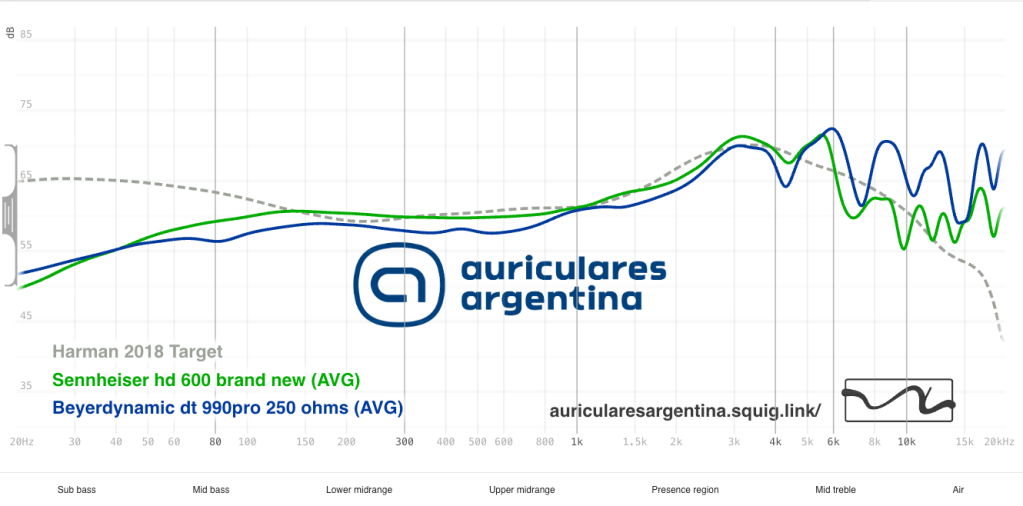
Yeah, the DT 990 just aren’t for me.
Fiio FT1 Pro
This is a really interesting comparison, and one that I wish I could do a direct A/B right now.15 The FT1 Pro addresses some of the HD600’s shortcomings, namely the distinctly weak bass. It combines that with a slightly spicier treble, but not to the point where it’s problematic for me. I did a pretty extensive comparison between the FT1 Pro and the 6XX in my FT1 Pro review , with the 6XX coming out slightly ahead for me. With the 600 … it’s likely to be a much closer shootout.
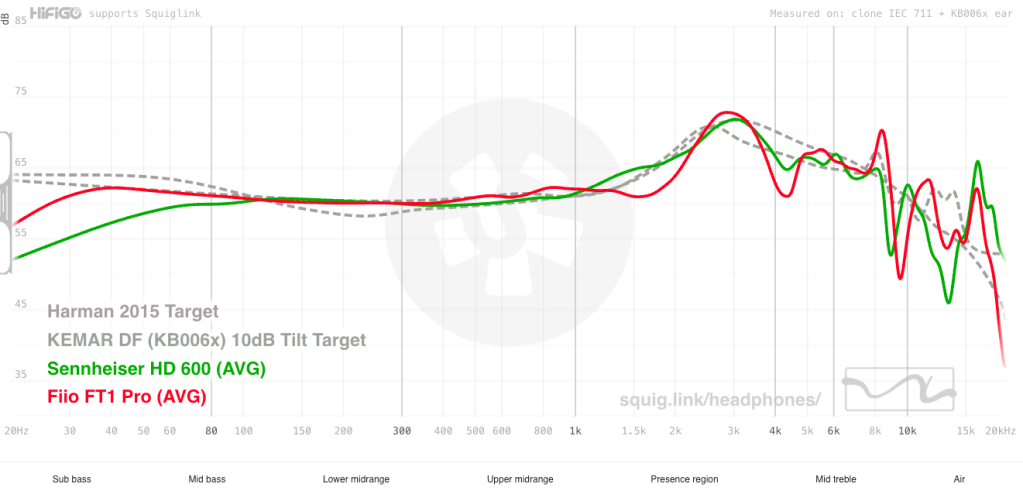
It’s really interesting to me that the FT1 Pro has slightly more emphasized mids than the 600, though I expected the bass and treble to be slightly more emphasized. This is defintely worth doing some A/B’ing with.16

Hifiman XS
I’m definitely choosing the HD600 over the XS; both benefit from a little EQ (adding a bass shelf for the 600, taming the treble on the XS), but I find the HD600 much more comfortable for extended listening. They’re at pretty similar price points these days, so it’s a pretty easy call for me.

Super* Review’s graph here:
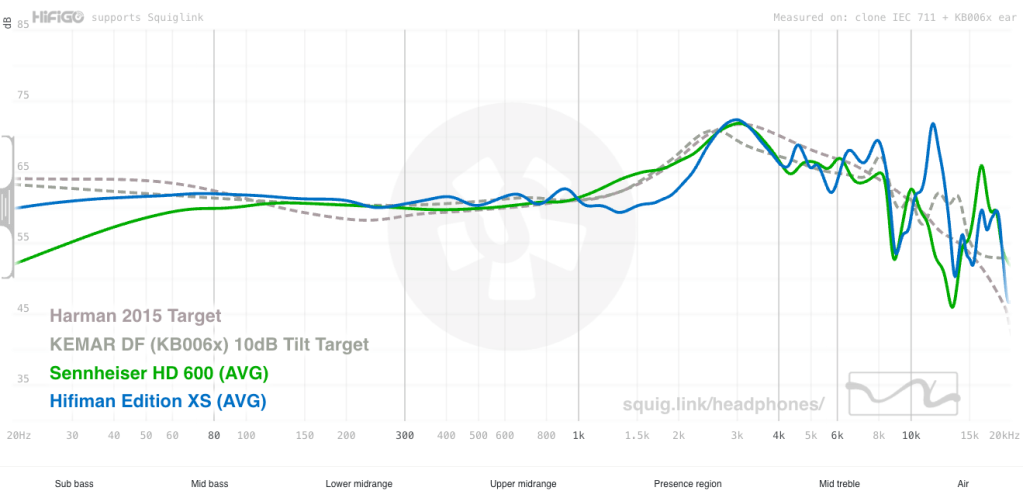
Yeah, there’s a reason I picked the HD600.
Meze 105 AER
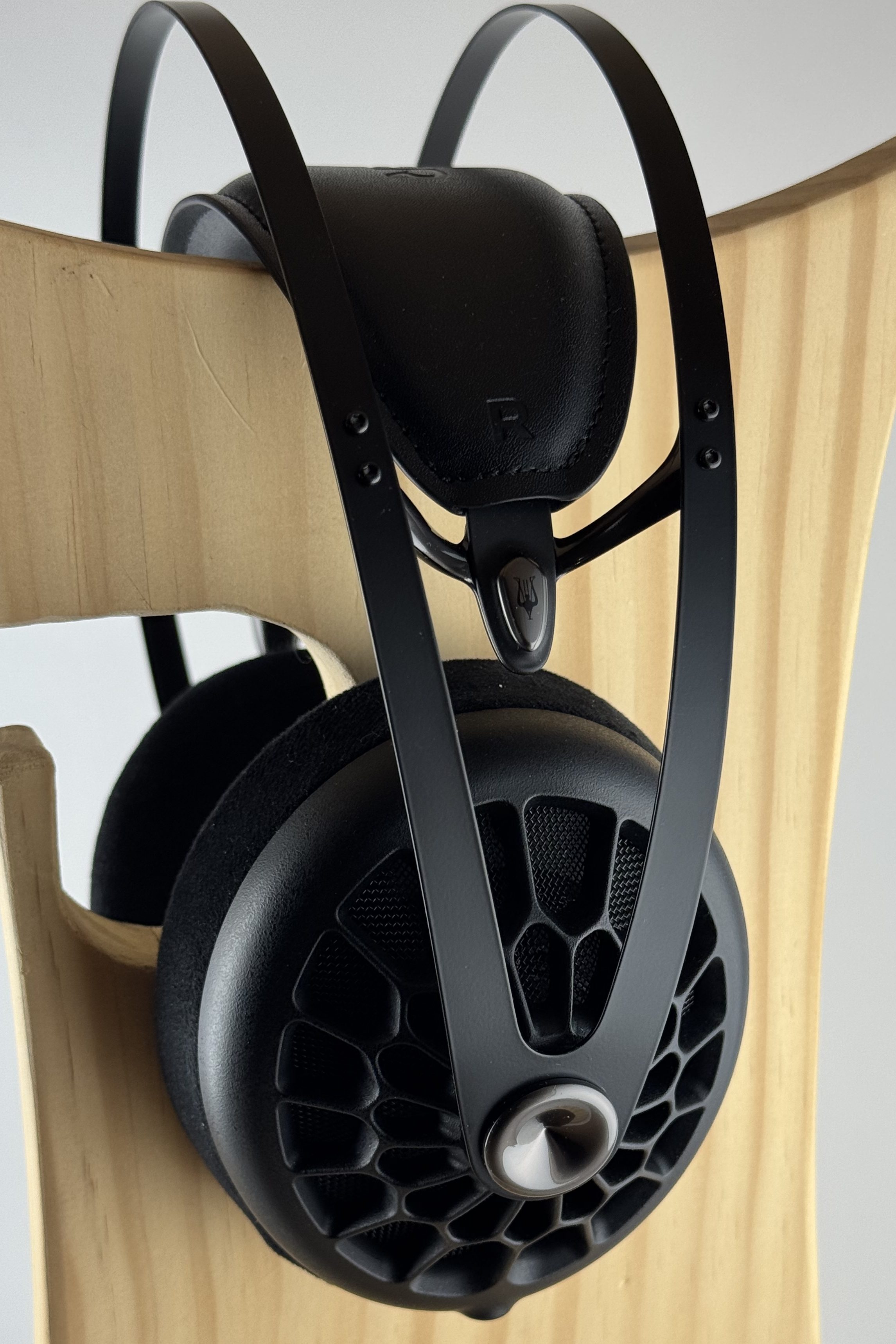
In my review of the Meze 105 AER, I picked the AER over the 6XX for almost everything (except for maybe some vocal-centric music). Given how close the 6XX and the 600 are to me, and with the AER specifically addressing some of the shortcomings of the 600 (especially in the bass), I think it’s not surprising that I’m taking the AER over the 600 as well. The AER have better bass and treble performance (at least to my personal preferences, with the exception of a couple of slightly weird spots), are pretty competitive in the mids, and are one of the most comfortable headphones I’ve ever worn. The 600 are definitely cheaper ($280ish vs. almost $400), but you can probably find an open-box AER for around $300 and I’d take that option.
Super* Review’s graph largely aligns with those perceptions:

Overall
The HD 600 are an excellent all-around reference headphone. Really, the only nit I have to pick with them is that they’re not quite the 6XX, and they’re almost a hundred extra dollars right now with the 6XX on sale for $179 again. If you can get them for a good price, or if you’re a treble fan (or you listen to a lot of older jazz or classical music without tremendous bass), you might well prefer these particularly if you can get them used. Ditto for people who live outside the US, where getting a pair of the 6XX can be either very expensive or just plain impossible.
They’re great headphones. I’m going to miss them a lot, and I won’t be surprised if I end up picking up a used pair at some point in the future. At the moment, though, I can’t justify keeping them given my strong preference for the 6XX (and the sheer number of good open-backs I have in my collection at this point).
#reviews #headphones #sennheiser #6XX #anc #spatialaudio #meh #2025 #99noir #meze #sunglasses #overear #cans #hifiman #arya #stealth #editionxs #budget #hahahaha #iems #quickreview #600 #650 #58X #jubilee
- I score bass, mids, and treble on a two part scale: 1-5 for quantity (5 being the highest), and A-E for quality (A being best in class, E being laughably bad). For soundstage it’s also a two part scale, with the number representing the width and the letter the separation within it. ↩︎
- For comfort/fit, my scale is A-E with A being disappear entirely into the background and E being I want to tear my ears off to stop feeling these headphones on my head. ↩︎
- I do have a sheet of basic scores and truly brief notes on most of the IEMs I’ve tried here: https://daemonxar.com/2025/06/03/phils-sheet-of-iem-goodness/ ↩︎
- Yes, this is how the Mojo 2 measure volume. It’s … unique. ↩︎
- A prior version of this review said that I couldn’t get to a comfortable volume with the Apple dongle; turns out that Roon Arc on an iPhone was applying a headroom management pregain that pushed it down too quiet. Running via Apple Music, it’s fine. Other than the HE6se v2, I haven’t had a pair of headphones it couldn’t drive. ↩︎
- Both were the brainchild of designer Axel Grell. ↩︎
- The HD 650/6XX/660S/660S2, etc. ↩︎
- I think the difficulty of driving the 600 series is often overstated, but it is true that the 600 is lower sensitivity than both the HD 650/6XX and the 660S/S2. They’re one of only two pairs of headphones I’ve owned that the North American Apple dongle DAC can’t adequately drive. ↩︎
- This is easily corrected with a slight tweak via EQ, though. ↩︎
- Slash 6XX. ↩︎
- In case you don’t know, most Macs made in the last few years have high-impedance headphone jacks. This won’t necessarily help with very low sensitivity headphones, but high-impedeance, medium to high sensitivity headphones will get plenty of power from a modern Mac’s headphone jack. ↩︎
- See the discussion of pad wear on the 600 series here ↩︎
- https://daemonxar.com/2025/09/05/sennheisers-hd-660s-a-newish-twist-on-an-old-classic/#hd-600-650-6xx ↩︎
- https://daemonxar.com/2023/03/11/beyerdynamic-dt990-pro-250-ohm-edition/ ↩︎
- My FT1 Pro is on loan to a friend (in exchange for the 58X, incidentally), and the HD600 will be shipping out later this week. Maybe sometime in the future, these will both end up back in my collection at the same time. ↩︎
- Unfortunately, I have now traded my HD600 for a pair of original Focal Clear open backs (review forthcoming). ↩︎
 Phil's Superpower of Enthusiasm
Leave a comment