[ORIGINAL MSRP $499. Available from Amazon for $159, or directly from Hifiman (though don’t buy from them) for $179 new, $139 refurbished in December 2025. Borrowed from a friend for review.]

[Tl;dr: I’m really quite impressed by the Hifiman Sundara, particularly for a four year old product in the very crowded, competitive open-back headphone market. Especially for a Hifiman product, it’s very nicely tuned and pleasant. I personally prefer it to the Edition XS for most of my use cases, and it’s surprisingly competitive with headphones I have really, really enjoyed and reviewed positively. If they update the product in the future, I’d be very interested. As is, I’ll add it to the list of things I’d consider taking in on trade as I rotate my collection.]
Cost-agnostic: 7 out of 10 Denalis
Cost-sensitive: 8 out of 10 Denalis
TABLE OF CONTENTS:
- Introduction
- Review notes
- The Basics
- Sound
- Amplifier Compatibility
- Build Quality & Appearance
- Value & Comparisons
- Overall
Introduction
Back in 2017 and 2018 when I was first getting serious about hifi and headphones, there were two pairs that were recommended almost anytime someone asked about getting a first pair of serious, open back headphones: the Sennheiser x Massdrop (now Drop) HD 6XX and the Hifiman Sundara. I had a vague sense of loyalty to Sennheiser at the time3, and the 6XX was MUCH less expensive ($199.99 vs. $499), so I went with the HD 6XX as my first serious headphone. And I loved4 it. At that point in my life I couldn’t comprehend paying almost $500 for a pair of headphones,5 but I was still interested in the Sundara, and this new-fangled (to me) technology of planar magnetic headphones. I took an opportunity a few years later to listen to one … somewhere? My takeaway at the time was that the treble was very much not for me, and I mostly wrote off Hifiman as a company. Then I bought a house of my own, and largely made the jump to speakers for half a decade, .
When it became ‘clear’ to me in 2024 that I was likely to go back to being an apartment dweller for work reasons (lolsob, silly Phil), I started listening to headphones again pretty seriously in preparation for a quieter lifestyle.6 I’d also moved up in the world a bit, financially, so I started exploring some headphones in what I would call the midfi tier7: namely, the Meze 109 Pro and the HifimanArya Stealth. I liked the Arya enough that I was curious about their newer “entry level” headphone, the Edition XS, which I also (mostly) liked. A few months ago a friend lent me the Sennheiser 660SI reviewed and threw in the Sundara we’d talked about a few years ago when he joined the audio community. So I decided to give them another, extended, shake, and I’ve been listening to them more than anything else (other than, maybe a pair of Golem-modified Capra Ouroboros) for the last month. Color me very impressed.
Review notes
Testing rig
Based on my philosophy on the allocation of resources in headfi, except where otherwise noted I’m going to primarily be testing these with a Schiit Modi/Magni8 stack, running single-ended via a Hart interconnect and connected via USB-C to a custom gaming PC running the Roon client.
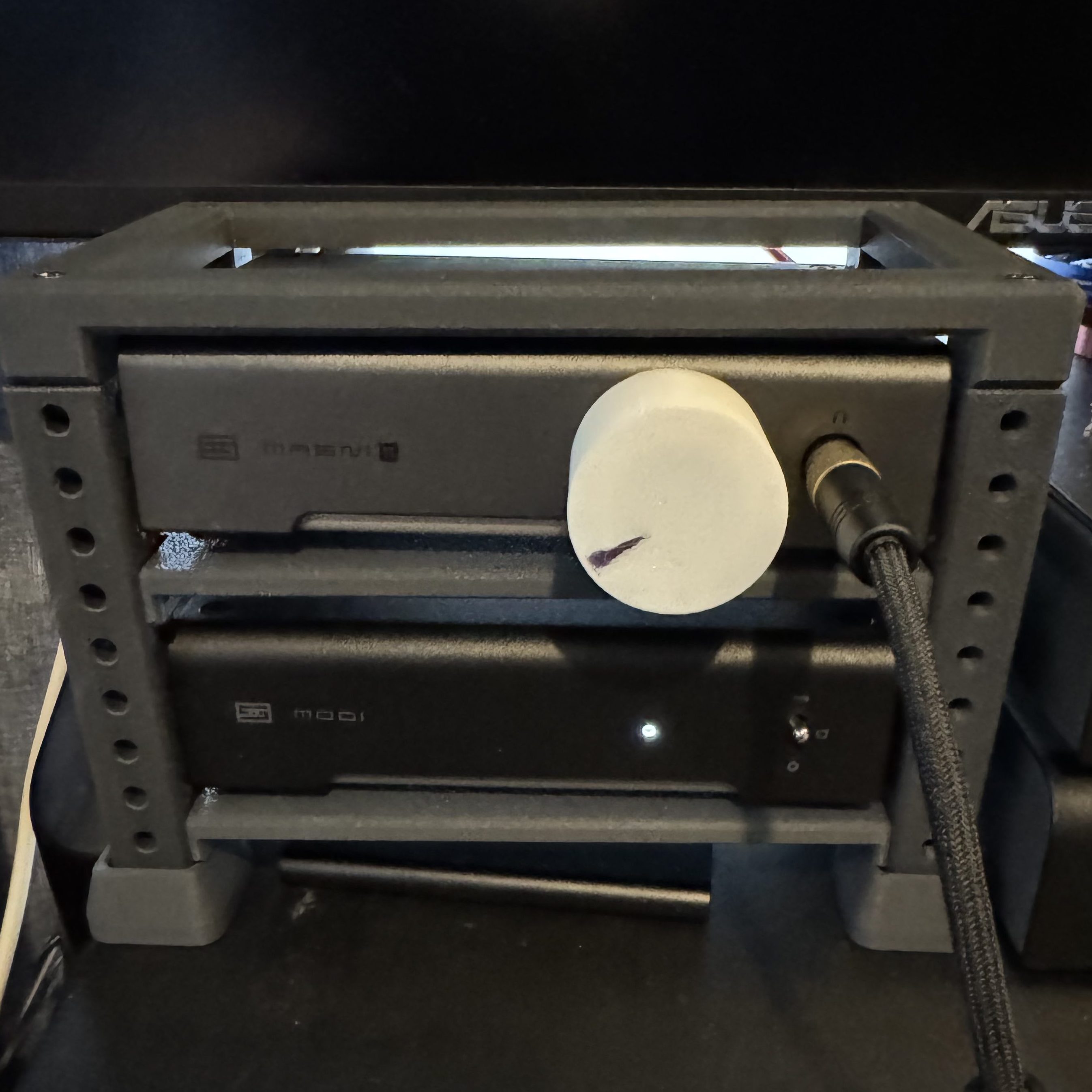
EQ
As noted in the Bathys review, I mostly prefer to test headphones with their default tuning, assuming that most people won’t take the time or make the effort necessary to use a third-party EQ. And the Sundara really don’t need EQ; they sound pretty good to me out of the box, though I have played with EQ a bit on the treble.
EQ Update
[EQ Update: I’m really enjoying Amir from ASR’s Sundara EQ profile:
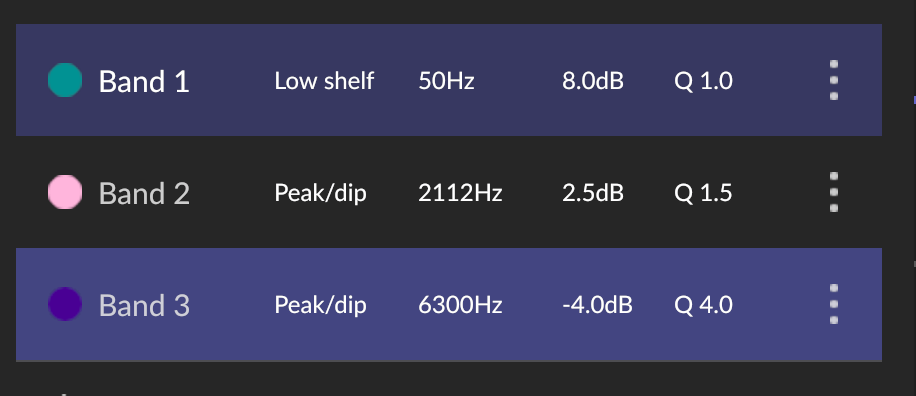

The Sundara don’t *need* EQ but it fixes a couple of little issues, and man the soundstage is awesome this way.]
Volume
Here are the volume settings I use with the Hifiman Sundara (unless otherwise noted, running via Roon with no headroom management, playing Daft Punk’s “Face to Face” from Tidal):
- Mimir/Jotunheim 2 (Mimir has a -15 dB pregain applied via Forkbeard): low gain, 11:00 (balanced); low gain, 12:15 (single-ended)
- Modius/Magnius: low gain, 11:00 (balanced); low gain, 11:30 (single-ended)
- Modi/Magni: low gain, 8:45
- Fulla: 10:00
- E30/L30: lowest gain, 11:45
- Chord Mojo: white, red, red, red3
- North American Apple dongle via iPhone 15: 75%
- Apple dongle via Mac Studio: 60%
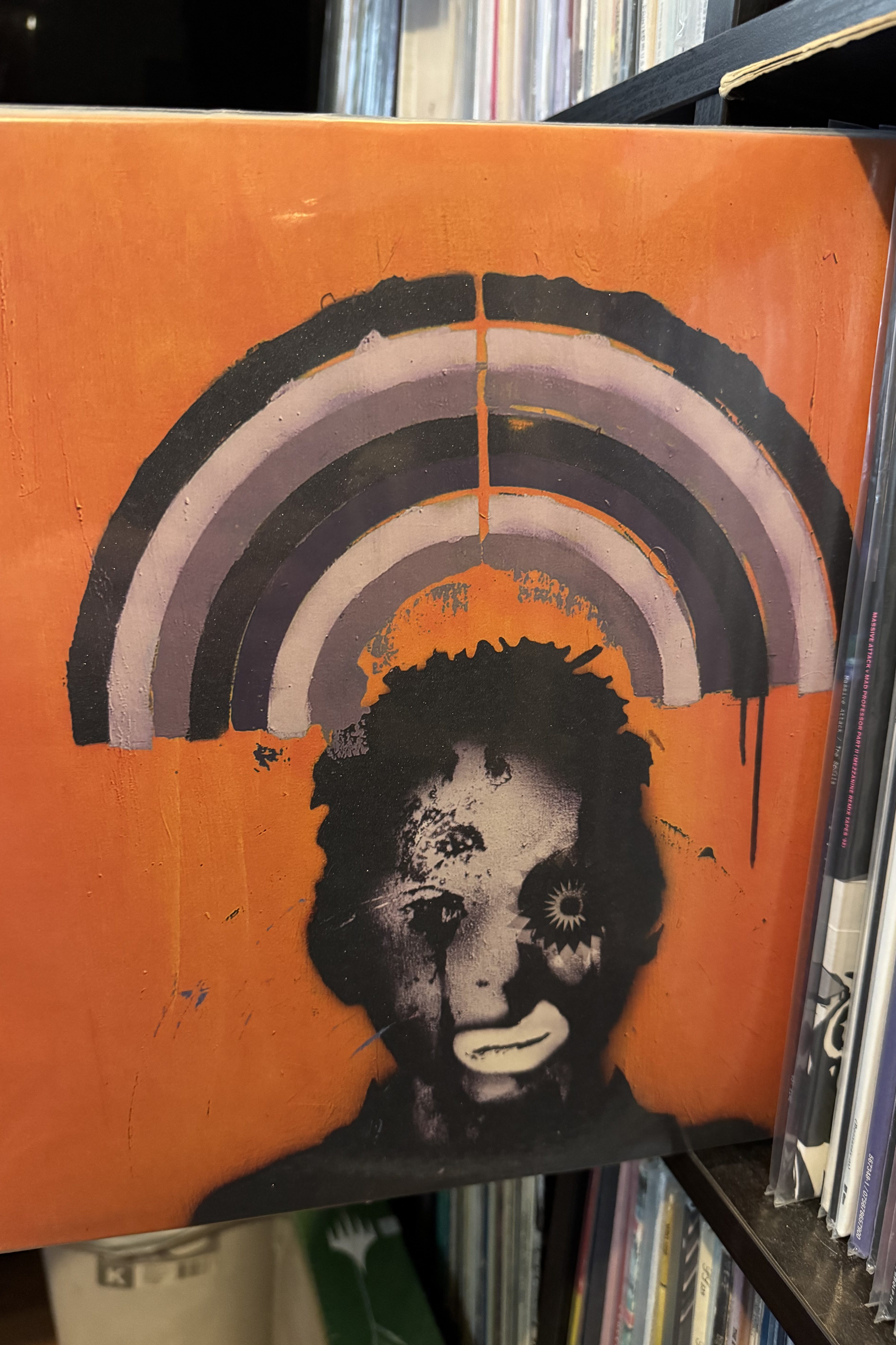
My torture testing list
The Basics
The Hifiman Sundara, not to be confused with the (pretty terrible) Sundara Closed, is an open-back planar magnetic headphone manufactured by Chinese manufacturer Hifiman. They were released to much fanfare in 2017 with an MSRP of $499. They’re a low impedance, medium sensitivity headphone at 32 Ohms and 92 db/mW, meaning they’ll run pretty well from almost anything you plug them in to. They’re built largely out of metal, resulting in a weight of around 350 grams. Like most (if not all?) Hifimans, they rely on a 3.5 mm dual-entry cable, making them broadly compatible with both single ended and balanced aftermarket cables, including those designed for Fiio, lower-tier Meze and Focal, and many other common audiophile headphones.
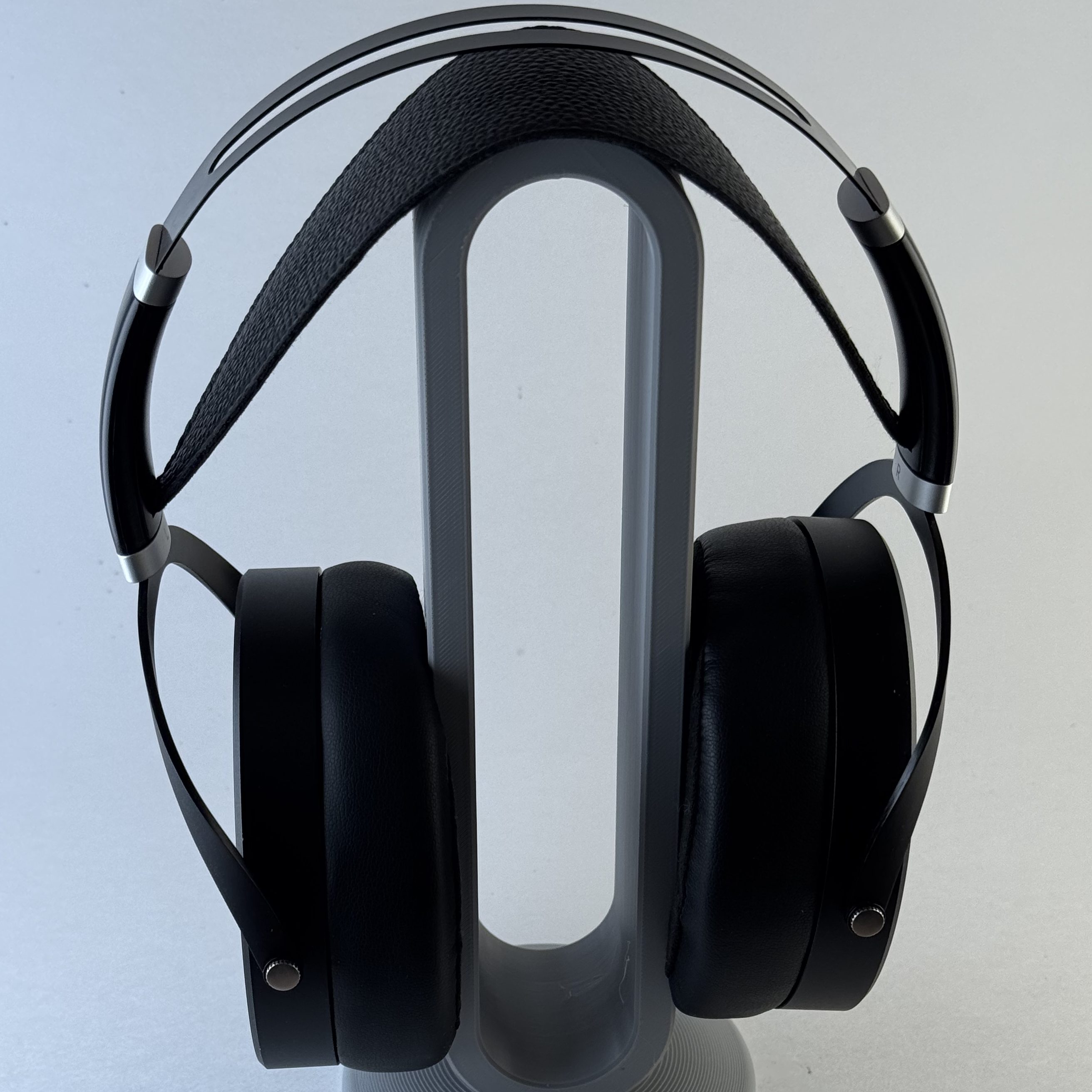
While they initially sold with an MSRP of $499 in 2017, they dropped to between $300 and $350 by the middle of 2019. They received some updates in 2022 that appear to affect sound minimally, though packaging changed substantially and the impedance was adjusted from 37 Ohms to 32 Ohms.9 They’re generally consider a neutral or objective tune.
In 2021 Hifiman released the Edition XS, an entry in their egg-shaped line at a similar price point and with similar capabilities. At this point the community seems to prefer the Edition XS as a whole, making the Sundara a much less frequently recommended introductory option. While I try to make these reviews mostly stand alone without being all about comparison, in situations like this where a manufacturer has two or more similar products competing in the same general price category, comparisons are inevitable (see, e.g., my 6XX/600/660S/58X reviews).
Sound
The Sundara are a pretty neutral tune, though they can edge into brightness on specific tracks. I’m generally very pleased with their soundstage; though they’re not quite as wide as something like the Arya Stealth, they’re wide enough that I occasionally think something in the mix is something in the real world around me. They’re definitely stronger right-to-left than they are front-to-back; the guitar at the beginning of “Love Can Damage Your Health (Laid Mix)” sounds more like a pan than a rotating sound, but the guitar does get pretty far out both right and left. The tom pattern in the chorus of “Thunder Lightning” does a great job tracking across the channels as well as within each channel.
One of the oddities of the Sundara is that, at least to me, they sound … almost distant? Vocals are often front and center, but a lot of the instrumentation feels separated from the listener; not so much any specific instruments, but the whole field. Almost like you’re listening to performers at a distance.
The dynamics are very well done; starting at a comfortable volume on “It’s All So Incredibly Loud” gets you to an uncomfortable place by the end, though it’s not as dramatic as something like the Meze 109 Pro. The microdynamics are also generally pretty excellent, though more pronounced in the treble than the bass. On a track like “Angel (Blur Remix)”, the bass bell tones are present but not as sharp as the more treble-range tones, and on “Intro” the trumpet peals come through precisely and as sharp as I’d want them to without becoming harsh or over saturated.
Overall, I certainly enjoy the detail and resolution on the Sundara, though for me this is a headphone that shines with sparser, less busy tracks and can struggle a little bit on mixes that are crowded or complex. This is in interesting contrast to their sibling, the Edition XS, which excels with louder, busier tracks but whose flaws are more easily exposed on quieter, simpler tracks. Because I tend towards less boomy, more sad dad music, the Sundara is more my style but also faces stiffer competition in my collection from things like the Sennheisers.
I personally really enjoy the bass tune on the Sundara. Many people will likely prefer the slightly more emphasized bass on the Edition XS, but as a long-time fan of the Sennheiser 6XX, it works for me. It’s clear and precise, and only rarely edges into thumpiness or adds a hint of splatter on tracks like “Coffee.” They start to suffer a little more on a track like “Superpredators” (to be fair, a track which challenges even much more expensive headphones) where the bass is broad spectrum and complex, but they handle Q-Tips riffs on “Got ‘Til It’s Gone” better than a lot of their competition. Overall, I’d say that the bass is surprisingly nimble and tight with isolated bass tracks (especially for what amounts these days to an almost budget headphone), but struggles with tracks with crowded bass lines.
The midrange on the Sundara are perfectly nice, if not as strong as something like a Sennheiser 600 series headphone. Christine Hoberg floats through “Clair De Lune”, though I’d rather she be a little more forward, and Amelia Meath’s voice cuts through nicely on “Coffee.” Jill Scott disappears a little into “Calls” when the instruments really get going in the second half, but that’s not an uncommon problem for almost anything other than Sennheisers. The timbre for male vocals can feel a hint compressed and metallic on tracks like “(No One Knows Me) Like the Piano”, but it’s not enough to be distracting. Instruments in the midrange are generally good, though it’s not quite so detailed in its timbre reproduction as to be able to tell the two guitars on “Garcia Counterpoint” apart without relying on stereo separation.
The treble on the Sundara, interestingly, really works for me most of the time.10 Very occasionally something like a cymbal or high hat will strike me as harsh (the high hat pattern on “Love Can Damage Your Health (Laid Mix)” is one), but it’s rare and mostly I just notice cymbals in tracks a little more than I do with other headphones. As an example, I’ve listened to Massive Attack’s cover of “The Hunter Gets Captured by the Game” conservatively a few hundred times. I was unaware until today that there’s a high hat pattern in the right channel throughout the track.
Beyond that, unless I really crank the volume up, I have no problems with Miles Davis’ solo in “Will O the Wisp” or the guitar riff in “2021”, my go to for spicy treble testing. You do get the the jangle-y guitar counter-melody on “Fresh Tendrils”, even on a DAC/amp other than the Mojo 2.
One last note on sound because it doesn’t really fit anywhere else: I think the Sundara may be my single favorite headphone to listen to guitar specifically on, both acoustic and electric. There’s just something about the way they reproduce Andy Summer’s arpeggiated riffs on “Every Breath You Take”, the electric guitar riffs on Volcano Choir’s “Bygone”, and All Tvvins playing “Thank You” live at Asylum Studios … I don’t know why. I don’t know how. But there’s a richness there that I don’t recall anywhere else. I don’t listen to music for guitars, generally. But if I ever am … these are the headphones for that.
Amplifier Compatibility
The Sundaras appear to be largely amp-agnostic. I did most of my listening to them for this review on the Schiit Mimir/Jotunheim 2 stack on my desk, and while I’m a usually a little skeptical about amps making a substantial difference in sound, I think they sound a little fuller via the Jotunheim than the Piety/Magni. Either way, this is a pair of headphones that can stand up to a pretty good quality amplifier without being over exposed. Even the Chord Mojo 2 sounds good with the Sundara, unlike the Edition XS which takes on a slightly metallic edge in the mids and treble when paired with that DAC/amp. They even sound perfectly nice with the Apple dongle or JCALLY JM6/12, though I do think these are a pair of headphones that benefit from a little more power.
Your mileage may vary, but I haven’t noticed a difference running balanced vs. single-ended.
Build Quality & Appearance
I’m generally pretty pleased with the design, build, comfort, and appearance of the Sundara.
Connectivity
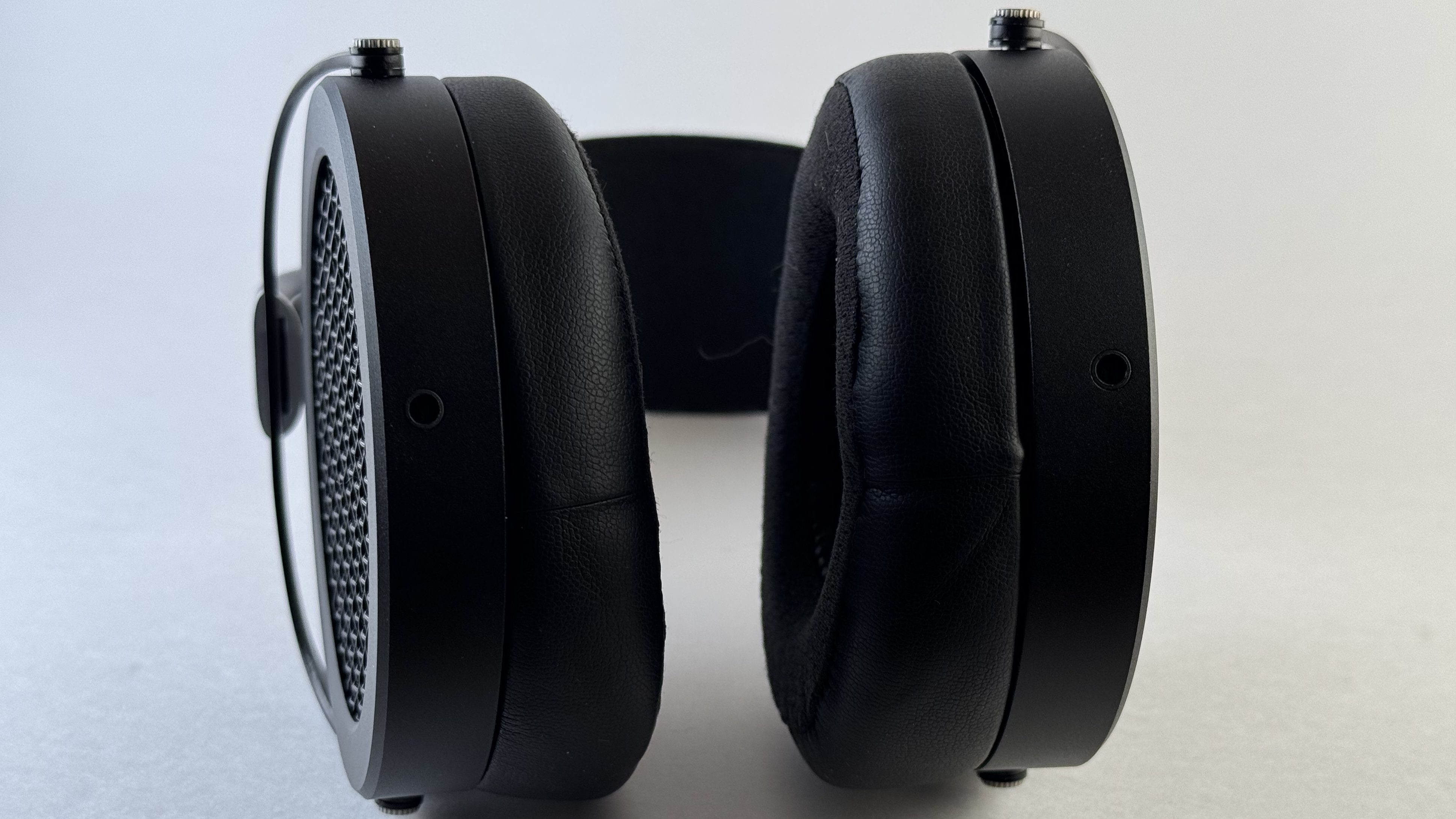
Like most (or all?) Hifimans, the Sundara are powered by a common dual-entry 3.5 mm, balanced-capable cable. It ships by default with a pretty meh cable that terminates in a 3.5 mm connection with a 6.35 mm adapter, but because it’s a standard cable you can use a variety of aftermarket and other audiophile manufacturer cables with them. On the pair I’m reviewing, the jacks are a little stiff (particularly on the right cup), which can make getting full insertion mildly challenging. The jacks are also flat against the cup’s rim, making them potentially at risk of damage if dropped (unlike something like the Focal Elex or Meze 109 Pro, which recess the jacks slightly to provide a little impact protection).
Construction
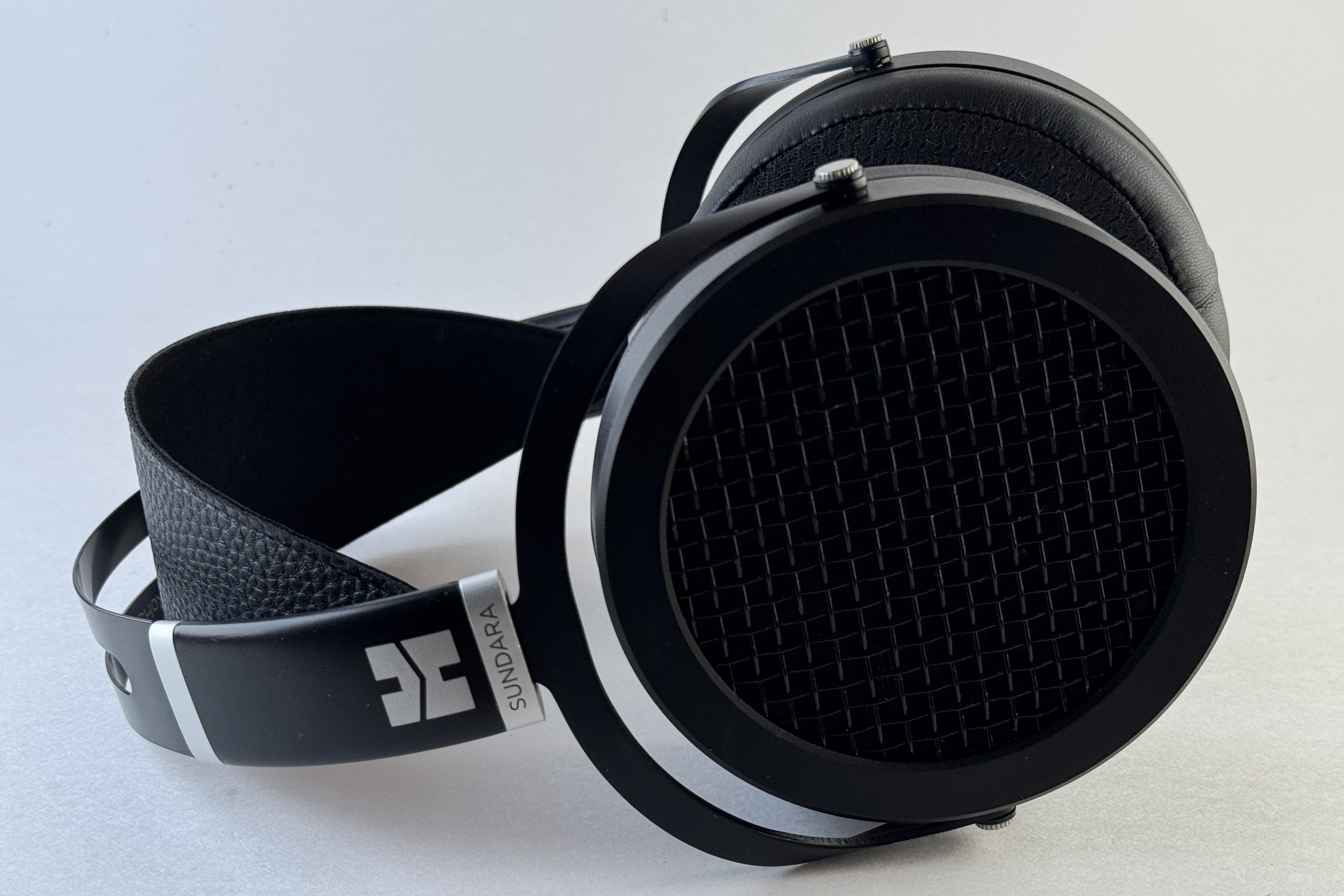
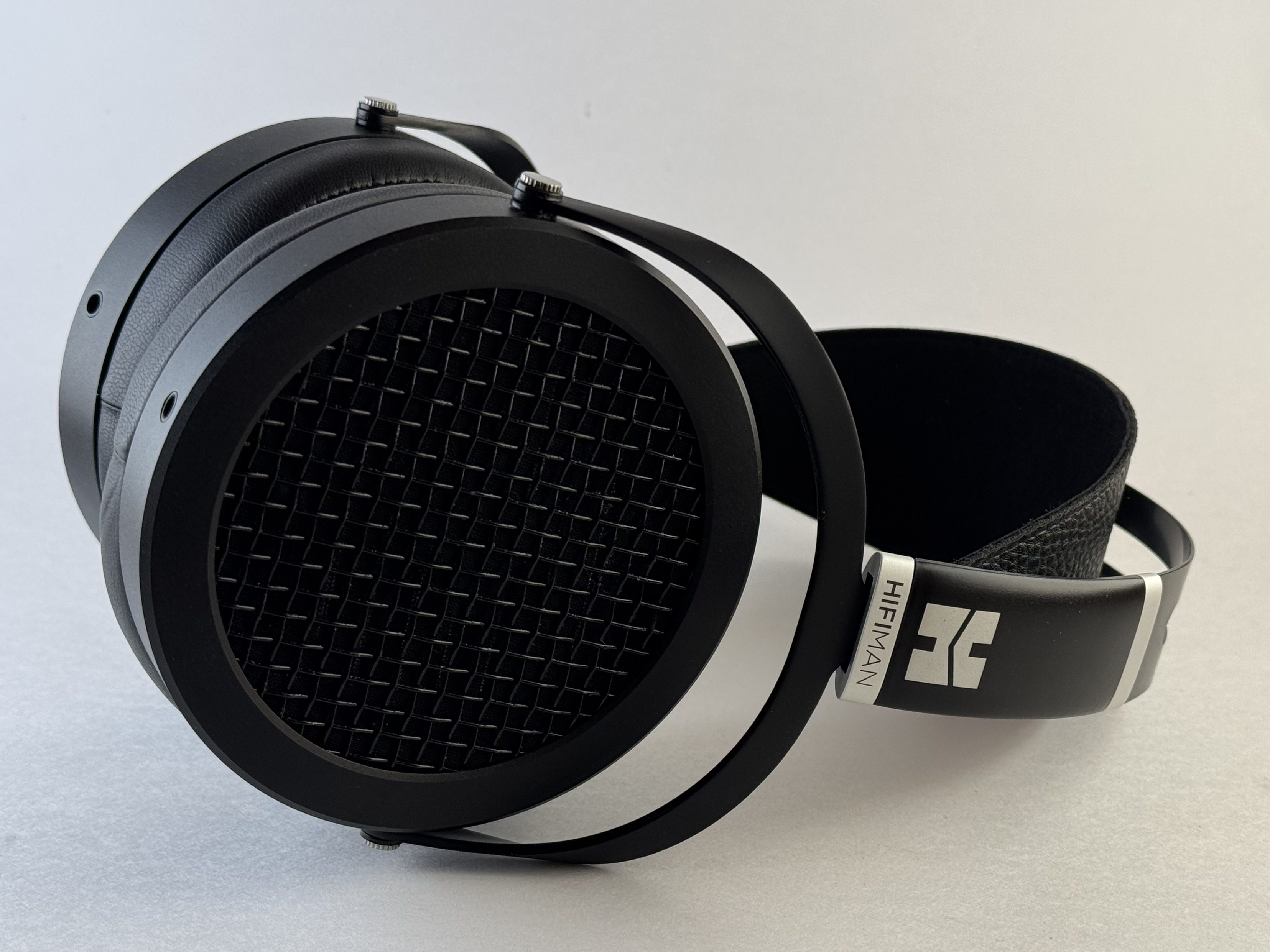
The Sundara are built primarily out of metal and pleather. Nothing on them feels like plastic, and they are a very solidly built headphone. I’m certainly not going to test them out, but they feel like they’d have pretty good impact resistance (with the caveat that the jacks aren’t protected at all). They are part of Hifiman’s round cupped series, rather than the egg shaped line that includes the Edition XS and Aryas.
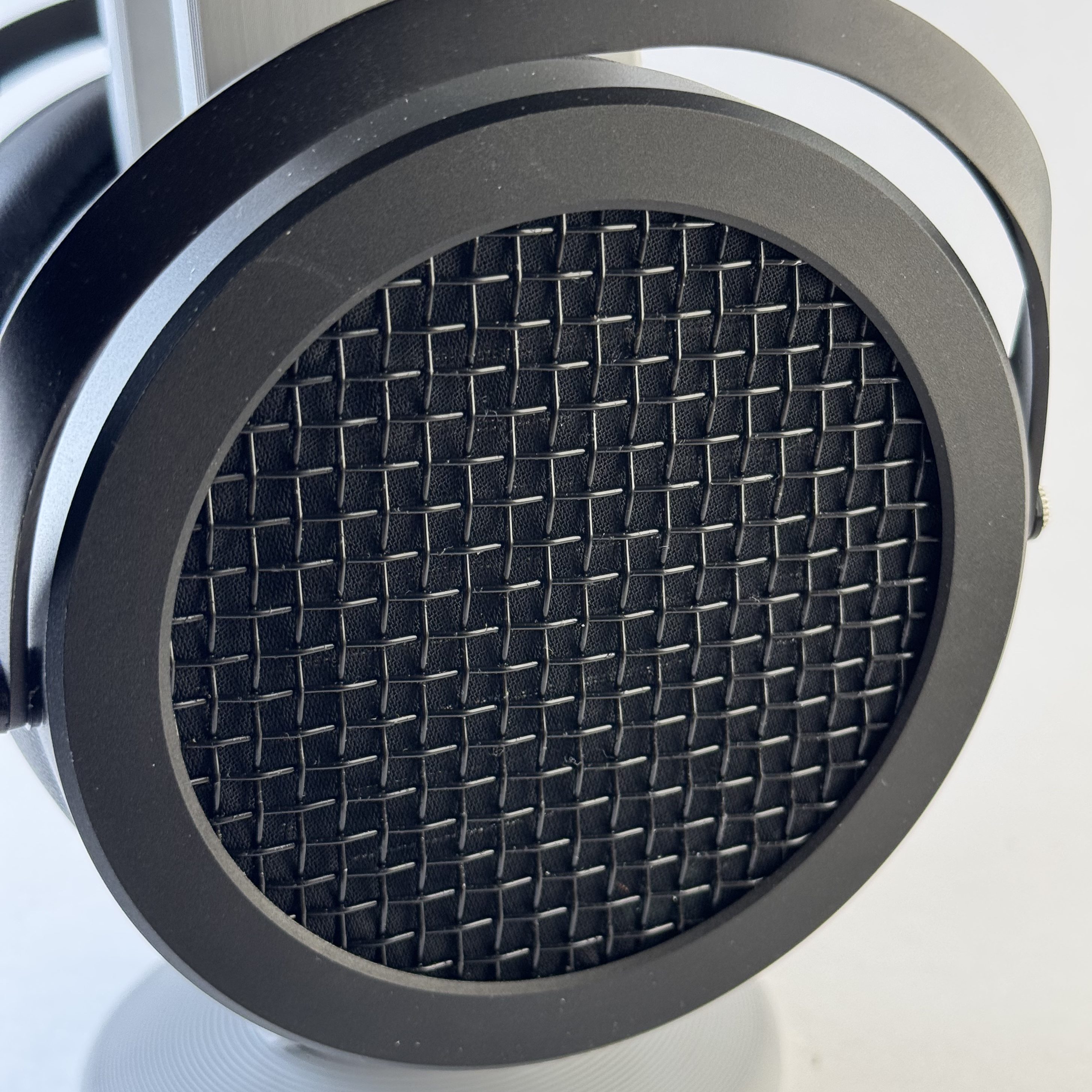
The band is springy metal with a pleather suspension strap that does not adjust. The cups are some sort of machined metal, and the backs of the cups are a textured metal grill that’s surprisingly not microphonic. The earpads have pleather outer sides and a nice, soft fabric surface where they contact the head. They’re not particularly deep, but they’re deep enough that while my ears periodically brush the driver grills, it’s not a constant occurrence.
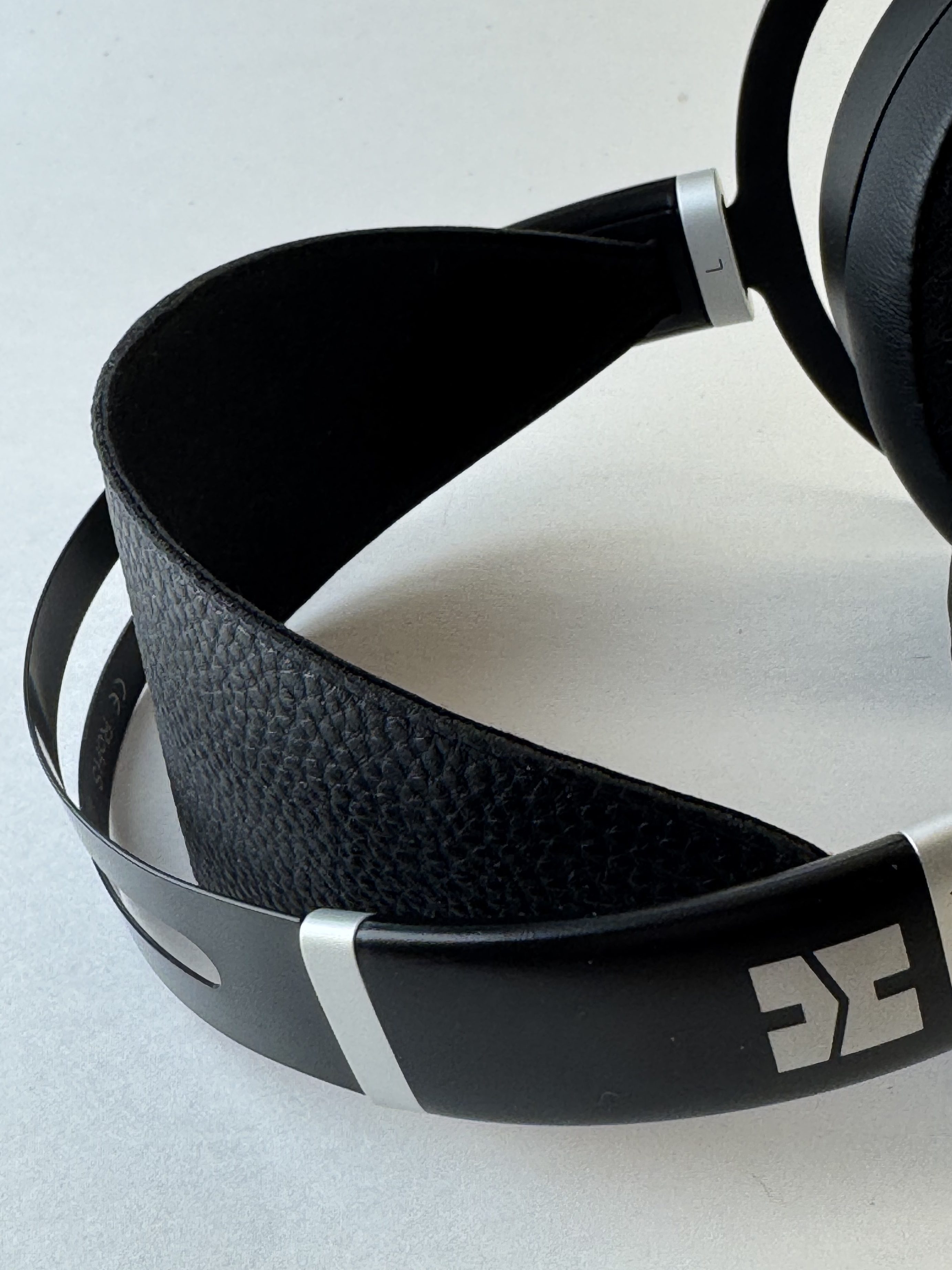
The cups don’t swivel in any direction other than up and down on the yokes, and there’s a hard limit to how much you can adjust the yoke length. For me, with a pretty big head, I’m listening pretty close to as small as I can get them.
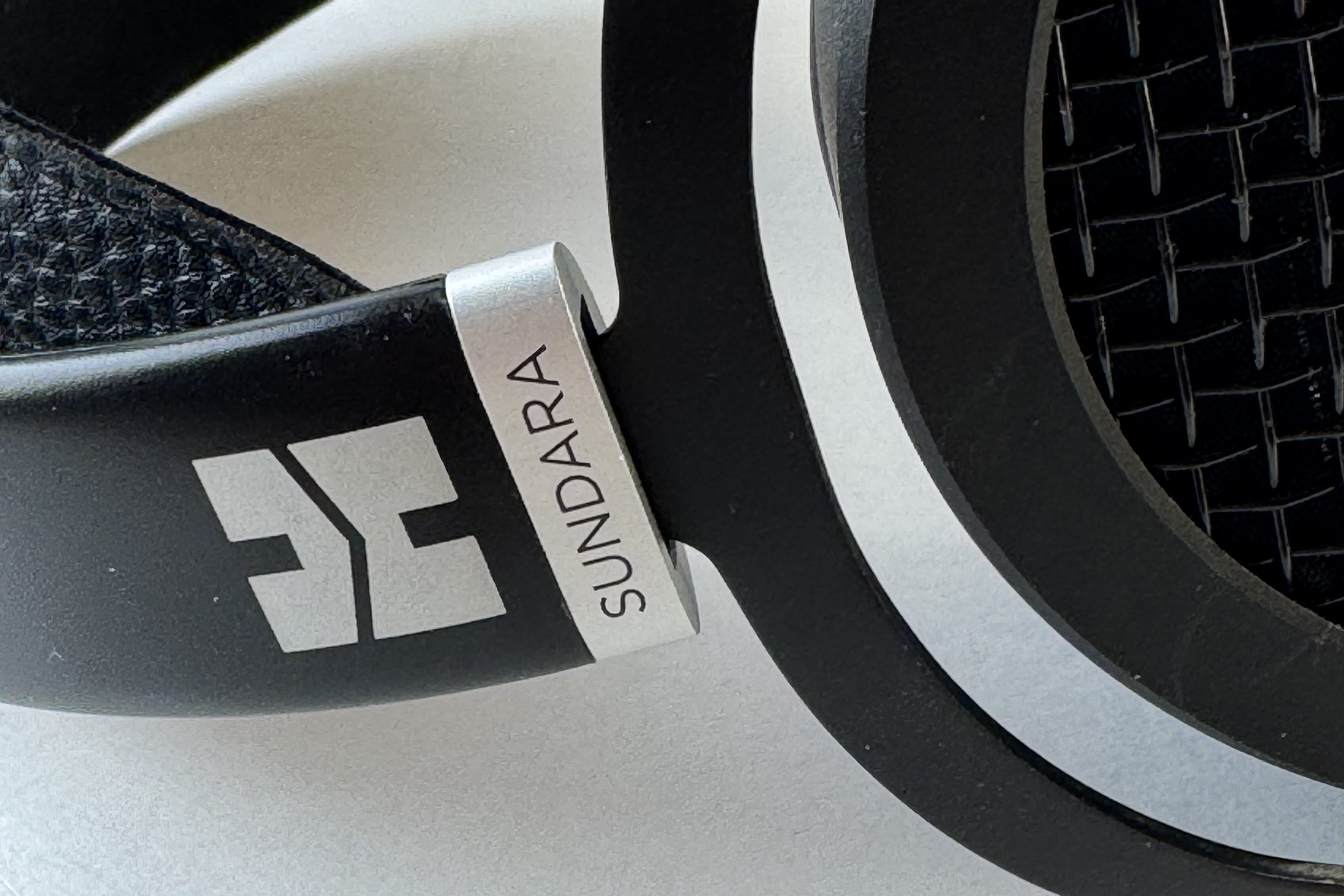
Overall, I’m very pleased with the Sundara’s construction, though I would like some side to side cup swivel and an adjustable suspension strap. Unlike the Edition XS, Arya, or HE-4X, these feel like a very solidly built headphone.
Comfort
I’ll start by saying that I generally fall in the camp of preferring Hifiman’s headbands with a single, padded band (like the HE6se V.2 or the Edition XS) rather than the metal frame with suspension strap that they use on things like the Sundara, Arya, or Audivina. This is particularly true of the Sundara’s, where the suspension strap is permanently affixed to the band and has no adjustment or give. To get a solid, consistent fit I want the cups to sit pretty high up on my ear, and the result of adjusting the temples that way is that most of the weight of the headphones rest on the top of my head. With my … let’s say “increasingly thinning hair,” this gets to be less and less comfortable over longer sessions. The clamp is reasonable for my big head; they stay properly seated even with rapid head movements, but don’t clamp so much as to be uncomfortable.
The cups themselves are reasonably comfortable; while I prefer the egg-shaped Hifiman cups for my biggish ears, these cups are large enough to comfortably accommodate my ears and they’re padded enough to not compress my pinnae in any consistent way.
Appearance
I like the way these look. I think the black and silver is a very nice color combination, and the mostly-metal construction and the frame/strap is attractive in my book. I really like the exterior grill pattern, as well. Overall, a stylish, modern headphone.
Value & Comparisons
As much as I like the Hifiman Sundara and think it’s a pretty good value at its current price point, it really can’t compete with most mid-fi headphones so I won’t be comparing it to things like the Arya Stealth, HE6se V.2, or Meze 109 Pro. Suffice it to say that if you can afford any of those, go that route in lieu of the Sundara. I’ll be comparing these to things that are in a more competitive market with them.
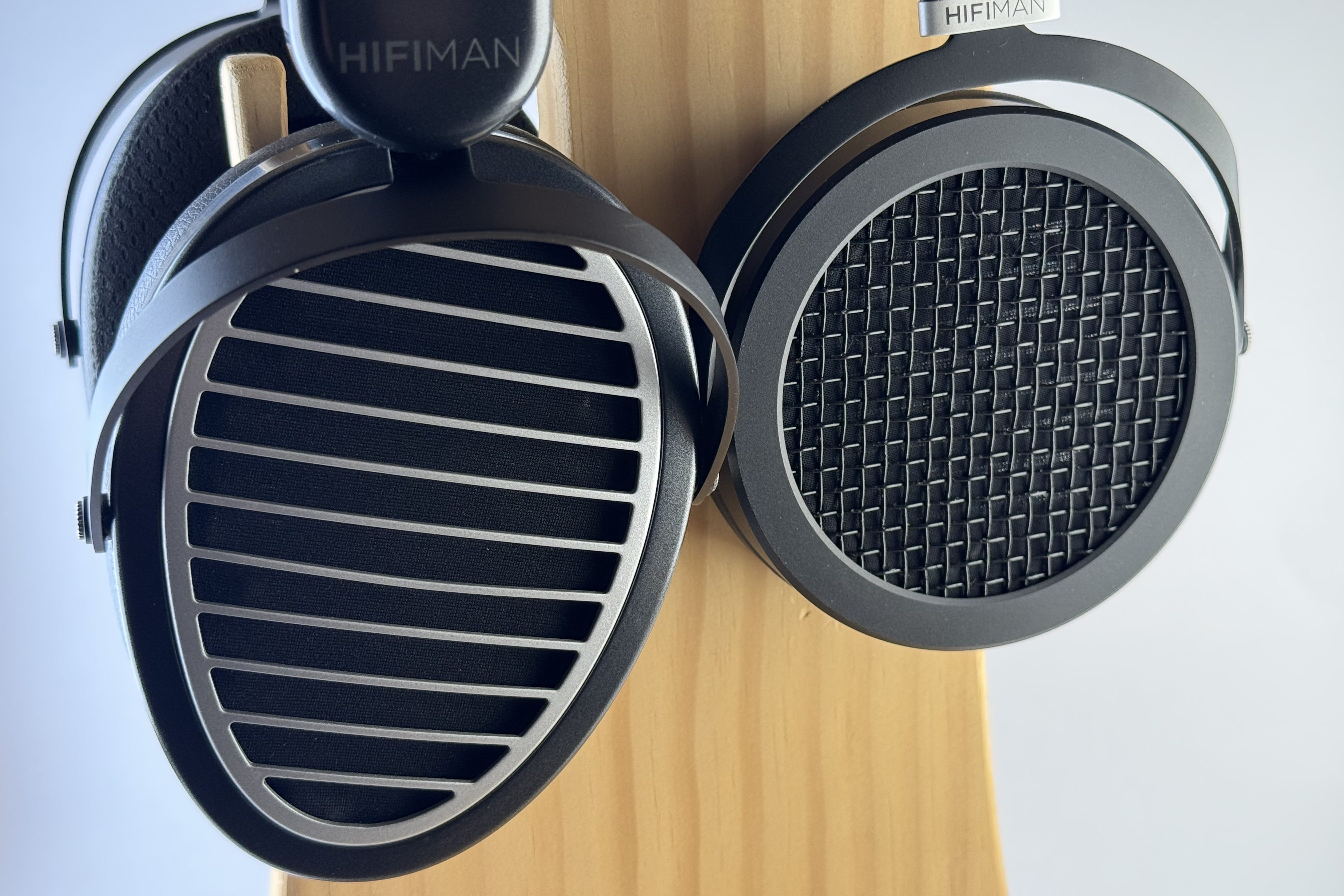
Edition XS
The most obvious point of comparison for the Sundara is its newer sibling, the Hifiman Edition XS. Like the Sundara, the Edition XS is a member of Hifiman’s introductory-ish planar magnetic family, albeit an egg-shaped entry as opposed to the Sundara’s round shaped. Both have a nominal MSRP of $499, and both have been substantially marked down for most of the last year: $179 for the Sundara and $209 for the Edition XS, new directly from Hifiman (but don’t buy from Hifiman). They both fit a similar niche, and are frequently recommended to people dipping their toes into the audiophile pool for the first time.
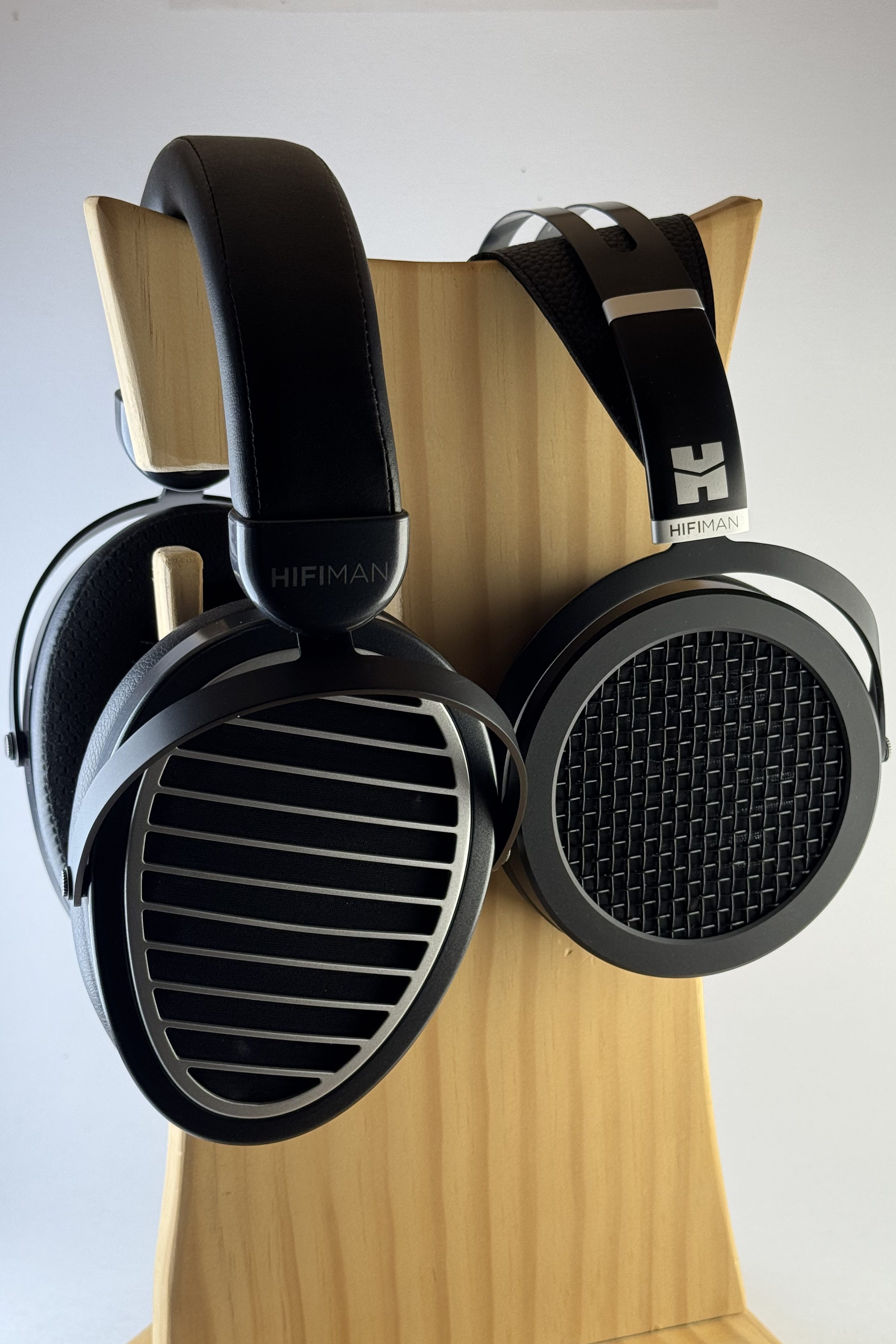
To me, the Edition XS have a better bass profile, similar mids, and substantially spikier treble. They also can shade a bit metallic (particularly in the mids), especially with DACs/amps like the Chord Mojo 2. I think most people will probably prefer the Edition XS, but for me, I’m going to pick the Sundara most of the time. The exception is loud/complex music; the Edition XS truly shine with very full tracks whereas the Sundara does best with more sparse, lower-complexity music. This isn’t to say that the Edition XS can’t beautifully reproduce acoustic music or the Sundara is incapable of playing jungle or house music, but in both cases you won’t be getting the best version of the headphone. The Edition XS is just going to give you a slightly fuller, richer sound while the Sundara will give you a more relaxed listen without the occasionally clinical or harsh treble of the Edition XS.
Comfort-wise, I’m taking the Edition XS all day. The larger cups and single band suit my ear and head shape better, and the Sundara’s non-adjusting suspension strap is a really strange choice from Hifiman. Hopefully they’ll address that in a future revision.11
Let’s go to the graphs!
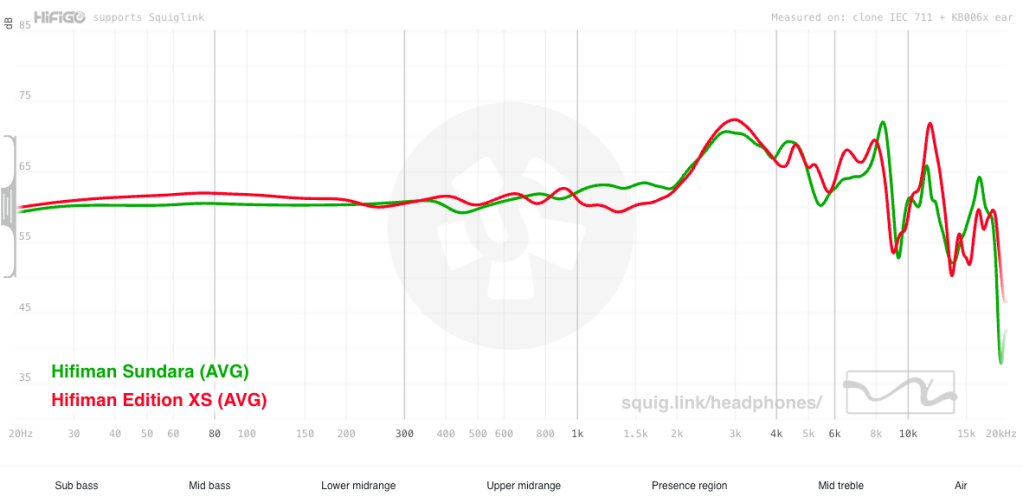
Yeah, that looks about right. The difference in bass isn’t huge, but it’s definitely noticeable as a sense of depth and richness. The slightly funky mids on the XS may be attributable to the dip around 1k, and the treble region reads as spikier than the Sundara in a way that lines up with my actual listening experience.
Both headphones are great, but if I needed a planar magnetic for my collection, I think I might tend towards the Sundara. I think the Edition XS are probably a slightly better headphone overall and would probably be most people’s preference, but based on my listening preferences and the slightly lower price, the Sundara would be my pick.
[There’s also the reality that in a world in which I have the Arya Stealth and HE6se V.2 on my wall, I’m not going to be grabbing either of these very often.]
HD 6XX/600/58X/660S
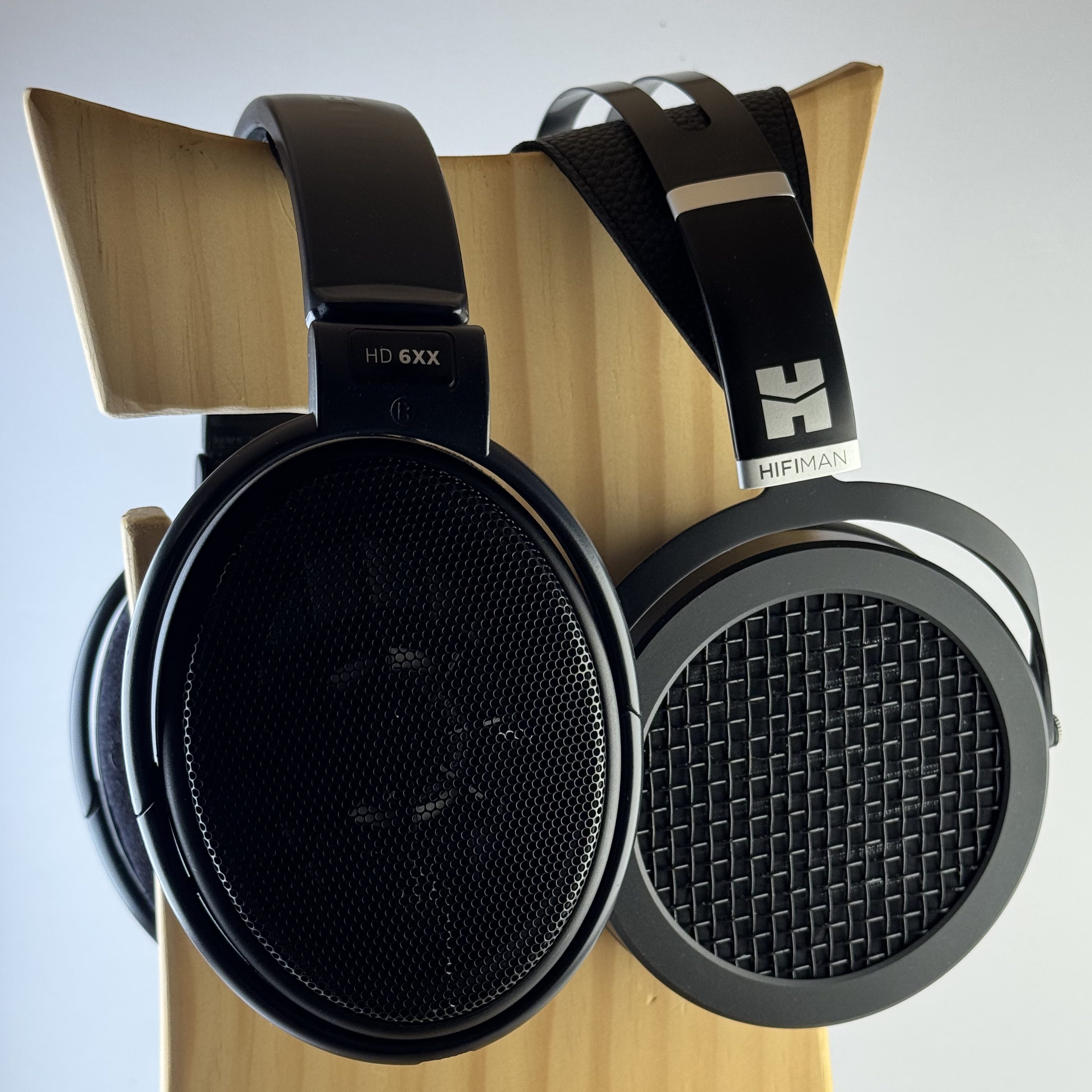
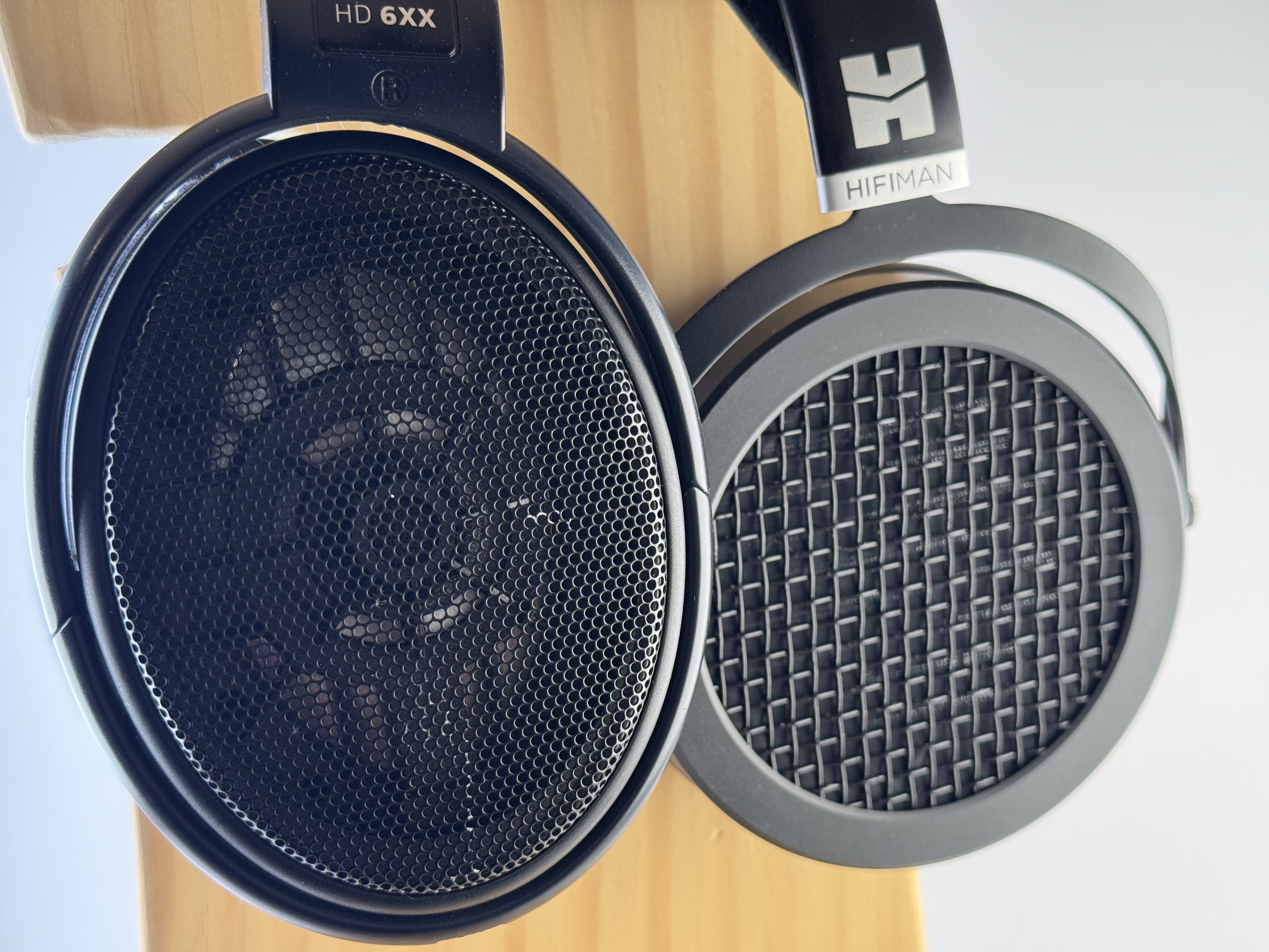
I mean, the HD6XX is my reference open-back for a reason. I do really like the Sundara, particularly for a planar magnetic, but the things I prefer about it to the Edition XS are mostly the same things that I prefer about the 6XX over the XS as well, and the 6XX does it better. The Sundara certainly edges the 6XX out, detail retrieval and resolution-wise, but the majority of my listening is in the background and detail retrieval isn’t necessarily what I’m going for. Most of what I listen to won’t really benefit from the Sundara’s additional subbass extension, will appreciate the 6XX’s better midbass and mids, and will benefit from a smoother and cleaner treble. The 6XX also avoids the few things I don’t love about the Sundara, namely the occasionally splattery bass and emphasis on trebly instruments like cymbals. The Sundara have more detail and richness, but the 6XX are just smooth and beautiful to my ears. I also think that the 6XX is substantially more comfortable for long sessions, though after wearing the Sundara for awhile the 6XX feel very clampy at first. I would default to the 6XX for music and movies. But, between these two, it’s just a personal preference. Neither is “better”, per se.
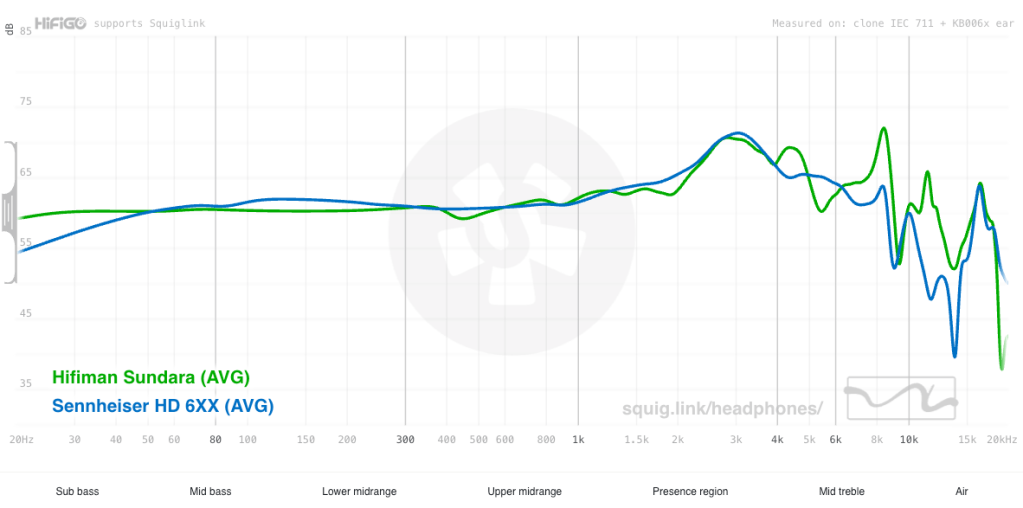
The place where I would prefer the Sundara is gaming; as much as I like the 6XX for most games and appreciate the consistency and precision of sounds in space, the Sundara have a better soundstage. As long as I wasn’t playing for hours at a time, I’d take the Sundara for gaming.
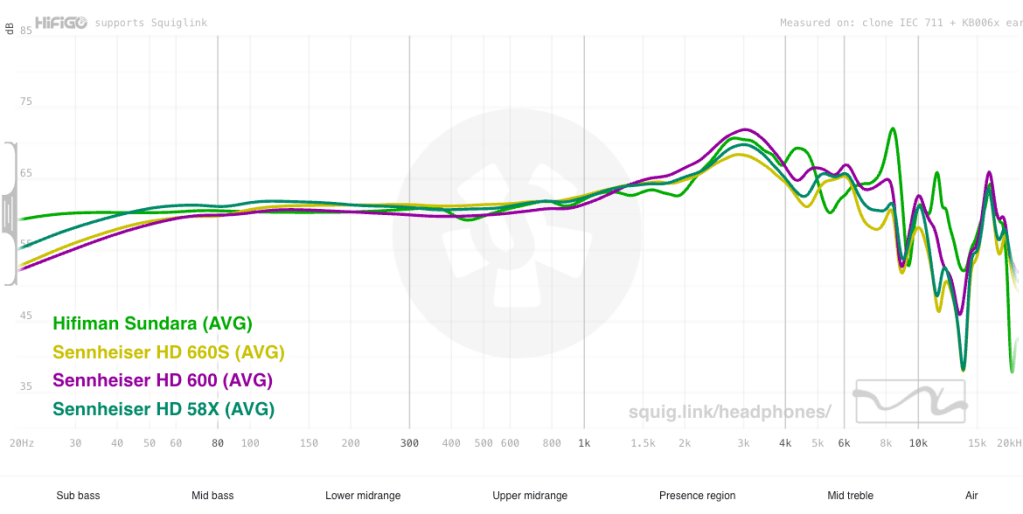
Like the 6XX, I’d take the HD600 over the Sundara for music and movies. Same with the 58X, though it’s a closer call. I would 100% take the Sundara over the 660S; to me the 660S just takes too much off of the treble and the bass coming from the 6XX, and the Sundara brings it all back.
Fiio FT1 Pro
This is the most interesting comparison, to me. They’re very similar headphones in terms of type and even form; the biggest difference is one of materials, with the Sundara being mostly metal construction and the FT1 Pro almost entirely plastic (though they’re weirdly close in weight).
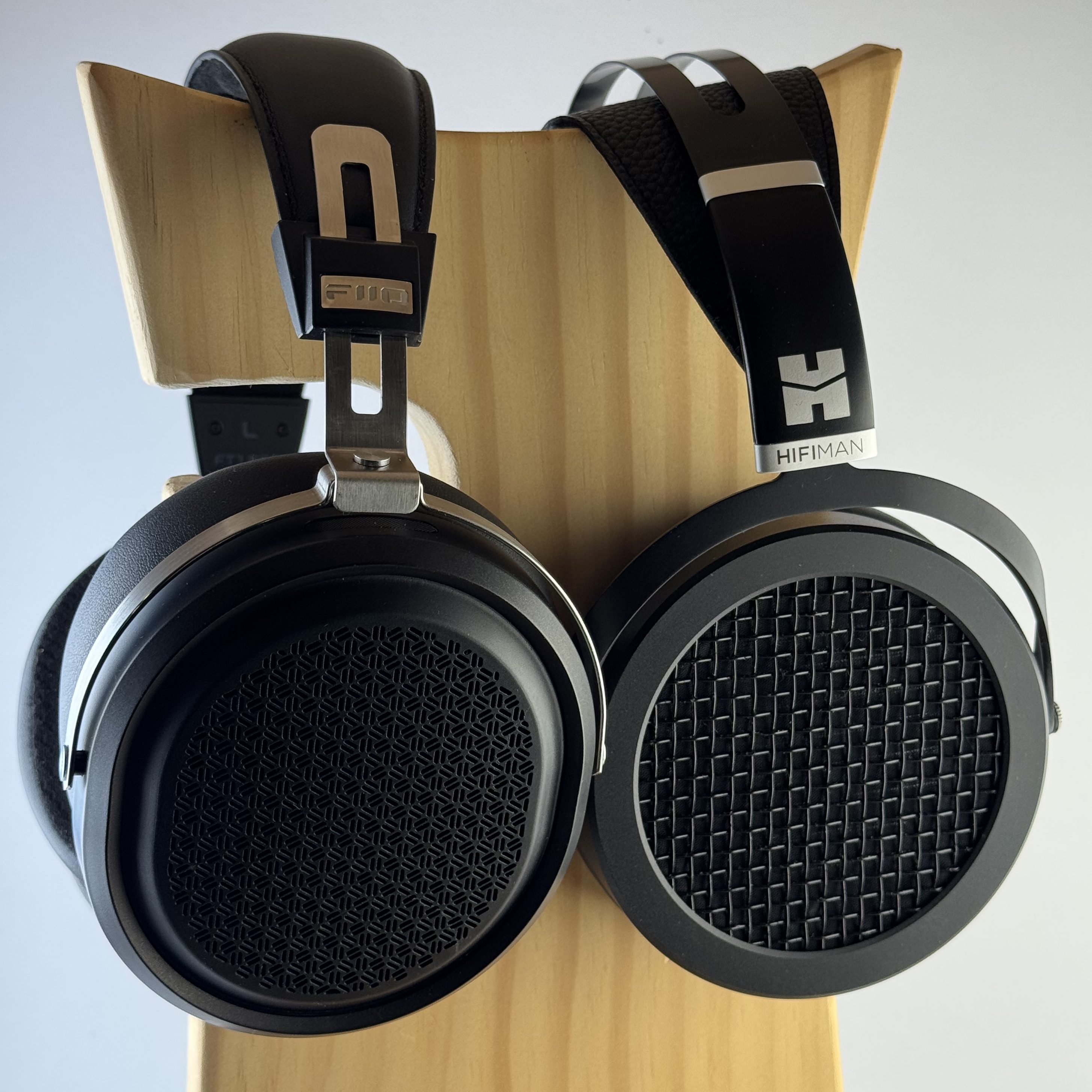
As far as sound goes, the FT1 Pro are more engaging and intense to me, while the Sundara feel almost a little clinical in comparison. The bass definitely thumps harder on the FT1 Pro (though I feel like it’s missing may just a little bit of the very deepest end?). The soundstage feels pretty similar to me, but the FT1 Pro has better layer separation (i.e. the instruments are slightly farther apart both in space and in terms of the mix).
I lack the vocabulary to really describe why I really like the FT1 Pro. I keep coming back to the word “engaging”; for whatever reason, they’re just really FUN to listen to. That’s why I prefer them over the Edition XS, a headphone that I think is probably objectively a better one.
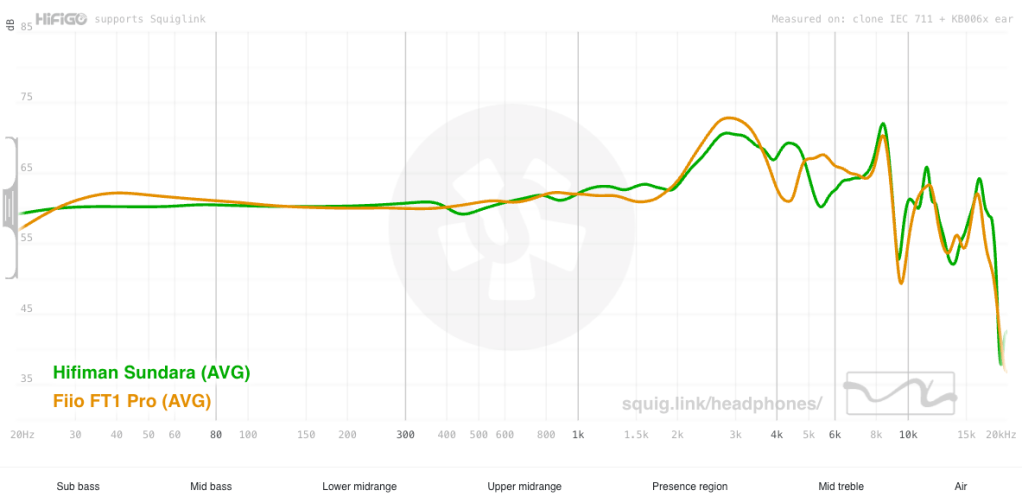
This seems to comport with my lived experience. The FT1 Pro suffers from a bit of subbass roll off that the Sundara doesn’t, but has a more active and engaged mid bass and presence region, with mostly a slightly less spicy treble. That might be why I prefer their sound.
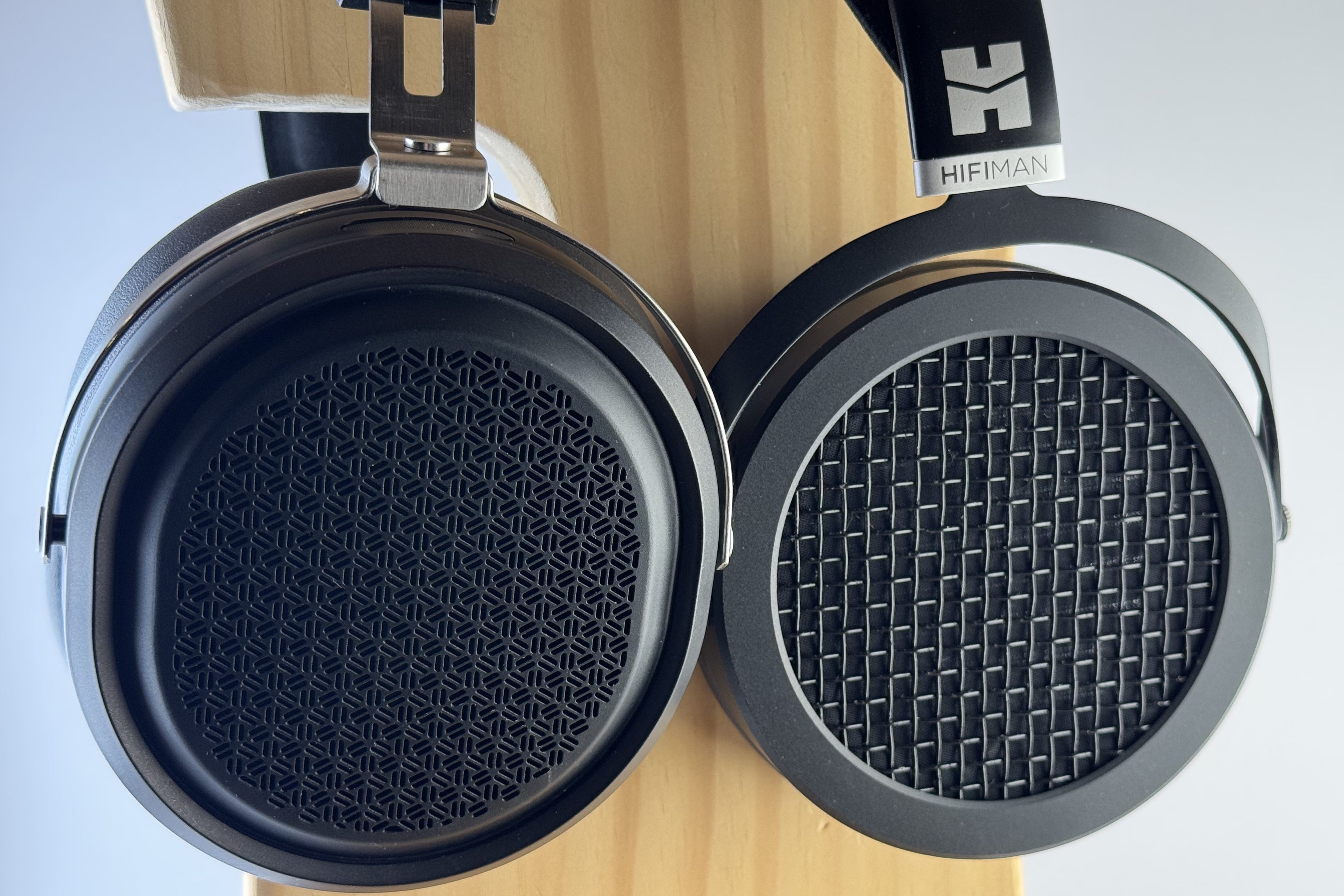
This is a really interesting question to me. I’ve listed my Edition XS for sale in part because they lack a niche in my collection; for objective listening I’m taking the Arya Stealth every time, and for fun planar listening I prefer the FT1 Pro. I’m going to have to think about whether the Sundara would have a place on my wall, for guitar-heavy tracks if nothing else. I don’t think they’d supplant the FT1 Pro, though at this point they’re really close on price.
You’re not going to go wrong with either, and if you’re listening to a lot of sub bass heavy music, the Sundara are your choice. Me, personally? I think I’m going to stick with the more fun option for this particular slot.
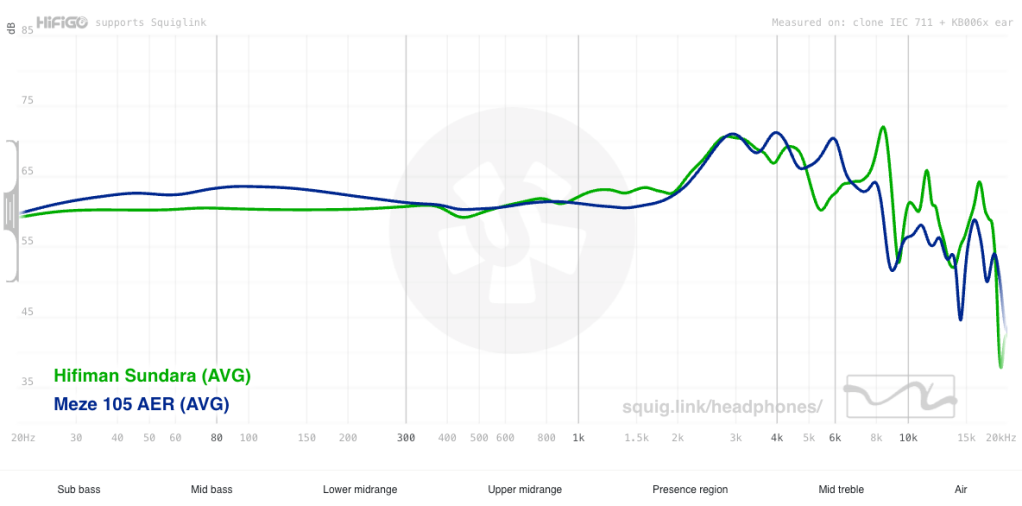
Meze 105 AER
Unsurprisingly, this isn’t nearly as close to me. I’ve been pretty clear about the fact that I’m a Meze fanboy, with the 109 Pro being my favorite headphone, period, and the 105 AER getting you 90% of that performance at half the price. I prefer the bass and treble on the 105 AER, and the mids on the Sundara only by a hair, and I think the detail retrieval is roughly on par. The 105 AER is also one of the most comfortable headphones I’ve ever worn, behind only the 109 Pro and MAYBE the Focal Elegia? The Sundara feel a little more solidly built so if I were taking them out into the world, I *might* decide to grab the Sundara, but honestly I don’t carry open backs with me very often and if I were I’d be inclined to go with one of the 3D printed options below that I can replace parts on at will.
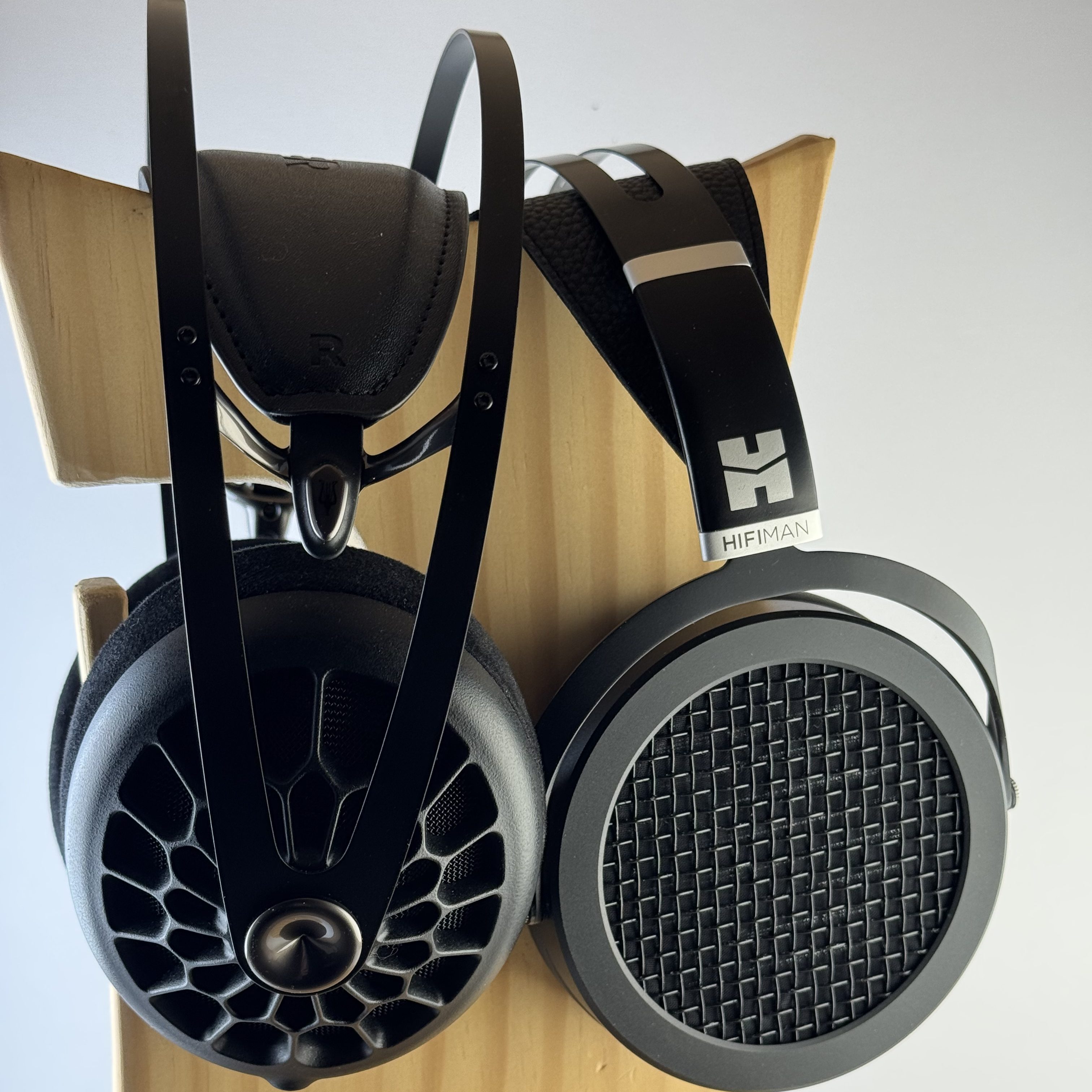
So yeah. I really like the Sundara, but the 105 AER is the obvious choice if you can stomach the additional $100 (open box) to $190 (new).
Capra Satyr
I’ve spent a lot of time the last few months building and listening to 3D printed headphones from a couple of different designers, and I thought it’d be interesting to do a comparison. I’m not going to spend a huge amount of time on these because they’re not widely available, but if you want more information let me know. The challenge with these too is that they’re dependent on me printing and assembling them correctly, and I’m … not the world’s best solderer, and I’m still a 3D printing novice in a lot of important ways. I don’t have a measurement rig to confirm that they’re close to expected performance, so … YMMV.
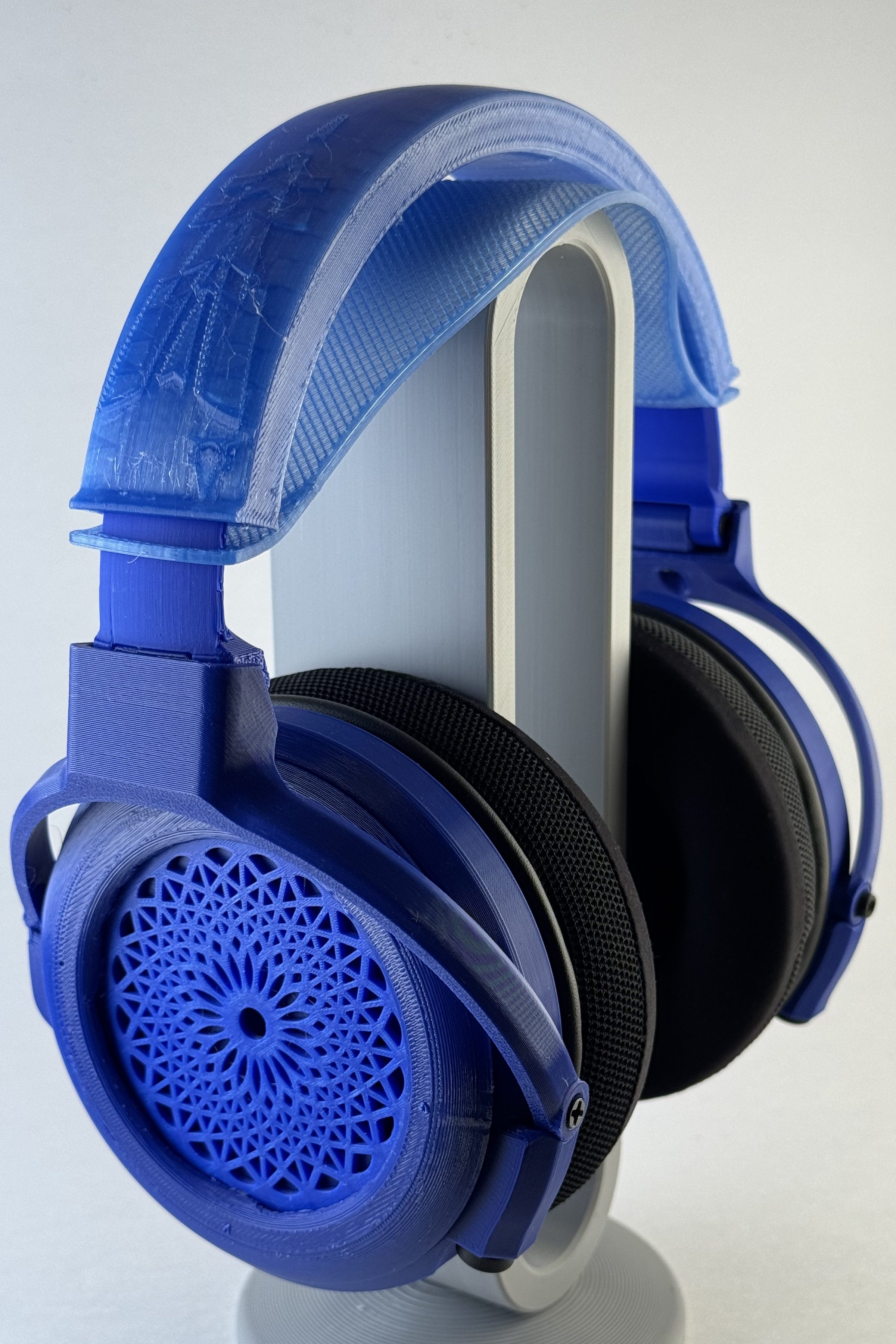
The Satyr 3 sounds much more immediate and intimate than the Sundara, but gives up a fair amount in terms of balance and detail retrieval. After a few hours with the Sundara, the Satyr feels pretty spicy in the treble and a little hollow in the bass. “2021” is a little shrieky, and the bass is a little thumpy, starts to roll off higher than most, and can be a little splattery on very busy tracks. That said, whenever I put on the Satyr 3 I’m really impressed with how good they sound as a physical object that I created from a spool of plastic and a box of random parts I ordered off of the internet.
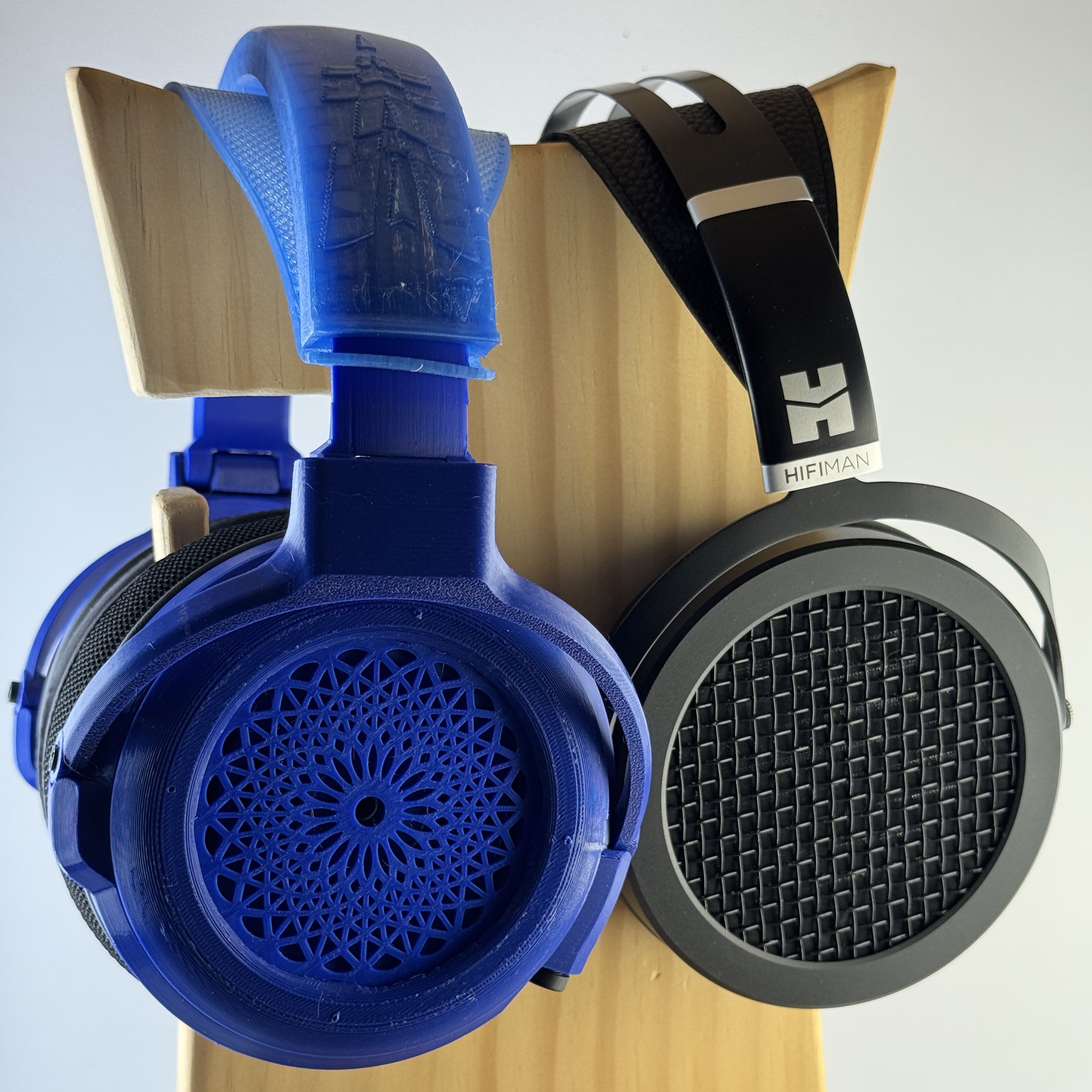
In a world in which both the Sundara and my Satyr 3 are sitting on my desk, I’m probably going to be grabbing the Sundara most of the time, unless I want to show off to someone that I made a pair of headphones.
[Benchmarking the costs are hard because most 3D printed headphones have an out the door cost substantially lower than almost any audiophile headphone on the market, unless you count printer costs, in which case they’re usually higher. For an example, I calculate the materials costs of the Capra Satyr 3 at about $60, but that doesn’t count the test prints, the costs of the printers and their maintenance, etc.]
DMS Open Omega
This is another 3D printed pair of headphones, this time designed by Doug aka DMS on Youtube, formerly a contributor to “The Headphone Show” from Headphones.com. He sold a commercially produced version of them for a year for about $1,000 apiece before making the headphone plans available publicly, sans headband. Capra Audio developed and released a headband adapter for the Omega, and I personally did a quick and dirty remix of Capra’s yokes to allow the Capra Headband v.3 to be screwed onto the Omega’s cups instead of friction fit with spikes in holes. I, of course, built them as soon as I heard about them.
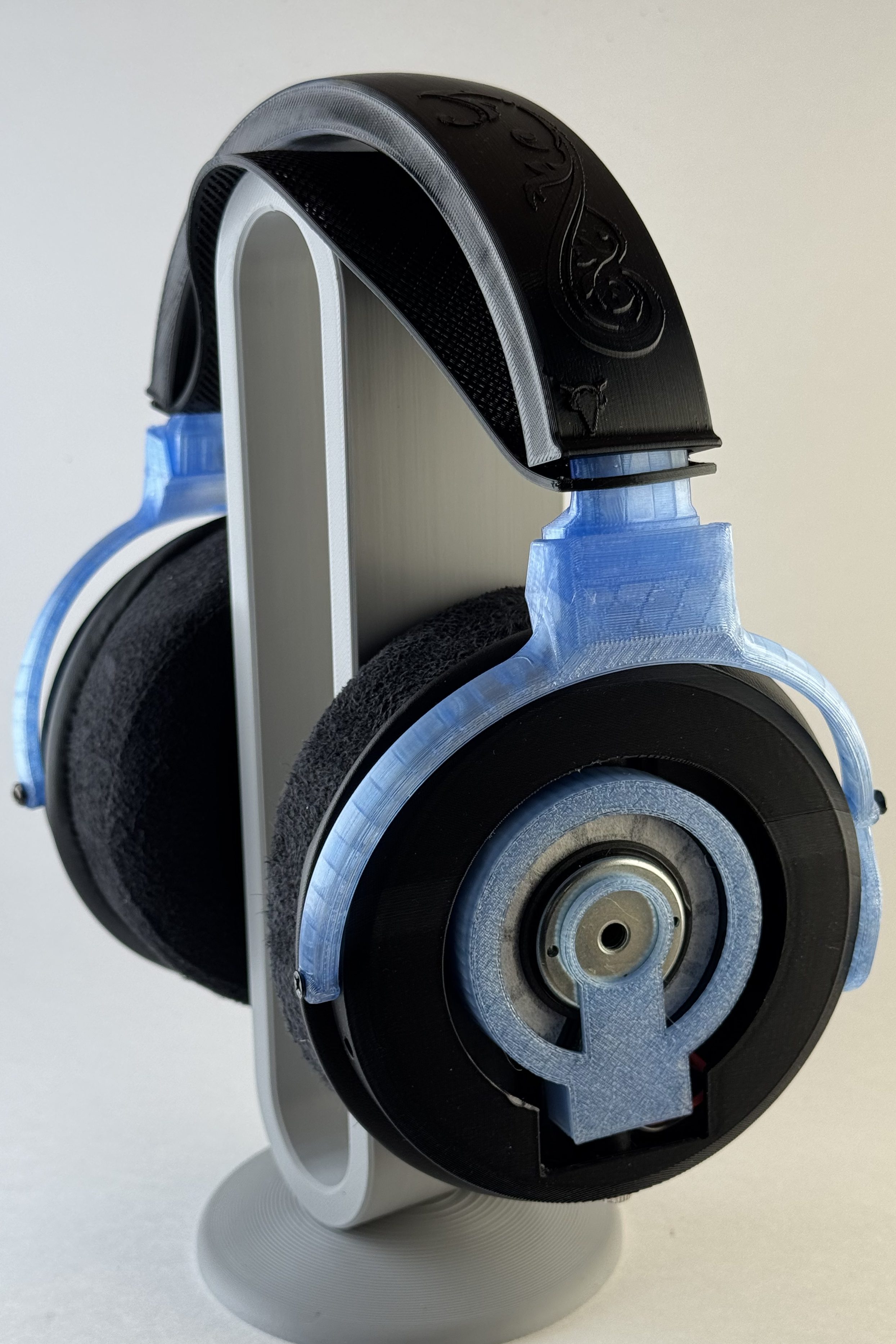
These are, even more than the Satyr, hard to judge based of off the unit I built. These were not designed for home 3D printing, and as a result they’re a challenging print. I ended up with a pair of headphones that I definitely enjoy, but I’m no where near certain that they sound like DMS intended.12 That said, here goes!
More than the Satyr 3, the Omegas sound in a lot of ways similar to the Sundara. They’re not as intimate as the Satyr, with the instruments and most vocals feeling offset from the listener more like the Sundara. The bass has a solid but not distracting thump, a reasonable but slightly spicy treble, and a more recessed midrange than I’d probably want in a perfect world. I’d love to get a pair of the commercially available Omega to compare, but I think in a vacuum I’d take the Sundara over my Omega in most circumstances (again, except in a situation where I want to show people that I made a pair of headphones).
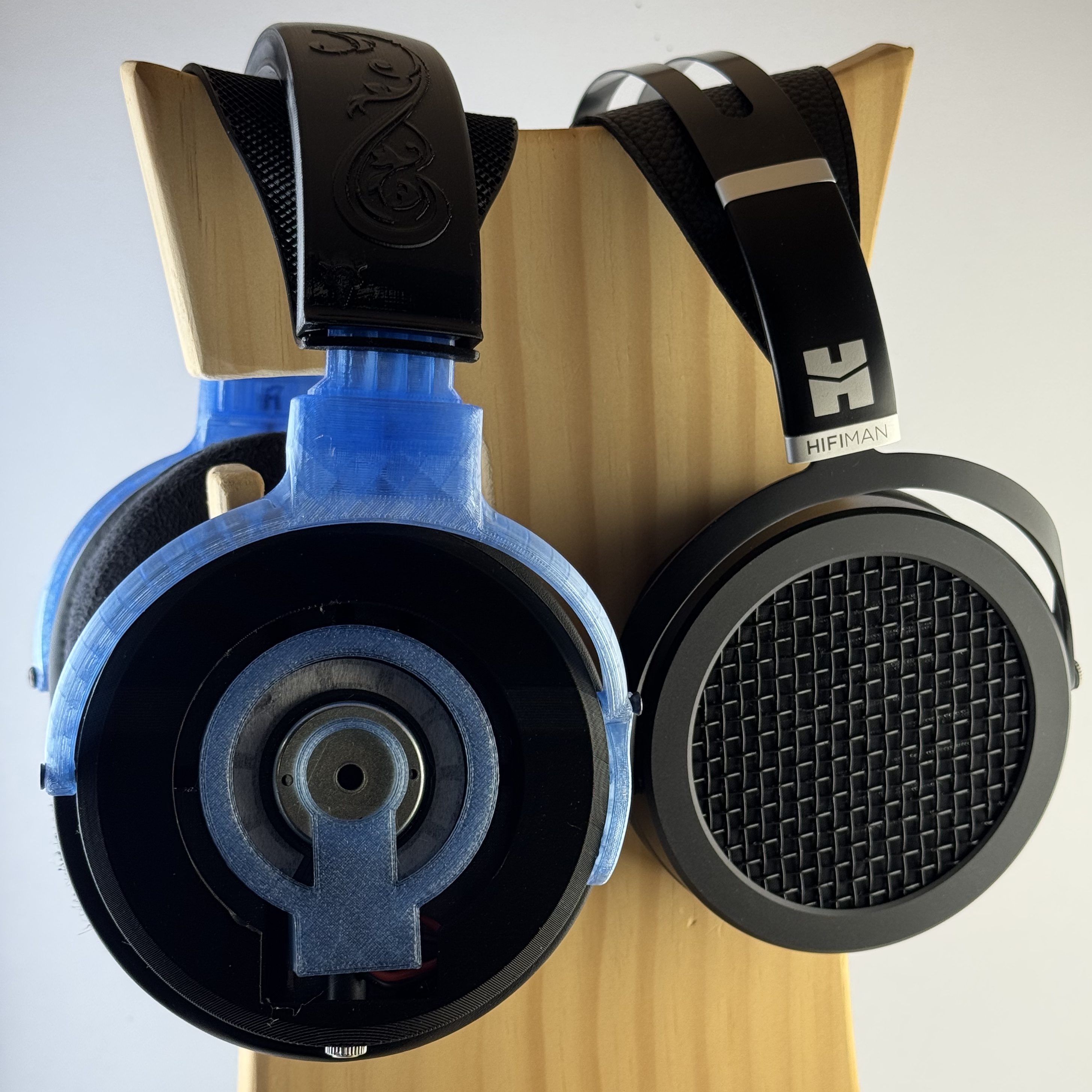
Interestingly, while I think the Omega sound substantially bassier than Sundara, Super*Reviews graphs disagree:
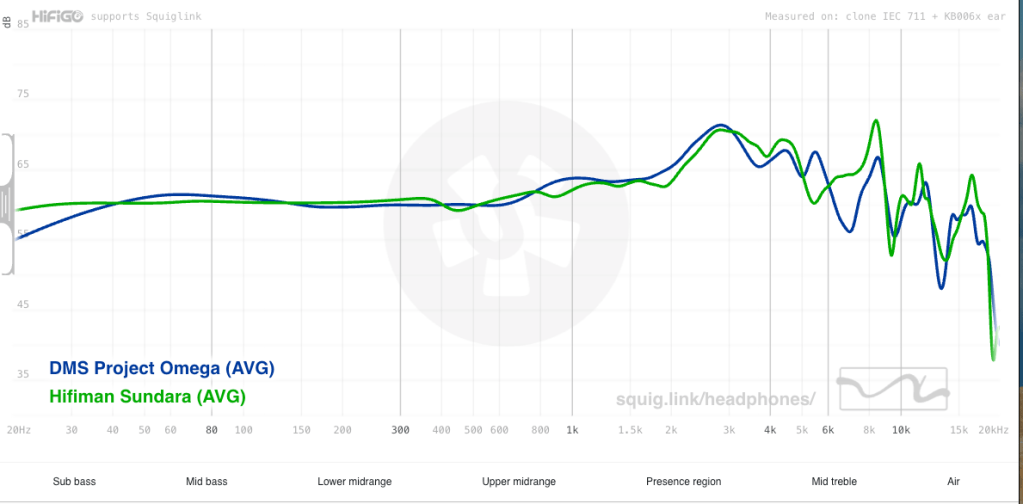
I’m curious if this is an artifact of my particular unit/build, or if I’m hearing mid bass and my brain is filling in the rest of the bass frequencies. Either way, a fun experiment!
Overall
Overall, I’m very impressed with the Hifiman Sundara. I came into this pretty skeptical after my initial experience with the Sundara years ago, and based on my recent issues with Hifiman products. The Sundara is a really good product, especially at their current price point, even most of a decade after their release. If they were more comfortable, I would probably recommend the Sundara to people looking for an introductory pair of audiophile grade headphones, particularly for those who want a little more bass than something like the 6XX would give them. I am very curious to see if Hifiman is going to introduce any of the quality of life comfort upgrades to future iterations of Sundara; I find it very interesting that they just released an updated version of the Edition XS but haven’t substantially changed Sundara in four years. If Hifiman released an updated version of the Sundara at a reasonable price point, I’d be very tempted by it. As it is, I might add it to a list of things I’d take in trade as I offload parts of my collection in the coming months. I’m not sure how much I’d use them, but I do really enjoy the way they sound! As it is, I’ll be a little sad to see these go home; I’ve been using them for most of the last month and have really enjoyed my time with them.
#reviews #headphones #sennheiser #6XX #anc #spatialaudio #meh #2025 #99noir #meze #sunglasses #overear #cans #hifiman #arya #stealth #editionxs #budget #hahahaha
- I score bass, mids, and treble on a two part scale: 1-5 for quantity (5 being the highest), and A-E for quality (A being best in class, E being laughably bad). For soundstage it’s also a two part scale, with the number representing the width and the letter the separation within it. ↩︎
- For comfort/fit, my scale is A-E with A being disappear entirely into the background and E being I want to tear my ears off to stop feeling these headphones on my head. ↩︎
- See my HD 660S review for a little bit of history. ↩︎
- And still love. ↩︎
- Oh, baby Phil. You were such a sweet summer child. ↩︎
- Those of you paying attention to my social media might have noticed an explosion in my headphone purchases … my mom certainly did. 😀 ↩︎
- Especially when Hifiman started knocking digits off some of their pricing; the Arya Stealth went from $1599 to $599 (and now closer to $500), for example. ↩︎
- Really, mostly the Nitsch Piety because that is what was plugged in. ↩︎
- The unit I’m reviewing appears to be the original, 37 Ohm version based on the box and lack of a Hifiman foam headstand. ↩︎
- Interesting mostly because the treble is what turned me off of Hifiman for most of the last decade. I don’t know if my taste has shifted, my ears are getting older (and therefore less treble sensitive), or what. It’s worth noting that the pair I’m reviewing are a few years old and I don’t know how well-used the pads are; it’s possible that the treble profile is reduced by the worn pads. ↩︎
- Editor’s note: it seems like the new Hifiman HE600 is in some ways a successor to the Sundara, and they seem to have remedied some of these comfort issues. ↩︎
- Someone asked the other day on Reddit how much people would charge for a pair of these, and consensus seemed to be around $280-300. It made me realize both 1) I never want to turn my hobby into a hustle and 2) I wouldn’t feel comfortable selling or even really trading a pair of headphones I’d built without having a decent measurement rig to make sure that they’re close to what is expected. ↩︎
 Phil's Superpower of Enthusiasm
Leave a comment