A question that pops up frequently on headphone Subreddits and forums is whether it’s better to take an active, active noise canceling (ANC) headphone like a Sennheiser Momentum 4 and use it wired (losslessly) via the included 3.5 mm analog cable or listen to it via (lossy) Bluetooth.1 To the point where I wrote a bit about it in my Frequently Asked Questions.

My answer to this question has always been no, based largely on the assumption that one of two things is happening when you do:
- You’re turning off all of the active components in the headphones and relying on a) the frequency response of the driver, b) the passive characteristics of the headphone’s physical design and build, and c) the quality of signal you’re getting from whatever your source is. You’re also hoping that whatever a + b + c produce, it’s not thrown off by the ANC when it’s turned on.
- You’re converting the analog signal to digital (via an ADC), applying DSP/EQ/etc., and reconverting it to analog and amplifying it using the internal DAC and amp.
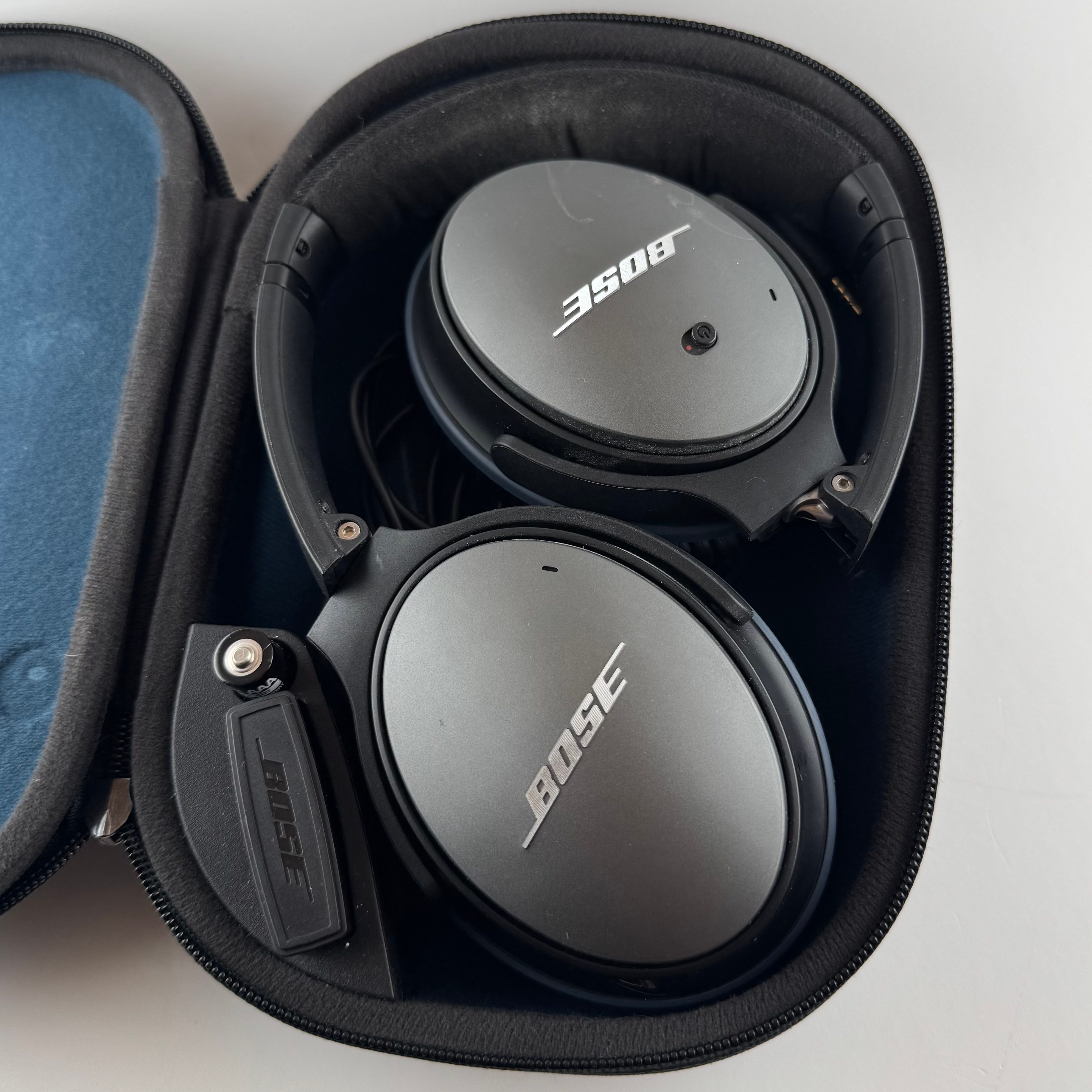
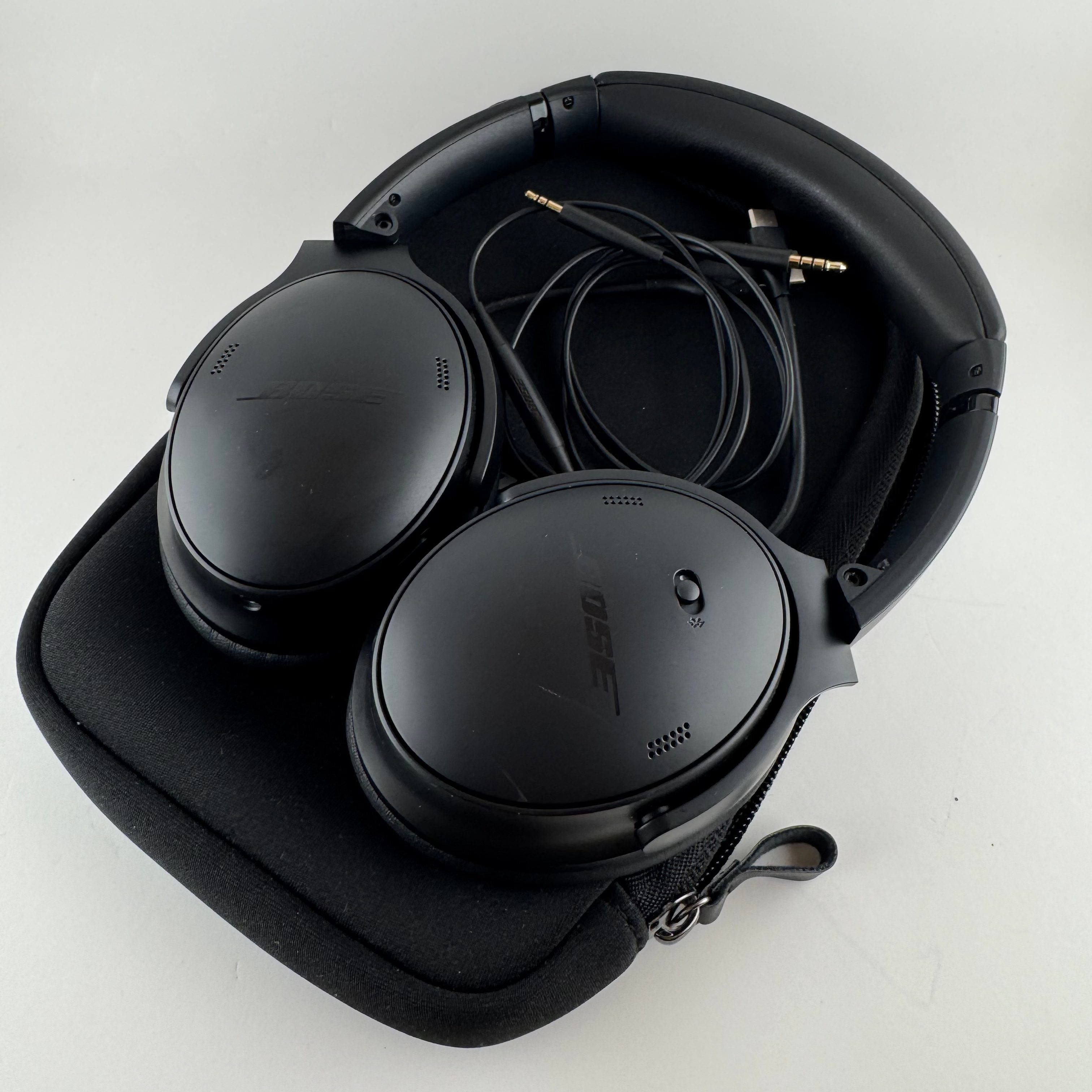
The first was maybe a safer bet in a prior era when ANC headphones were less reliant on DSP to correct their physical shortcomings. For example, the earliest generation of Bose wireless ANC headsets (the QC35) weren’t badly tuned as a passive headphone, even if I preferred their sound via Bluetooth (to the point where I returned my pair after a few weeks). It’s dicier with modern production headphones that do rely on DSP for reasonable(ish) frequency responses; the manufacturer has a lot less incentive to invest the time and resources in creating a headphone that sounds good running passively when they can just make changes via DSP.
The second option involves a lot of processing, likely mostly on board the headphone, and I question the amount of effort and expense a headphone manufacturer puts into the onboard ADC in particular given how rarely it’s going to be important for their use cases. This is definitely a better option than the first, as at least you’re using all the components that were designed around working together, but it also relies on multiple conversions being done under reasonable conditions. You can probably get away with it with a decent source, but I’m skeptical of how often it’s going to approach the quality you get from a decent Bluetooth codec.
[The other thing worth mentioning is that modern Bluetooth protocols, while still flawed, are definitely better than they used to be and companies are doing clever things to minimize the delta between wired listening and competent Bluetooth implementations.]
But, despite this opinion, I’d never taken the time to test this other than taking a few minutes to listen to most ANC headphones I review via the analog option, which generally resulted in a “I don’t hate it but I wouldn’t ever choose to use it” statement.
It came up again yesterday in r/HeadphoneAdvice, and I had some time last night, so I decided to try it with the pairs I had on hand. I pulled out my collection of current ANC headphones to test that age old question: is it worth plugging them into a source via 3.5 mm analog cable to listen losslessly?
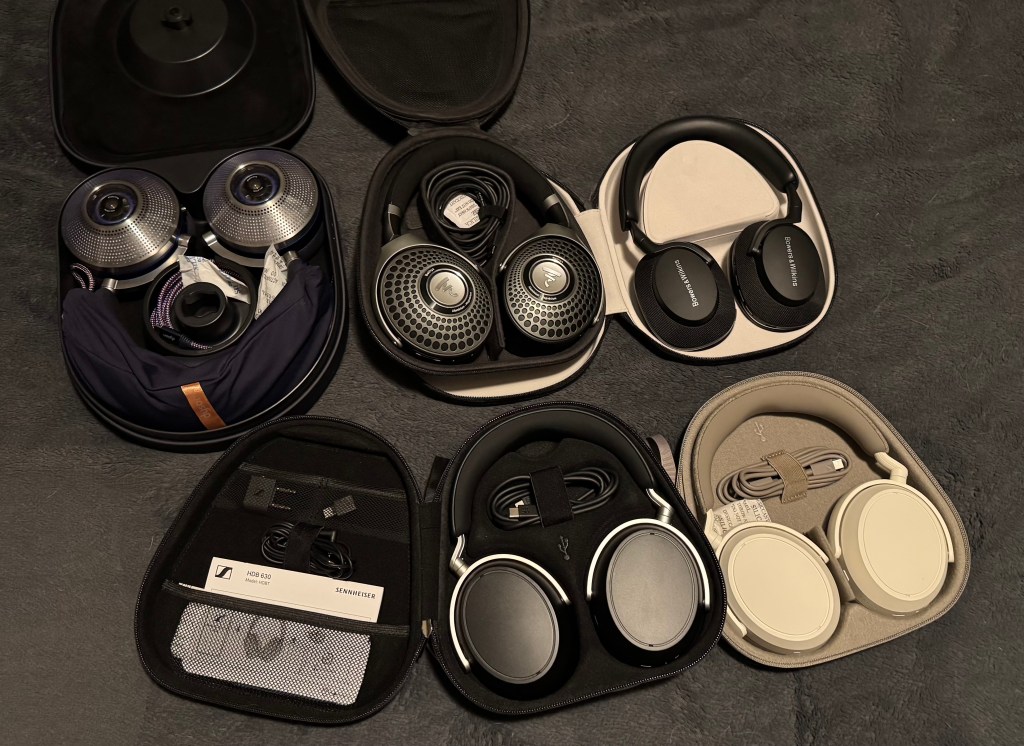
[Tl;dr: Bathys is no worse running via 3.5 mm, everything else is worse (or at least in some way compromised) unless *you* personally like the default tune on any of them and don’t mind giving up the ability to apply EQ. Quelle surprise!]
Here are the results:
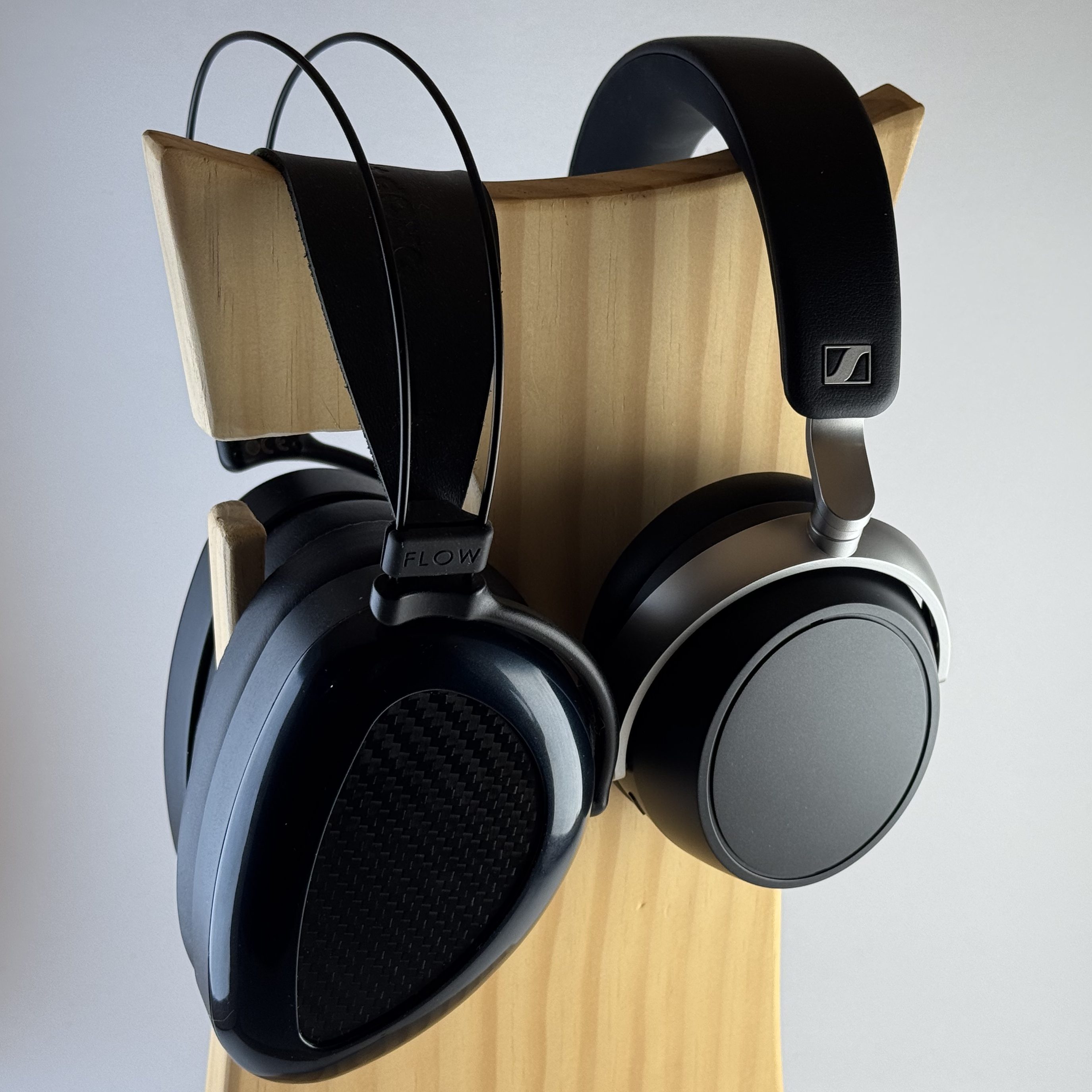
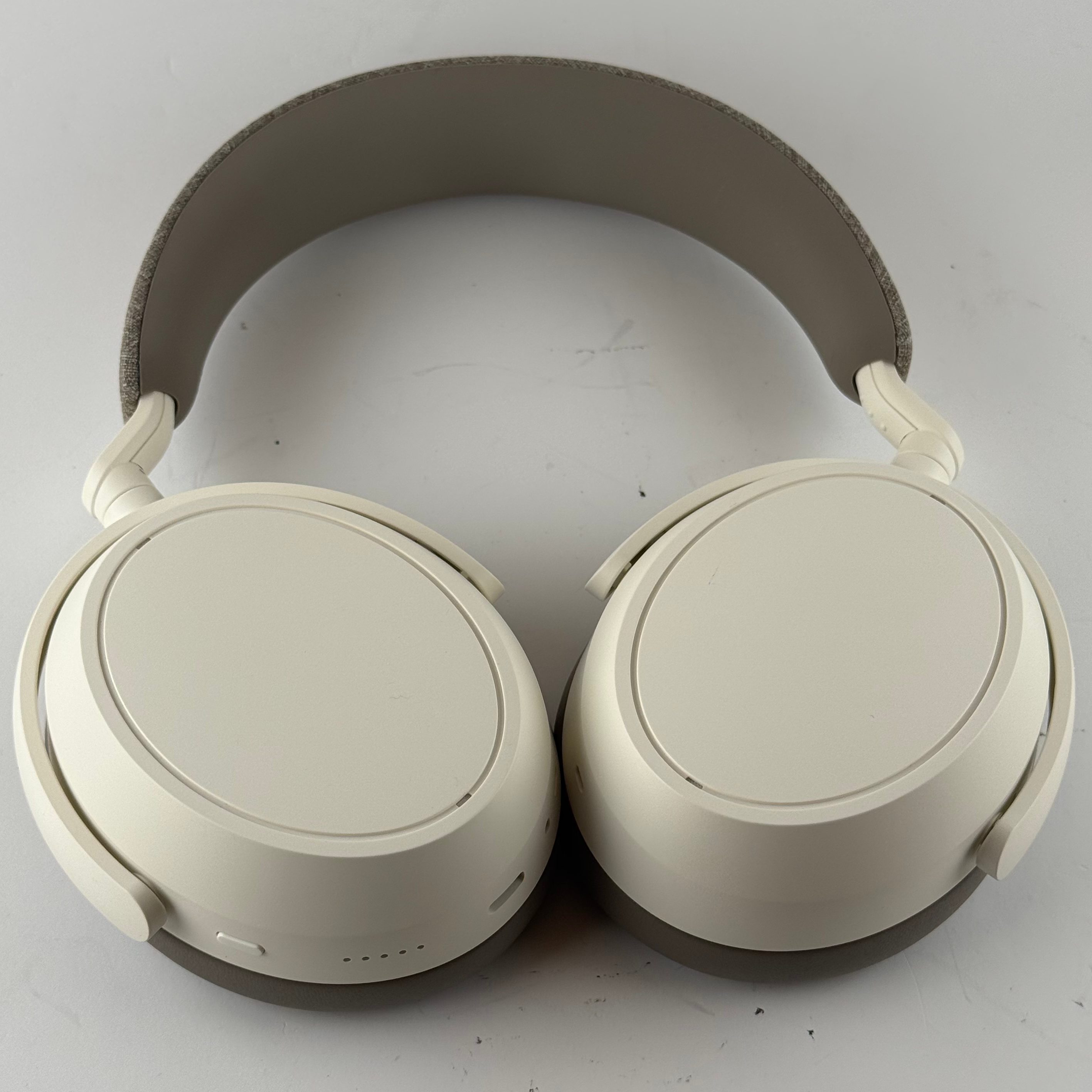
- Sennheiser HDB 630: Plugging in the 3.5 mm cable automatically turns off Bluetooth and creates the following signal path: analog source in –> 630’s ADC –> DSP –> 630’s DAC –> amplification. This means at least two conversions, not counting any that happens before the analog signal (if you’re playing a digital source, for example). Running this way sets the 630 to their default DSP tune (maybe a hair brighter?), turns off the ability to adjust the EQ or interact with the headset via the app (though pinching appears to still affect transparency vs. ANC), and draws down the battery. The baseline tune on the 630 isn’t BAD, per se, but it’s not great. If you have no other way to listen to your signal, this isn’t the worst, but I’d take Bluetooth over it anytime that’s an option.
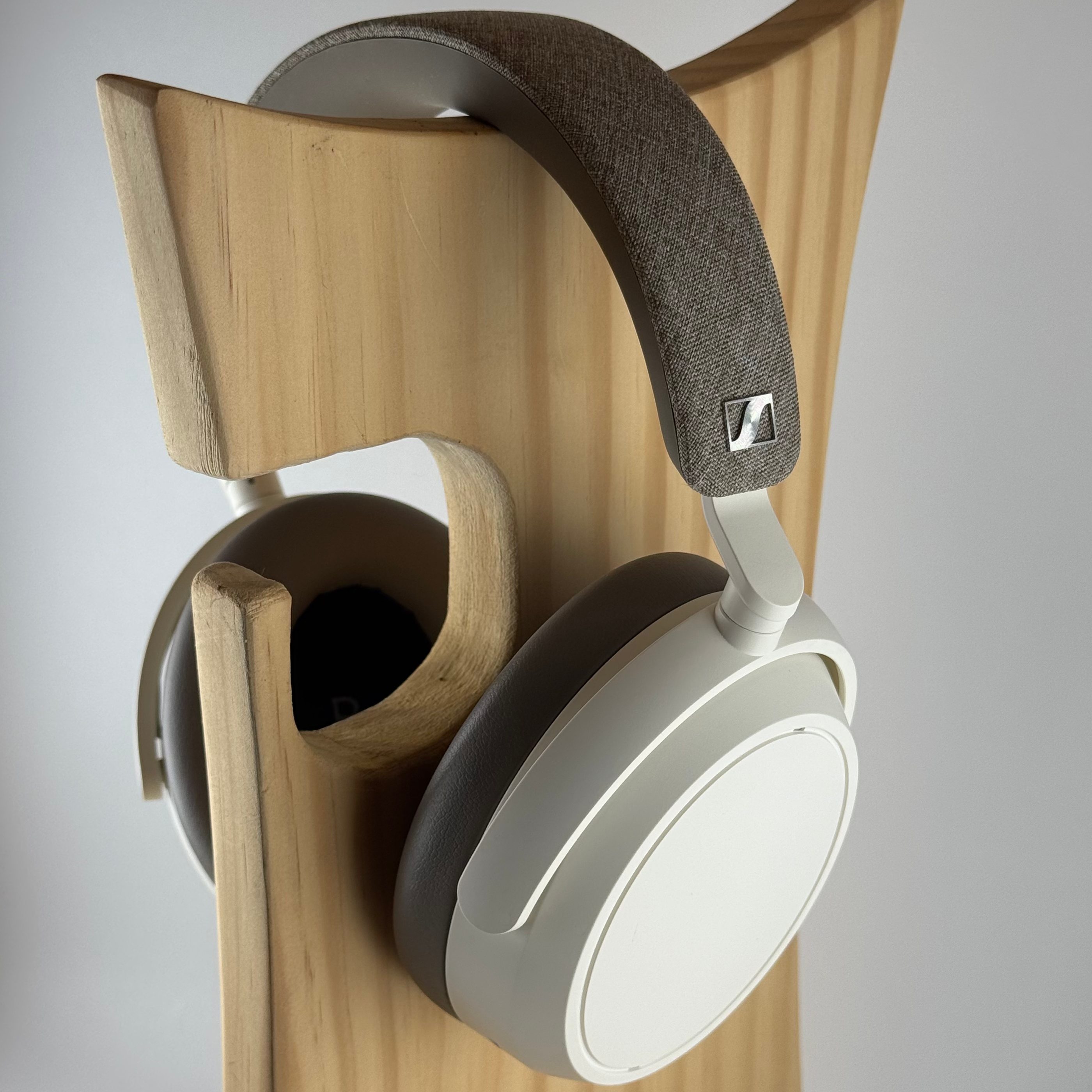
- Sennheiser M4: same as HDB 630, plugging in the 3.5 mm cable turns off Bluetooth and creates the same internal signal chain, but with a substantially worse baseline tune (at least to me, the M4 out of the box are muddy in the bass and a bit intense on the treble; they can be corrected via the Sennheiser app which is a huge win compared to the competition but it’s not great without EQ). It’s not the worst, but I definitely don’t want to listen to anything I care about this way and I 100% prefer Bluetooth + the in-app EQ.
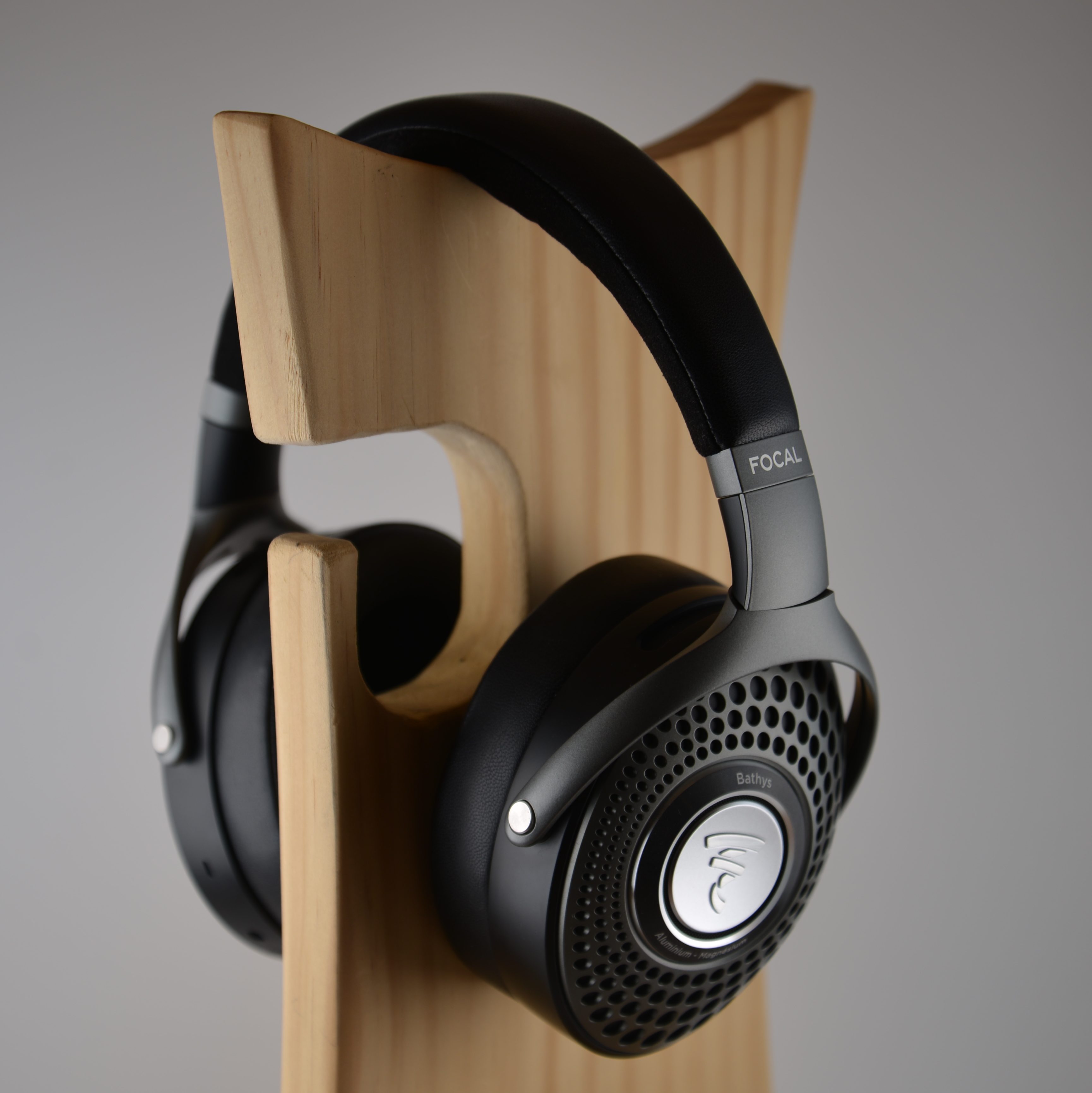
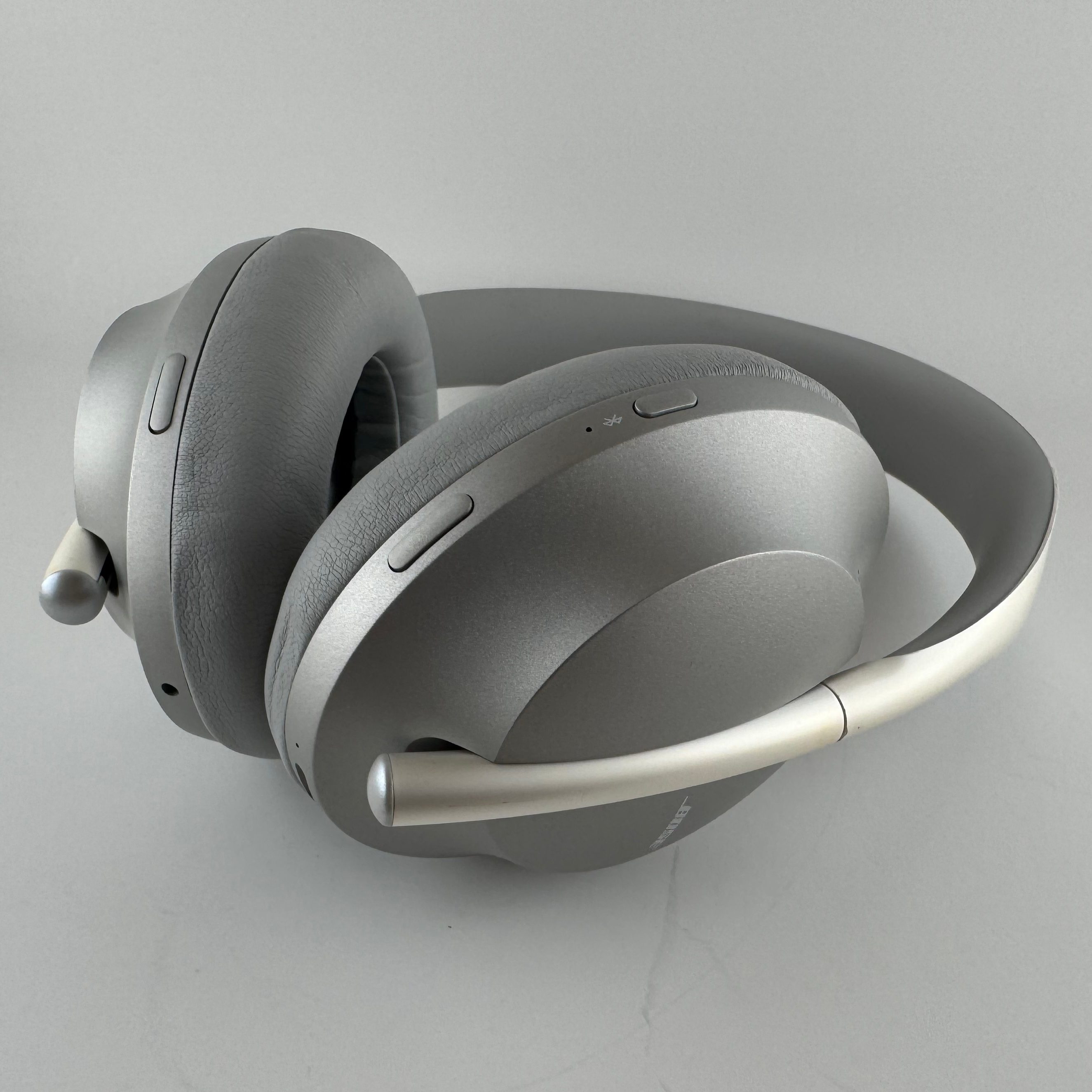
- Focal Bathys: You have to manually move the toggle to “On” and plug in the 3.5 mm cable. Doing so creates this signal path: analog source in –> Bathys’ ADC –> DSP –> Bathys’ DAC –> Bathys’ amplification. It disconnects you from the app and EQ, though the ANC/transparency mode button still works. The Bathys appears to default to the EQ profile you were using last, so unless you swap EQ profiles a lot, you’re probably going to get a reasonable version of its frequency response. I struggle to think of a scenario where I would prefer to listen to this over the normal Bluetooth functionality, but in a pinch it would be fine.
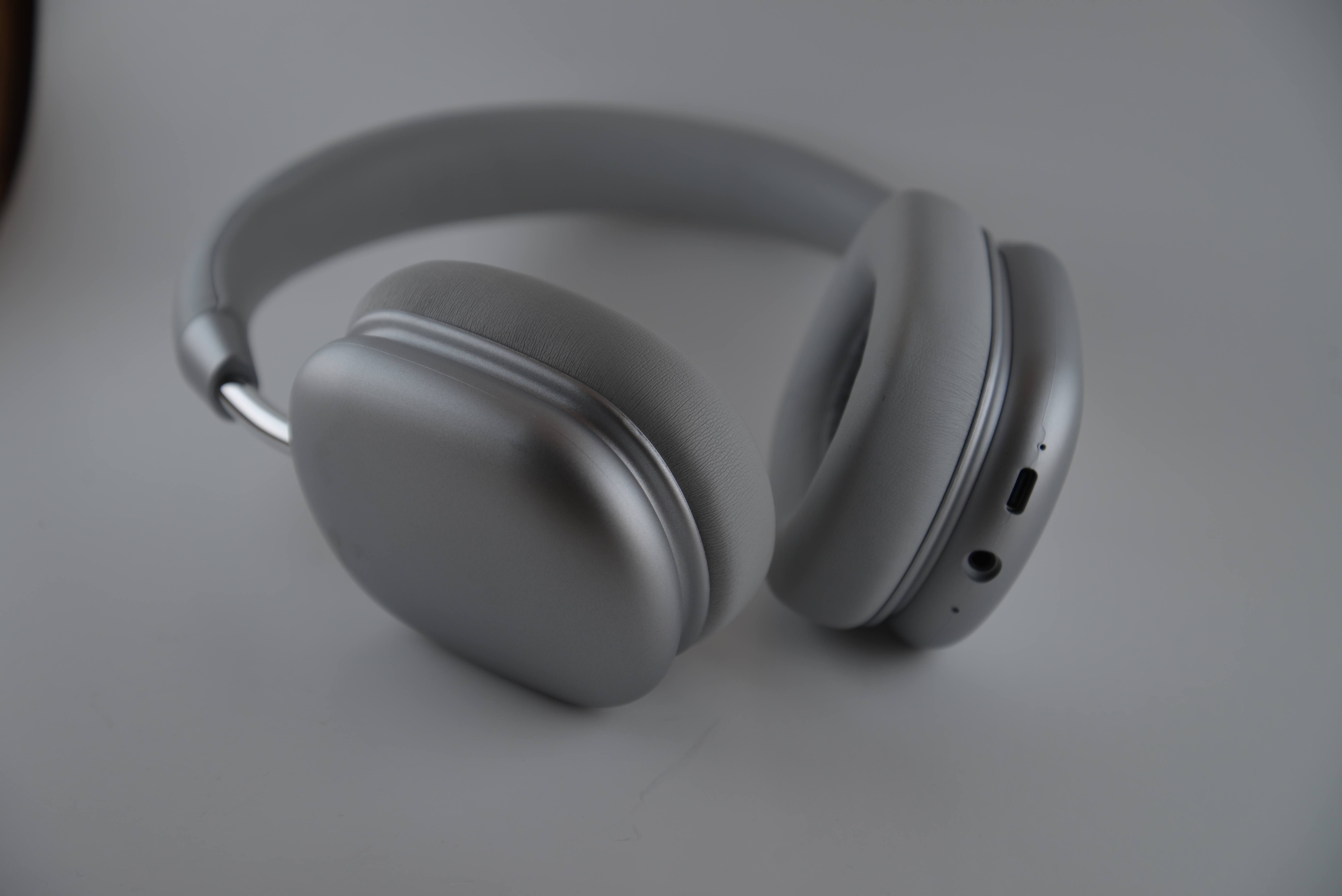
- B&W Px7 S2: B&W takes a different (and potentially better?) approach and provides a 3.5 mm-to-USB-C dongle, so it seems like the analog to digital conversion is taking place in the cable.2 This means you’re functionally using the Px7 S2’s DAC mode rather than a passive one. The upside of this is that you’re using the full suite of software tools that B&W offers and getting their best performance; the downside of this is that you’re using the B&W suite of software tools and getting the Px7 S2’s best performance and it’s … not great. It’s a pretty bad tune, boomy in the bass and spikey in the treble, and the B&W app’s EQ is limited to two bands: bass and treble and you can’t fix the problems without creating worse ones.
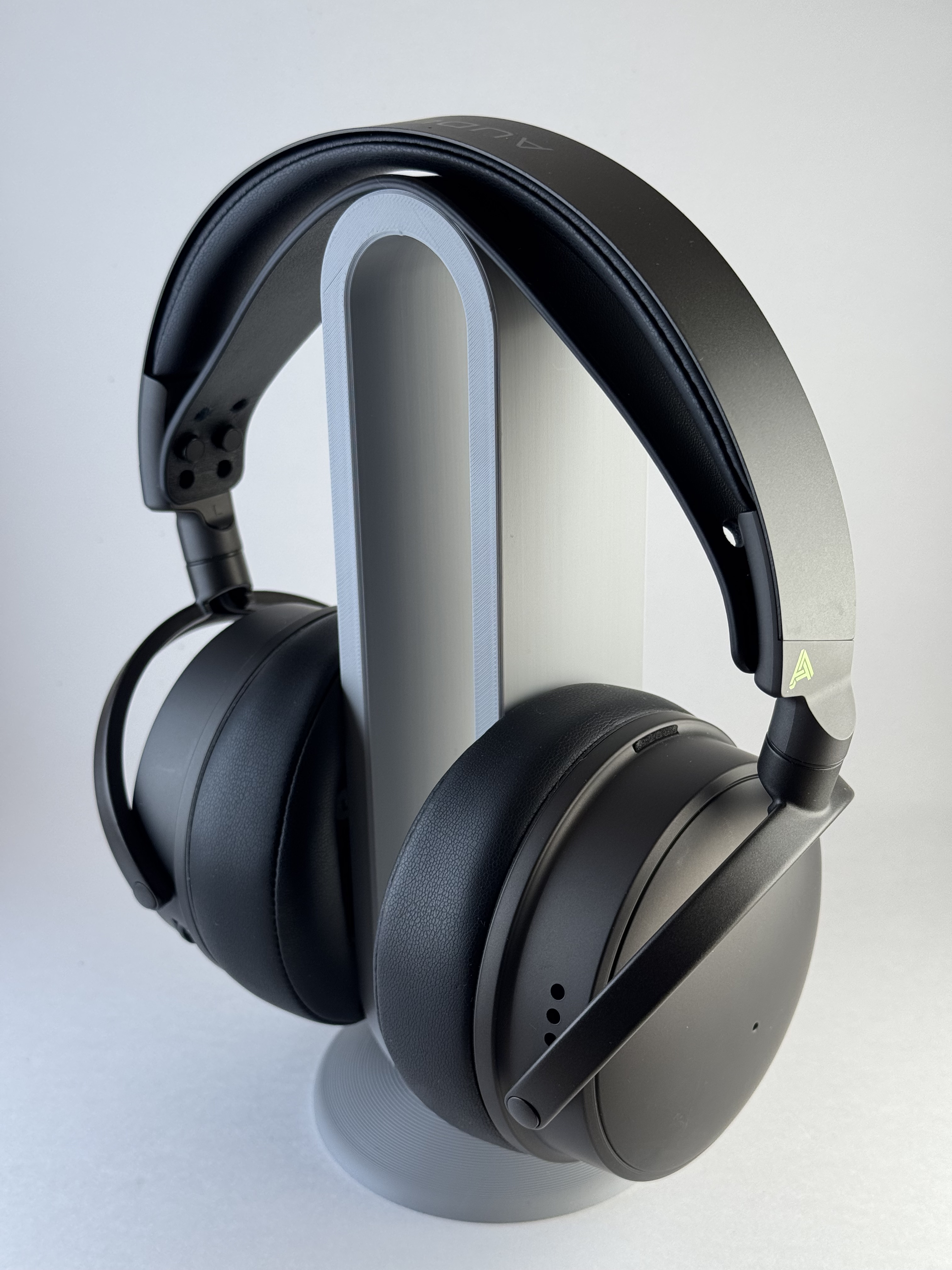
- Dyson Zone: The Zone doesn’t offer an analog input option. As far as I could tell, it doesn’t work with the Px7 S2’s 3.5 mm-to-USB-C ADC cable, either. Clever them.3
So what’s the takeaway? You’re not likely to ever get a better sound experience by plugging an active headphone into a 3.5 mm source; at best, you’re going to get a similar experience and in most cases you’re going to get some substantial degradation in the listening experience when you use an analog signal over a digital one. Whether that’s a degradation that matters to you, only you can decide. I won’t be using 3.5 mm anytime I have another option, and I personally would prefer to use a Bluetooth transmitter when listening to an analog-only source.
- For purposes of this discussion, I’m going to leave aside whether lossless vs lossy is a meaningful difference.
For the record, I can hear a difference on decently resolving equipment in quiet listening environments, and I don’t think it’s particularly subtle. In fact, I’m pretty sure that almost anyone could hear a difference in a quiet room with a good setup. However; it’s not a huge difference, most ANC headphones aren’t that resolving, and the moment you’re in non-ideal conditions that delta gets smaller and smaller. And how often do you use ANC headphones in ideal conditions? There’s a reason the AirPods Pro 2 are my most used headphone. ↩︎ - It’s possible that they’re using USB-C to transmit an analog signal, but that would be pretty weird and isn’t supported by the rest of the headphone’s behavior). ↩︎
- As pointed out by a Redditor, Dyson does sell a Flight Pack that lets you use the Zone via 3.5 mm input. ↩︎
 Phil's Superpower of Enthusiasm
Leave a comment