[ORIGINAL MSRP $499.95. Currently available on Amazon for $499.95 new in February 2026.]
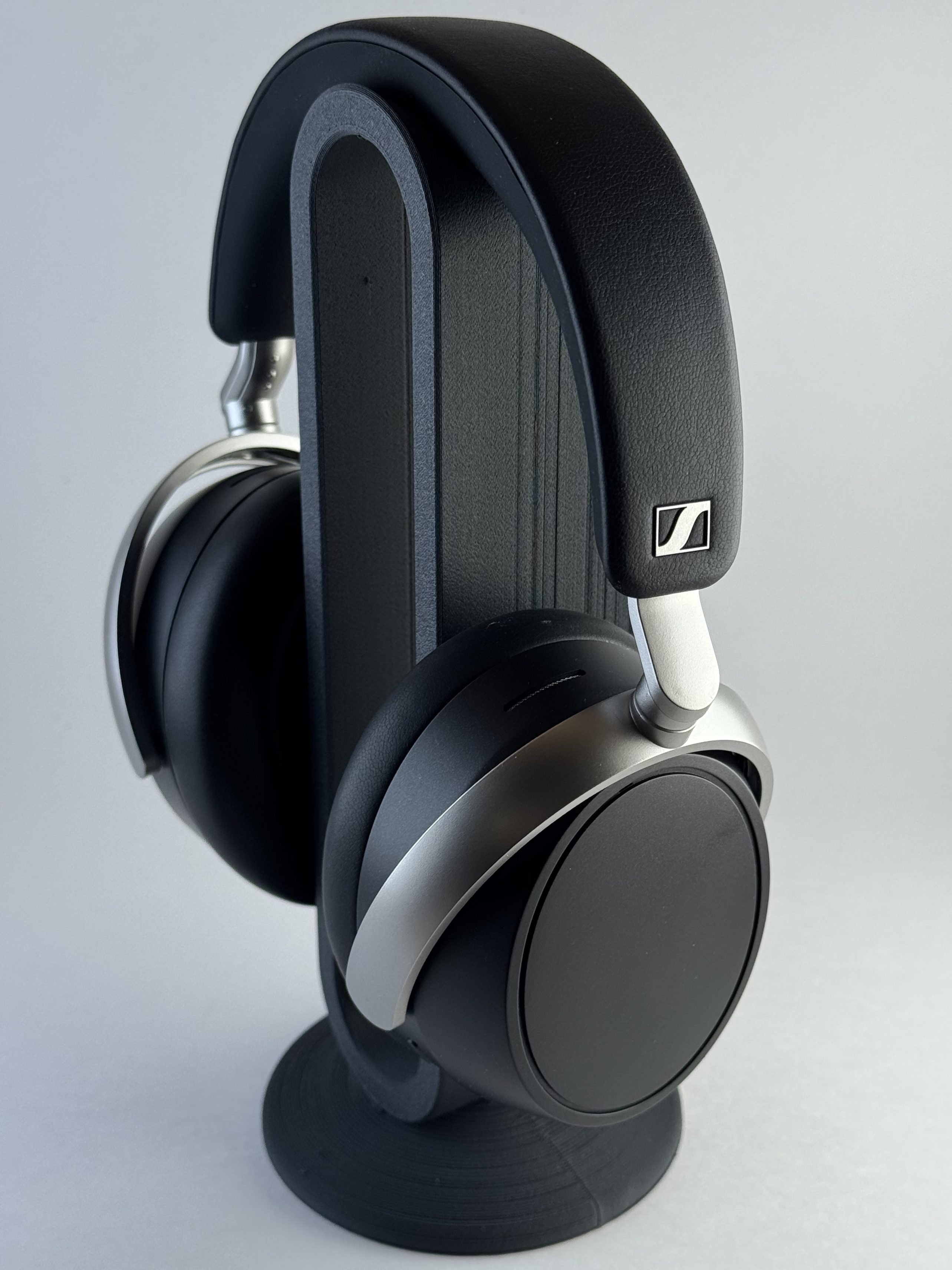
[Tl;dr: I’m going to offer a hot take here and zig where everyone else is zagging. The Sennheiser HDB 630 are a good pair of headphones at a bad price point. I love the ethos behind the 630 and I hope that future active headphones follow its path in terms of offering parametric EQ, dongle compatibility, and a good, neutral-ish baseline tune, but I just can’t justify paying this price. For the money, I’d personally rather get a pair of Sennheiser’s older model Momentum 4 headphones and a pair of good open-back headphones for non-mobile use. The audio delta and different feature set between the M4 (properly EQ’d) and the HDB 630 isn’t as big as the price differential would suggest. The things that make the 630 better than the M4 are mostly things that a wired pair of open-backs do better than the 630 anyway. If you want one pair of headphones to rule them all, these might suit you. But for almost every use case, there’s a better, more affordable option in the current market.
The 630 is the Swiss Army Knife of audio, and there’s a reason I don’t carry a Swiss Army Knife.]
Cost-agnostic: 7 out of 10 Denalis
Cost-sensitive: 4 out of 10 Denalis
| Bass1 | Mids | Treble | Soundstage | Comfort/Fit2 | |
| Sennheiser HDB 630 (no EQ) | 4B | 3C | 4B | 3D | C |
| Sennheiser HDB 630 (w/EQ) | 3B | 3B | 3B | 3D | C |
TABLE OF CONTENTS:
Introduction
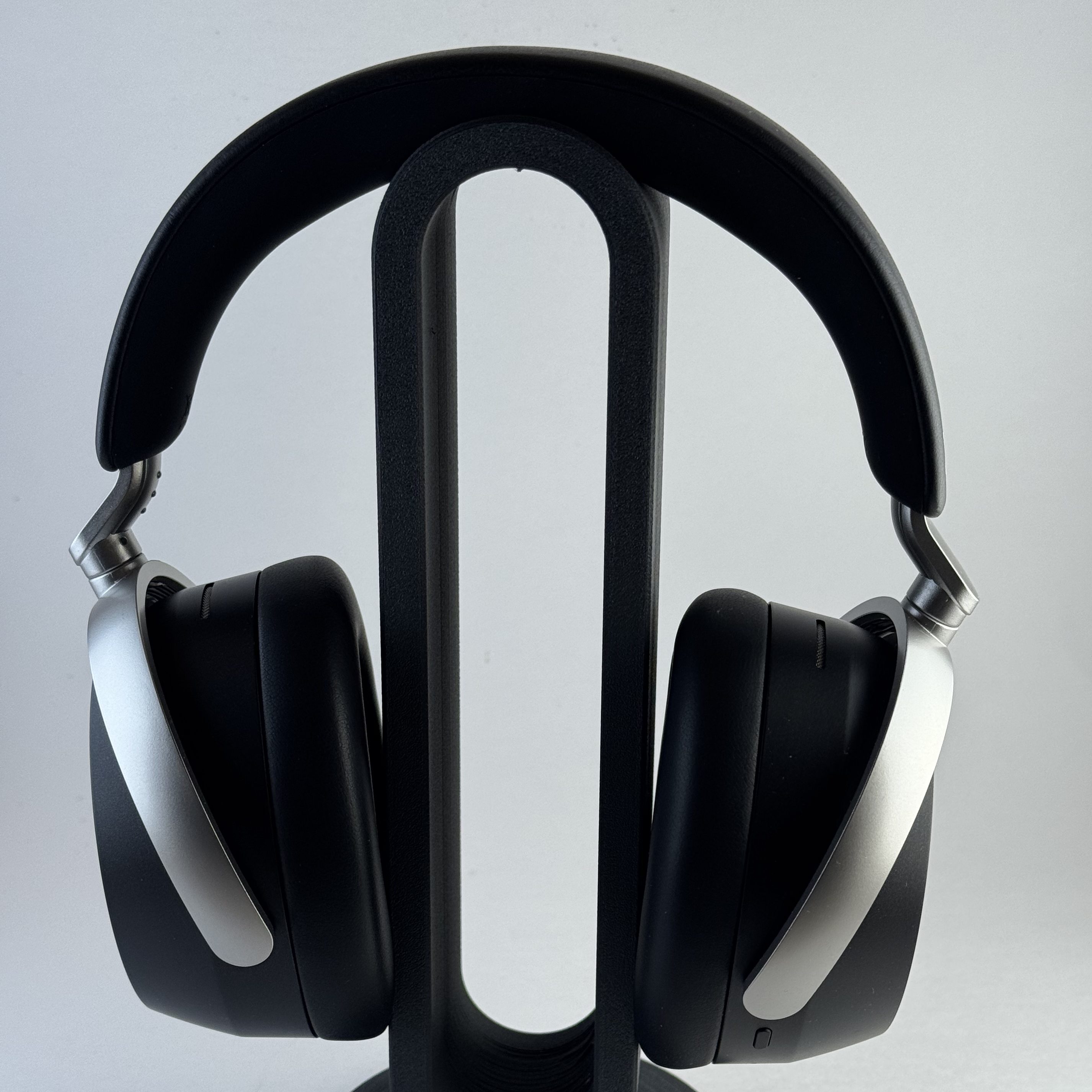
I’ve long been a fan of Sennheiser; my first pair of real headphones back in … 1992? was a pair of Sennheisers, and I’ve had probably a dozen different pairs in the time since. The Sennheiser x Massdrop 6XX was my first audiophile-type headphone, and remains my benchmark for midrange and especially vocals. There’s a pair of HD515’s hanging from my headphone rack right now (though I’m less a fan of Sennheiser’s single-cable offerings than most), and I think fondly of the pair of OG Momentums that my dad used to have. Oh, and there’s a pair of RS175s in my living room connected to my theater system for when we have guests and I want to listen to TV (though I probably wouldn’t use them for dedicated music listening). I also really enjoy the Momentum 4, until last year Sennheiser’s closest thing to a flagship ANC headphone; they’re my go to recommendation until you get up to the $500 mark and my favorite of the entry-level ANC options in the current market.
The Sennheiser HDB 630 (“630”) took the internet (well, at least the audiophile internet) by storm in 2025. Sennheiser pitched it as an audiophile-grade ANC headphone (“Audiophile sound, cut loose” was one of the tag lines). They were priced a little more aggressively than some of the competition (the Focal Bathys retails around $799, though it’s often on sale substantially lower). They made a lot of end-of-year best-of lists, though interestingly in at least some cases it wasn’t because they were necessarily the best-sounding product, but more about what they represented in the market: a pair of ANC headphones with full (albeit band-limited) parametric EQ and a good baseline tune. I was intrigued, but couldn’t get myself to spend $500 on another pair of ANC headphones … until I sold a couple of other pairs to fund them and found myself in St. Louis for a week with a lot of free time in the evenings.
The 630 are an interesting proposition, all around, between the parametric EQ, the fact that they ship with a low-latency Bluetooth dongle (potentially ameliorating some of the connection issues of their little brother, the Momentum 4), and a revamped, more audiophile-friendly baseline tune. But do they stack up?
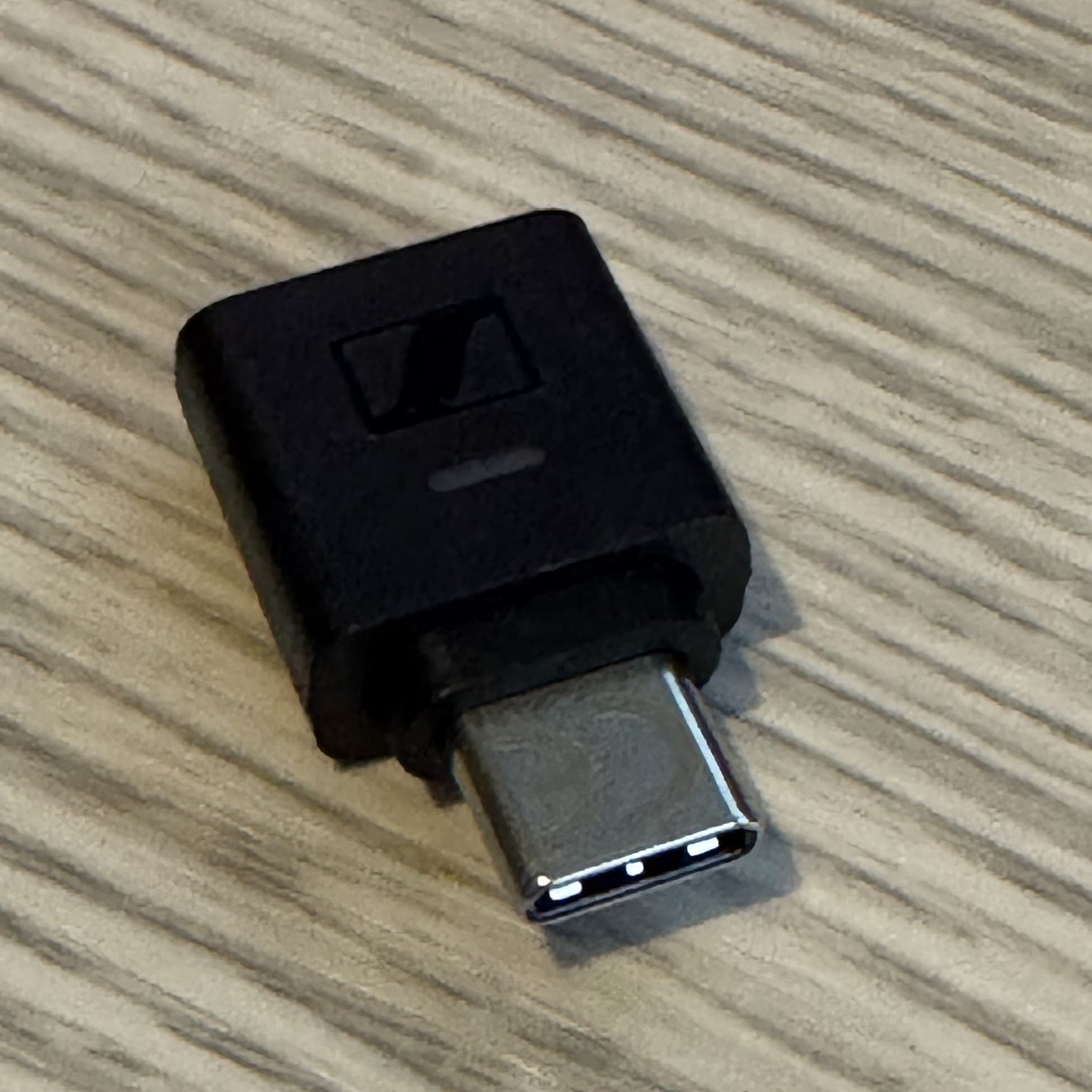
[Phil’s Pro-tips for success with the HDB 630:
- Turn off the “Smart Pause” feature in Settings; it’s very sensitive and for me, chewing something sometimes moves the earcup enough to break the seal and pause the music.
- Unless you NEED them, turn off the touch controls. They’re … a lot.
- Turn off the “Auto-Answer Calls”.
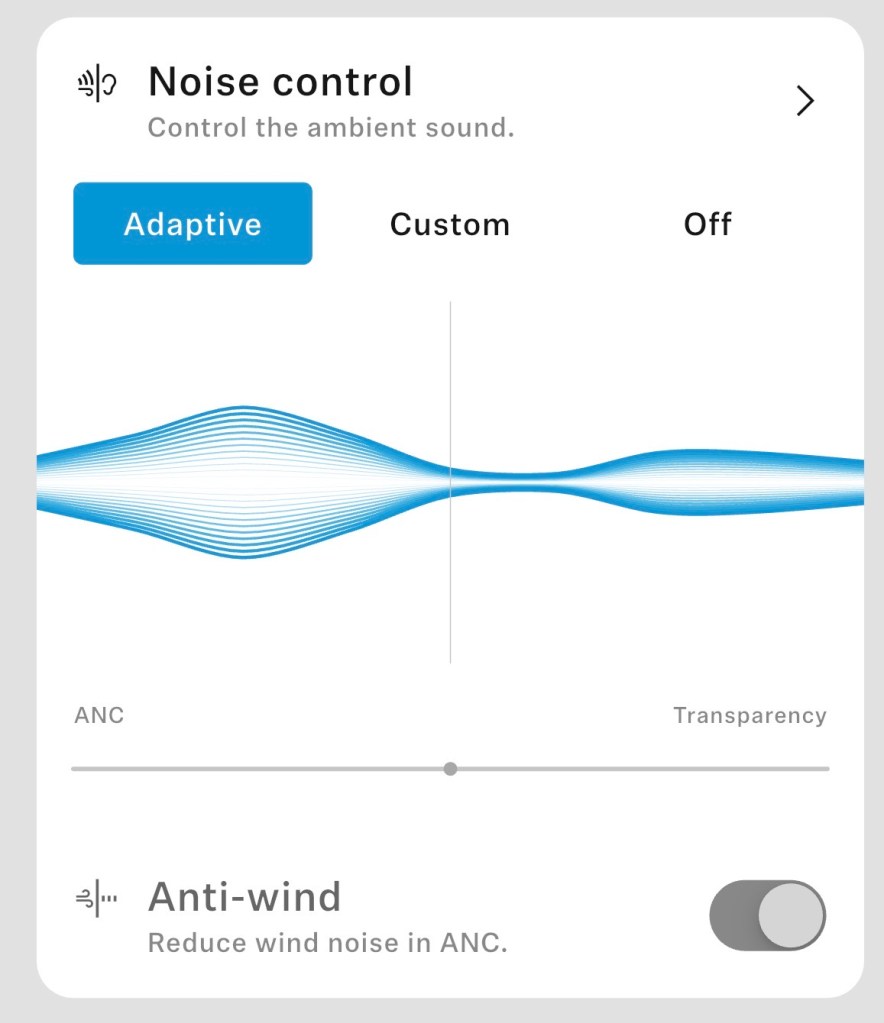
- Turn off “Anti-wind” by default; for me, it creates some weird artifacts.
- If you’re going to use “Custom” noise control instead of Adaptive, don’t turn ANC up over 75-80%; to me, it deadens the sound in a very unpleasant way.]
Review notes
Testing rig
Here’s my basic testing protocol.
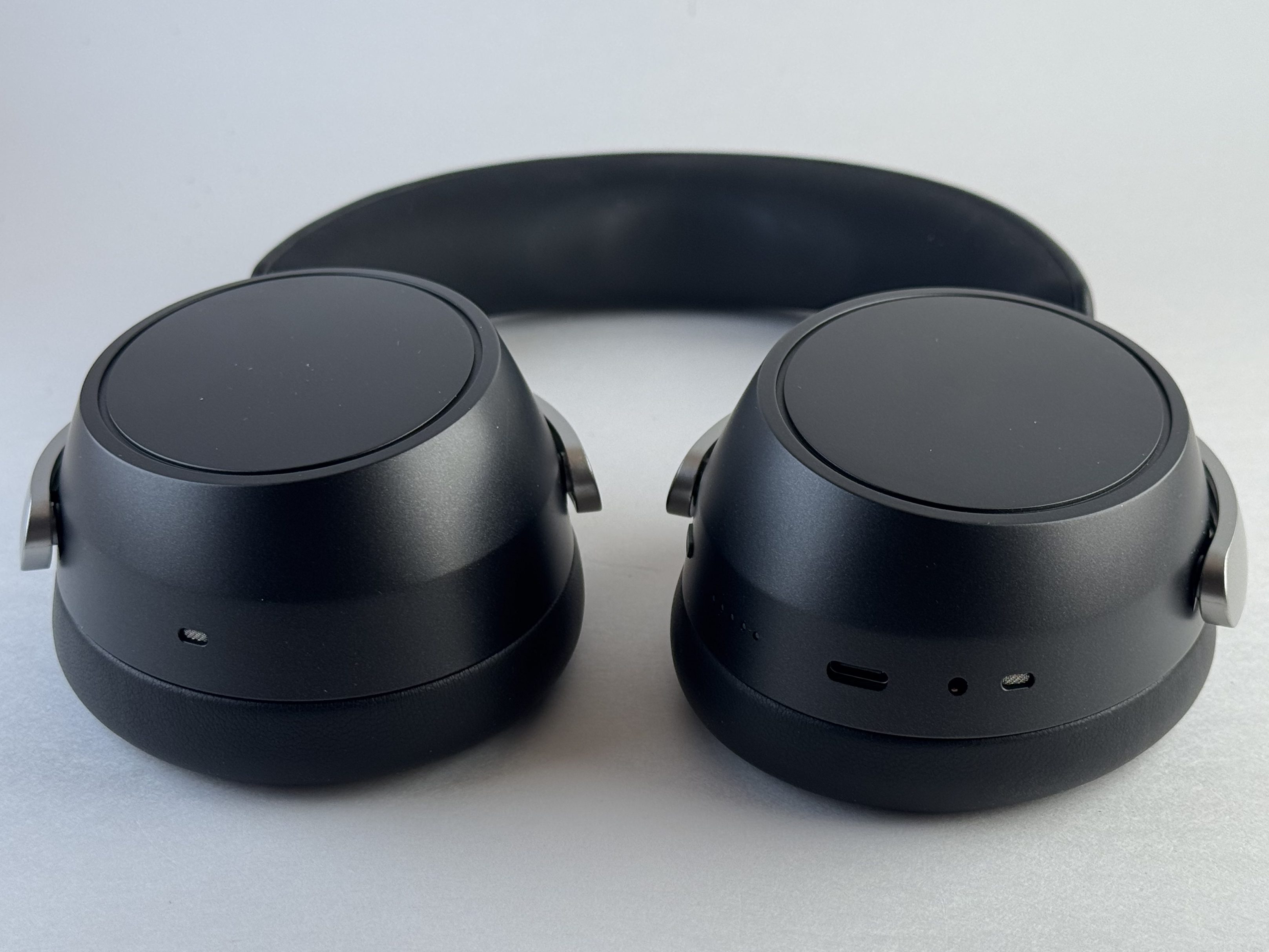
The HDB 630 is intended primarily as a wireless Bluetooth headphone, so that’s the way that I’ve been mostly listening to it, but it also has a well-regarded DAC mode where you connect it to a source via USB-C cable and let the headphones do its thing with lossless (or high resolution!) files. I’m mostly doing my listening to the HDB 630 connected via the BT 700 Bluetooth dongle to a Mac Studio running the Roon client, but I’ve also connected to my iPhone 15 running Roon. For DAC mode testing, I’m using it as a Roon endpoint connected to my Mac Studio. I’m also testing it primarily in Adaptive mode with Anti-wind turned off; to me, that’s the way to get the best sound out of them.
EQ
As noted in the Bathys review, I mostly prefer to test headphones with their default tuning, assuming that most people won’t take the time or make the effort necessary to use a third-party EQ. I tend to make exceptions for headphones where EQ is a in-built function, viewing it as part of the package I’m reviewing. Ultimately, the HDB 630 really don’t need EQ; they sound pretty good to me out of the box, even if they’re a little bassy. As I’ll discuss a bit below I did play with the sound personalization tool in the Sennheiser app and it spat out a V-shaped tune with quite a bit of extra bass. That’s kind of wild, given that I find the thumpiness of the “neutral” setting a bit too much as it is. I found that in practice I … didn’t love the bassiness of it and stuck mostly to the neutral EQ for my testing.
EQ Update
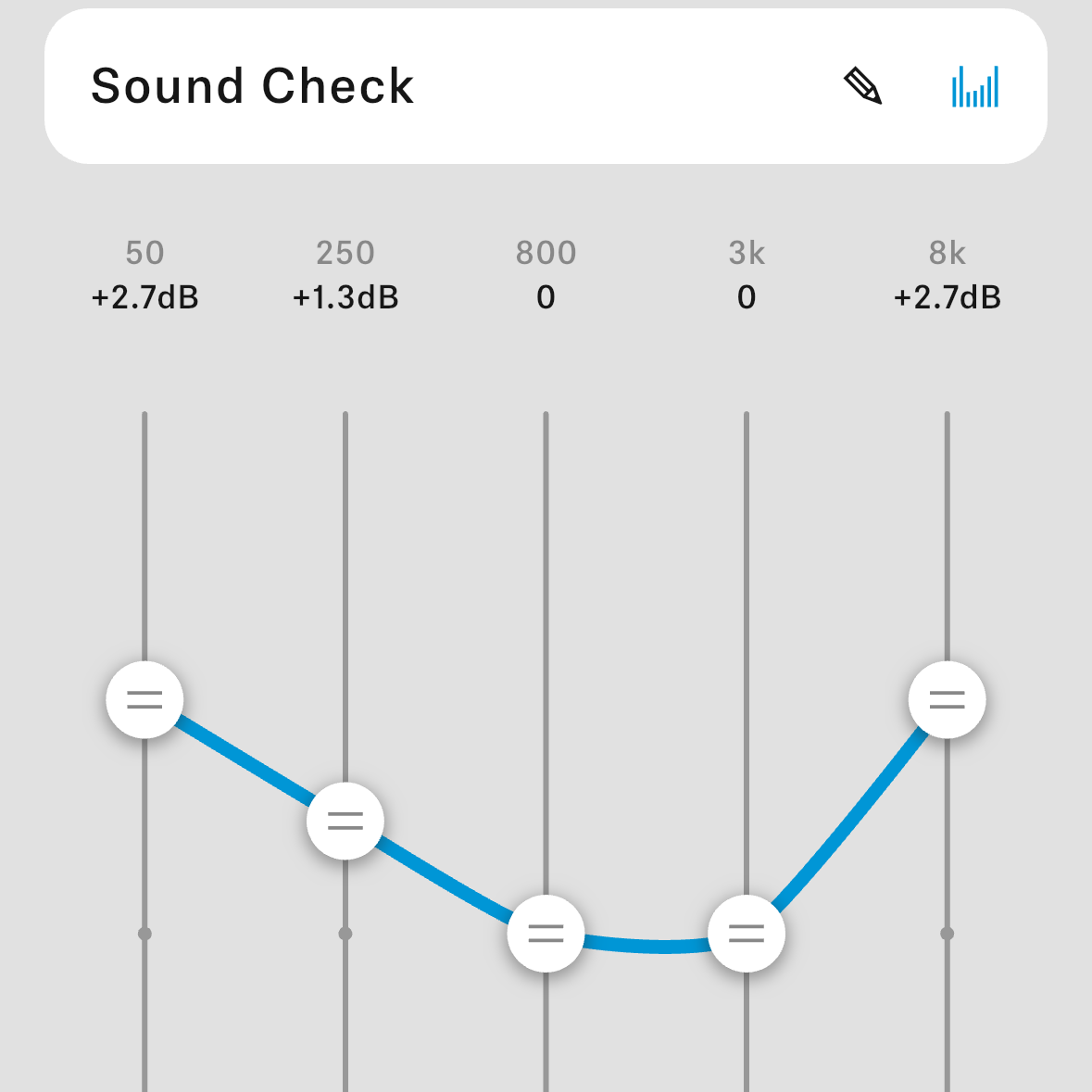
[EQ Update: While I did most of my listening with the the stock “Neutral” profile, I’ve also been enjoying this one from Redditor Pale-Professor, and I think it’s what I’d use with the 630 for regular listening.
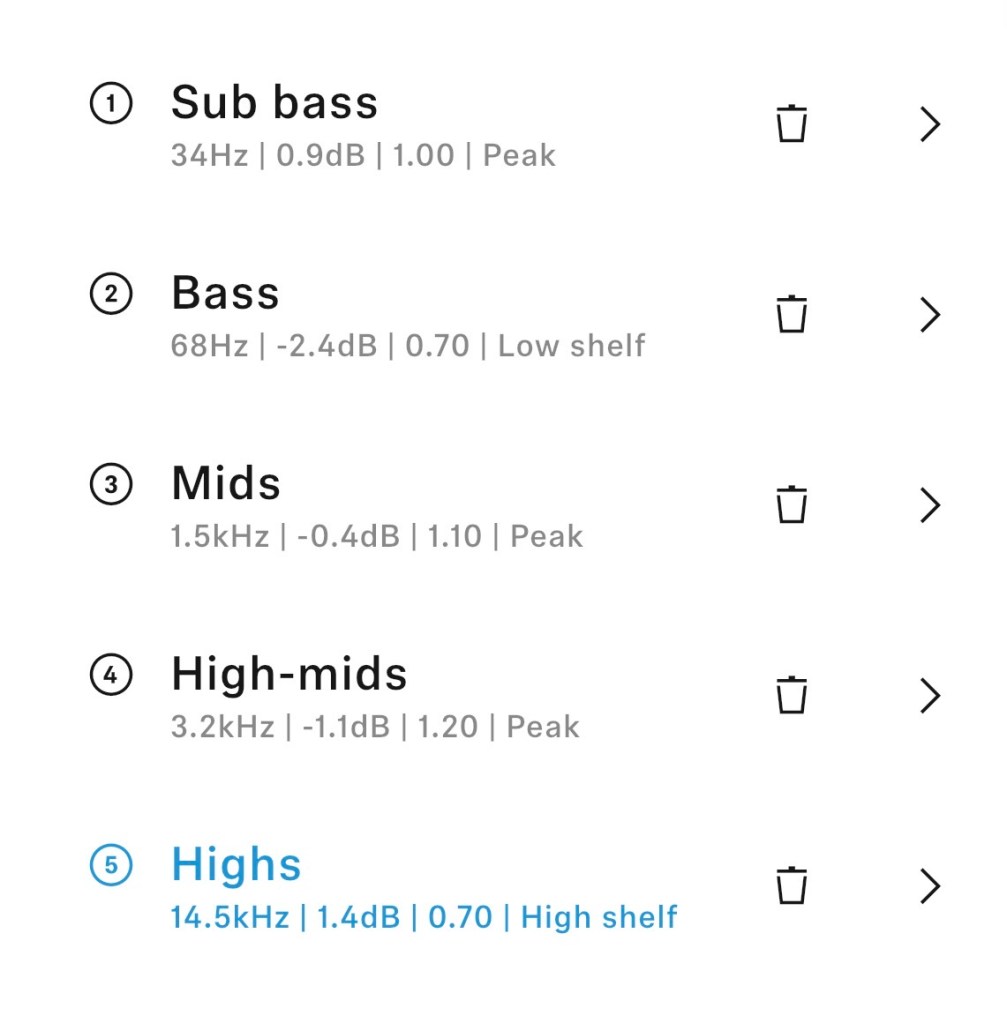
This adds a little richness to most of the frequency response while tamping down the boom.]
Volume
It’s particularly hard to judge the volume settings for the HDB 630 when connected to a Mac via the Bluetooth dongle; right now, I’m listening at 68% volume in Roon but adjusting the volume via the touch controls doesn’t change the volume in Roon, and the volume on the headset appears to immediately reset to 68% (unbearably loud) every time a track changes. It’s a little more consistent on an iPhone, where it appears to adjust the device volume when you use the touch controls.
- Mac via Roon: 36%?
- Mac via Apple Music (system volume controls); 40%
- iPhone running Apple Music: 50%
Regardless, these can definitely get to an ear-breaking volume on the devices I tested.
My torture testing list
The Basics
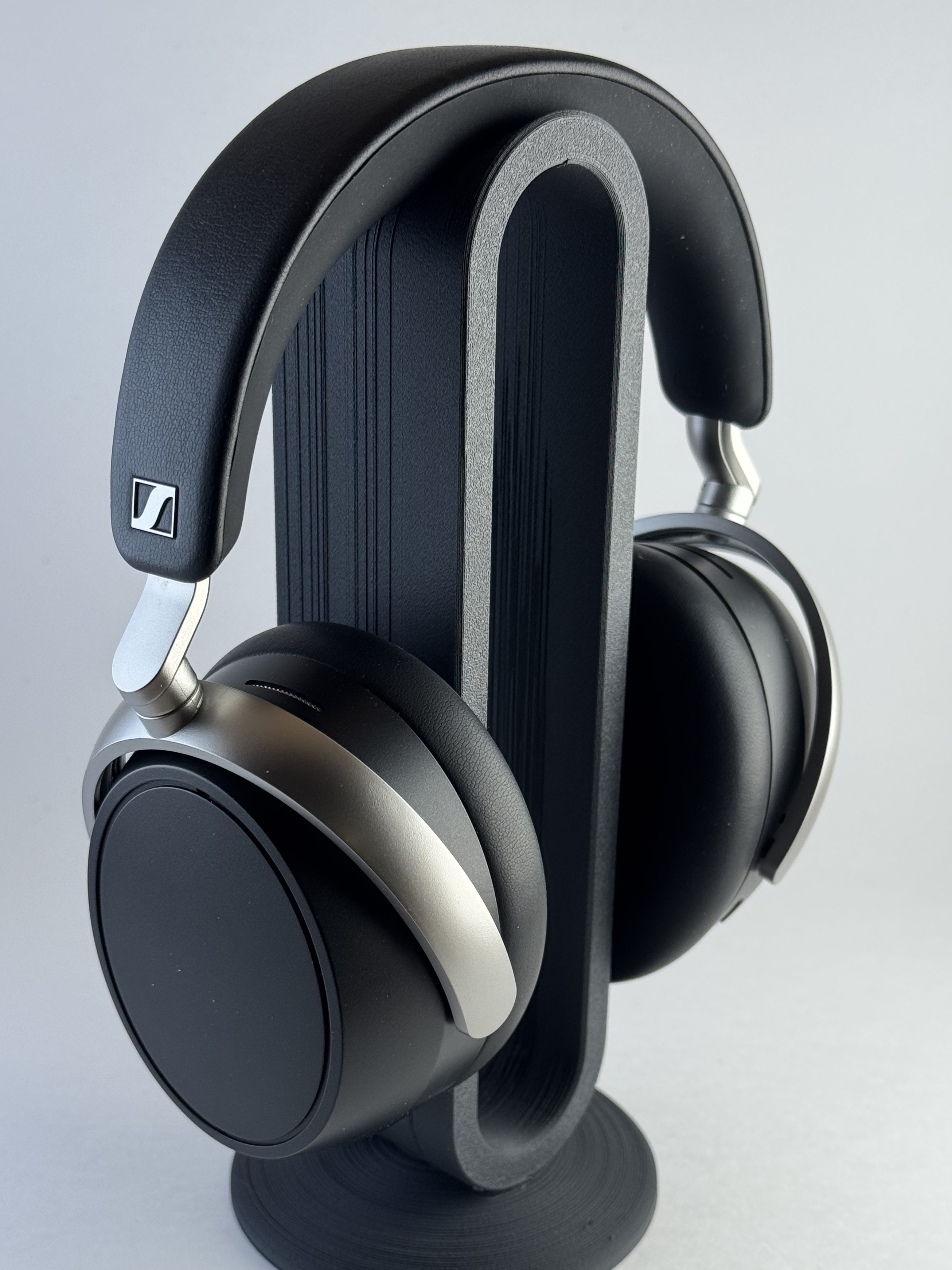
The Sennheiser HDB 630 is, in a lot of ways, an updated and audiophile-focused new version of the old Sennheiser Momentum 4. It’s a prosumer-grade wireless, active noise canceling (ANC) headphone from venerated headphone manufacturer Sennheiser (though it’s from what used to be the consumer division which is now owned by Sonova3 after the 2022 purchase of that division from Sennheiser). They share much of the physical form factor of the Momentum 4 (M4), though they are around 15 g heavier, a bit thicker, and come with a substantially different base tuning (and a much more powerful set of options for on-board equalization), as well as an included BTD 700 low-latency Bluetooth dongle and support for the aptX Adaptive codec. It maintains most of the M4’s touch controls, though they seem a little more consistent and sensitive than that prior generation
Like the M4, the 630 can connect 1) via Bluetooth (either native Bluetooth connections on a source device or via the included, $50 USB-C BTD 700 dongle), 2) via a USB-C cable (DAC mode), or 3) via a proprietary 2.5 mm to 3.5 mm analog cable. In all three modes, the 630 must be turned on4 and the battery will continue to drain. During playback, you have your choice of three modes: “Adaptive” (let the device decide the transparency/ANC mix), “Custom” (you select based on a slider), and “Off” (no ANC/transparency).
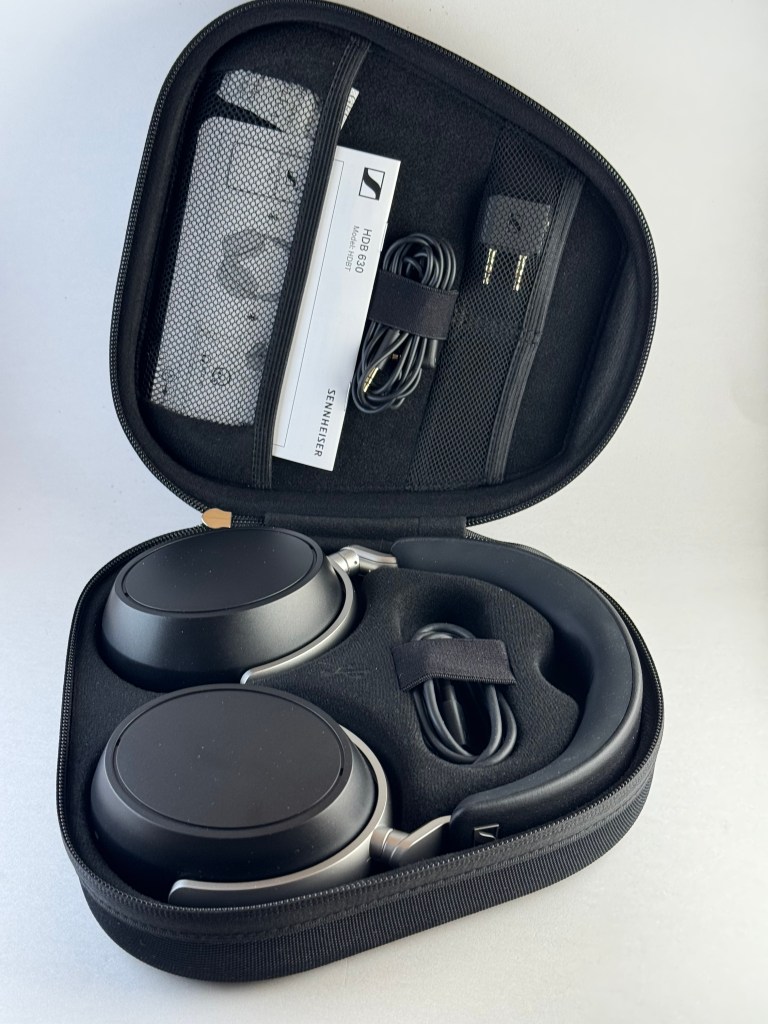
In the box, you get the the headphone, a reasonably nice semi-rigid case, a USB-C cable, the 2.5 mm to 3.5 mm analog cable, a plane adapter, and the aforementioned BTD 700 Bluetooth dongle.
Sennheiser’s SmartControlPlus App
The Sennheiser SmartControlPlus app (not to be confused with the prior SmartControl app) is a reasonably mature product. Here’s what I had to say about it in my Momentum 4 review:
“Sennheiser offers two free apps for use with the M4: the old Smart Control app, and the SmartControl+ app. I believe the former is intended mostly for older models, and I would absolutely recommend using the SmartControl+ app. The app allows you to choose two devices to connect at any one time,4 a visual interface for “noise control” (aka ANC, adaptive mode, and off), “My sound” (aka equalization), “Sound zones”,5 and some “find my headphone functionality.” The app is pretty well done and regularly updated with new features, though they made some odd choices, particularly with regards to the EQ screens.”
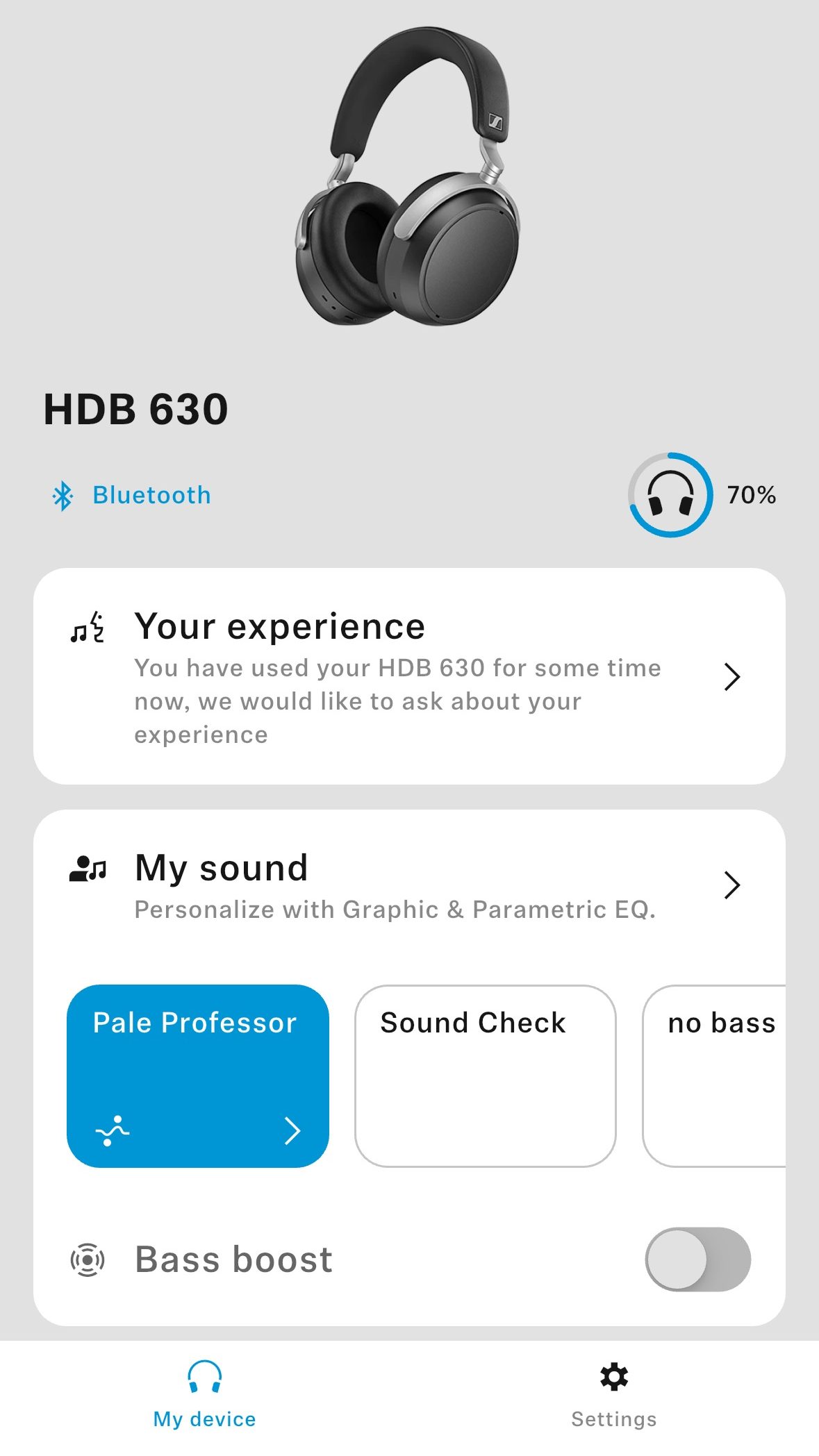
This is all still basically true, though connecting the HDB 630 gives you a few additional options, namely five-band parametric EQ functionality5 (with an upgraded, really well-done interface for adding your own bands) and updated connection management tool to reflect the BTD 700 dongle that’s paired to the headphones by default.
Sound Personalization
While the 630 offer a kind of sound personalization, it’s much less interesting (or effective?) than the one in the Naim & Focal app for use with the Focal Bathys. While the Naim & Focal app gives you a modified hearing test, the 630 just asks you to pick from three options several times (not unlike an eye exam). The result I got from the testing was a VERY v-shaped profile, on a headphone I already had some slight issues with bassiness on, which makes me pretty skeptical of it all around. But, if you’re struggling to know how to EQ it, might be worth a try?
Sound
The soundstage on the 630 is pretty good for an ANC headphone, or even for a closed back. You get reasonably wide left to right soundstage, though on a track like “Love Can Damage Your Health (Laid Mix)” you get VERY little front-to-back or rotational soundstage. Instrument separation within that stage is less impressive; while you can hear all of the instruments on “Chan Chan” and they’re all in roughly the right places, they tend to bleed together a bit during playback and it’s hard to tell specifically where they are in the mix or to distinguish between instruments in similar frequency ranges. Soundstage isn’t the end-all, be-all for me, especially for ANC use cases, but I would caution against trying to use these for gaming where you care a lot about precision, and personally I want better separation between instruments for most music (especially louder, more complex music).
The dynamics are surprisingly good, especially for an ANC set. Starting “It’s All So Incredible Loud” at a reasonable volume gets unpleasant around 2:20. The microdynamics are also relatively impressive, especially on the bottom end: the bell tones at the beginning of “Angel (Blur Remix)” have heft and weight and slam, and you get a surprisingly satisfying and accurate warble on the back end of those tones. Less punch up top on the treble tones, but well within an acceptable range.
Overall, the detail and resolution on the 630 don’t blow me away or disappoint me. Particularly for an ANC headphone, they’re pretty decent; nothing feels like it’s missing during a listening session, but I also don’t hear anything particularly better or more clearly with them. I’d put them roughly on par with the Focal Bathys for detail (and that’s a compliment; I love that headphone and it’s my benchmark for wireless/ANC).
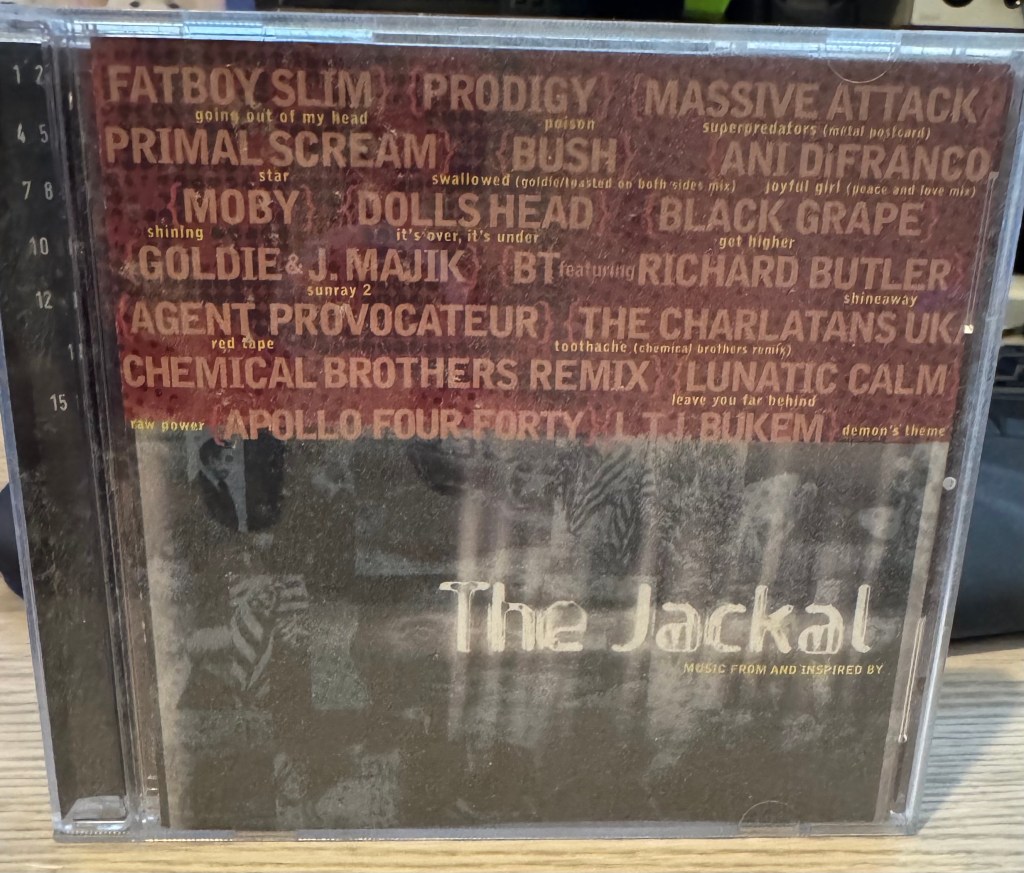
Out of the box, I find the bass on the 630 to be a bit elevated, particularly in the mid bass where it can occasionally be a little rattling or feel like it might induce a headache over a long-enough time frame. You definitely get more of the bass line on “Angel (Blur Remix)” than you do on a lot of comparable headphones, and they do a better job with filling in all the bass notes on “Got ‘Til It’s Gone” than most headphones I’ve tried. Good punch and precision on the bass overall, even if I personally want to turn it down a bit, and it doesn’t go particularly splattery even on a track like “Superpredators” which challenges a lot of headphones in this general range.
The midrange on the 630 is solid, though not quite up to the high standards of Sennheiser’s 600 series. Timbre is generally pretty good and natural, though occasionally Janet Jackson’s voice slides a bit into the metallic on “Got ‘Til It’s Gone” and Jill Scott gets a little lost in the mix on “Calls” (and her runs/countermelodies throughout really disappear into the background unless you’re specifically listening for them).
The treble on these is … fine. Not my particular cup of tea, with a little brightness and harshness on some tracks. Even at a pretty reasonable overall volume, the muted trumpet solo on “Will O’ the Wisp” can be glary and unpleasant, as can the guitar riff on “2021” (though to a lesser degree). Fortunately, these headphones come with parametric EQ, so this can be corrected pretty easily! I’ll personally EQ this down a bit, though it’s frequency-specific enough that I think it’s going to be a pain to try to nail down without a measurement rig. And it’s worth noting that your mileage may vary; I’m not hugely treble-sensitive but it’s definitely the thing that most determines whether a pair of headphones is one I can listen to or not. This isn’t enough to make me discard these headphones.
Overall, this is probably my favorite out-of-the-box tune on a ANC headset I’ve ever tried (with the Focal Bathys a close second, at least until I applied Sound Personalization); for me, most of them are a bit too consumer-tuned and have so much bass that I can’t really take too long with them. With the 630 it’s more of a “oh, that’s a bit much” rather than a “I can’t take this anymore,” which is a huge improvement.
Gaming
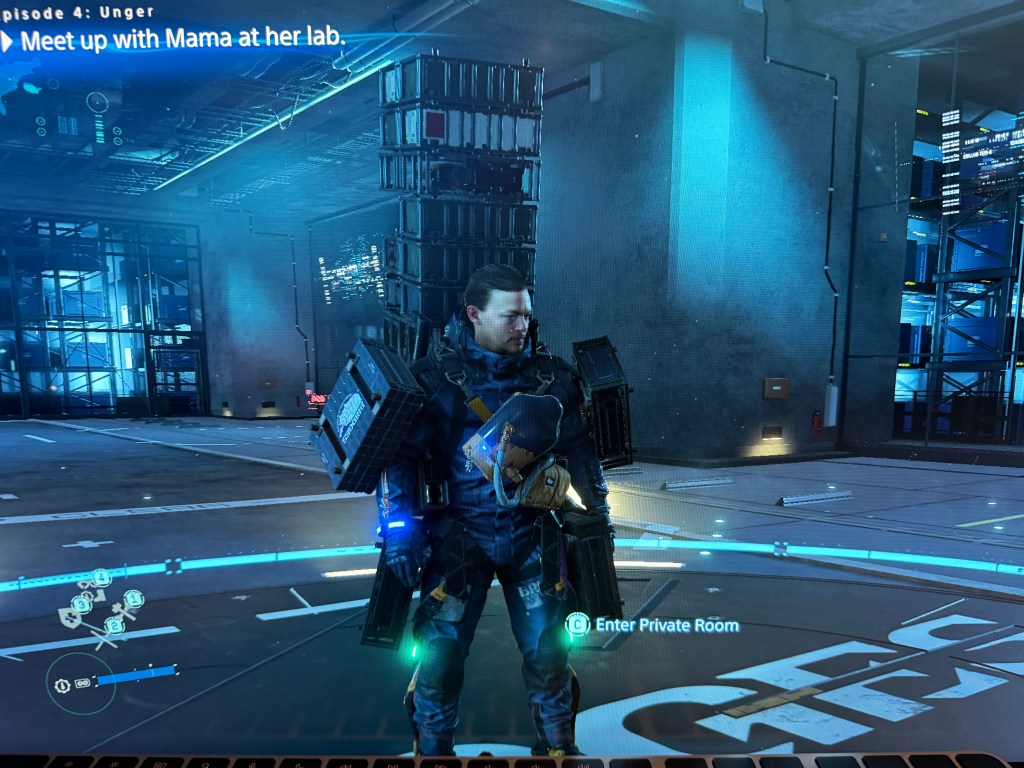
Despite the inclusion of a low-latency mode (three taps on the BTD 700 during playback), I probably wouldn’t recommend using these for gaming, and particularly not for gaming where you’d want to be able to talk to someone. The soundstage is reasonably wide but I find that there’s not a lot of separation and precision within that stage, enough that I wouldn’t want to use them for an FPS or anywhere I care much about locating things in space. Even on a single player game like “Death Stranding,” I found myself struggling a bit to place BTs or the feline-type catcher in space, particularly where I didn’t have line of sight due to buildings. Latency wasn’t an issue, though, which is pretty cool for a Bluetooth headset.
It’s also worth noting that like most Bluetooth devices, turning on the microphone will tank the incoming audio quality as your bandwidth is split between outgoing and incoming sound, so you definitely don’t want to use the microphone for anything other than simple voice chat.
Noise Cancellation/Transparency
I would put the 630s noise cancellation about on par with the Focal Bathys, though they are good at different things.
I had the opportunity on a recent flight from St. Louis to Seattle to test the 630 out extensively. On a plane, full ANC more or less completely eliminates engine noise, while still allowing through some passenger noise and definitely loudspeaker announcements (albeit much attenuated). I find that running noise cancellation at full blast makes the sound a bit flat and not my favorite, and the sweet spot for me seems to be around 75% ANC on the “Custom Mode.” Adaptive mode was unpleasantly loud for me, and I would not recommend it on a plane.6
The good: one of the best things about the 630’s ANC for me is the degree to which it doesn’t wash out the bass response. On a lot of ANC headphones (including my beloved Bathys), ANC kills some of the resonance and depth in lower frequencies.7 The 630 still gives you a pretty good, full-frequency range performance even on very high ANC settings.
Now, the bad: that ANC is VERY dependent on position, and even chewing food or moving my jaw around occasionally messed with it. You also get a much less quiet overall background, and quieter music is harder to enjoy than on something like the Bathys where you get a blacker background; on the 630 you’re accepting more middle and higher-frequency noise coming through in exchange for complete elimination of lowest frequency noise, and my brain at least is better at filtering the low, steady stuff on its own.
Finally, the ugly: I find the over-pressure generated by the 630 in higher ANC modes really, really unpleasant. It’s not as bad as the Sony XM line, but it’s enough that it feels like it takes hours for my ears to reset after I take them off. They’re not bad enough to trigger vertigo for me (unlike, say, some early Philips sets), but they’re not a lot of fun to wear for long periods of time in a loud environment. That’s an intensely personal experience and your mileage may vary, but I find them very uncomfortable to wear for more than a couple of hours.
Basically, if your top priority is noise cancellation, go with something from Sony. But the noise cancellation on the 630 is good enough for most of the situations in which I actually find myself in, even if they wouldn’t be MY first choice.
Build Quality & Appearance
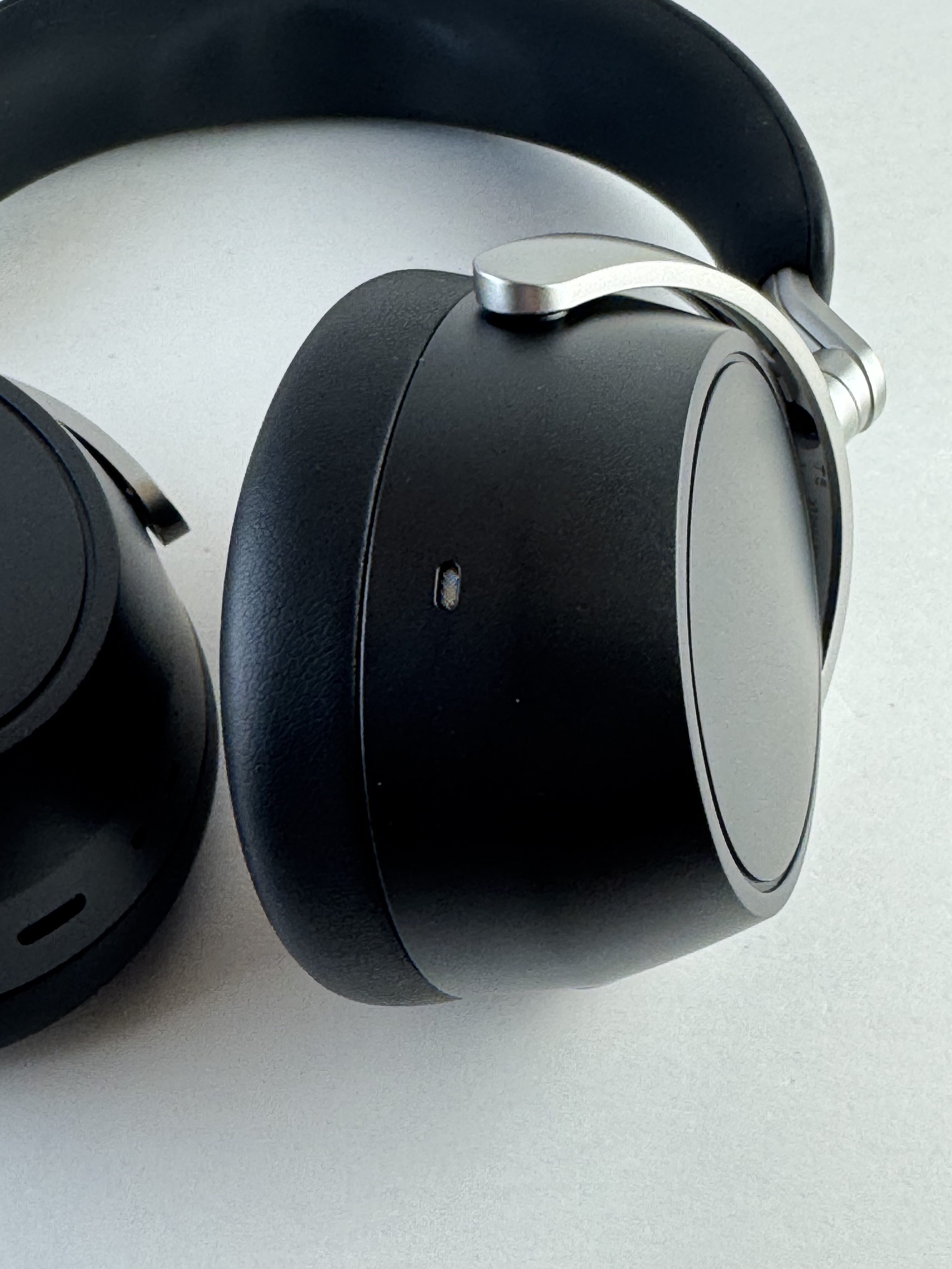
I’m generally pretty pleased with the design, build, comfort, and appearance of the 630.
Controls
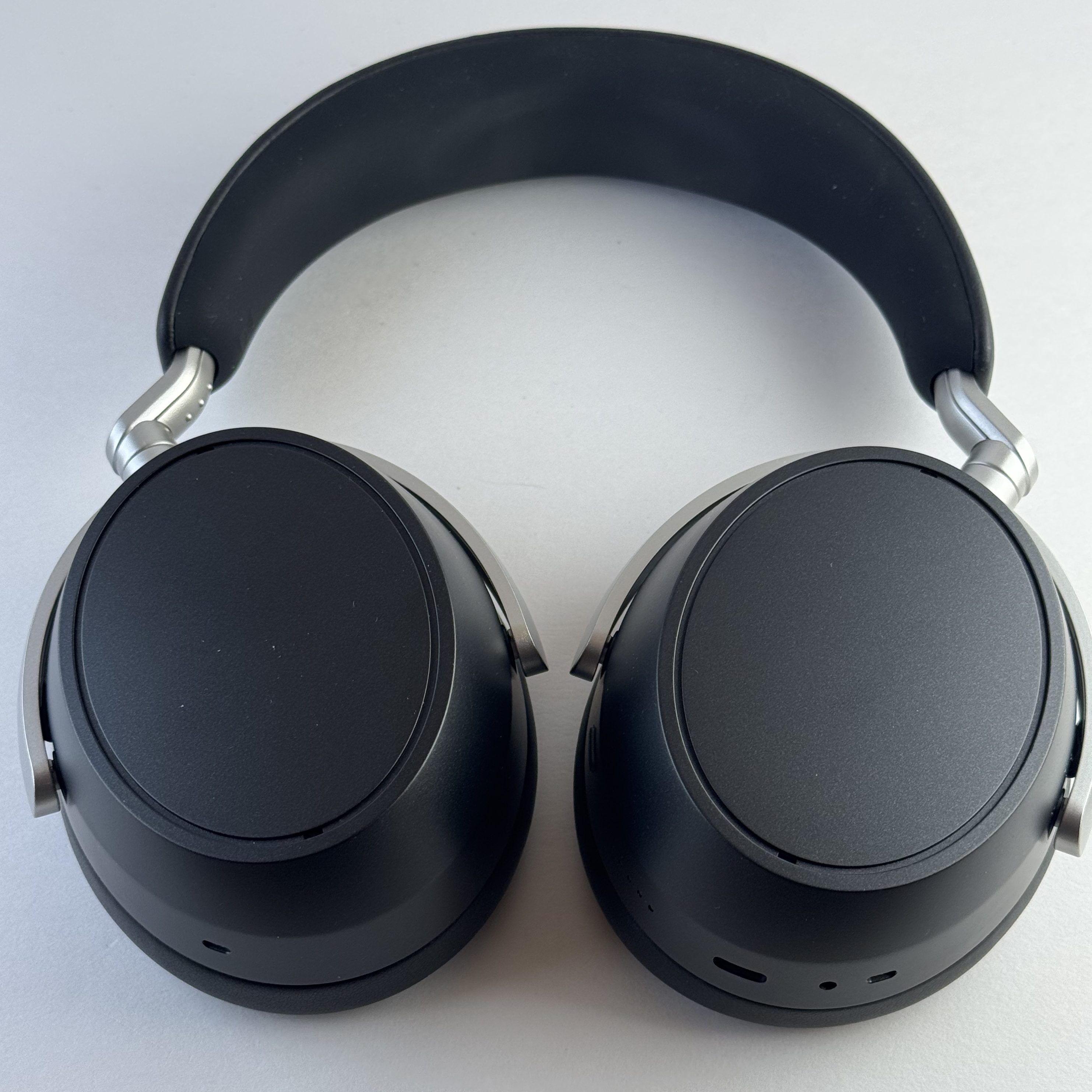
I’m going to start by reiterating what I said in my Momentum 4 review:
“I don’t know why companies are so enamored of touch controls over physical buttons, especially on a device that’s worn on the head and designed to be used at least partially outside. The M4 has one button, on the right cup, and it is the on/off/pairing button. You turn on the headphone by a surprisingly long press of the button,8 and either turn them off or enter pairing mode by a long or longer press of the button while they’re turned on. The outside of the right cup is also a touch panel, with the following functionality:
- Pinch out: shift slider from ANC to transparent (only in Custom mode)
- Tap (in theory pause/play, but also sometimes transparency mode? I’m so confused.)
- Swipe up: volume up
- Swipe down: volume down
- Swipe forward/right: skip track
- Swipe back/left: restart/previous track
- Pinch in: shift slider from transparent to ANC (only in Custom mode).”
Those things are also pretty true of the 630. It does make the touch controls a less frustrating exercise than the M4, being both a little more responsive and more consistent in application. They also seem to be less prone to false inputs from brushing against a hat or a hood, though I still had some problems particularly with gloves in my hands. They also managed to reduce the microphonics issue from the M4, so using the touch controls is less frustrating. So at least a step in the right direction, though I would really love for headphone manufacturers to move back towards physical controls. Personally, I mostly turned the controls off and relied on the controls on my source devices (phone, computer, etc.).
[While this is not EXACTLY a “controls” issue, the volume controls are inconsistent in a really frustrating way. At least when connected via the dongle to a Mac Studio, swiping for volume turns the volume up and down as you would expect … except that it DOESN’T change the volume level on the source device, and as a result when the next track starts it’s back to the prior volume. There’s no volume persistence, and it results in inaudibility or brain-shaking volume when you’re listening to tracks with inconsistent master volumes, like almost anything mastered in the latter half of the last century).]
Connectivity
Like the M4, the 630 can connect 1) via Bluetooth (either native Bluetooth connections on a source device or via the included, $50 USB-C BTD 700 dongle), 2) via a USB-C cable (DAC mode), or 3) via a proprietary 2.5 mm to 3.5 mm analog cable. In all three modes, the 630 must be turned on and the battery will continue to drain.
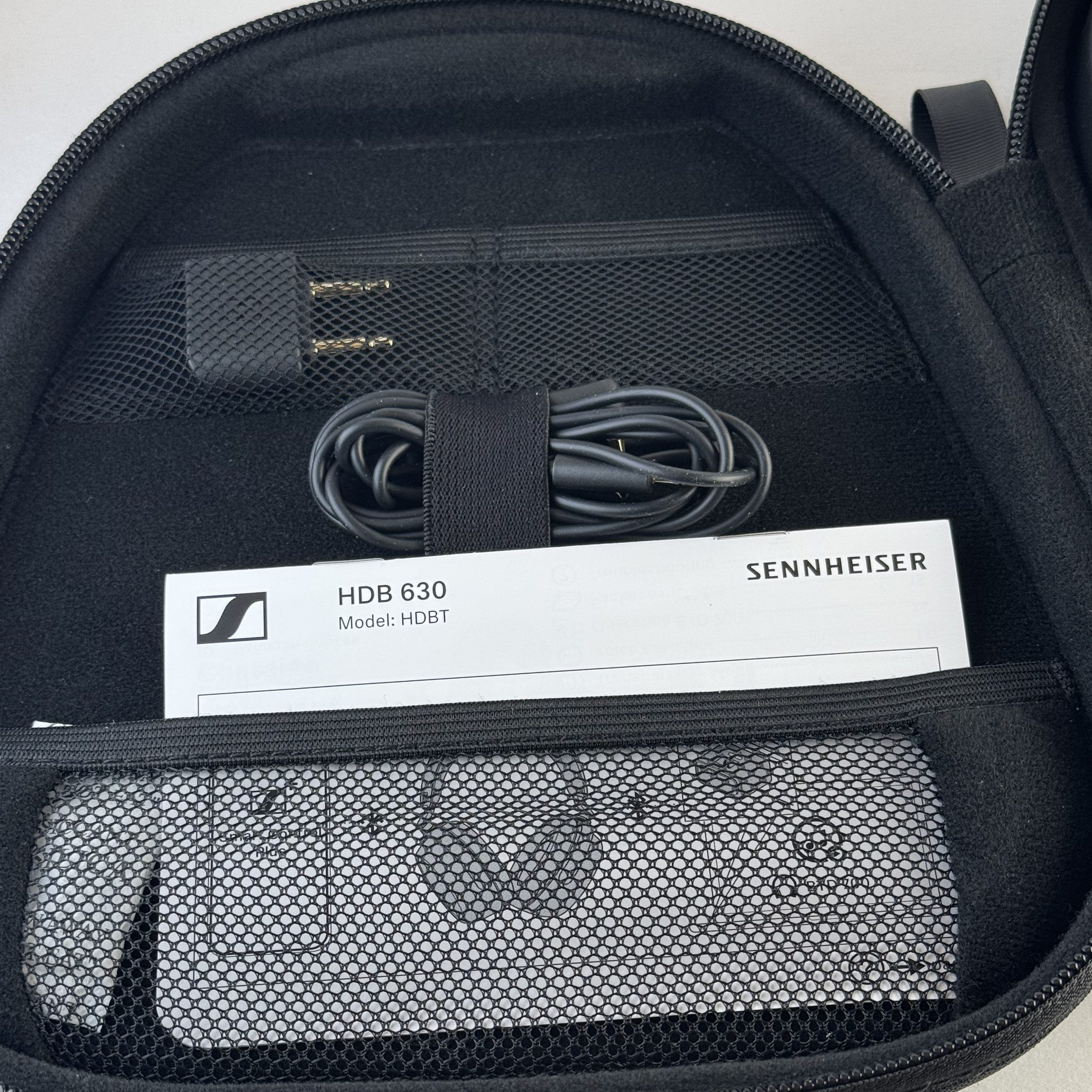
These are designed as a Bluetooth-first device, so that’s how I’ve done most of my listening. The M4 had some reported connectivity issues (though I personally haven’t had a problem with them), but I’m VERY impressed with the included BTD 700 dongle. I live in a 100-year-old house with plaster walls, which can give Bluetooth fits. I’m able to connect the 630 to my computer via the dongle and then wander all around my house, including my basement, without any drops or disconnects. Also, while I don’t do a LOT of gaming with these headphones on, I haven’t noticed any latency issues with them via the dongle (in contrast to the M4, where I occasionally experienced some lag when using them to watch movies or Youtube). I haven’t noticed any consistent differences between direct Bluetooth and dongle connections.9 [Editors note: in the latter parts of my testing, I had one annoying and reoccurring situation where plugging in the dongle or starting playback after a little downtime created very loud white noise in the cups, but disconnecting and reconnecting each time appears to have resolved it.]
The DAC mode, is, unsurprisingly, also very solid though I didn’t do that much testing with it. Connecting via USB-C lets you continue to use the SmartControlPlus app to adjust various settings, which is appreciated, though it does turn off the ability to change the volume using touch controls (skip forward/back and pause/play and pinch to adjust ANC balance still work). DAC mode takes priority over a Bluetooth connection; if you have a source connected to the 630 via USB-C it will prevent playback via Bluetooth; keep that in mind when selecting where to plug in to charge. [Pro-tip: it’s also LOUD in DAC mode when you first plug in.]
When you connect the 2.5 mm to 3.5 mm analog cable to the right ear cup, Bluetooth turns off and the 630 activates an internal analog-to-digital converter (ADC), as detailed here. This results in the headphones doing two separate conversions: it receives an analog signal, converts it to digital, applies DSP10, converts back to analog, and plays via the amplification stage. Interestingly, you are locked out of the app when connected via analog, and the 630 appears to reset its DSP to the baseline tune11 rather than using whatever EQ you’ve been using. Pinching still seems to work to adjust the ANC/transparency balance.
This … isn’t optimal, but isn’t awful. While it’s not what I’d choose, the baseline tune for the 630 is well within normal preference bounds and won’t particularly bother me in a situation where I need to listen to the 630 via analog cable, but I won’t ever choose to listen this way when Bluetooth is an option. While I can hear the difference between lossy and lossless on a sufficiently resolving system in a sufficiently quiet room, I’m not convinced that these are quite resolving enough to care very much (and I’m basically never going to be using them in a quiet enough environment to care).
It’s also worth noting that IF you’re using the built-in microphone, the audio will go to it’s Hands Free mode, tanking the quality of your listening experience. Don’t think you can use this to chat with people in video games!
Construction
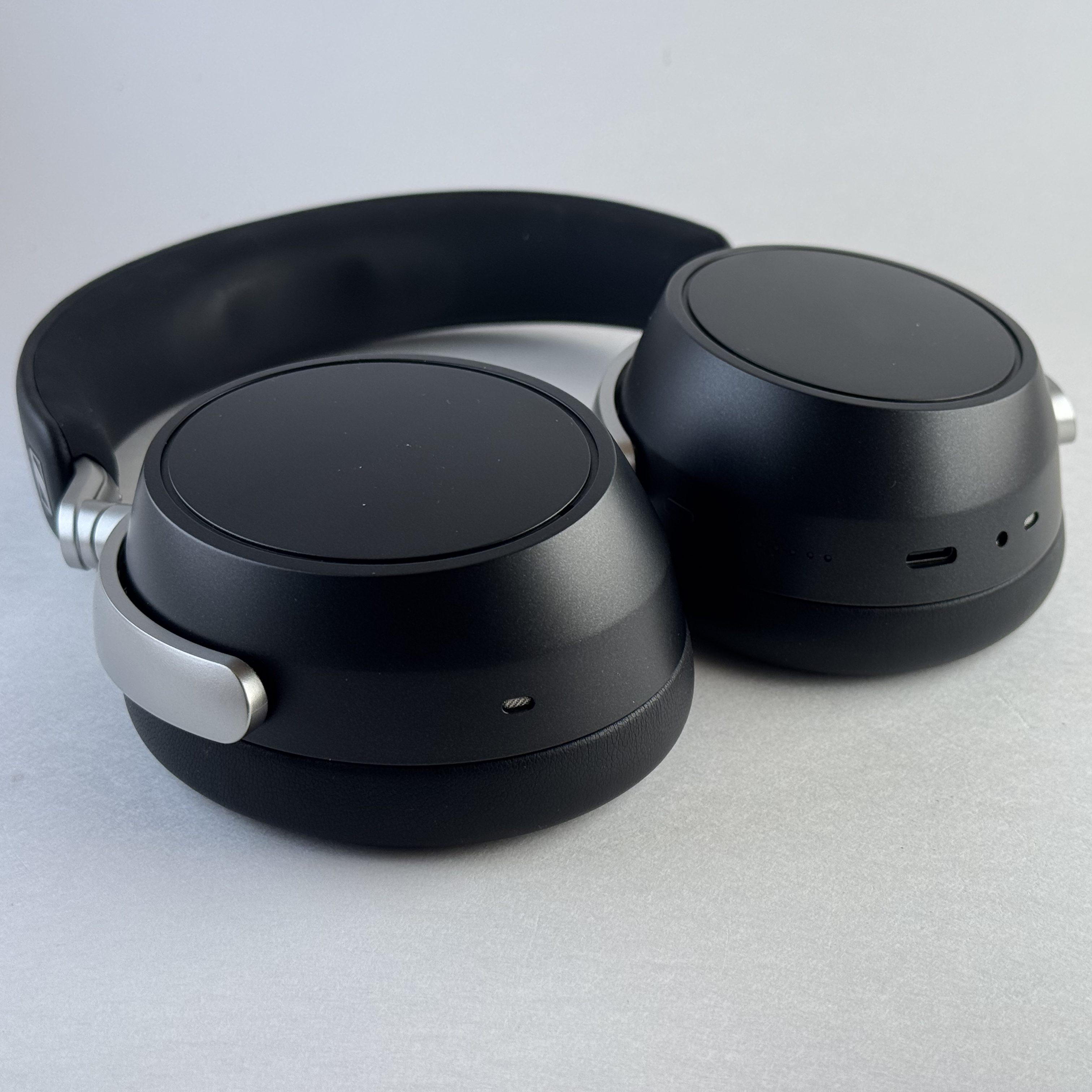
Like the M4, the 630 are a reasonably comfortable headphone for even long listening sessions (with the caveat that full ANC is unpleasant to me after a while; see above). The cups are definitely on the smaller side, so I both do a little bit of adjustment as soon as I put them on AND have to live with the cups touching the sides of my pinnae. The cups appear to be a little deeper than the M4’s, though, so at least my ears don’t brush the driver as easily when the headphones get bumped.12
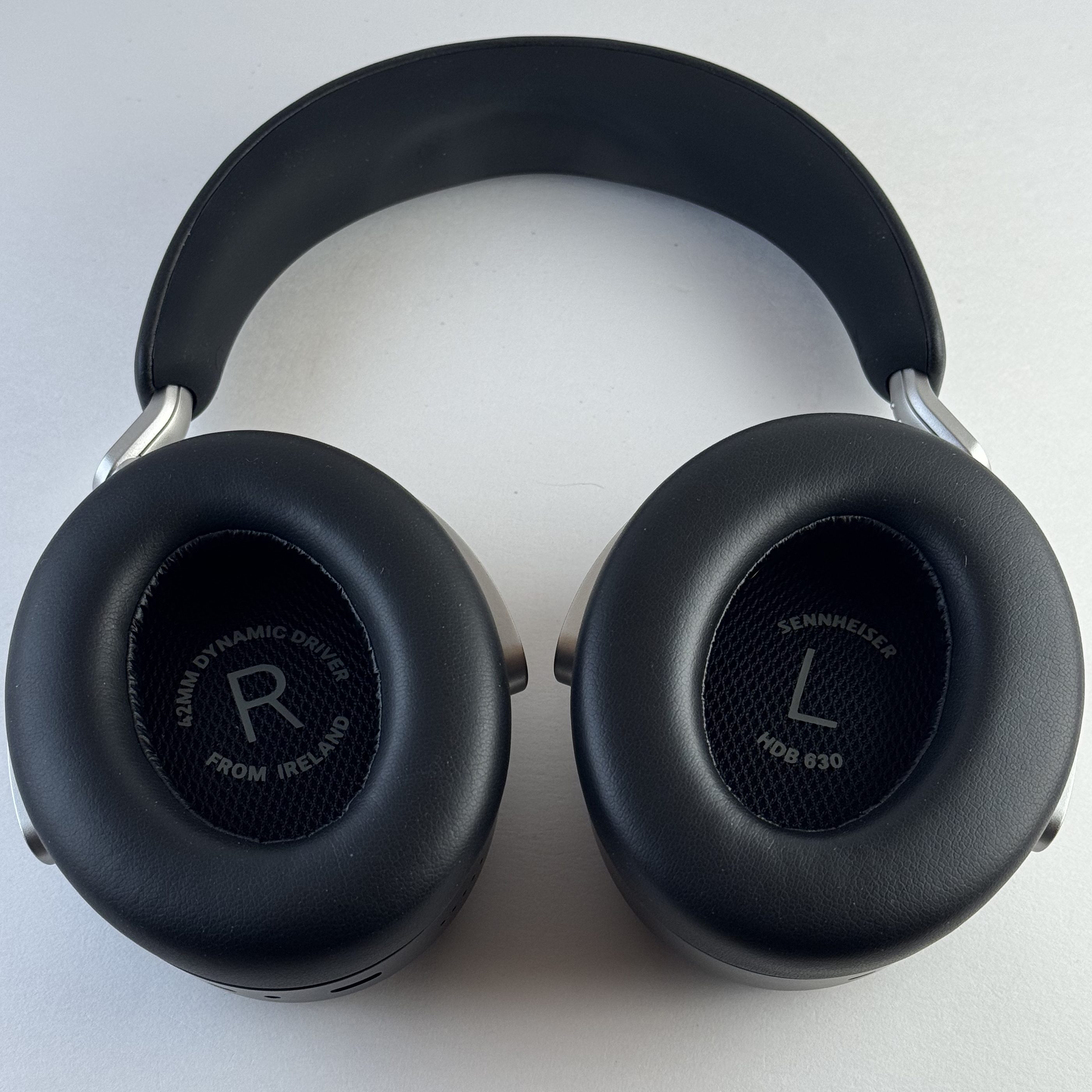
The headphones are constructed primarily of plastic, giving them a potentially cheap feel, but they aren’t so cheap-feeling that I’m worried about breaking them. The cups feel resilient enough to take a drop or two, and while the band flexes, it’s got enough spring that I’m not worried about them breaking. I might even prefer a little bit more clamp, as they do shift on my head if I move around too quickly (unless they’re cinched up tightly against the bottom of my ears, not the most comfortable way to wear a headphone that already has smaller ear cups).
The 630 come with a pretty similar set of accessories as the M4: a nicely designed, semi-rigid carrying case, a ~4 foot USB-C to USB-C charging/DAC mode cable, a ~4 foot 2.5 mm to 3.5 mm analog cable, an airplane adapter, and a BTD 700 USB-C Bluetooth dongle (this costs $50+ on its own if you buy it separately).
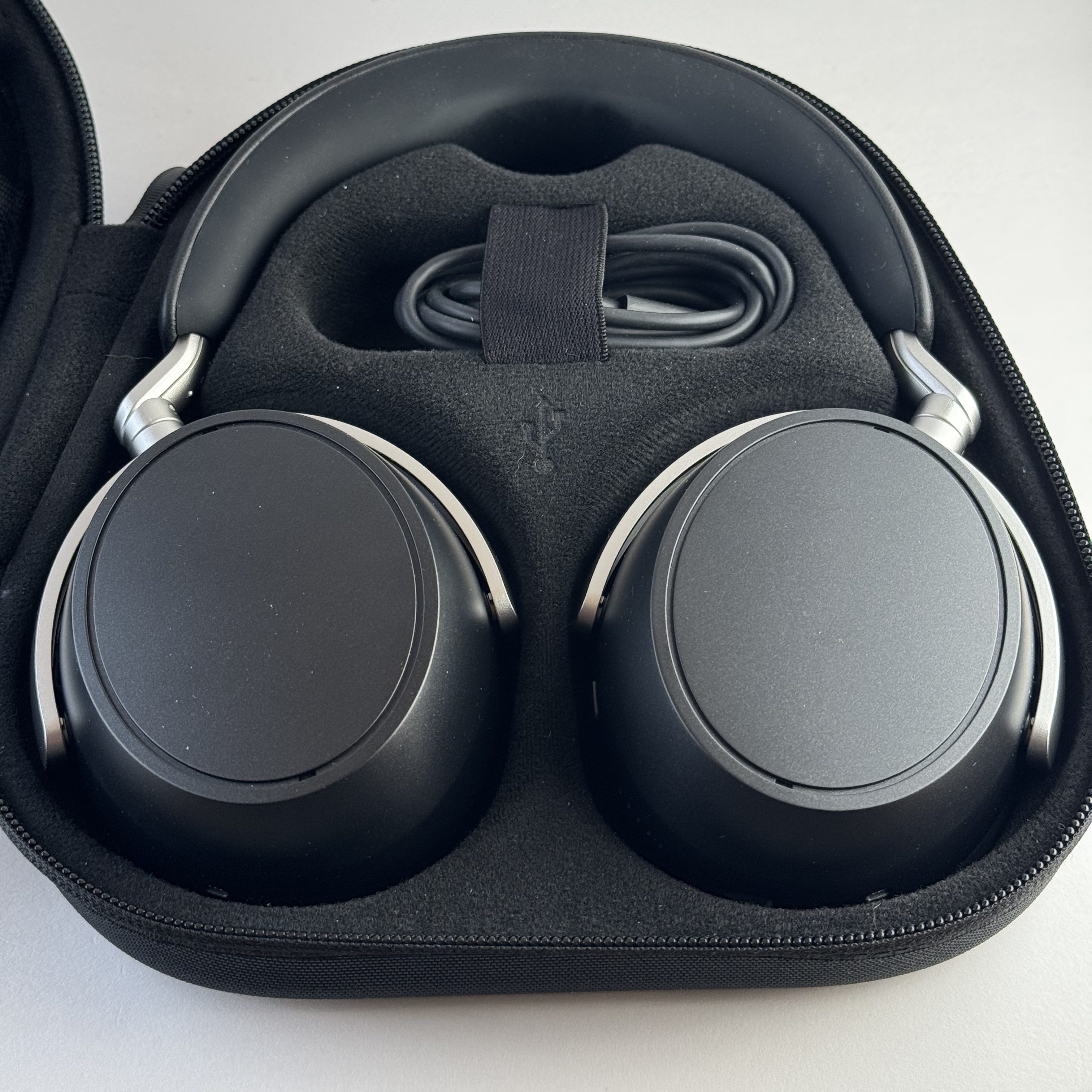
Comfort
Overall, the comfort on the 630 is pretty comparable to the M4.
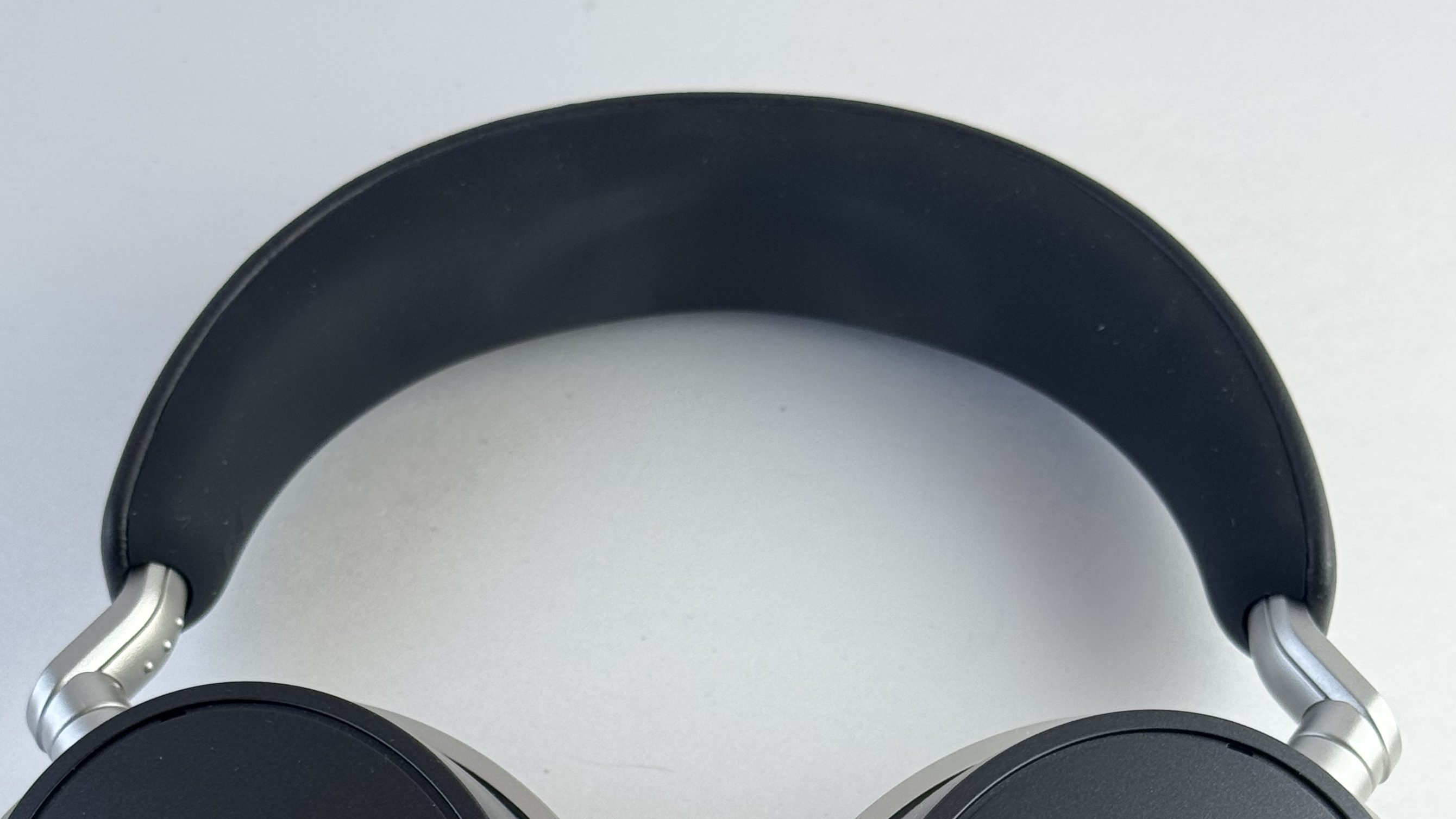
The band is nicely padded, but I would note that only the center of the headband is padded, with the soft section starting about 50 mm from either of the ends. That means that there is a ridge in the headband that occasionally makes contact with my head. It’s not painful to me, but someone with even a slightly bigger head might experience a pressure point where the hard, pleather-covered plastic ends and the padding begins. As a result, it’s also definitely a headphone *I* don’t want to lean against a wall or ceiling while wearing, as it does start to dig into the sides of my head if I do.
The cups are reasonably compliant and not bad, though I personally would prefer a slightly larger cup and a less warm material; after an hour on a plane, these got a little sweaty for me. They also swivel a full 180 degrees and tilt probably 30 degrees; enough to be able to get a good fit though I find I have to fiddle with the cups on my head to get them to properly align and seal, and they’re surprisingly easy to dislodge to the point where they break their seal, particularly if I’m moving my head or my jaw around (for example, while chewing). And their ANC is pretty seal-dependent.
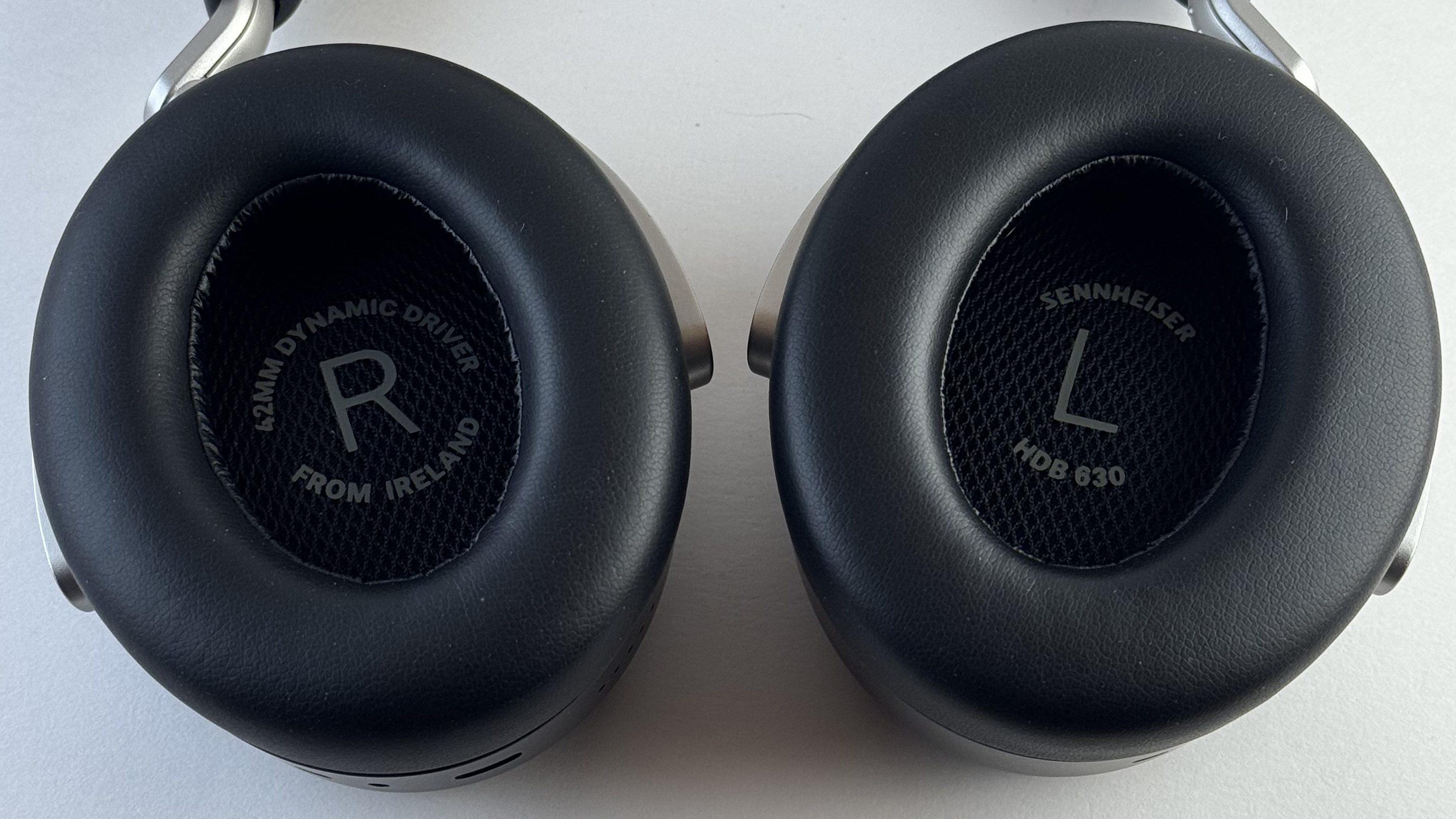
Appearance
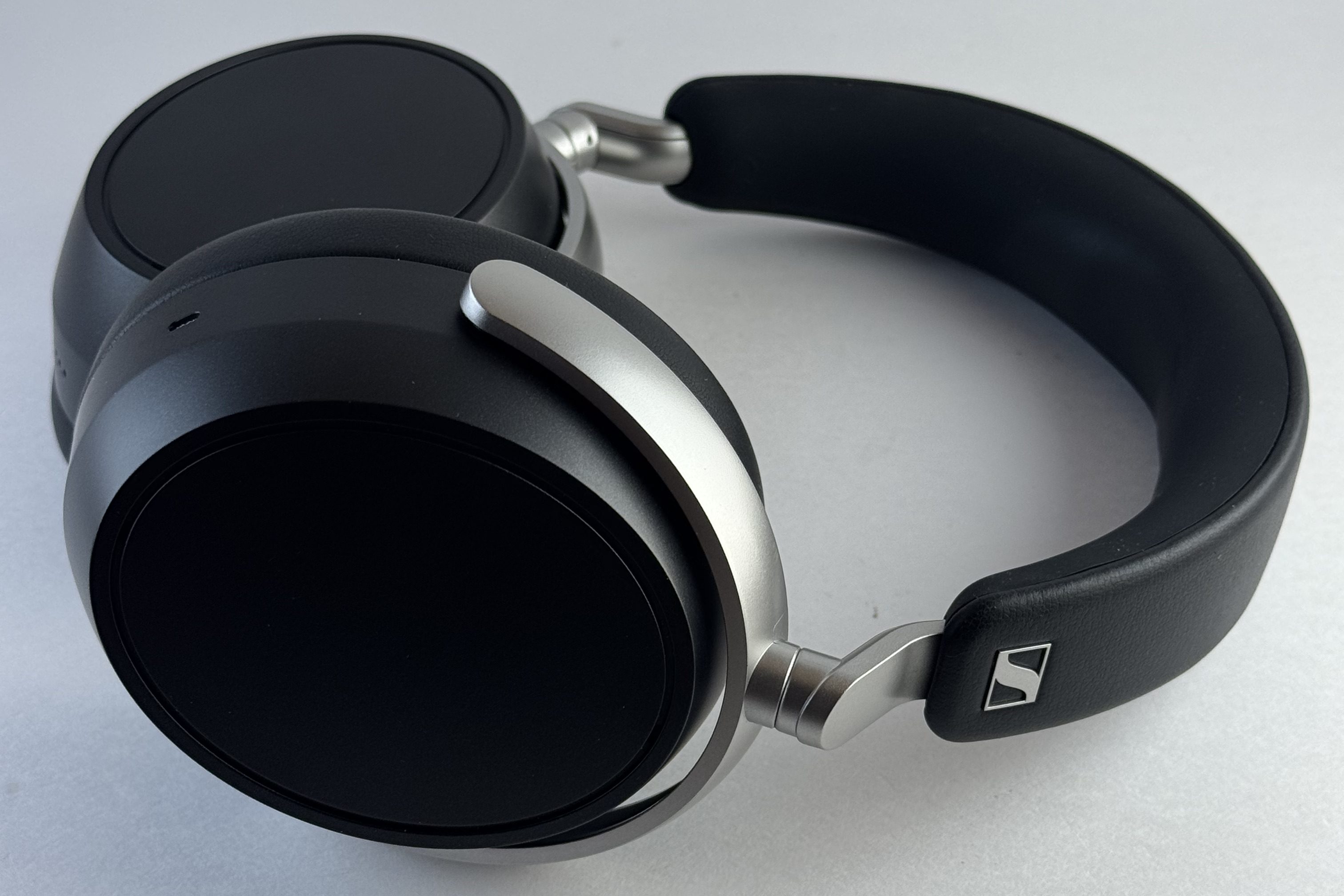
As I commented in my M4 review, I don’t love the way that the M4 or 630 look. I really liked the almost Meze-style aesthetics of the earlier models of the Momentums, but Sennheiser seems bound and determined to join Sony in their race to the most generic looking headphones possible. At least the M4 comes in a couple of different colorways; the fact that the 630 looks this bland and is locked to black and silver seems like a missed opportunity to me. But what do I know?
Value & Comparisons
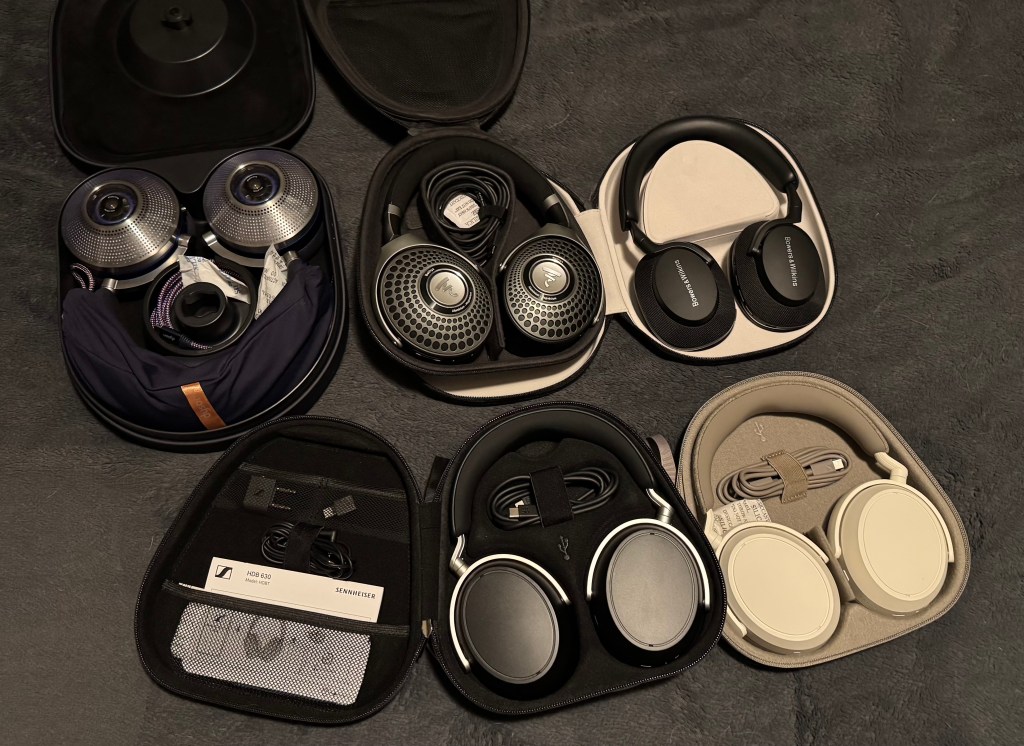
As much as I like the 630, the thing I am struggling with is the value proposition of a $500 ANC, Bluetooth-first headphone. I’ll talk about that a little in the overall section below. But first, some comparisons to other ANC headphones I’ve reviewed. [It’s also a little difficult to compare products with decent EQ options built in, just because they can be pretty chameleon like. As a result, I’m mostly going to be comparing the baseline tunings.]
Focal Bathys
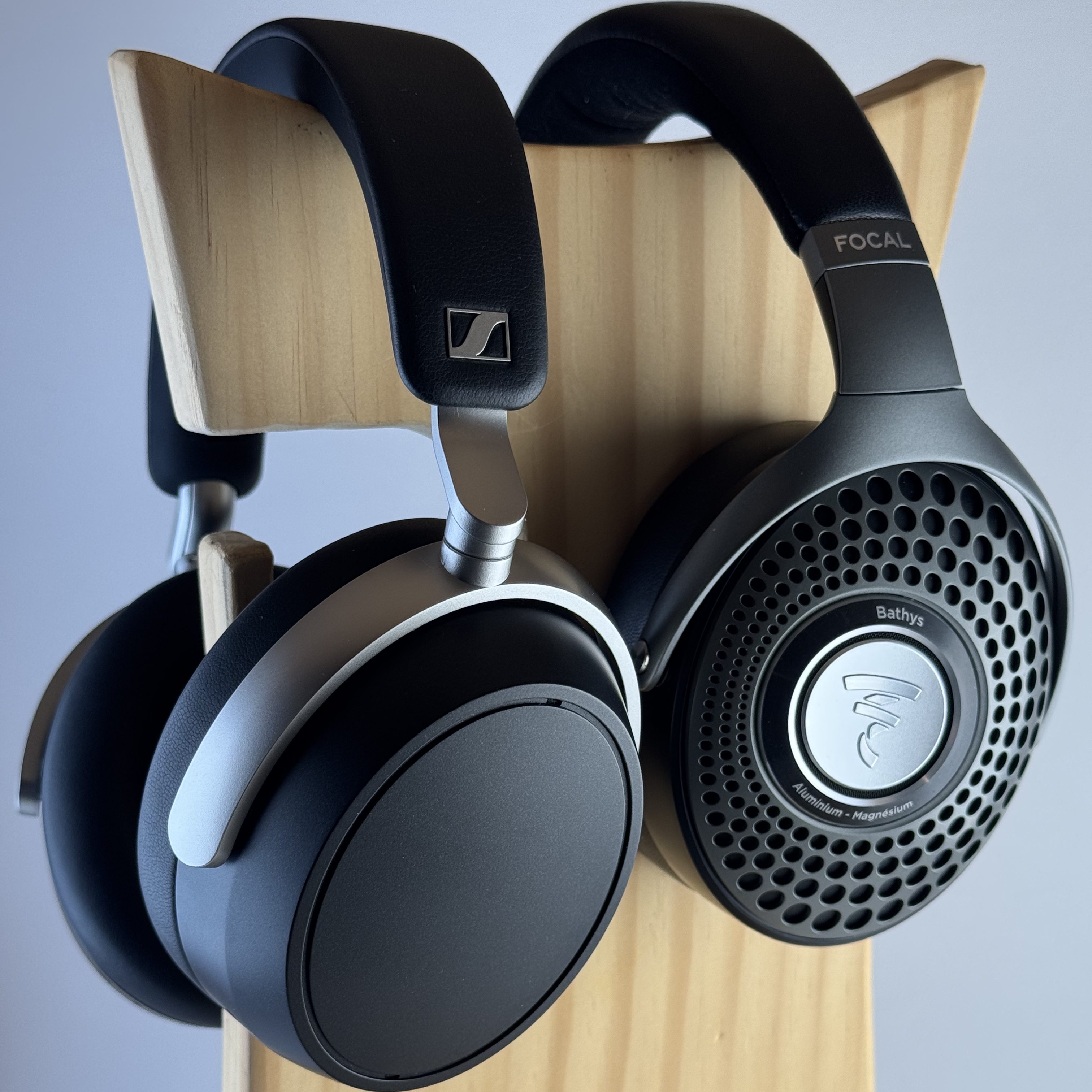
I’m a big fan of the Focal Bathys; they’re what I take when I go on a flight, and I like them enough that I gave my girlfriend my Bose 700s (my prior go to) and put my M4 up for sale.
Out of the box, I like the tuning of the 630 better than the Bathys; with EQ, even just the Sound Personalization adjustments, I prefer the Bathys. The 630 is definitely bassier (and arguably cleaner in the bass), but I prefer the mids and treble on the Bathys overall, especially when it comes to vocals which are clearer and more natural than the 630. The software is definitely much better for the Sennheiser, though I appreciate the Naim & Focal app’s sound personalization system.
I also think the Bathys is a more comfortable headphone (by a substantial margin), and I prefer the ANC on the Bathys over the 630; I’m happy to trade a little bit of lower frequency leaking in exchange for getting rid of more of the mid/higher frequency (aka people-type) noises. Plane engines bother me a lot less than a chatty neighbor or a sick kiddo. I also think that the Bathys sound best with ANC on,13 while the 630 sound better in Adaptive mode.
A quick glance at the graphs:
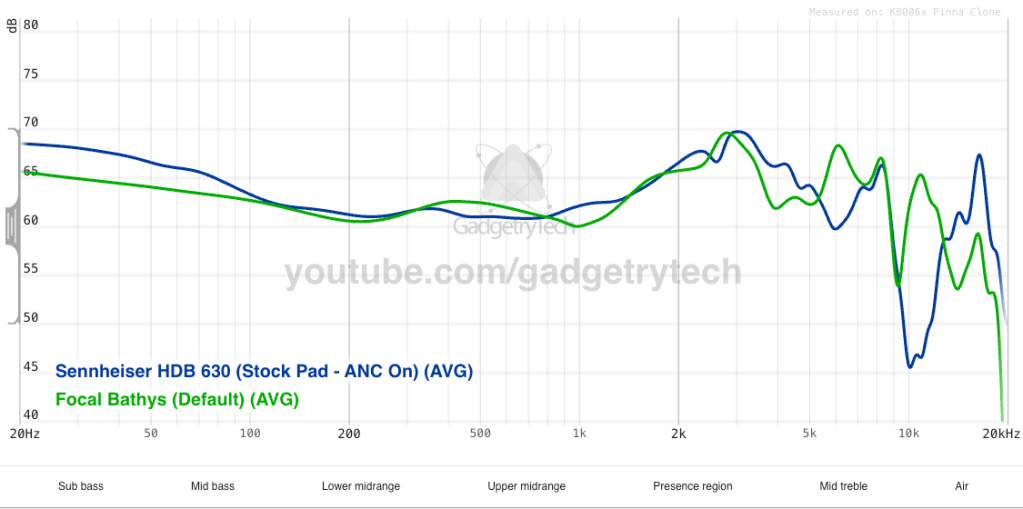
That more or less checks out; I end up adding a little bass to the Bathys and knocking some off of the 630, so I’m not super surprised at where I end up.
They’re both good headphones, with their own pros and cons, and I could make a good argument in favor of either of them (and neither will disappoint you). The 630 does come with a good Bluetooth dongle and is better suited for gaming, but that’s not why I’m buying an ANC headset. I think, at the end of the day, if you’re only going to have one headphone and it’s between these two, the 630 is the more versatile and you should go with it. If you’re going to live a multi-headphone lifestyle like me and you really want something for specific use cases like use on a plane or irregular use in an office, I’d point you towards the Bathys. For me, I’m keeping the Bathys.
It’s worth noting that I’m not buying either at MSRP at this point, though. I’d happily buy either for around $350; much more than that is pushing the value proposition to the breaking point *for me.*
Sennheiser Momentum 4
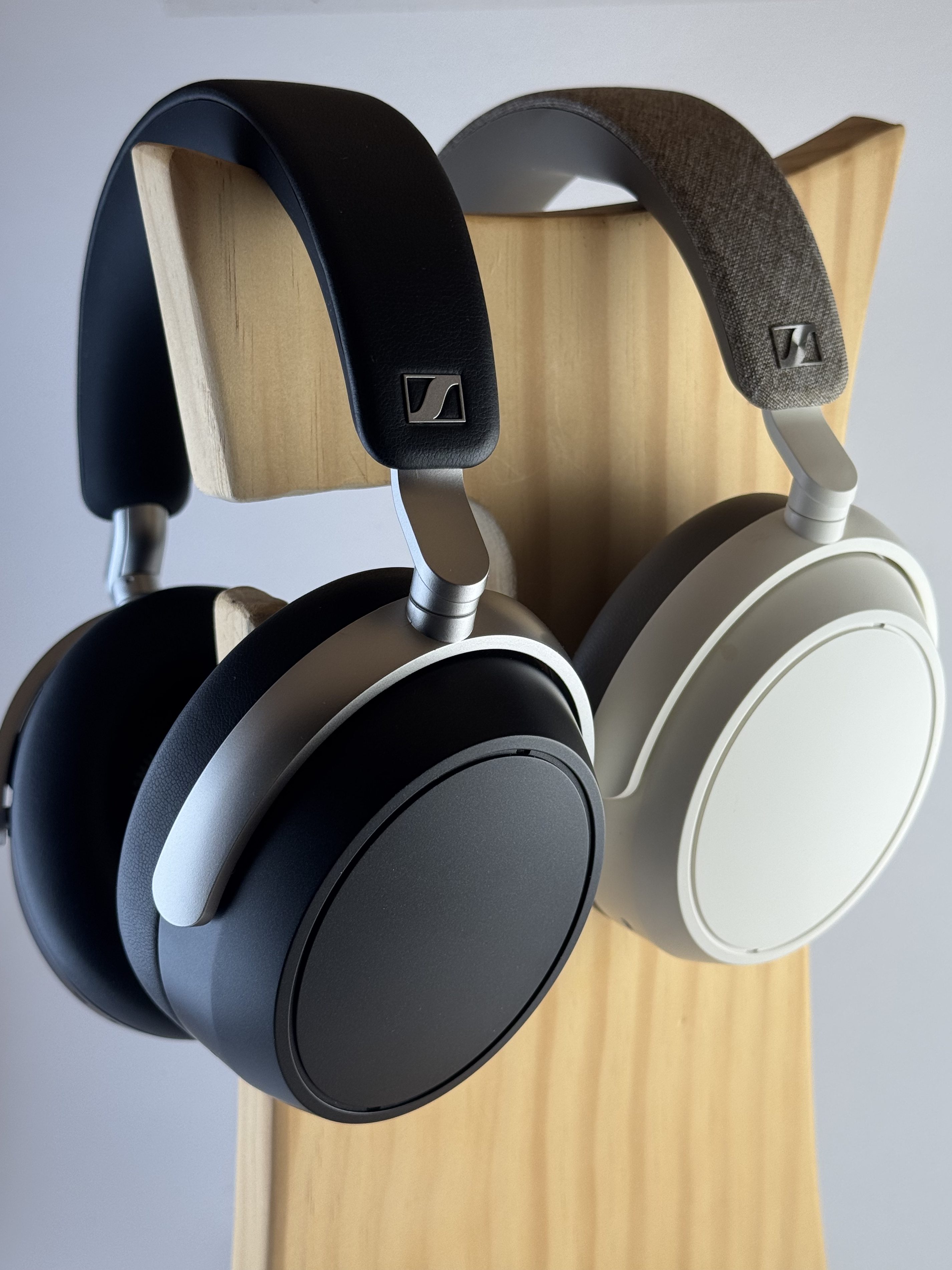
The 630 is a much better headphone than the M4 in almost every way. They’re pretty similar in terms of comfort, being nearly identical physically. The drivers are canted the opposite direction, with more room at the back of the cups on the 630 than the M4, which makes them marginally more comfortable to me but otherwise they feel pretty identical. This feels like a missed opportunity to make the 630 a more premium product.
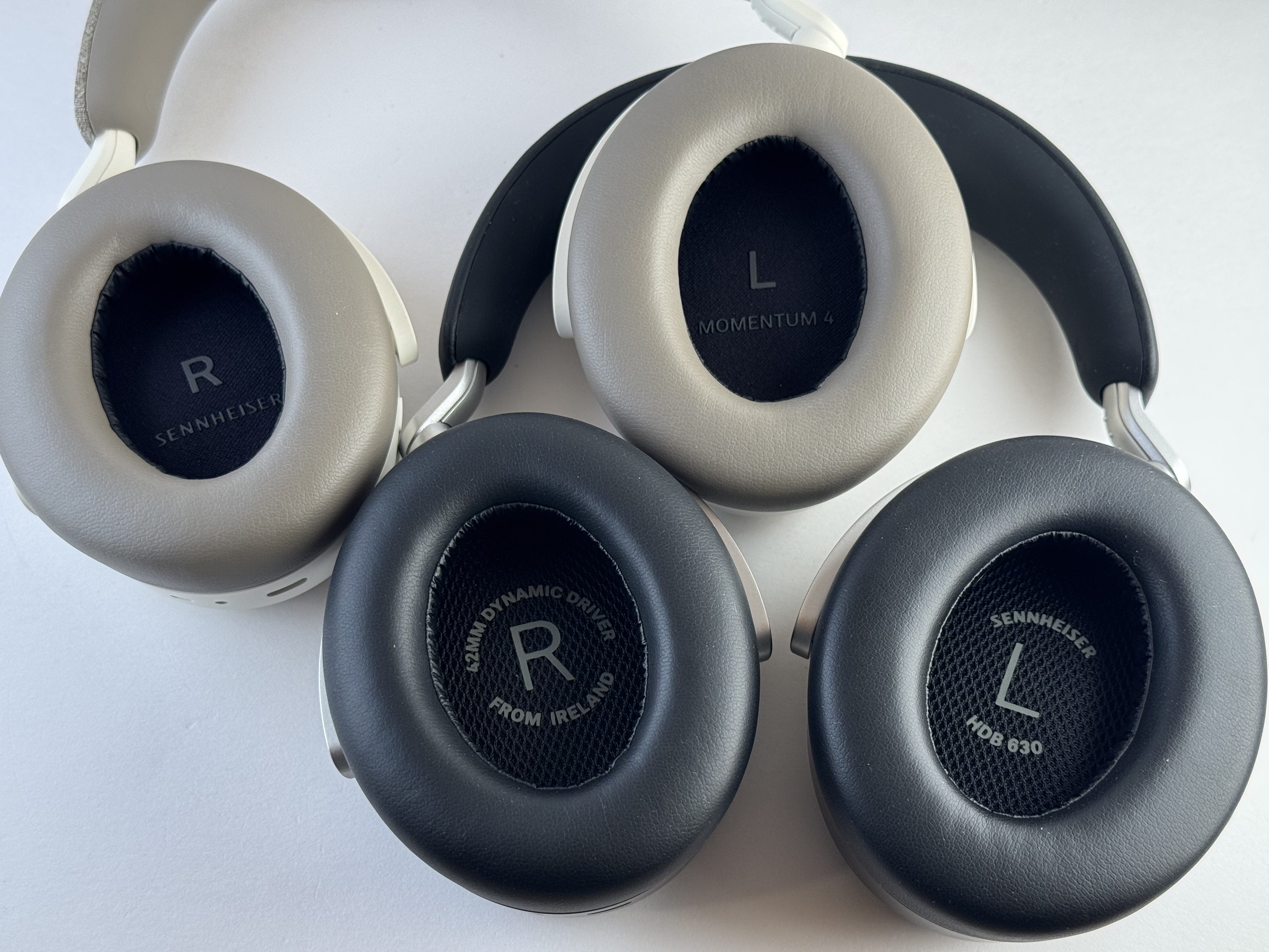
Tuning wise, I much prefer the 630 to the M4. I’m happy listening to the 630 out of the box without adjustment (though I do apply a little EQ for most listening; it’s there, after all!) while I personally don’t want to listen to the M4 without applying a substantial EQ profile to reduce the sub bass issue; by contrast, I might turn down the mid bass a little on the 630 but can mostly leave the rest intact. You also get better soundstage, if not separation, on the 630, and a much better EQ package with it as well (up to five-band parametric EQ instead of five pre-defined bands, though you can also choose to do five predefined bands on the 630 if you prefer non-parametric). And, of course, you get a low-latency-capable dongle. One of the annoying things about the M4 (and most Bluetooth-capable headphones in general) is having to do connection management when you swap device throughout the day the way that I tend to. I do not discount at all how useful a dongle is in situations where you’re swapping machines; the fact that I can pull the dongle out of my Mac Studio and plug it into my work laptop, or my phone, or the computer in my workshop is awesome; in fact, one of my favorite things about the Fractal Scape is how useful its dongle is. But the BTD 700 is also available for purchase, for the reasonable price of $50, and is compatible with devices other than the 630 including the Momentum 4.
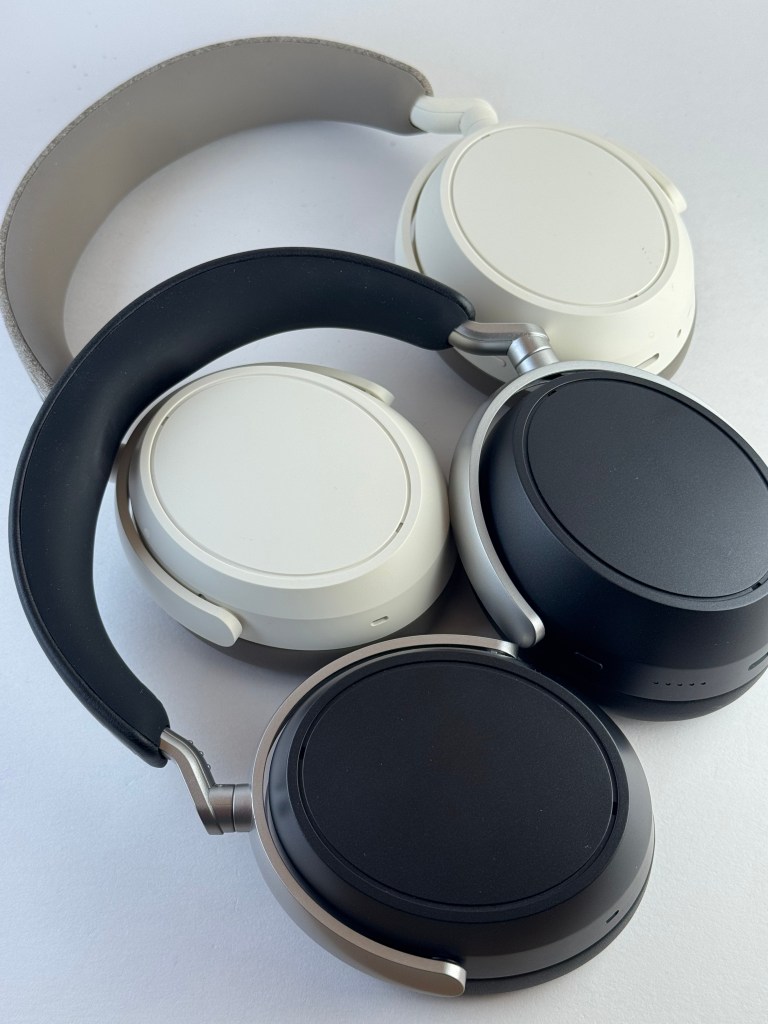
If there’s a difference in ANC, it’s marginal. If there’s a difference in connectivity (other than the dongle), I’ve not encountered it.14
Just for fun, let’s look at that frequency response graph:
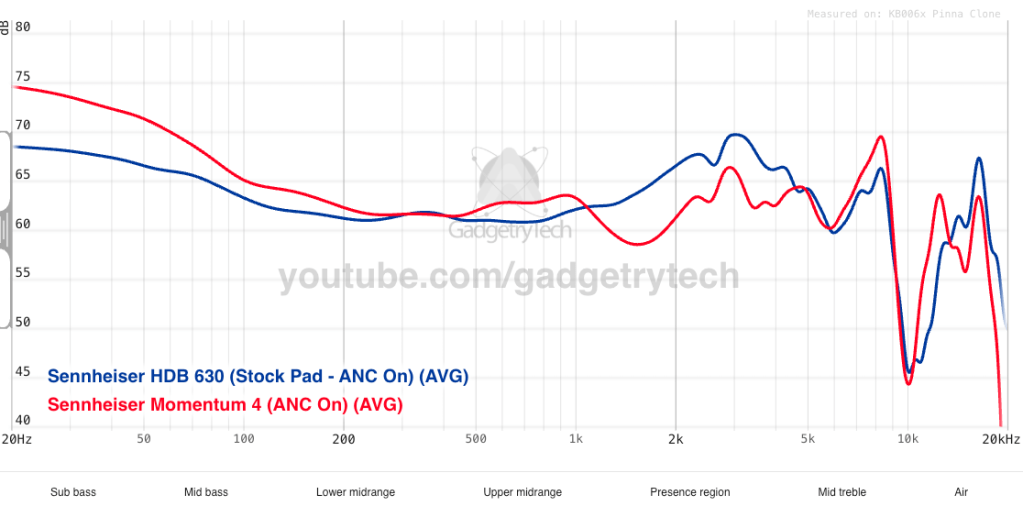
Yeah, out of the box the M4 is laughably worse to my ears, and that’s pretty clearly born out by these measurements. But is it worth $230 more (or like $320 more when the M4 is on sale, which it regularly is)?
This is where I struggle. I definitely prefer the 630. In a world in which I have a pair of them, I’m never using the M4. But, for the $500 I spent on the 630, I could have a pair of M4s on sale, a BTD 700 (in case I want AptX capability on Apple products, or low-latency), and $250 in my pocket. That $230–$320 is enough to get me a Fiio FT1 Pro and a $9 dongle DAC or an HD 6XX and a Moondrop Dawn Pro (both pretty awesome desktop setups), and to take Kristi out for a decent breakfast. I’ll talk about this a bit in the Overall conclusions below, but for me … the value proposition just isn’t there. The things that you get from the 630 just aren’t enough to me to justify the extra cost. Your mileage may, of course, vary.
Dyson Zone
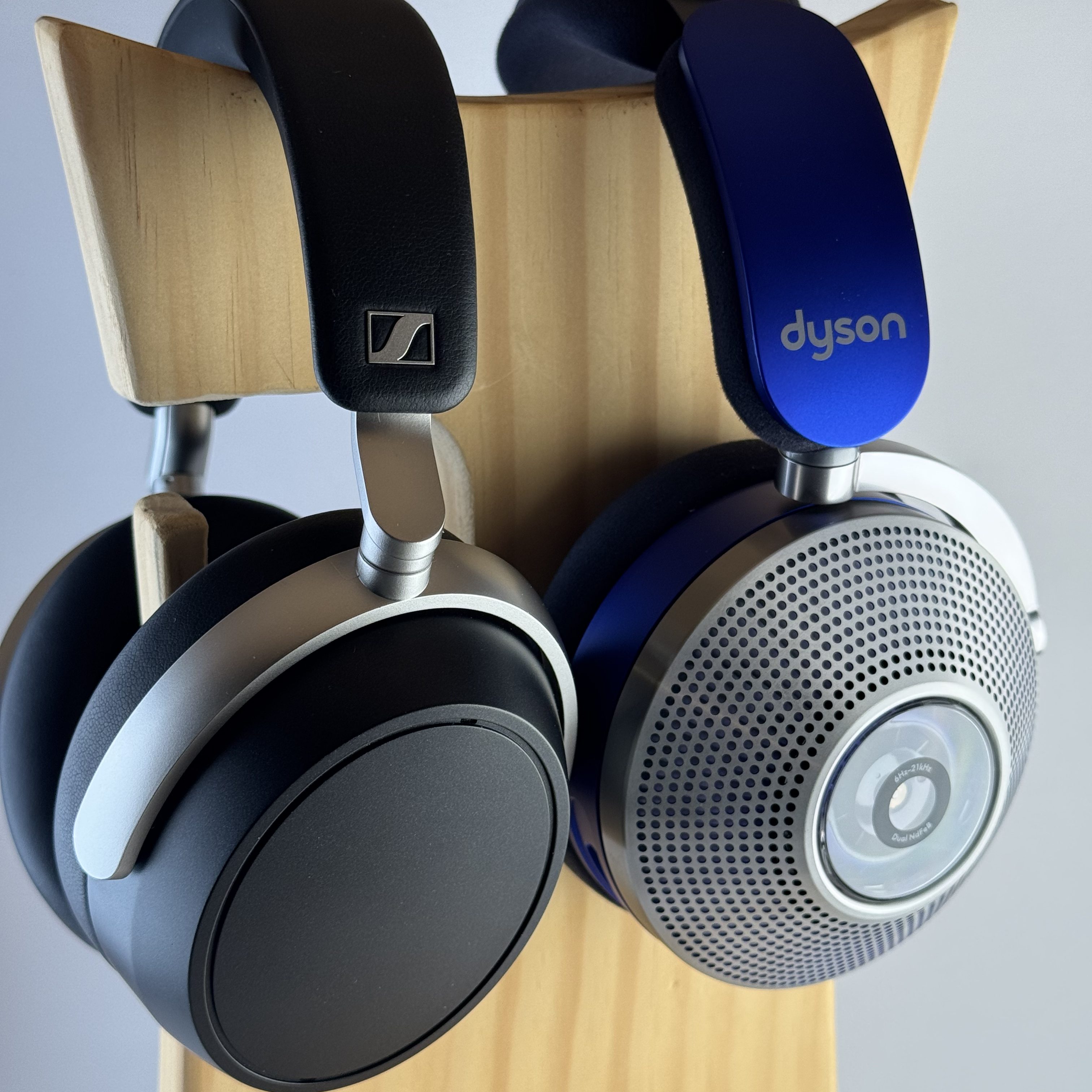
The Dyson Zone are, rightfully, a bit of a meme at this point. They’re also a surprisingly competent headphone if you ignore the ludicrous and superspreader-y fan assembly.15 At some point, I’ll probably do the mod and remove the fan assemblies to save myself both the weight and what John Darko describes as the “Cyberman” problem, but they’re genuinely nice headphones to listen to.
I’m definitely going to take the HDB 630 at $500 over the Dyson Zone at their eye-watering $950 MSRP. At the $200 I actually paid for mine? I’m taking the Zone every time. At least to my ear, they’re actually surprisingly close in terms of out of the box tune. I’d probably take the bass and treble on the 630, the mids are about the same, and at least in terms of perceived detail, the resolution of the Zone is a little better. The ANC is pretty similar in terms of quality, though the transparency mode on the 630 is better, as is the software (both in terms of capability and usability). I prefer the Zone’s actual buttons for a lot of key functions over the 630’s touch controls.
For a meme product kneecapped by Dyson corporate at release, the Zone are surprisingly good.
Let’s take a look at the graphs16:
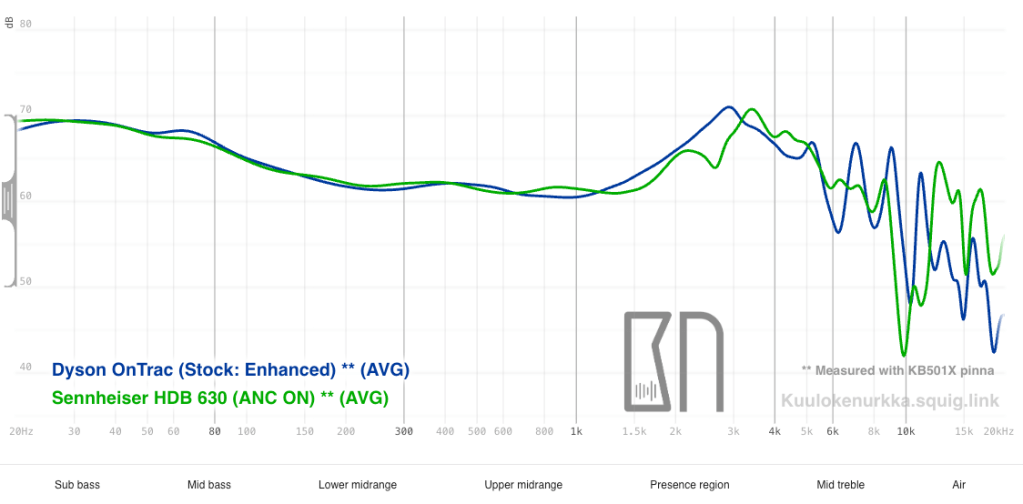
Yeah, that looks about right. They’re awfully close in the regions I care about the most.
Apple AirPods Max
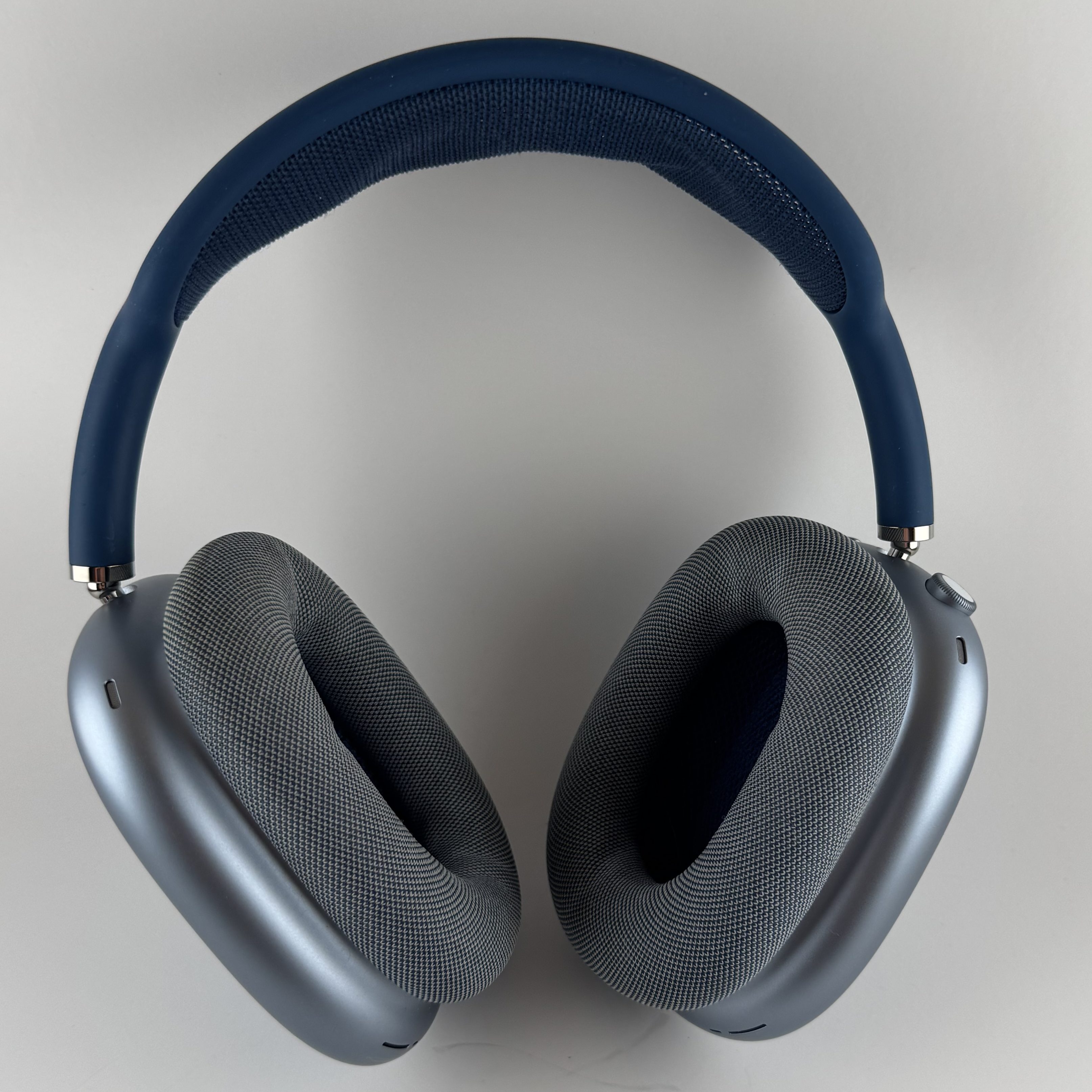
Full disclosure: I sold my AirPods Max in the fall so I can’t do a direct A/B, and I absolutely do not trust my sensory memory to give me an accurate recollection of what they sounded like (that’s why I started doing reviews, after all!). Based on my similar comparisons to other products, I’m going to guess that I prefer the baseline tune of the 630 over the Max, and I certainly appreciate all of the capabilities of the 630 that Apple doesn’t let you have with their devices. That said, if you’re entirely in the Apple ecosystem, Airpods just work.
If you want a serious audiophile headphone, take the 630 over the Max. If you’re an Apple person, or a more casual listener, grab the Max. They’re a really good headphone for what they are, and I loved mine right up until I tried the Focal Bathys.
Sony/B&O/B&W Etc.
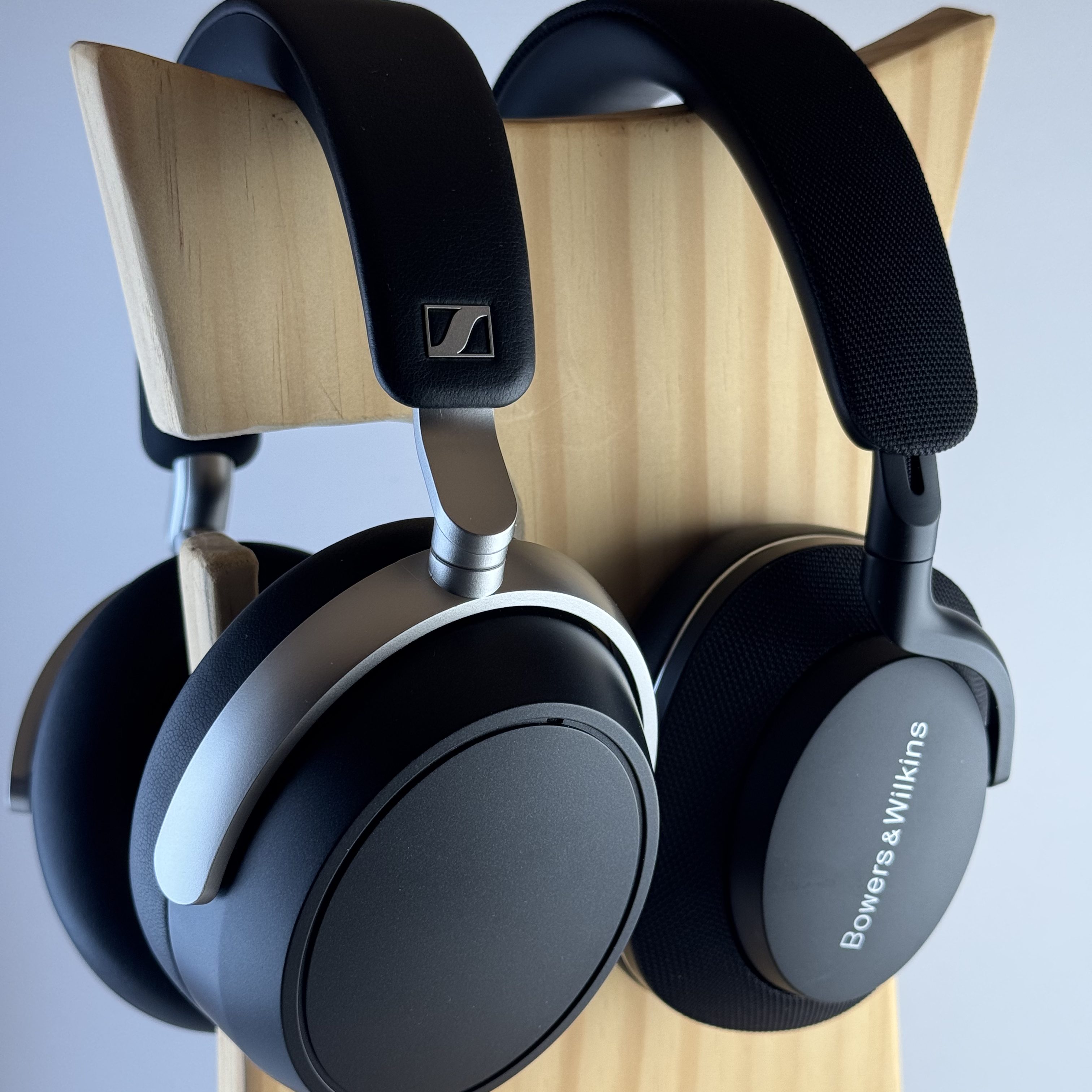
To each their own, but I personally don’t want to listen to any of the offerings from these companies without a third-party EQ tool. They’re pretty universally muddy in the bass and spikey in the treble, and they lack the software tools to fix them without causing more problems in the tuning. With a third-party EQ tool, any of them can be made to sound passable but it’s not an easy process.
I do have a pair of B&W Px7 S2s that I got for $99 from Costco, and I do use them for dog walks because I don’t care if they get damaged or ruined by the constant drizzle here nine months of the year. I also use them primarily with Roon Arc, which means that I can apply parametric EQ on my music server and they end up sounding pretty decent that way. They’re also very comfortable, and I’d pay $100 for them again if these broke. That said, I’m definitely not taking them over the HDB 630.
If all you want is the best ANC possible, get the Sony XM5 or XM6. If you can get a screaming deal on any of them AND you have a way to properly EQ them, any of them will do in a pinch. Other than that? I’d recommend steering clear. If you don’t want to spend $500, the Momentum 4 is a better option than any of these.
Overall
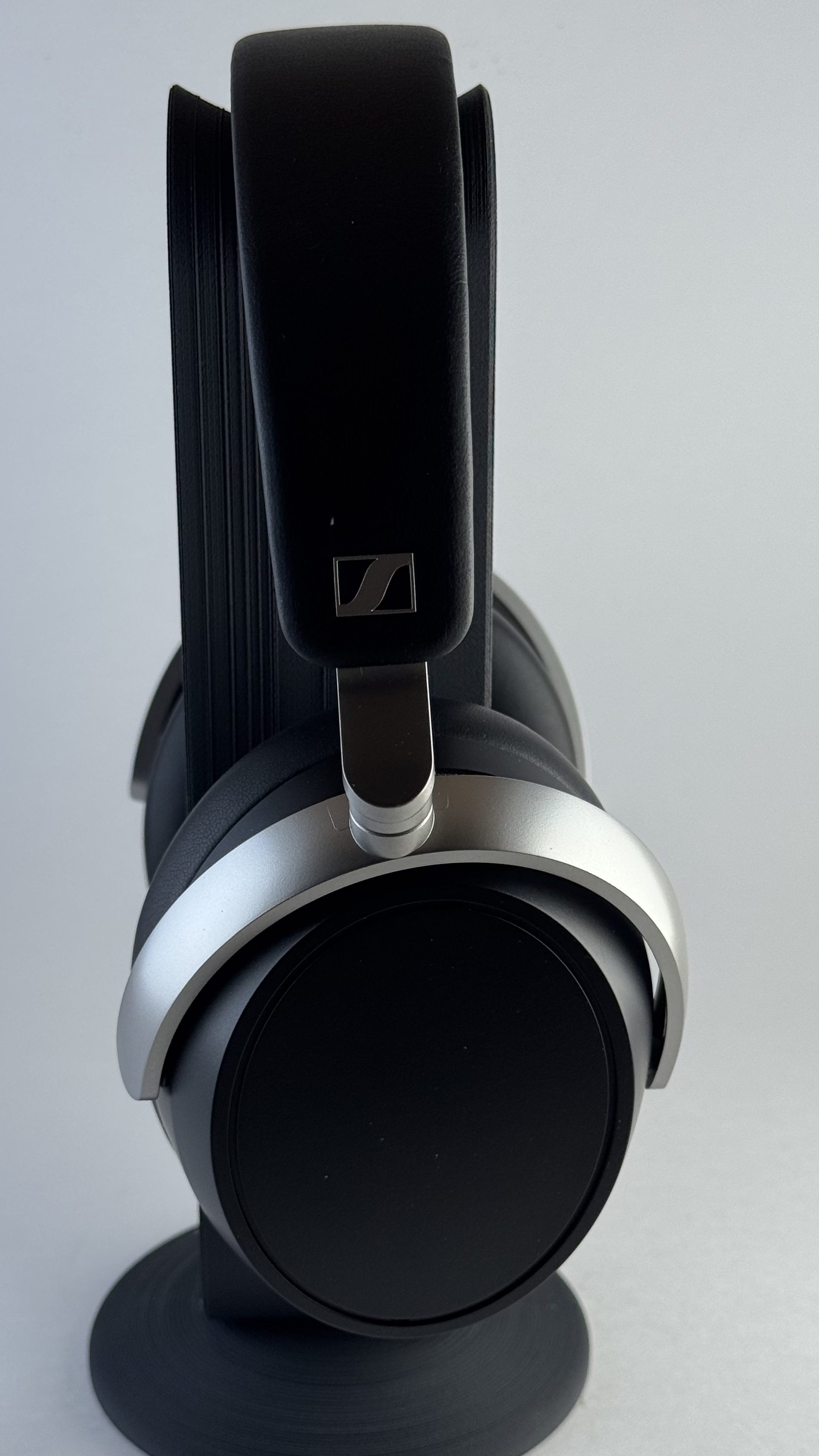
The HDB 630 is a great product, and hopefully a sign of things to come in this space. I’d love to get to a world in which all wireless, active headphones come with a decent out of the box tune, a full parametric EQ suite, an optional dongle to facilitate device swapping and low-latency playback, and a great DAC mode for lossless listening. These are all things that I love in the Fractal Scape and talked about in my review of it.
That said, this is premium price for a … less than premium-feeling product to me.
Is this a product for me?
Unfortunately, to me, the HDB 630 is a Swiss Army Knife: a jack of all trades, and a master of none. Swiss Army Knives are a fine product, in a lot of ways. They’re versatile, and let you do a LOT of things, ranging from cutting to tweezing to sawing to opening bottles of beer or wine or dozens of other things, depending on your model. Of course, if you’ve actually used a Swiss Army Knife, you’ll also know that they’re not good at any of those things. The blades aren’t particularly durable, flexible, precise, or sharp, and don’t (with a few exceptions) lock open.17 The tweezers are flimsy and flex if you apply even moderate force. The toothpicks are even more flimsy, and the screwdriver tips are finicky and awkward to use under anything but ideal circumstances. The saw … the less said about that saw, the better. I can’t think of a single task I can do with a Swiss Army Knife that is not better completed with something else I carry every day in my laptop bag. And for me, that’s where I come down on the HDB 630: it’s a lovely product, but one that I just won’t use.
- It’s a good ANC headphone with a pleasant tune. But for 90% of my ANC needs, the AirPods Pro2 are both far more convenient and arguably have better ANC.18 And are half the price. For flying, I have the Focal Bathys, which I like listening to more, and find both more comfortable to wear and more comfortable to use ANC on for extended periods.
- It’s a reasonably resolving headphone with good dynamics and detail where that really matters, but if I’m sitting at my desk in my office (the place where I care most about detail), I have, conservatively, twenty or more pairs of headphones within an arm’s reach that I think sound better and a dozen good ways of driving those headphones from any conceivable source.
- It’s a pretty good headphone for use at at a mobile desktop (like in a coffee shop or hot desk). But, in addition to the aforementioned Focal Bathys19, I have a variety of good portable DAC/amps (like the Chord Mojo 2 or the iFi Hip DAC v 2) and headphones that I like a lot more for extended use, including some pretty great and easily portable IEMs.
- The low-latency dongle is great, but I generally don’t need low-latency connections, and I largely don’t mind wires on those occasions when I do (gaming, movies, etc.). Plus I can buy the dongle for around $50 if I really want one, and for anything around my house the Fractal Scape is sitting right there.
- AptX Adaptive support is great, but I really care about lossless over lossy audio when two things are true: 1) I’m using a reasonably resolving system and 2) I’m in reasonably good listening conditions. While the 630 *might* be resolving enough to meet that first criteria, I’m just not going to be using ANC headphones in very many situations that are that close to good listening conditions; they’re something I use in a loud office, on a plane, in a cafe, etc., where I’m just not going to get the benefits of lossless audio.
- The parametric EQ is awesome, but it’s limited to five bands and I already do most of my listening via Roon Arc, which gives me access to a full suite of parametric EQ running on my own private music server, and for those scenarios where I can’t access the internet (that 2% of my life), I have a couple of digital audio players (think modern, high-quality iPods) with good EQ tools too.
So, at least for me, the areas that the 630 excels at are all things that other gear in my collection does better.
Do I own a Swiss Army Knife? Sure, there’s one that lives in the console of my recliner. There are times when it’s better to have a bad version of something than no version of that thing. But, I own the $30 Victorinox Tinker instead of the $300 Victorinox Work Champ I coveted as a kid for a reason; in a pinch, it’ll do, but I’m rarely grabbing it out of the console when I need a knife or a corkscrew or a screwdriver.
The Momentum 4 is the Tinker, and the 630 the Work Champ. It’s a great product, and I get the appeal, but it’s just not for me, at least not at $500.
Would I recommend it for other people?
Sure, there’s a use case here beyond wanting the new hotness.
- IF you are a person who will only have one pair of headphones for everything, and you don’t mind dropping $500 on a pair of headphones, the 630 might make sense. Particularly if you travel a lot or work in loud environments, want good ANC, and care about audio (but not enough to get a really premium pair), these might be the headphones for you. I struggle to think of a situation where I would take these over the $250 AirPods Pro2 other than maybe a plane: the 630 are definitely better at canceling out low-frequency, steady noises, but the Pro2 are better at higher frequency or more intermittent sounds20 … and the Pro2’s low-end cancellation is plenty competent for 98% of my low frequency needs like planes and trains and office environments. And as mentioned above, the Focal Bathys is often available at around the same price point, and I would take the Bathys over the 630 most of the time too.
- If you’re an audiophile who cares most about sound? I think you have better options (including the Focal Bathys), and you have other (and better) ways to EQ your headphones, even wireless ones.
- If you’re a traveler who prioritizes ANC over sound quality? As much as it hurts me to say this, you want a pair of Sony XM5/6. They’re just better at that one thing, at the cost of sound quality, comfort, durability, etc.
- If you’re in the Apple ecosystem? You’re probably better off with AirPods; either the Max (for travel) or the Pro3 (for everything else).
- If you’re EQ curious? You might actually like these; parametric EQ can be a bit intimidating (it certainly was for me!) and the ability to use pre-defined bands that make sense for this pair of headphones might be a nice way to play with it. Some of the A/B and bypass options should be the norm for parametric EQ (as an example, I hate the delay that Roon has when changing or turning on/off EQ and I would love a single button to quickly zero EQ). But that’s a pretty narrow market of users.
- If you swap devices frequently and don’t want to have to manually manage your connections? The dongle is great and just plain works (though again, it’s available for purchase for $50, and the Fractal Scape is just $200 to the 630’s $500, AND has more flexible EQ).
There’s definitely a use case here, and if that’s your use case congrats; it’s an awesome headphone. Ditto if that use case is that you do actually want the hot new thing; it’s definitely wouldn’t make the top ten list of dumb things I’ve bought in this space.
For everyone else, the Momentum 4 is the better option.
In conclusion
I said this in my review of the Sennheiser HD 660S2, but I think Sonova (the owner of the former Sennheiser consumer division, and the manufacturer of MOST products under the Sennheiser mark) is making some serious mistakes in terms of their pricing. Like the 660S2, the 630 is a great product … for around $300 or $350. At $500, I’d rather have the Momentum 4 AirPods Pro2/3, a good pair of open backs, and a nice meal with my girlfriend.
The Momentum 4 give you so much of the performance of the 630 for less than half the price (at least on sale) that it’s hard for me to recommend dropping $500 for these kinds of marginal gains. I say pretty regularly that the appeal of the Meze 105 AER is that it’s 90% of the performance of the Meze 109 Pro for half the price ($399 vs. $799), and I think that’s roughly true of the Momentum 4 and HDB 630 … except, the 109 is SO good that I can convince myself that paying double is worth it. With the HDB 630, I … just can’t. The exceptionalism just isn’t there.
If you can get a pair of the HDB 630s for $300-350, I wholeheartedly recommend them. They’re a headphone I would use happily, with or without EQ. But would I pay $500 for them? No, I don’t think I would, at least not without identifying a new use case for them. I’m pretty sure these are going back tomorrow.
- I score bass, mids, and treble on a two part scale: 1-5 for quantity (5 being the highest), and A-E for quality (A being best in class, E being laughably bad). For soundstage its also a two part scale, with the number representing the width and the letter the separation within it. ↩︎
- For comfort/fit, my scale is A-E with A being disappear entirely into the background and E being I want to tear my ears off to stop feeling these headphones on my head. I’ve had one E: the Koss PortaPro. ↩︎
- Aka Zombie Sennheiser. ↩︎
- This makes complete sense, for the record: this headphone was designed with DSP in mind and it wouldn’t make sense for Sennheiser/Sonova to have spent time and resources tuning it passively first. ↩︎
- In addition to the M4’s preset five-band EQ options. Interestingly, the bands are slightly different for the HDB630, which makes me think they adjusted them thoughtfully based on the frequency response to give you better control, which I really appreciate. ↩︎
- This is not a fault in the 630; I would never use transparency on the AirPods Pro 2 or Focal Bathys on a plane either. ↩︎
- Don’t know if it’s actually changing the FR or if lower notes are just getting lost in the background low-frequency noise; the Focal Bathys, for example, lets you hear just a bit of engine noise and I’m open to the possibility that the very lowest end in music is getting swallowed by that real world noise. ↩︎
- Seriously; I have to put them on my head to turn them on because without the chime it makes upon waking up *I* frequently misunderstand how long I have to hold it and either don’t turn it on OR trigger pairing mode. ↩︎
- Unlike the Audeze Maxwell, which has a substantially different sound when connected via Bluetooth vs. the included dongle. ↩︎
- The base tuning of the 630, not the EQ profile you’ve set. ↩︎
- I swear it’s a little more treble-y, but that could be purely placebo. ↩︎
- The drivers are also canted slightly backward, giving you more room at the back of the cup, while the M4’s are canted slightly forward, reducing the volume available for your ears. ↩︎
- In transparency mode, the Bathys have a low, constant white noise that I don’t love, even if it doesn’t prevent me from using them. ↩︎
- Pretty regular complaints on Reddit about connectivity issues with the M4 dropping devices, but I personally haven’t encountered that in the year I’ve had them. ↩︎
- It’s also pretty clear to me that while they were designed as a serious, thoughtful product, they got hijacked by the C-suite at some point. There was originally a mask that fit under the visor and made it, at least potentially, a good pandemic tool. God, I wish they’d release that. ↩︎
- Unsurprisingly, not a lot of folks have measured the Dyson Zone. However, the Ontrac is basically the same product without the fan assemblies and mask, so this is pretty close. ↩︎
- If you close your fingers in one Swiss Army Knife, it’ll put you off them for life. ↩︎
- The Pro2 excel at higher frequency and intermittent noise, which most over ears do not (including the 630). ↩︎
- Which is what I actually used the last time I was in St. Louis at my office for a week. ↩︎
- I use them for intermittent power tool use, mowing the lawn, and concerts for a reason. ↩︎
 Phil's Superpower of Enthusiasm
Leave a comment