[MSRP $159.99, purchased on Amazon.com in March 2025.]

[Tl;dr: These are a really great pair of closed back headphones. They’re even better when you consider their pricing, though Fiio has recently announced that they won’t be importing new products in the near future due to the burgeoning trade war so the limited US inventory may be going up in price, at least in the short term (and likely in the long term, given the catastrophic tariffs currently projected for Chinese imports).
These do *feel* like a $150 product; fortunately, they do not *sound* like a $150 product. I expected them to be good-for-$150-headphones, and instead they’re just good headphones, full stop.
If I hadn’t also first experienced the Bokeh Closed this month, these would probably have been my best of 2025 headphone. If you can give these a listen, or snag a pair, I strongly encourage you to do so. They might have edged the Edition XS out as the best deal in hifi, at least at their current MSRP.
Cost-agnostic: 8 out of 10 Denalis
Cost-sensitive: 10 out of 10 Denalis
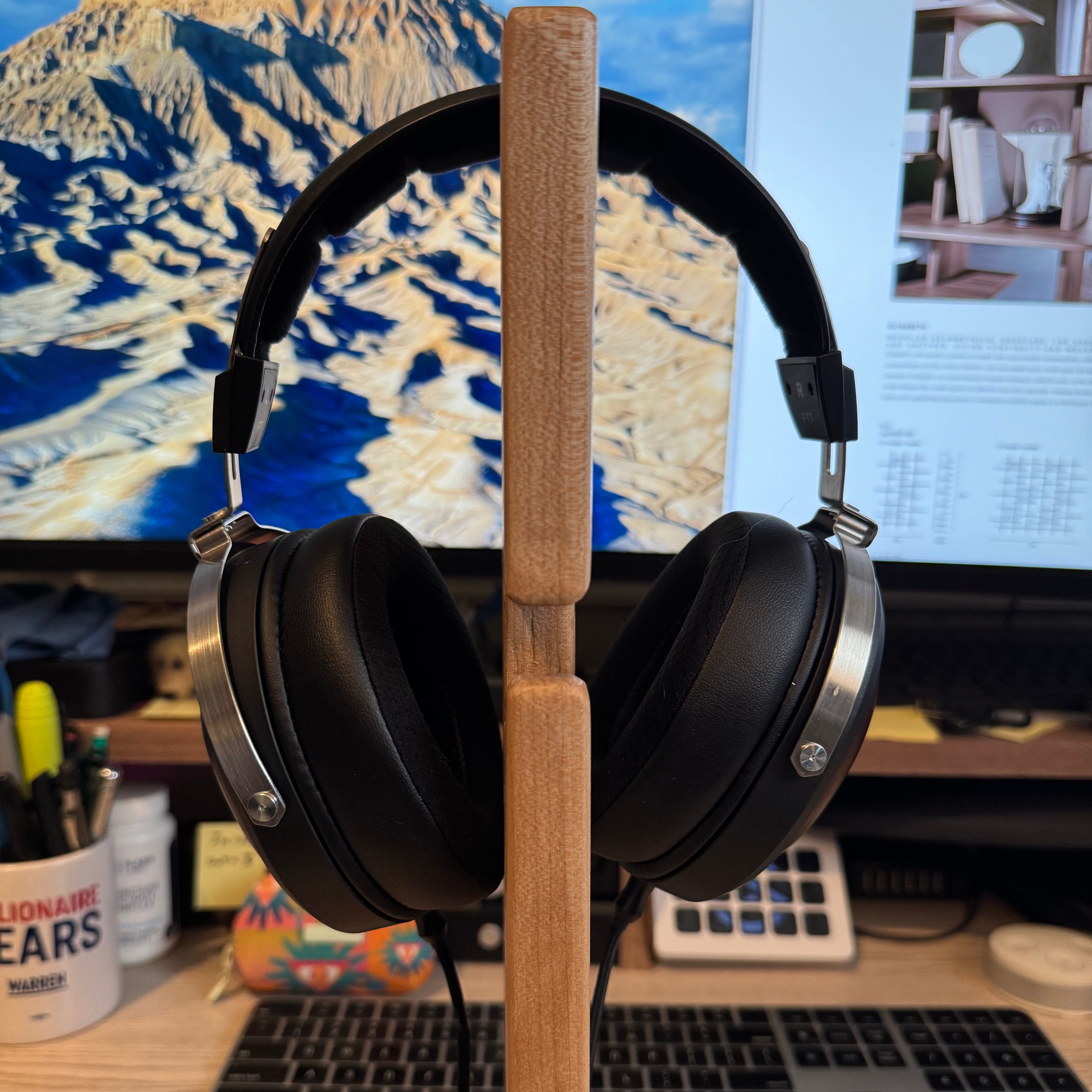
Intro.
The Fiio FT1 came onto the scene in 2024, and ended up with a lot of pretty glowing reviews around the internet, and was consistently talked about in best-of end-of-year lists in 2024, which is pretty impressive for what is, at heart, a pretty budget-fi offering. It was consistent enough that I decided to snag a pair from Amazon, figuring that I would probably not like them very much and would exercise Amazon’s generous returns policy.
To my surprise? I really, really like them.
Review note:
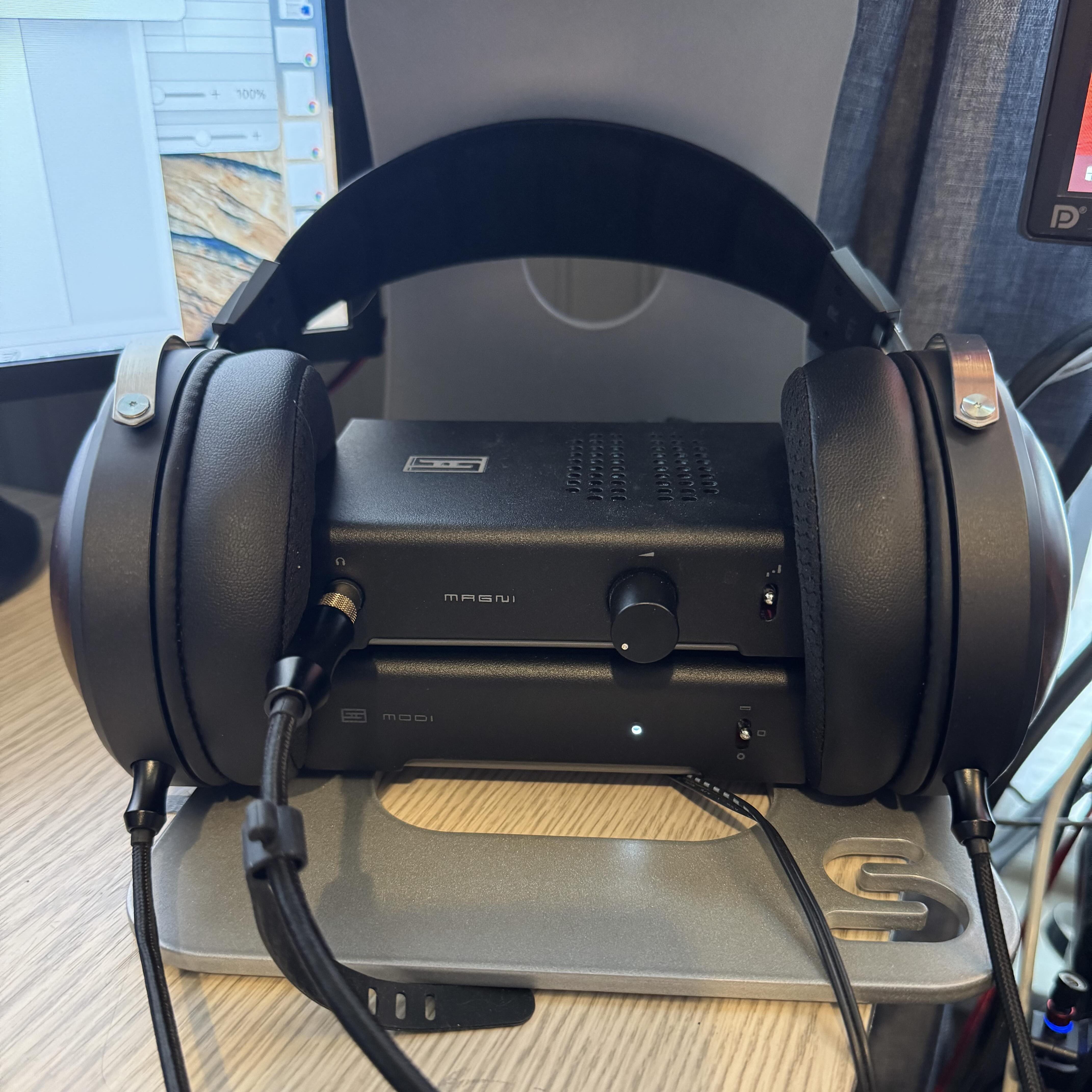
Based on my philosophy of resource allocation in Headfi, I should test these with an amplifier around $80 and a DAC between $50 and $80, but because I don’t have anything in that range, I opted to go with my default value setup for most of the testing. Except where otherwise noted, testing was completed using a Schiit Modi 3E/Magni+ stack, running via mini-USB out of a Windows PC, driven by Roon, and using the included 3.5 mm OEM cable with the included 6.35 mm adapter. (Just a note; I mostly was listening to these with the volume knob around noon/midnight on the Magni+’s lowest gain setting; they’re an easily driven headphone.)
Sound
I said this last week in my review of the truly excellent Bokeh Closed: “I’m mostly not a fan of closed-back headphones. I like the Meze x Drop 99 Noir, and I really dislike the Beyerdynamic DT 770 Pro, and I’ve mostly avoided reviewing the others because I’m not a fan of the general sound profile.” I included a footnote towards the end of the review, noting that that might be changing based on the Bokeh and my limited experience with the Fiio FT1. I’ve since spent a lot of time with the FT1, and (spoiler!) they’re pretty great.
I will also say that I think these are actually slightly better at silence than the Bokeh Closed. The occlusion effect seems less pronounced, though it’s pretty minimal with the Bokeh. They are, however, still closed-backs, and won’t really compete with open-backs for true silence.
The soundstage/stereo separation is really good without being too distracting. The click track, guitar, and Beyonce are clearly separated on “Blackbird.” The synths at the beginning of “Angel (Blur Remix)” clearly track left, center, and right, and while the guitar riff on “Love Can Damage Your Health (Laid Mix)” doesn’t have quite as much front-to-back rotation as I might like, the synth lines snap out to the sides cleanly.
The dynamics are good, too: starting “It’s All So Incredibly Loud” out at a reasonable volume becomes uncomfortably loud by the end of the crescendo. Microdynamics are also good, but not great. The bells at the beginning of “Angel (Blur Remix)” are nicely pronounced but not quite as chime-y as they can be, and the trumpet attacks in “Intro” by Brasstracks are a little understated compared to the bass hits. It feels like the microdynamics are better the lower in frequency you go, with really good, solid bass accents and much less accenting in the mids and especially treble.
The bass is a standout feature for the FT1. Closed backs should be able to reproduce bass well, and these are no exception. The bass feels elevated rather than a neutral tuning, but it’s generally clean and crisp (though very occasionally a bass note seems to hang on a little too long; see, e.g., the cello finger notes at the beginning of “What Did I Do?”). It’s one of the best reproductions I’ve heard of Q-Tip’s basslines in “Got ‘Til It’s Gone”, and generates a pretty remarkable throbbing in “Limit to Your Love” even if the very bottom is maybe a hair recessed. At quieter volumes, the bass can be slightly indistinct/muddy, and at very high volumes it can be a touch splattery, but for this price point that’s not unexpected. It’s really great at my normal listening levels.
Mid-range is good. Male and female vocals are both well-presented and have correct timbre, and stand out reasonably well from even busy mixes like “Calls” where sometimes Jill Scott’s voice can recess slightly into the instrumental mids.
Treble is nicely reproduced; it is mostly clear and crisp without sliding over into sharpness or harshness, though some of the poorly mastered riffs on “2021” definitely toe that line. The bells in “Coffee” have nice chime, though I might want a slight bit more emphasis on Miles Davis’ muted trumpet in “Will O’ the Wisp”. There’s not quite as much instrument separation here as I might want; the dueling guitars on “Garcia Counterpoint” get a little mixed up at times rather than being as distinct as they can be on more mid/treble focused headsets, but it’s very good for the price point.
Gaming
Like the Bokeh Closed, these perform pretty well for non-sweaty gaming like Cyberpunk 2077. My sense is that the spatial layout is pretty consistent so it might be good for sweatier FPSs too; at the very least, the FT1 do a great job of reproducing both vocals and a broad array of sound effects in the game.
Amplifier compatibility
So far, these have worked well with everything I’ve thrown at them: a couple of different Schiit stacks, a Topping E30/L30 stack, Schiit Hella and Fulla, even running balanced (with the included 4.4 mm cable) via an Apos Gremlin tube amp (the bass rumble on “Self-Love” is pretty great with the tube-iness).
They’re also pretty easy to drive, with nominal impendence of 32 ohms and a sensitivity of 98 dB/mW, making them a good candidate for dongle DACs like the Fiio BTR11/17 Bluetooth DACs, both of which sound very good with the FT1 (though the BTR17 sounds perhaps a tiny bit hollow on some tracks). For me, the US version of the Apple dongle connected to an Apple iPhone 15 got a comfortable listening volume around 50%, which is pretty good. On the Magni’s lowest gain setting, I am listening comfortably at a hair before noon.
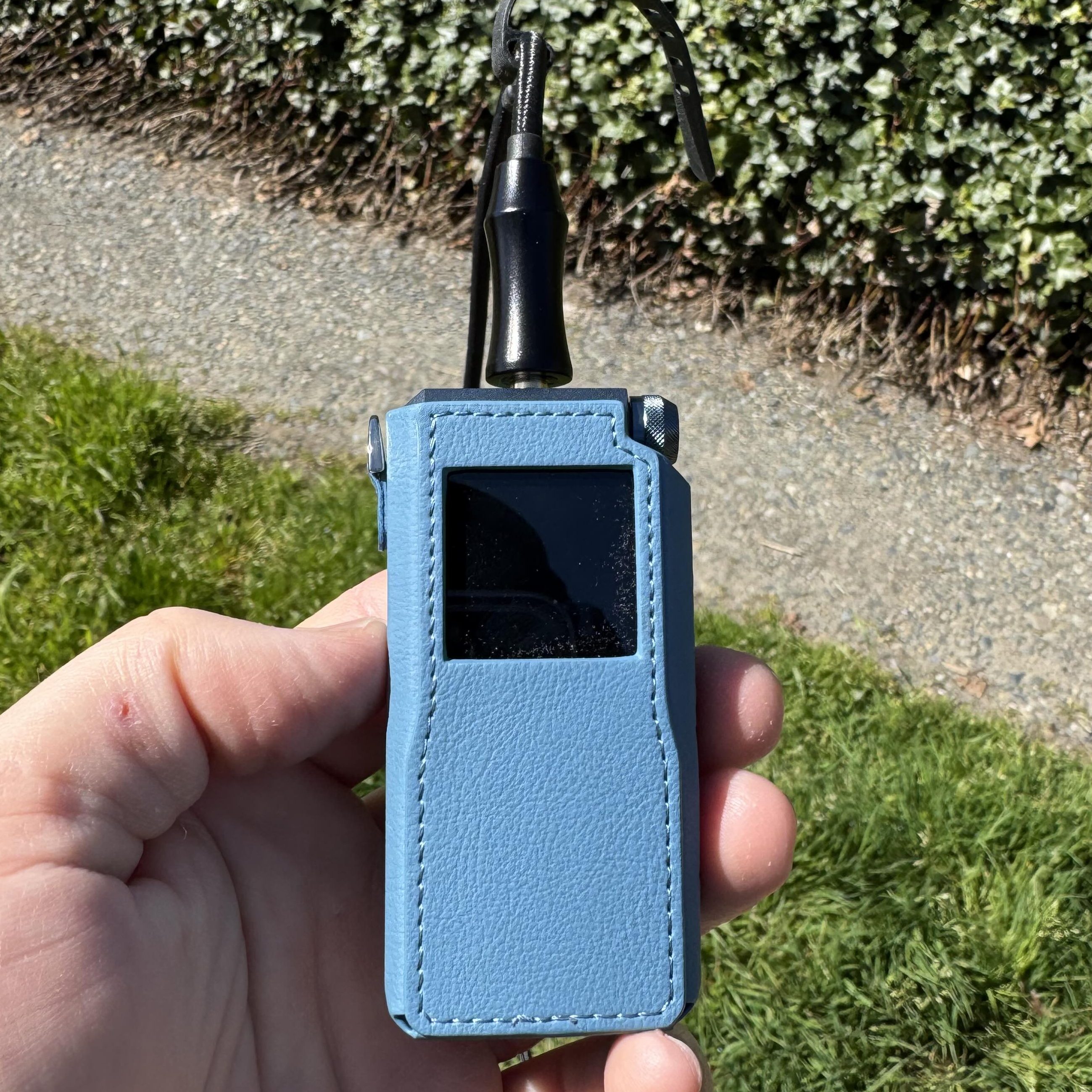
They also sound pretty damned amazing with the Chord Mojo 2, to the point where I’m having a hard time wanting to plug them into anything else.
Noise canceling
Pretty decent passive noise isolation (I can’t hear myself type, or my dog squeaking her toy in the hallway), but no active noise canceling. Fiio advertises a -26 dB passive sound insulation, but that’s not a metric I’ve seen with other headphones so I have no idea how good that is. My basic read is that it’s a pretty competently isolating closed back, but not head and shoulders above its competitors.
Spatial audio
Nope!
Build
Controls
None.
These are passive closed-backed headphones.
Connectivity
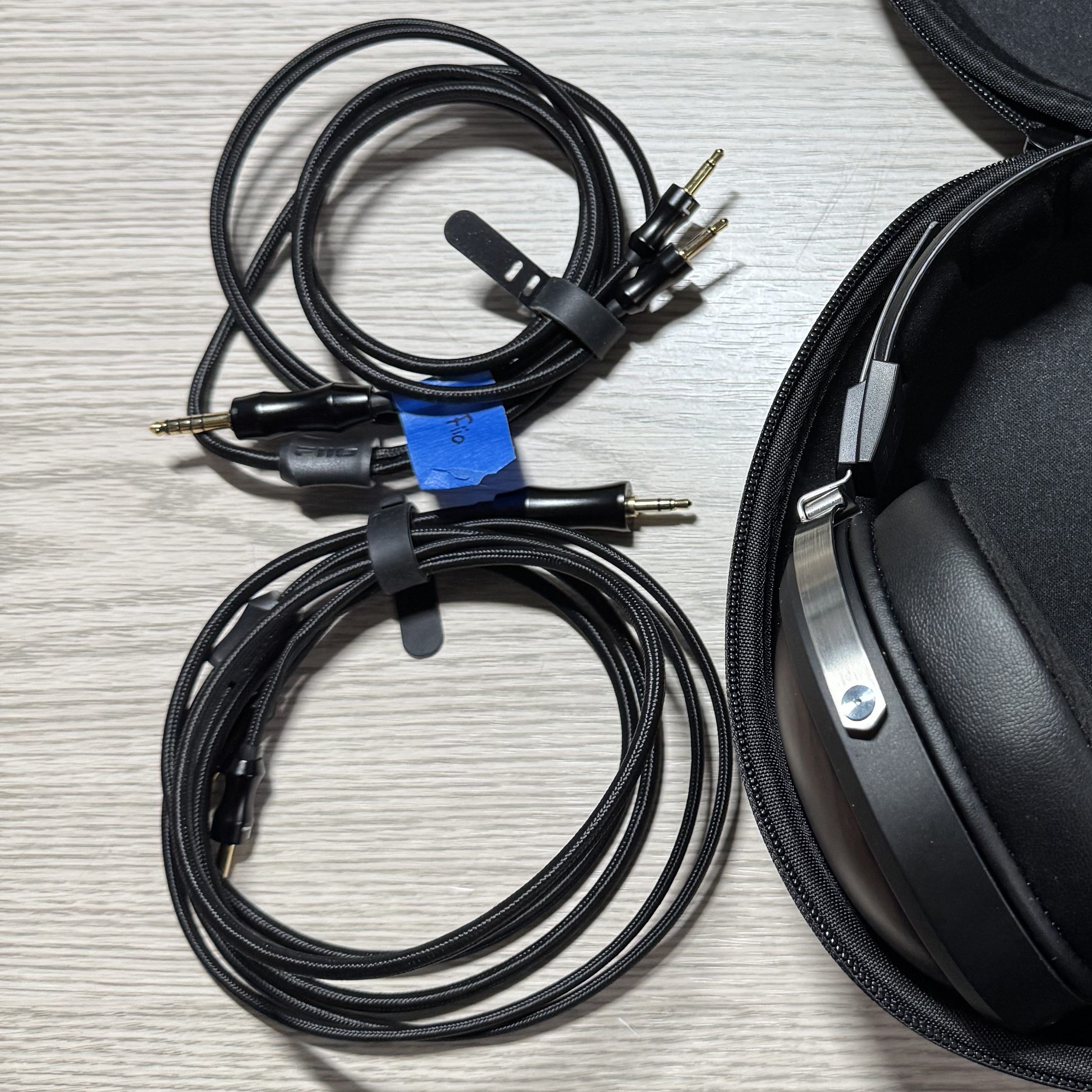
The Fiio FT1 uses a standard 3.5 mm TRS connection in each ear cup, making them compatible with a pretty broad array of both balanced and single-ended aftermarket cables (including those compatible with most Hifimans, Focals, and Mezes). However, Fiio does have the connection slightly recessed (though they’re far more accommodating than the ones on the Meze 109 Pro). This isn’t necessarily a bad thing, as it arguably makes it harder to break the jack off, but does mean you will want to check to make sure that any aftermarket cables you buy for them will fit into the guards.1
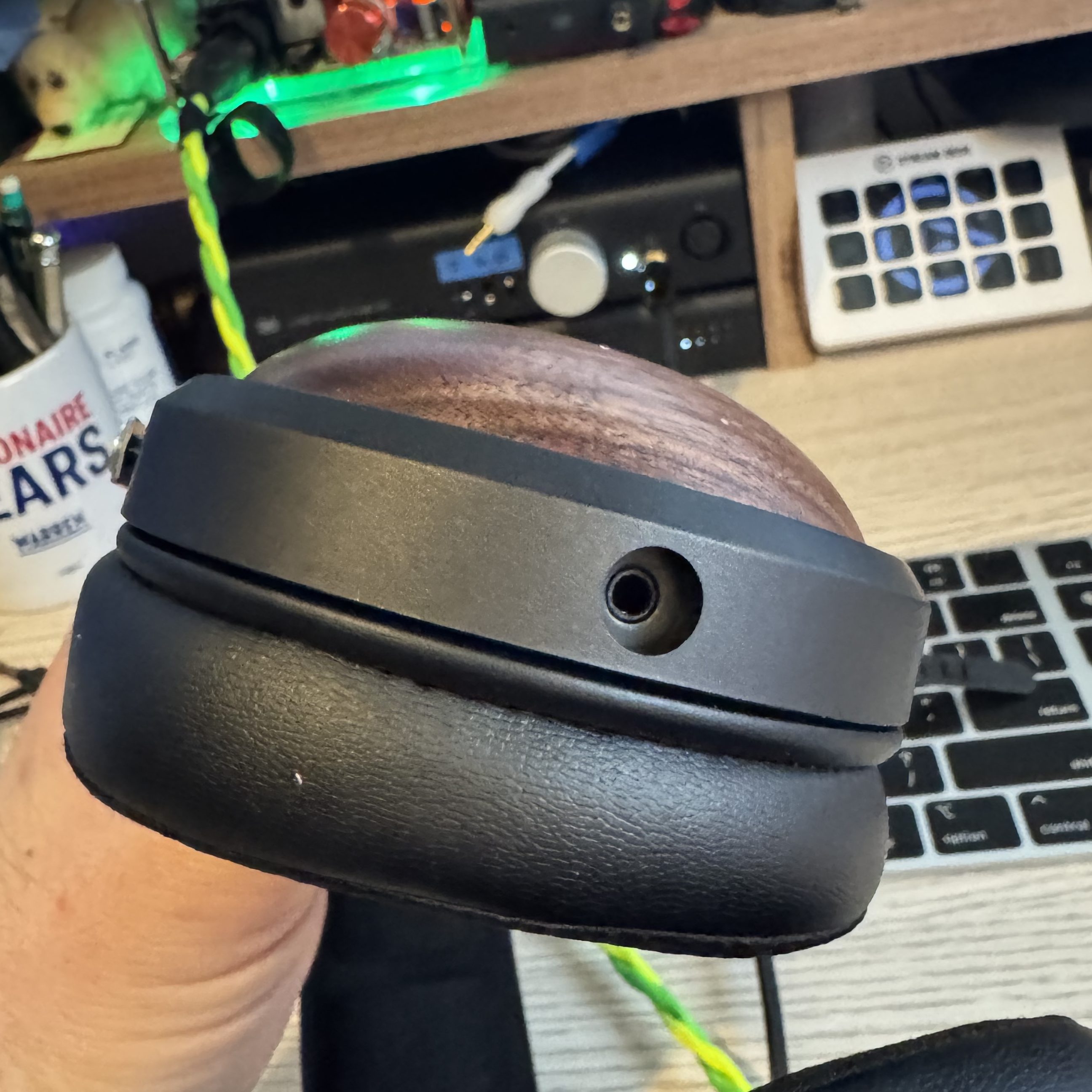
The FT1 ships with both a 3.5 mm single-ended and 4.4 mm balanced cable, both are almost 5 feet long.
Comfort.
The FT1 is a very comfortable headphone. It’s relatively light at around 340 g, and the cups individually swivel around 45 degrees side to side as well as up and down, making getting a good seal relatively easy. The clamping force is enough to make them feel very secure against all but the fastest head movements. The cups are very soft (and appear to be thin leather/faux-leather on the sides and a fabric on the face that touches your head), resulting in a comfortable fitment that doesn’t feel too warm to me.
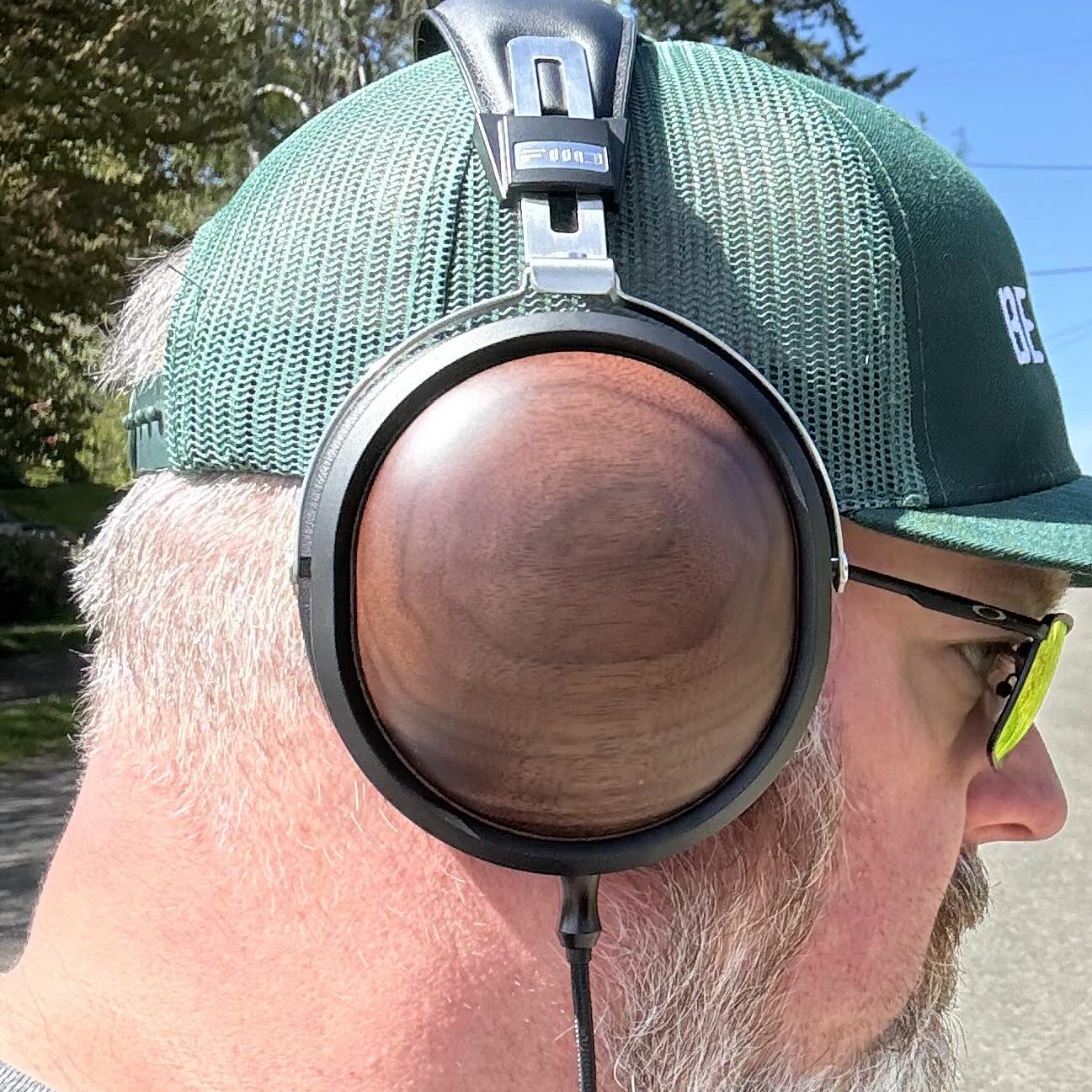
The padding on the top of the headband is pretty thin, but the cups provide enough support that at least so far I’ve avoided any pressure or hotspots on top of my head. The height of the band can be adjusted by metal sliders on either cup. In theory, both sliders have metal ridges, but in practice I can’t feel or hear them click so adjusting to a consistent fit will require taking them off and adjusting them while looking at the inside of the arms (not a big deal, just a slight inconvenience).
Construction.
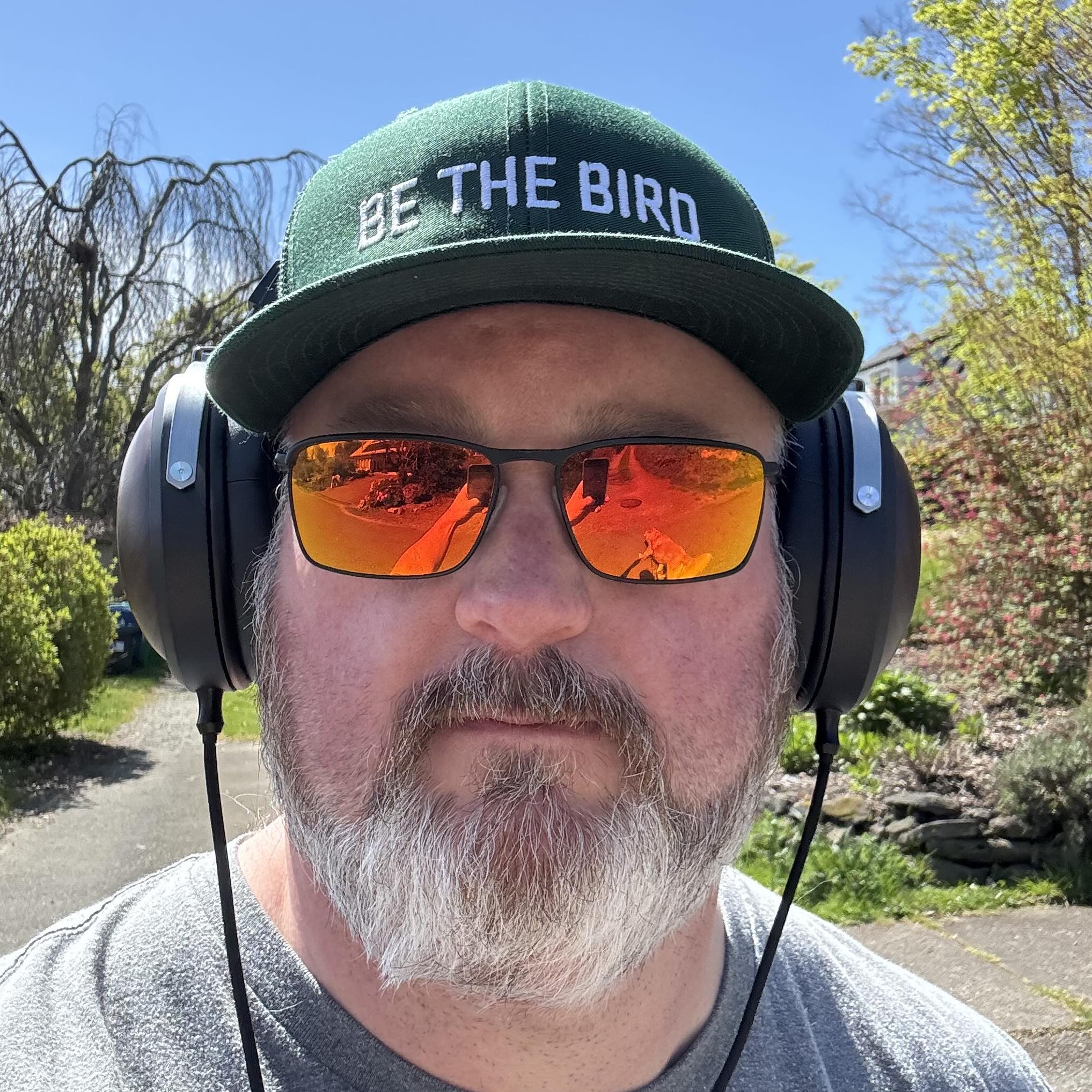
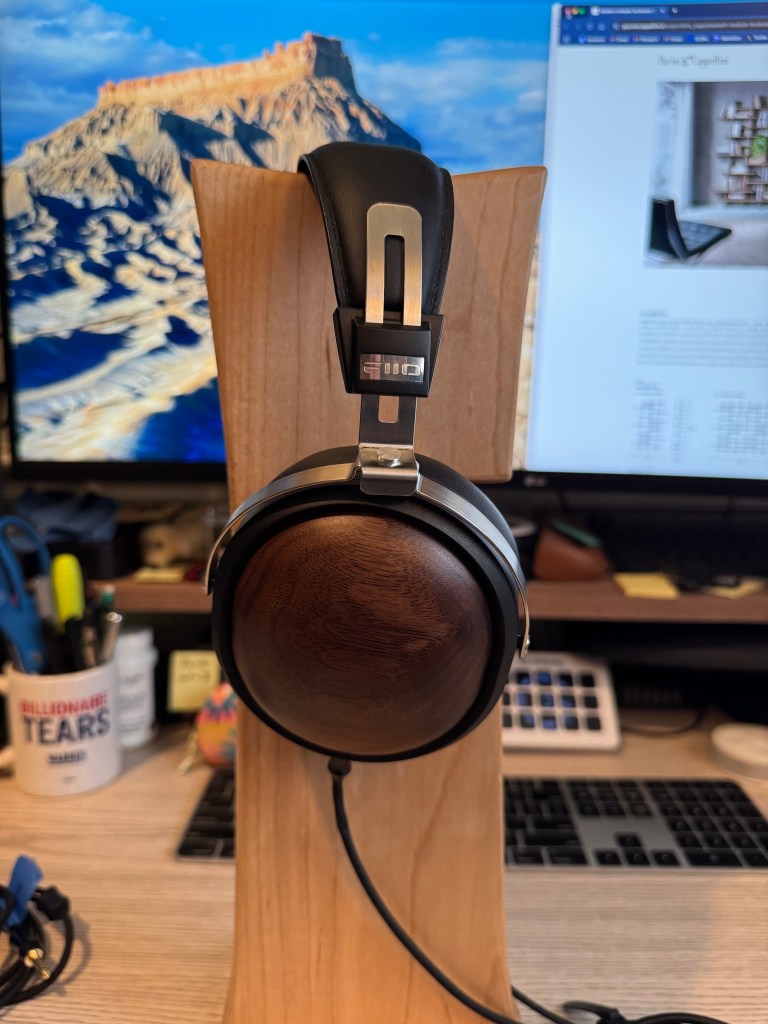
The FT1 feel surprisingly light and cheap at first; I was deeply skeptical of their sound quality when I first picked them up as a result because more than anything, they felt like the cheap Chifi knockoff Airpod Maxes I snagged the other week. The walnut wood cups are a nice touch, especially coming from the Boken Closed, but the rest of the construction is mostly plastic and thin, stamped, nd bent metal.
Like most closed-backs, the cups of the FT1 are mildly microphonic (thanks, occlusion effect!) and the included cables can be noisy with particular kinds of contact/friction (especially contact on the cable between the y-split and the cup), though they are generally not affected by regular head and body movement at a desk.
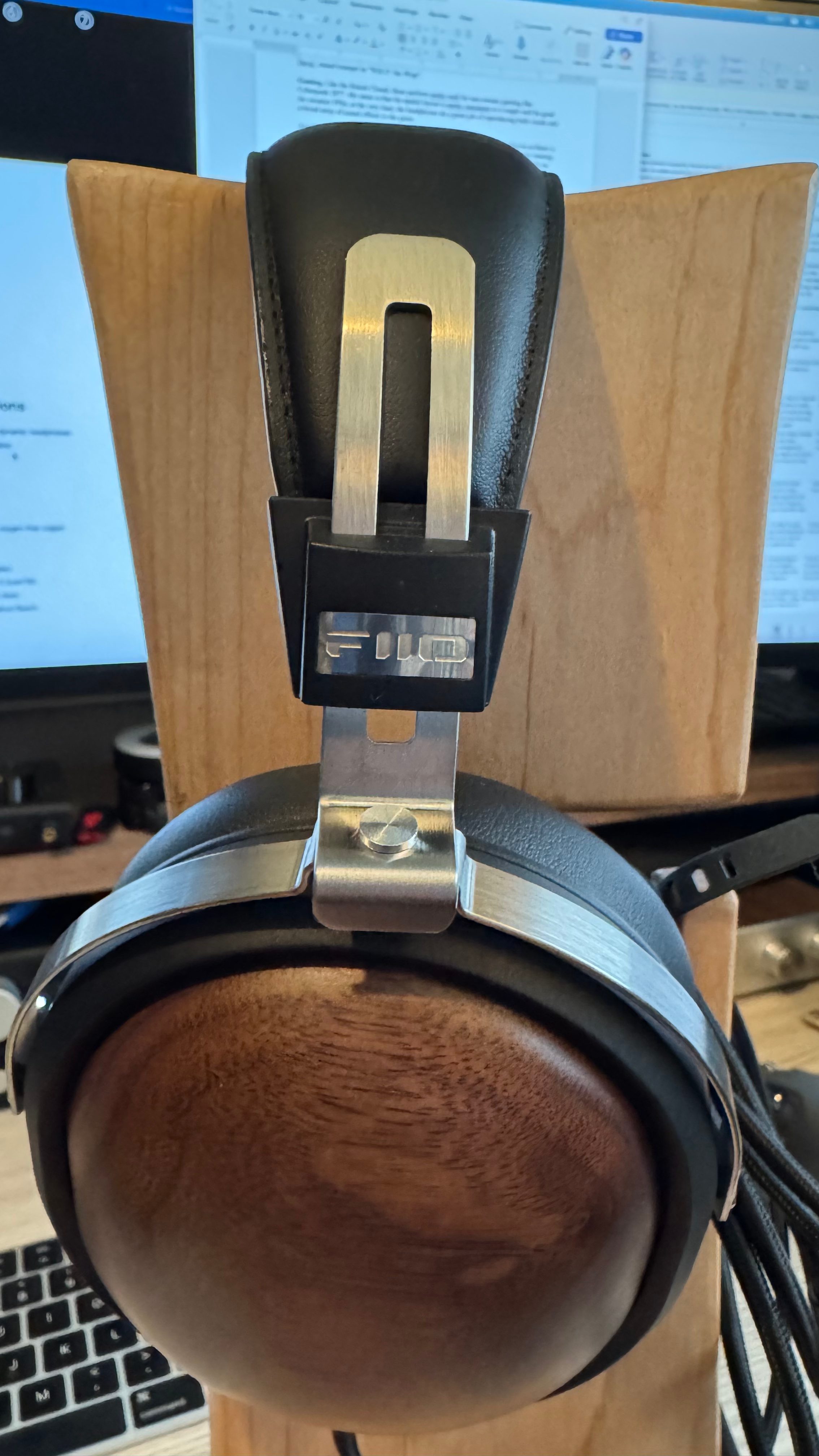
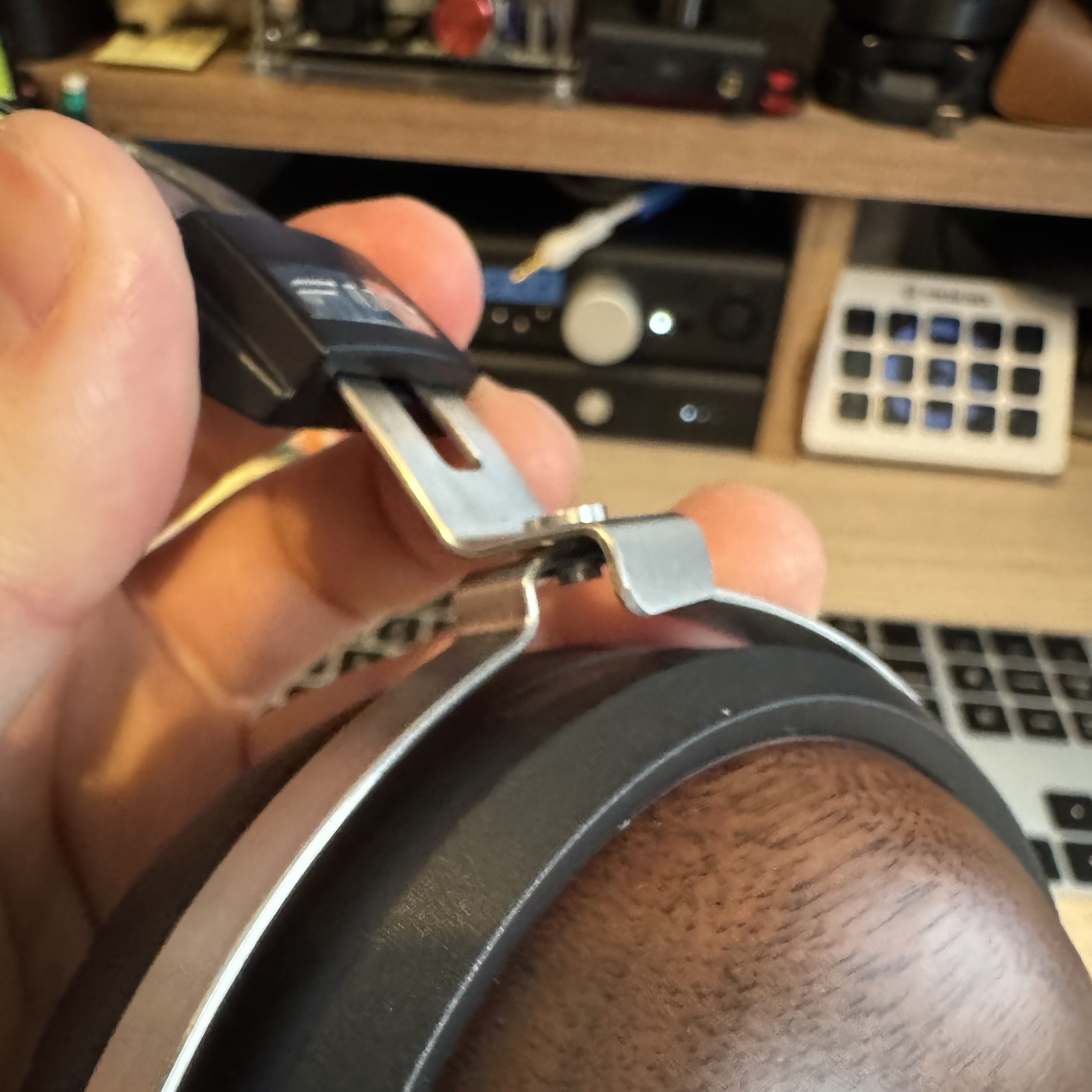
Long term, I have some concerns about the stamped metal holding the ears to the band; they’re not exactly sharp, but they’re not far off from it and I am curious to see how they hold up after being taken off a lot of times. In the meantime, I’m very careful to grip the edges of the cups when putting them on or taking them off to avoid contact with the metal edges.
These do *feel* like a $150 product; fortunately, they do not *sound* like a $150 product.
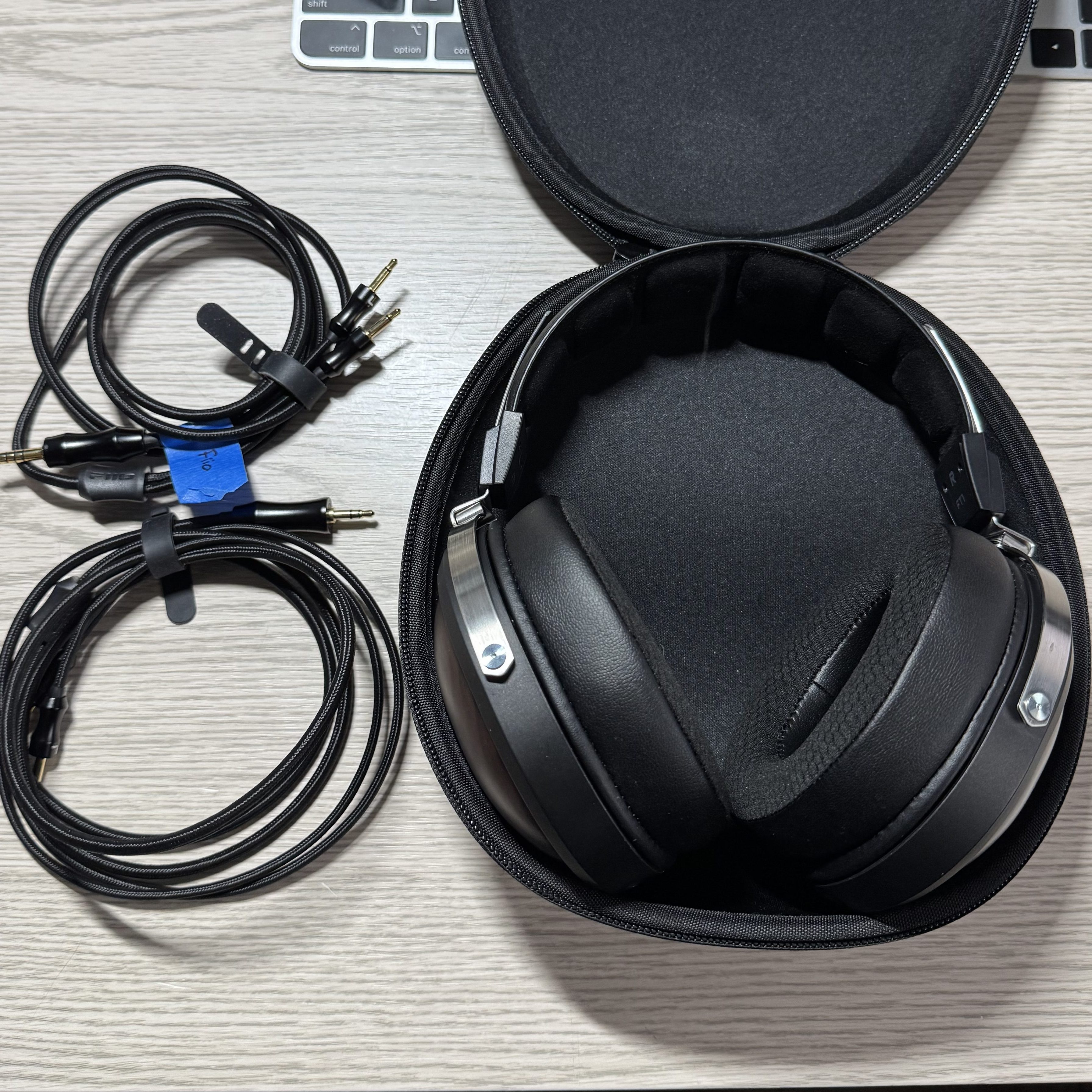
The FT1 also come with a nice array of accessories: two ~5 ft cables (one 3.5 mm single-ended and one 4.4 mm balanced) and a semi-rigid, woven cloth custom case. The cables are nicely designed and cloth wrapped. They have a fair amount of memory, to the point where coiling is slightly annoying, but for the price they’re pretty great (and they’re easily replaced if the get too annoying).
The FT1 initially had a lot of quality control problems, specifically with the screws that connect the cups to the headband, but they appear to have been largely resolved.
Appearance.
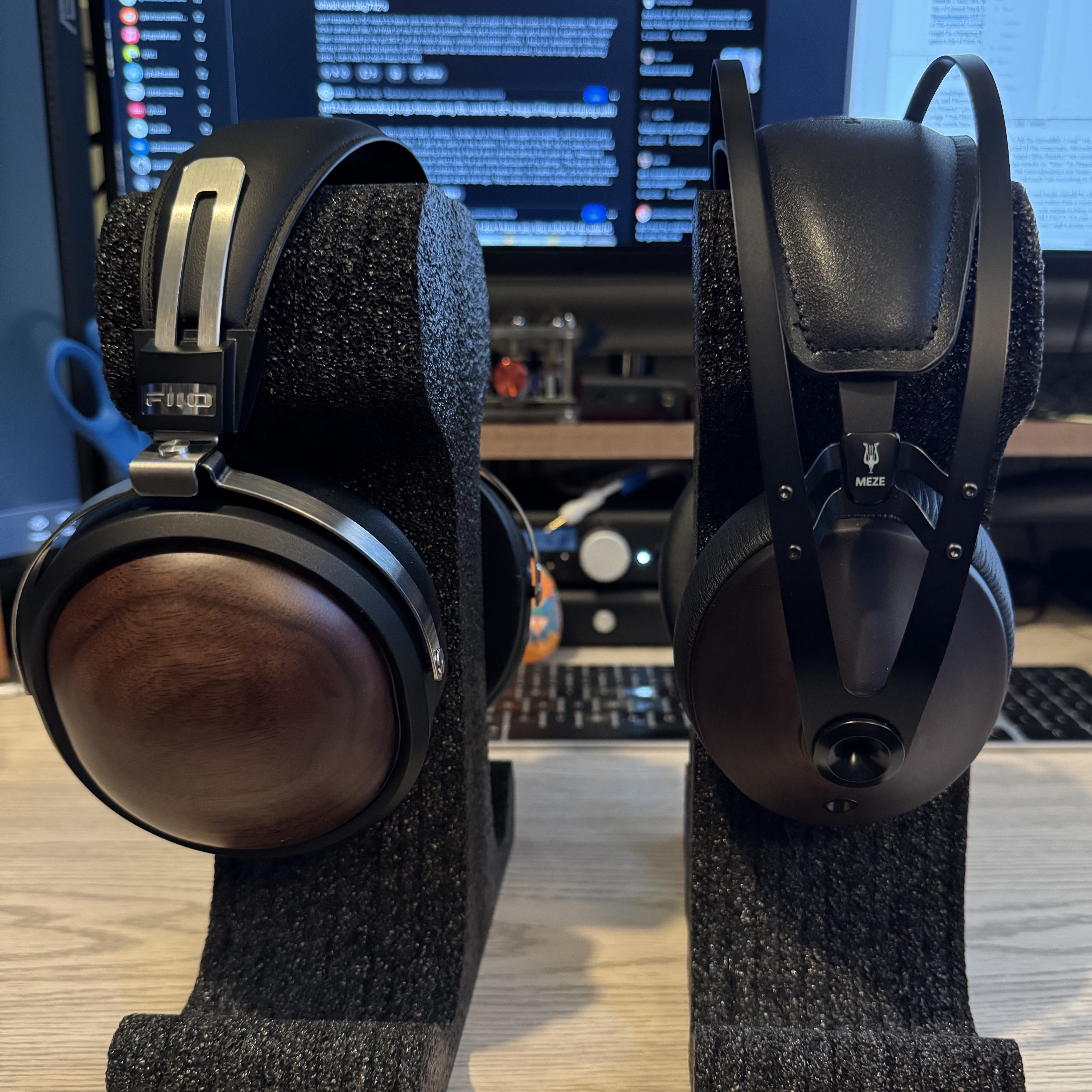
I really like the look of the walnut cups on my unit, though it provides a strange contrast to the rest of the cheap-looking plastic and stamped metal construction. They’re not small headphones, but they’re not particularly giant either. I’m generally a fan of this general design, though the Meze steampunk aesthetic is slightly more to my taste.

Value/Comparisons.
These are a great value overall. For this price, I expected a whole lot less in terms of quality. They are a $150 product and in some ways feel like it, but they punch far above their weight class when it comes to sound quality, particularly for a closed back.
Meze 99 Noir/Classic
The obvious comparison for these in my collection is the Meze x Drop 99 Noir, long my favorite closed back and clocking in at around $200 (occasionally on sale in the $170 range). To my surprise … I think I prefer the FT1. The bass is slightly richer and fuller on the 99 Noir, but cleaner and more controlled with the FT1; the 99 occasionally edges into muddiness. Same with treble; the 99 has spikier treble edging closer to harshness, whereas the FT1 is characterized by control and balance. The FT1 also has better instrument separation, particularly in the mids and treble, and better overall resolution. The soundstage on the 99 definitely feels better, particularly front-to-back. Overall, I prefer the sound signature of the FT1, and it’s not that close. The facts that the FT1 also comes with an additional balanced cable, a better (much less microphonic!) cable, a much less microphonic headband, and costs $40 less at MSRP are just the icing on the cake, and I think I’m not going to be recommending the 99 Noir anymore.
I also think I like the 99 Noir less overall now that I’ve spent substantial time with the FT1, which is a weird thing to say.
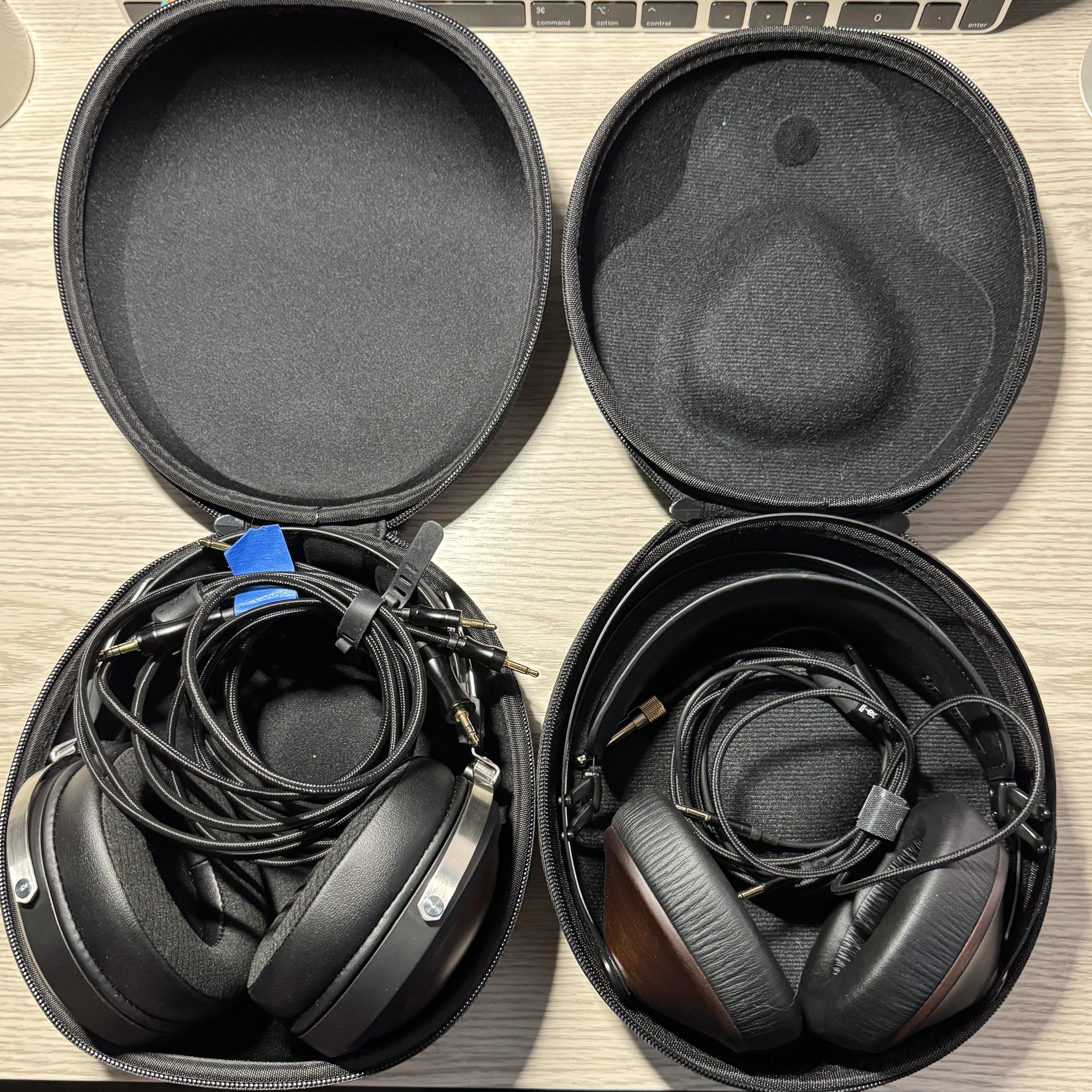
Beyerdynamic DT 770 Pro (250 Ohm edition)
I started to do a comparison to the Beyerdynamic DT 770 Pro (250 ohm edition), and then after about ten minutes my head started to hurt and I was reminded how very much that headphone is not for me. Bloated bass and sharp treble … yeah, not worth comparing. Skip the 770.
Sennheiser x Massdrop HD 6XX
The Sennheiser x Drop 6XX is in roughly the same price range, though obviously it’s an open-back headphone vs. the FT1’s closed back. I’m generally an open-back fan, and I think unless I need the very specific features of a closed back pair of cans, I’m going to go with the 6XX. That said, the bass is MUCH better on the FT1, and the FT1 is much more competitive with the 6XX than I would have expected on the rest of the sound profile other than vocals (where the Sennheiser is king). Still, it’s very nice to have an inexpensive closed back to throw in my bag when I’m going to work somewhere else.
Overall.
I’m really very impressed by the Fiio FT1. I’ve been dipping my toe back into the IEM world over the last six or seven months, and I’ve been very impressed by how far Chifi has come from the bad old knockoff days. The FT1 is the first Chifi over-ear I’ve tried (though I’ve been pretty impressed with Fiio’s own BTR11 and BTR17 bluetooth transmitters), and I really like what I hear with these. I expected them to be good-for-$150-headphones, and instead they’re just good headphones, full stop. I’m very curious to spend some time with a pair of the FT1 Pros (Fiio’s open-back version of these) in the near future. I understand why these made so many best-of lists, and they definitely have earned that place in my ever so humble opinion.
Fiio has announced that they are halting shipment of inventory to the US in light of the Trump administration’s tariff actions, so I’m going to guess these become harder to find in the short term, and likely much more expensive in the long term. If you’re in the market and have the funds right now, you might want to get them while the getting is good.
#reviews #headphones #sennheiser #6XX #anc #spatialaudio #meh #2025 #99noir #meze #overear #cans #hifiman #arya #stealth #editionxs #budget #hahahaha #fiio #ft1 #closedback #beyerdynamic #dt770
- For example, the Focal Elex’s OEM cables only barely fit in the headphone jack guard. ↩︎


Leave a reply to The Fiio FT1 Pro; a Great New Addition to the Crowded Open-Back Space – Phil's Superpower of Enthusiasm Cancel reply