

I’ve been trying to do quick reviews over the last few months to get through some of my backlog, but … my “quick” reviews are increasingly becoming downright un-quick and growing to rival some of my “full” reviews, so I’m going to try a new thing here to get it a little more under control.
These are going to mostly be things that are a) very niche, b) are mostly unavailable, or 3) that I really don’t like; AND that are not interesting enough to be to justify doing a quick or full review. I’ll still do some reviews of things that fall in those categories if I really like them, they are “important” in the context of the headfi community, or I otherwise just want to talk about them at length.
I’m sure the format will morph over time. Just for my own sake, this will consist of the most recent, and then the rest in alphabetical order. If I remember to keep that pattern.1
Mini-Reviews:
Most Recent:
My most recent mini reviews are the
1. Fostex TH500RP
2. Beyerdynamic DT 270 Pro
A
AKG K701 (April 5, 2026)
(Reviewed April 5, 2026. MSRP $599 currently around $165 on Amazon. Paid $125 + $25 shipping + $52 in Freedom Fees2 in December 2025.)
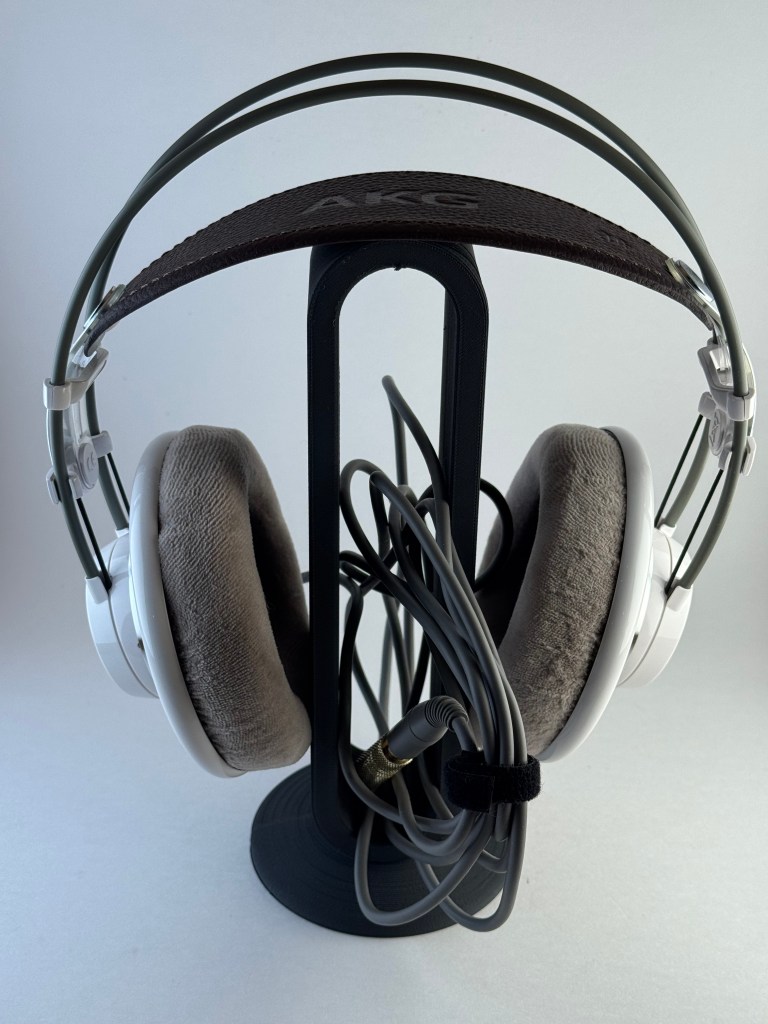
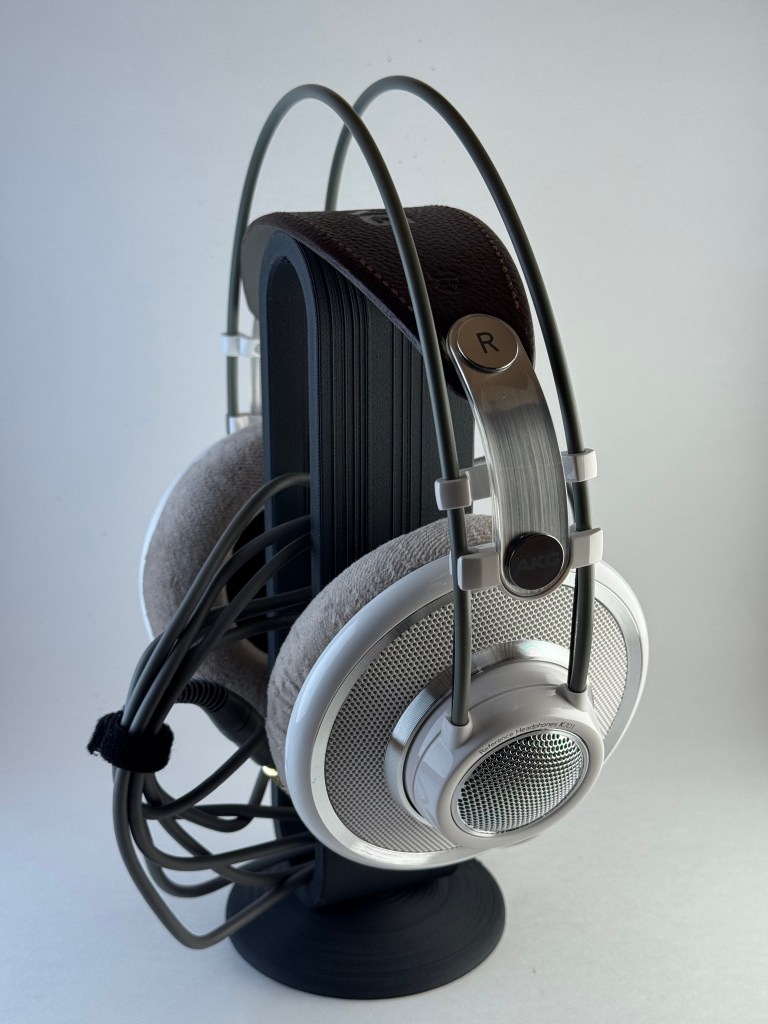
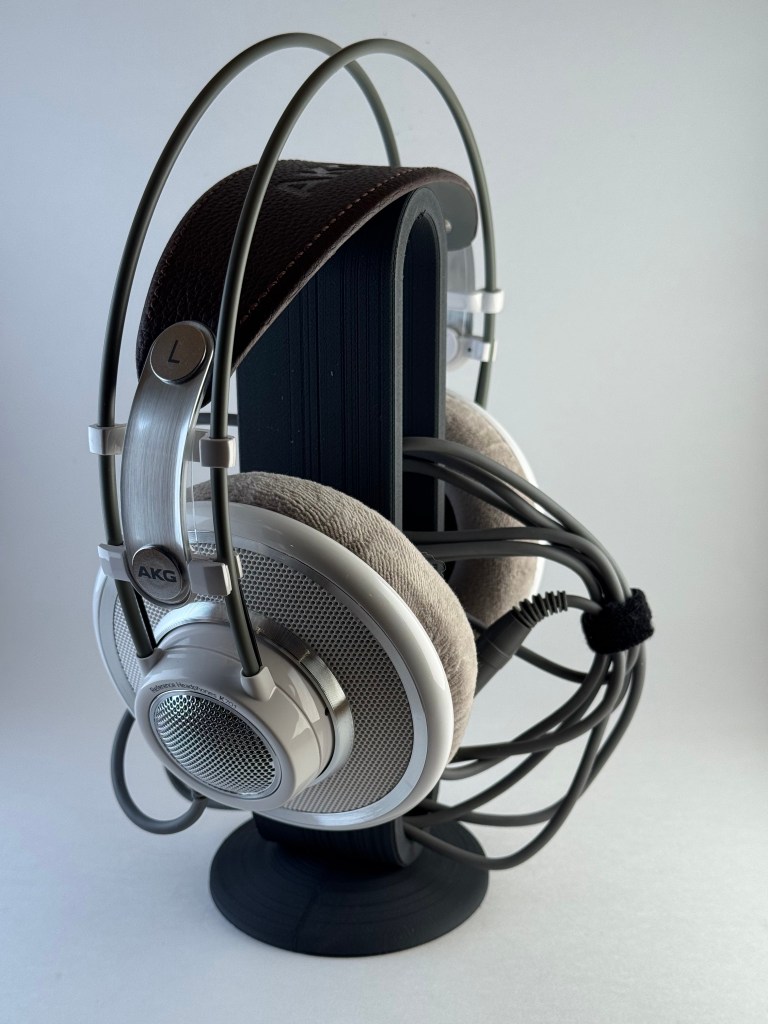

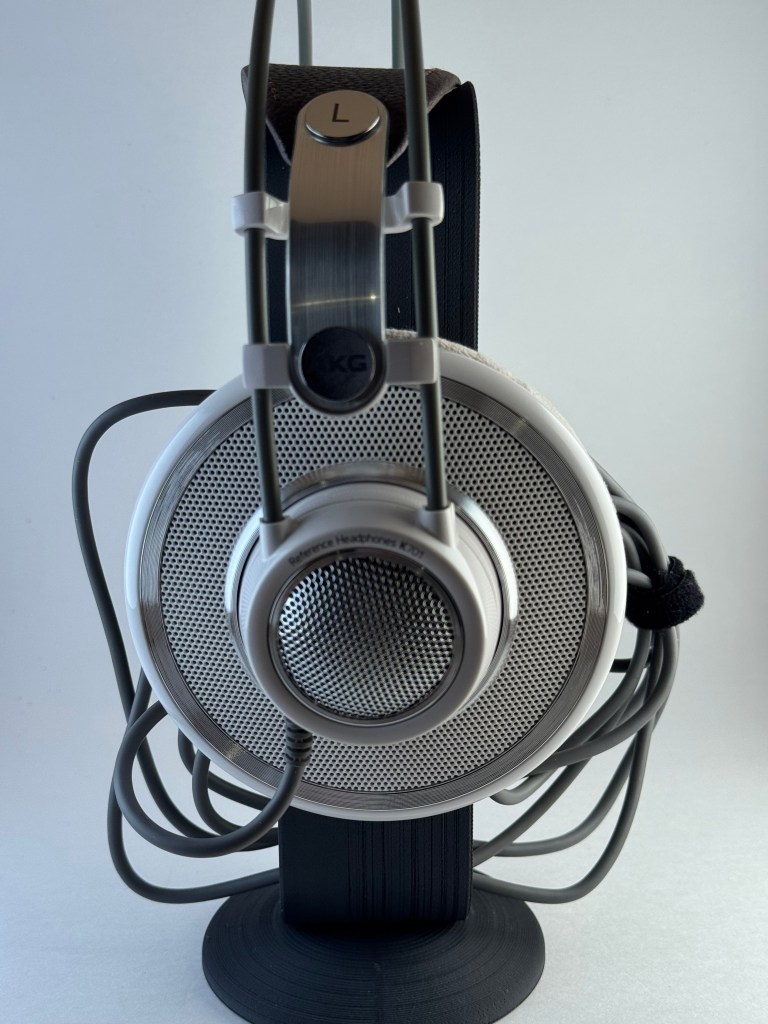
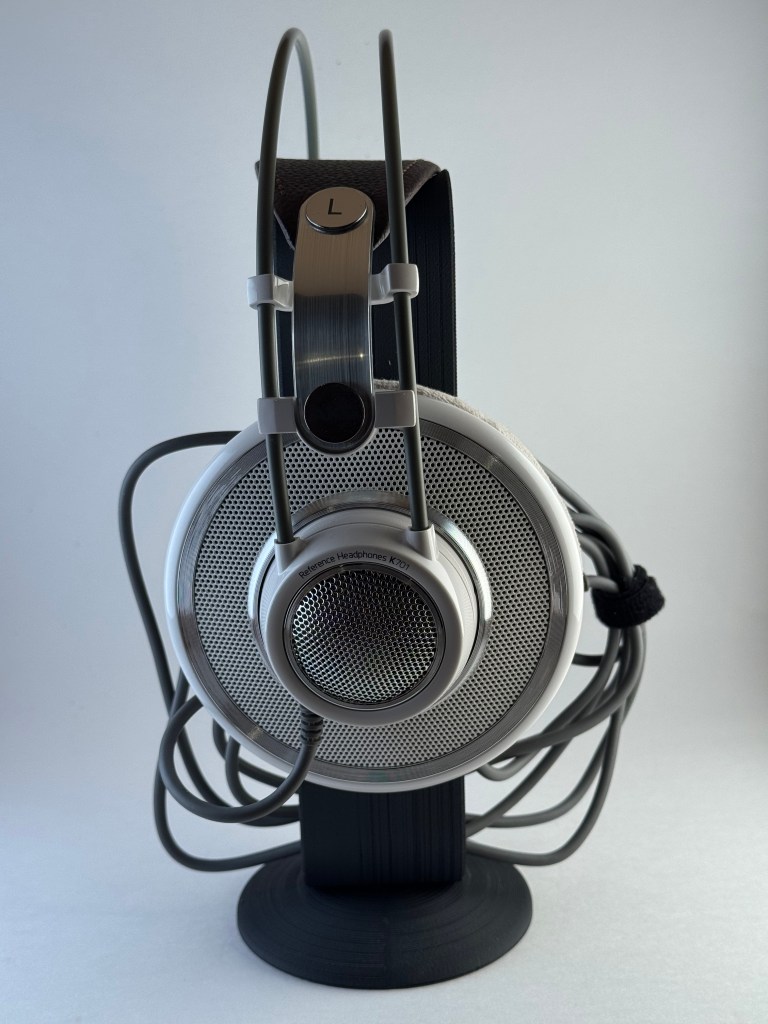
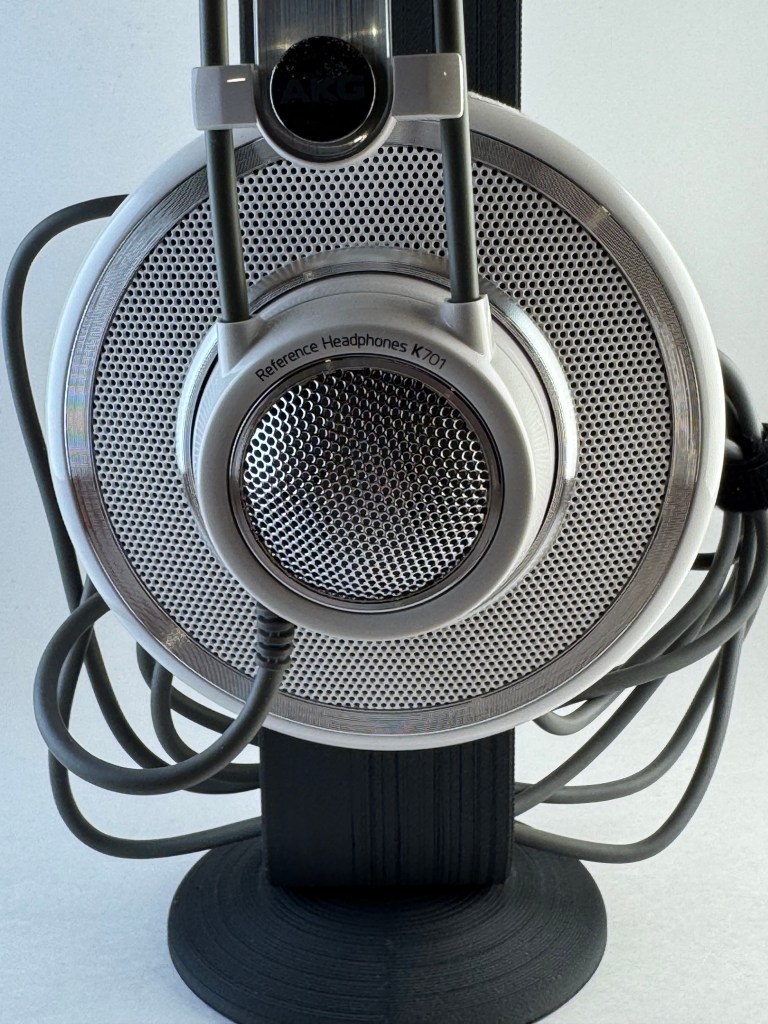
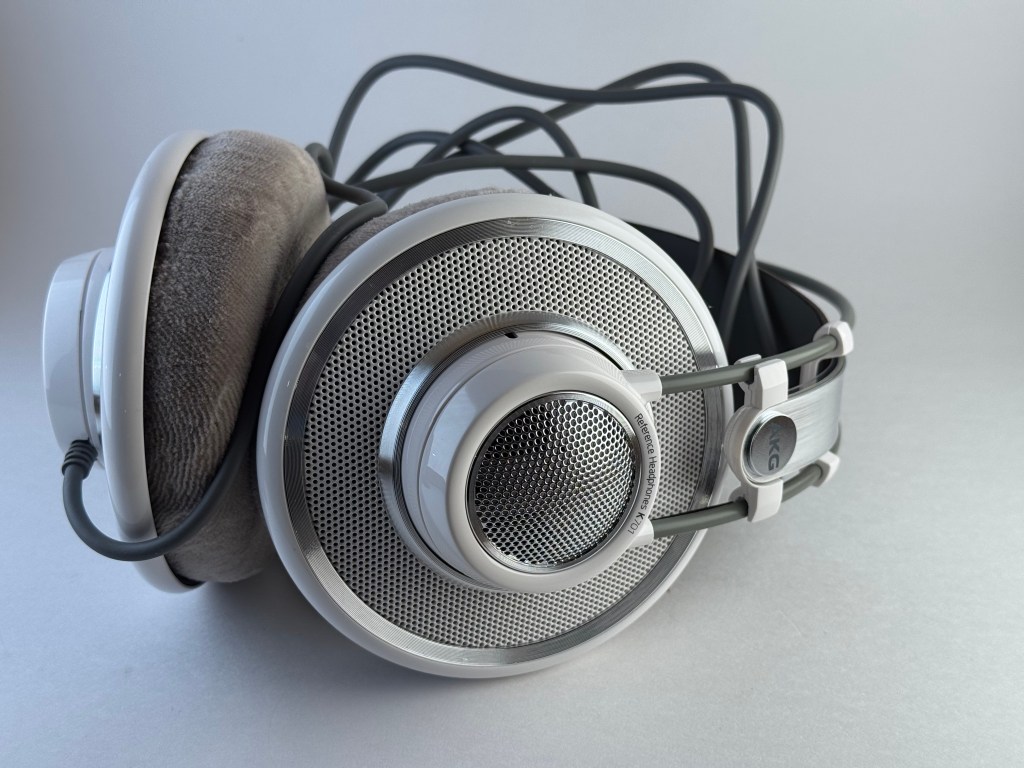

[Tl;dr: I’m genuinely impressed with the AKG 701; I mostly ordered them on a lark when I saw them marked down 75%, but they’re … great. Surprisingly great, with EQ. They’re potentially even competitive with the HD 600 for vocals, though overall I think I’m still taking the HD 600. They’re also incredibly comfortable on my head, both light and nicely accommodating. If you’re looking for something to enjoy vocal-focused music and don’t want to spend $300 on a pair of HD 600, or prioritize comfort over everything else (or want a comfy platform for EQ!) I commend these to you without reservation. These have earned a place on my wall.]
Cost-agnostic: 7 out of 10 Denalis
Cost-sensitive: 3 out of 10 Denalis (MSRP), 8 out of 10 (at $150)
The Basics. The AKG K701 have been a staple of the audiophile space for almost twenty years. AKG describes the K701 as a “reference-class premium headphone” and sells them for $599, though you see them on pretty substantial sale on a regular basis in the US. They’re an open-back, dynamic driver headphone weighing in at a 6X0-like 235 grams, and have an impedance of 62 Ohms and a sensitivity of 105 dB/mW, making them reasonably easy to drive, even directly from devices.
Technicalities. The K701 have a decent but not exceptionally wide soundstage, with a surprisingly good front-to-back staging and pretty good separation between instruments and layers. The detail is good but not great, and the timbre is overall pretty solid especially for vocals.
Sound. Bass is definitely on the lighter side on the K701, but really well executed, clean and precise even on splattery tracks like “Superpredators.” The warble on “Angel (Blur Remix)” is pretty good. I’d compared it to something like the 6XX in terms of how good it is at bass in isolation, though their relative recession doesn’t hold up as well on more crowded tracks.5 Mids are the strength of this headphone, with Jill Scott coming through beautifully on “Calls” (one of my favorite reproductions of her counter-melodies and background runs) and Justin Hicks’ is damned near perfect on “What Did I Do?” This may be the one headphone that out-vocals the HD 600 in some ways, though I prefer the overall tune of the 600s. The treble is definitely a “reference”-focused tune, with elevated (and to my ear, occasionally unpleasant) treble; the synths on “Clair De Lune” are a bit sharp, though Davis’ solo on “Will O’ the Wisp” mostly stays just this side of harshness.
This is a headphone that benefits immensely from EQ, though, and doesn’t surrender its character and uniqueness when you apply even a fair amount of it. Though, I will note, it’s not something I’m going to grab when I know I’m listening to something that’s treble-forward, even with EQ.
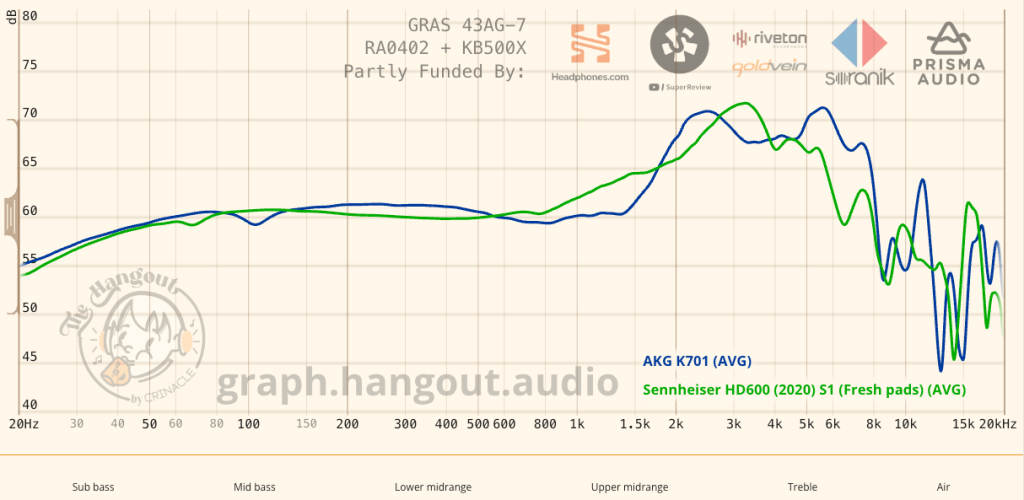
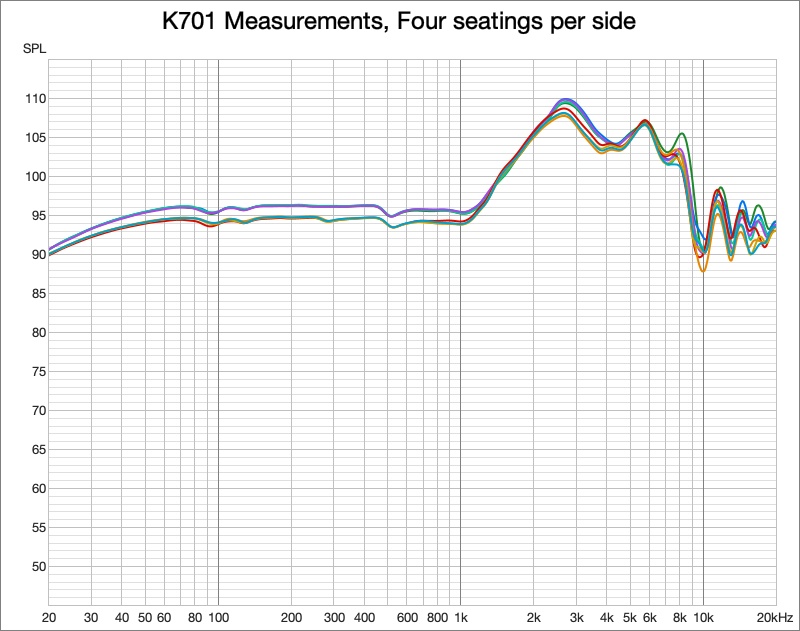
Yeah, this is more or less what I hear; more forward vocals than even the HD 600, and I definitely hear that spike at 5-6 kHz (which explains why Oratory knocks that down by more than 6 kHz in his EQ).
EQ. These are headphones that mostly don’t *need* EQ, but definitely benefit from it (particularly with a bass shelf and a little de-spicing of the treble). I’d start with Oratory1990’s excellent EQ profile for the K701, and I take down Bands 5 (treble) and 7 (3.5 kHz) a dB or two to take the edge off them.
Build. These are incredibly comfortable headphones. The pads are fluffy and just soft enough; though they feel a bit firm to the touch, they’re surprisingly accommodating when combined with the K701’s relatively light clamping force. They’re light, they flex nicely, they’re soft … this is on the same level as the HD 490 Pro when it comes to comfort. The cups are also surprisingly big and accommodate my ears, and they don’t seem to be particularly affected by head position in my measurements (with very little, and VERY consistent, channel variation).
My only build complaint: this cable sucks. It just sucks. It’s not detachable, it’s a pretty mediocre cable in terms of feel and texture, and … it’s 3 meters long. I don’t know why AKG thought this was a good idea, and it clearly wasn’t. It’s a bad cable, and it’s like three times longer than it needs to be. If you get these, get the K702 which is the same headphone6 but with a detachable (albeit mini-XLR) cable.
Alternatives. Obviously don’t pay $600 for a pair of K701s in this market and at this point. I think they’re a steal at $125, and even pretty good at the ~$200 I paid all-in. In a world in which the HD 6XX is available at $200, I’m going to take the 6XX pretty much every time (even though the K701 are more comfortable and better for vocals!), but when the 6XX are $100 more expensive like they are now … man, I’d think real hard about these, particularly if that $100 means a lot to your budget, or you’re clamp sensitive.
I would take these over a lot of things in the $100-125 price range, including probably both the HE-400se and HE-5XX; I think at the end of the day I prefer their out-of-the-box tune over the K701 but the K701 takes EQ beautifully and the level of detail and natural timbre you get out of the K701 (particularly for vocals) is quite something. I’m probably taking Sundara and the FT1 Pro at around $200 over the K701, but that’s more a reflection of how good they are at their price points than anything to do with the K701 as a headphone.
Overall. Overall, I’m really surprised by how much I enjoy these headphones. They’re particularly good at quiet, more sparse music, with a low end that is not particularly loud but is just very well done. And the vocals/mids are great, and the treble is … fine, but easily adjusted. I genuinely don’t know how often I’ll use these, with a wall of great open back options, but I’m glad to have them in my collection.
B
Beyerdynamic DT 270 Pro (July 2, 2026)
(Reviewed July 2, 2026. MSRP $149.99, currently $129.99. Paid $149.99 in April 2026.)
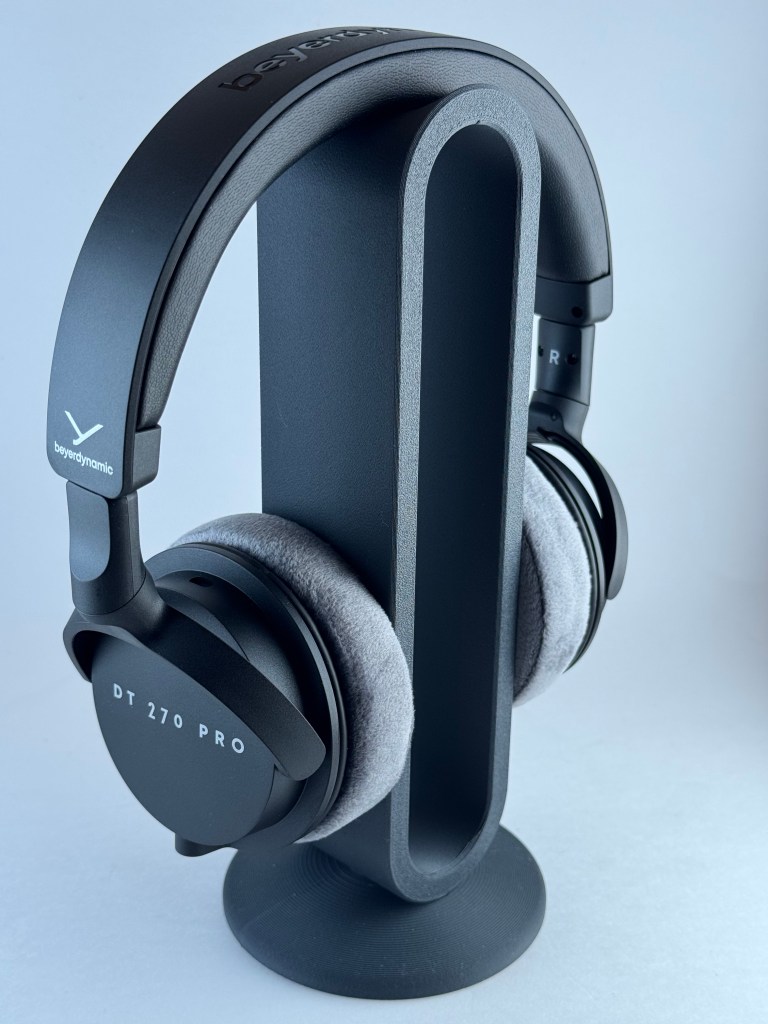
[Tl;dr: I’m genuinely pretty shocked by this headphone. It’s almost an article of faith at this point that I don’t like Beyerdynamic headphones, and certainly that I don’t like their closed backs at all. And yet … the DT 270 Pro is a really good headphone. To be fair, it’s a bit unhinged in the midbass out of the box, but that’s a pretty easy fix with EQ and the midrange and treble are really well tuned. They’re not going to fit everyone’s head particularly well, and I’d love to see some deeper and more comfortable pad options, but for a $150 (and right now, $130) product, you have to expect some tradeoffs.
If you’re in the market for a budget closed back, I strongly recommend you take a look at the Beyerdynamic DT 270 Pro. I can’t believe I’m saying this, but … I’m excited to see what Beyerdynamic does next.]
Cost-agnostic: 7 out of 10 Denalis

Cost-sensitive: 9 out of 10 Denalis

| Bass* | Mids | Treble | Soundstage | Comfort/Fit** | |
| Beyerdynamic DT 270 Pro | 6B | 3B | 4B | 3C | C |
*I score bass, mids, and treble on a two part scale: 1-5 for quantity (5 being the highest), and A-E for quality (A being best in class, E being laughably bad). For soundstage it’s also a two part scale, with the number representing the width and the letter the separation within it.
**For comfort/fit, my scale is A-E with A being disappear entirely into the background and E being I want to tear my ears off to stop feeling these headphones on my head. I’ve had one E: the Koss PortaPro.
The Basics. I do not like Beyerdynamics. Like, REALLY do not like them. I also, generally, don’t particularly like closed backs. And yet … I like the DT 270 Pro. A lot. [I don’t get it either.]
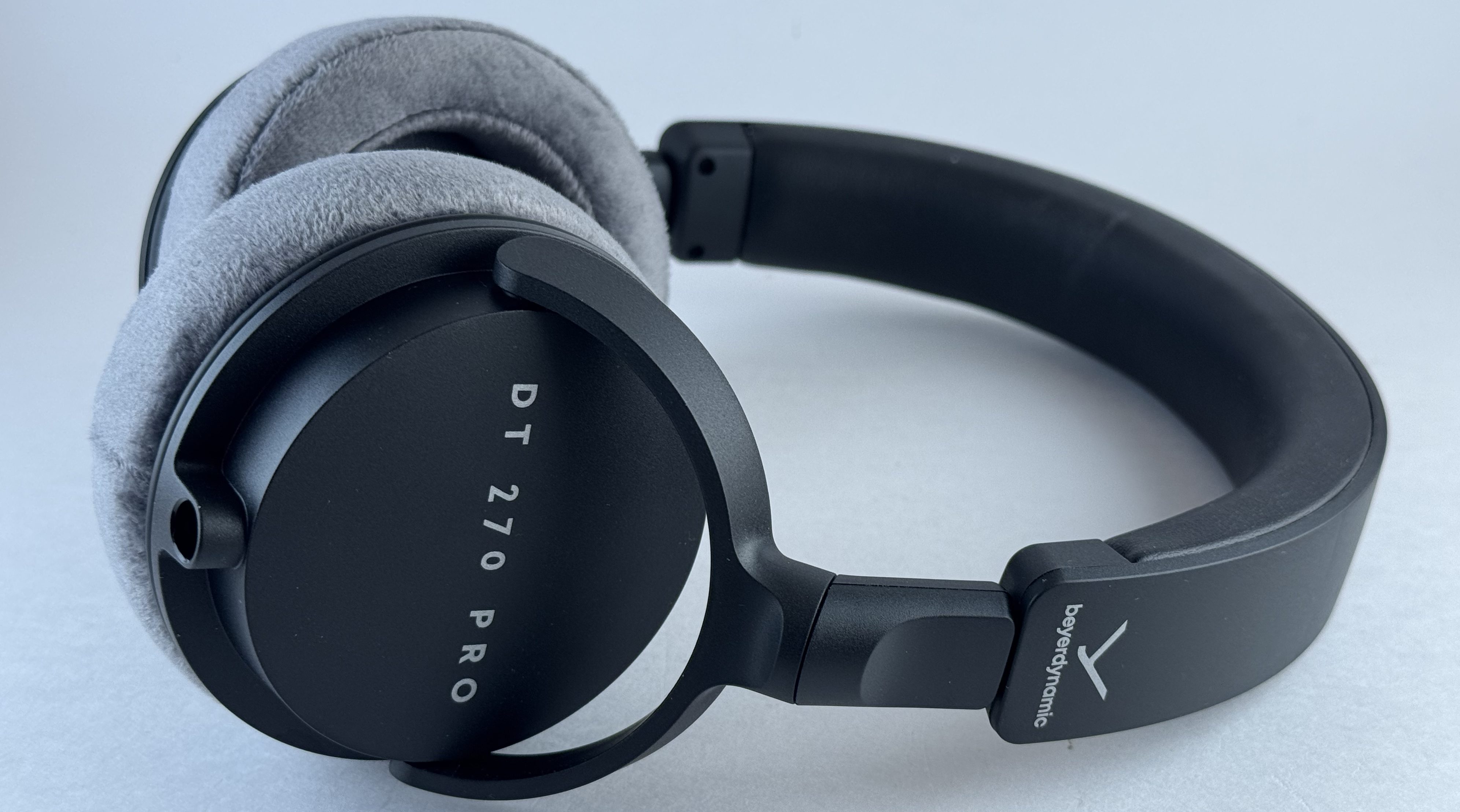
The Beyerdynamic DT 270 Pro is a relatively new addition to the Beyerdynamic lineup, announced in October of 2025. It’s a light (194 gram), dynamic-driver, closed back headphone that’s surprisingly easy to drive, with a nominal impedance of 45 Ohms and a sensitivity of 96 dB/mW. It … fixes almost all of my issues with the DT 770 Pro (which I cannot wear for more than 10-15 minutes at a time without developing a headache from the brightness), but does have its own quirks.
My one note here is that the midbass on the DT 270 Pro is a bit … well, unhinged, and I personally wouldn’t particularly want to listen to them without a bit of EQ in place. In particular, something like the xx’s “Islands” can be really rough with the out of the box tuning.
Here’s how my unit measures on my Mini-DSP EARS Pro:
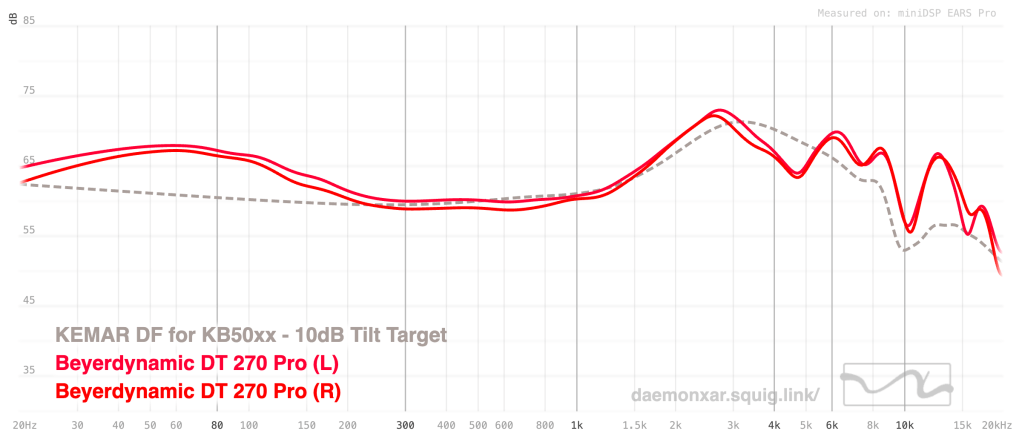
So, the following review is with the EQ profile below in place, applied via Roon’s MUSE and tested via my new Qudelix 5k.
EQ. As mentioned above, the mid bass on these is a bit unhinged and I’ve come up with a quick two band EQ that I think tames it without losing some of the magic. The combination of a low shelf bass boost and a substantial knockdown at 75 Hz brings the sub bass and mid bass into balance without damaging the rest of the (reasonably good!) tuning.

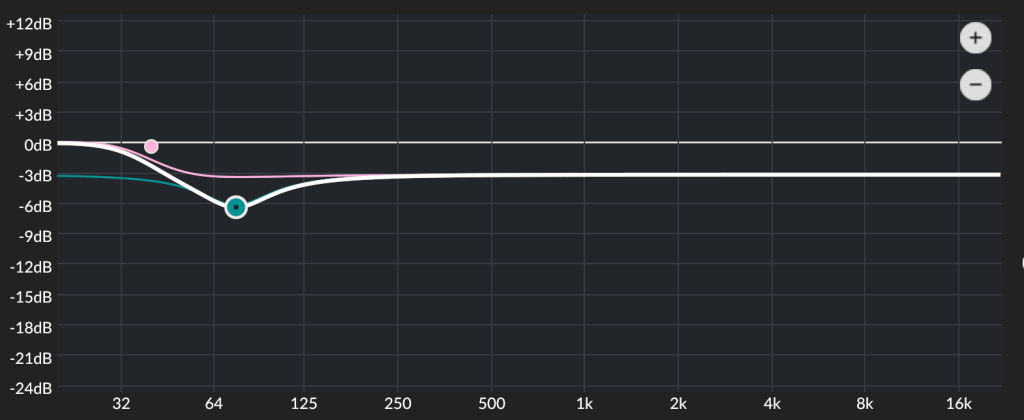
Without EQ, these are reasonably unpleasant headphones for tracks with any substantial amount of bass. With it, I’m a big fan of these, especially for a value closed back pick.
Technicalities. The soundstage is pretty good and very clean with the 270; it’s not the widest in the world, but its imaging and layer separation is surprisingly well done and I have occasionally been surprised by the placement of something in the mix. As an example, there are some secondary and tertiary lines on “Drream” out wide in the left and right channels that I don’t think I realized were there, and the concluding word in each line on “Angel (Blur Remix)” is doubled, present separately in each of the channels. I’ve listened to this song … a lot, and I don’t think I really realized that until these. It’s occasionally a bit distracting on a track like “BLACKBIIRD,” but overall it’s a nice soundstage.

It’s a little more tame with some of my other test tracks; on “Chan Chan,” the soundstage is reasonable, with the various guitar lines, hand percussion, and vocalists all nicely laid out in space but without anything standing out in any kind of impressive way. Pretty decent front-to-back sound staging too; the guitar riff on “Love Can Damage Your Health (Laid Mix)” is solidly rotational instead of just panning.
Perceived detail and resolution is solid, particularly in the bass. While the bass level is … excessive (particularly without EQ), it’s really clean and well done and distinct. Timbre is generally good too; nothing jumps out as being particularly outstanding, but it’s generally clean and natural without the metallic edges that creep in on a lot of value headphones (particularly closed backs).
Microdynamics are generally pretty good, if not great. The bass bell tones on “Angel (Blur Remix)” are solid and tangible, but don’t have quite the impact I want, and the warble after the initial tone is pretty subdued. Interestingly, the treble bell tones are also a bit subdued, though not to the point where it’s a problem for me.
Sound. Bass on the 270 is a real strength, if you tame it a bit via EQ. Even without EQ, when it’s at a pretty intense level, it’s still VERY clean and clear. I’m genuinely impressed; not a ton of headphones put out this level of bass without getting splattery or thumpy. It’s one of my favorite versions of the bass entrance at 2:48 on “Out of My Hands,” and it’s pretty damned impressive on “Got ‘Til It’s Gone”. It’s also one of a handful of headphones where I can hear most of the low notes on Gorillaz’s “Welcome to the World of the Plastic Beach”; the lowest notes are felt rather than heard, but an amazing amount of it is clearly audible. The midrange is solid; nothing to write home about, but pretty good for a sub-$200 closed back. Because of the elevated bass there are moments where the lower end of the midrange risks getting a bit swallowed, but I’m generally impressed by how well controlled the 270 is overall. Jill Scott is clear and nicely defined on “Calls”, “Christine Hoberg” is mostly good (but edges into sharpness on a few specific words) on “Clair De Lune”, and Justin Hicks is almost perfectly reproduced on “What Did I Do?,” though I might want him just a hair farther forward in the mix. Midrange instruments are strong; the guitars on “Garcia Counterpoint” are crisp and clean without being sharp, though the different lines could be a little more clearly separated at times. The treble is shockingly good by Beyerdynamic standards, with both “2021” and “Will O’ the Wisp” nicely reproduced without entirely edging over into harshness (though Miles gets real close around 1:35 in “WotW”).

It’s worth noting that the noise isolation isn’t amazing; Beyerdynamic claims that it reduces outside noise by 19 dB, but in practice that means that I can still hear myself typing on this Microsoft Intelligent keyboard. I don’t hear my dog in the next room, though, and I can’t hear my heat pump cycling on and off outside my office.
Build. The build quality is okay, given the price point. It’s an almost entirely plastic build, which means that it’s incredibly light, but also feels both cheap and flimsy. The earcups rotate almost 180 degrees and tilt probably 75 degrees, and that combined with a relatively compliant earpad makes it reasonably easy to get a good, consistent seal (which in turn helps get consistent bass). That said … the ear cups are tiny, and shallow, so people with larger ears might have a comfort issue. My ears mostly fit, but I don’t think I’d want to wear them for more than a few hours at a time, even if they never got particularly uncomfortable during my review listening. Between the reasonably padded headband and the very light weight, I definitely didn’t have any hotspot issues during my listening.

I like the cable system that Beyerdynamic adopted for the 270 Pro; it’s a single entry, 3.5 mm cable but there’s a port for it on both cups, letting you pick the side you want to connect to (like the Sennheiser HD 490 Pro/480 Pro, though unlike the Sennheisers I believe the ground line is connected so you cannot use a balanced amplifier with them).
The 270 comes with a pretty decent package for a value closed back; in addition to the headphone, you get the up to 3 m, 3.5 mm-terminated pigtail cable with a threaded 6.35 mm adapter, a dongle DAC (which I haven’t used for more than a few moments but appears to be competent), and a drawstring bag. I might expect a rigid case with a closed back, even a value one, but at this price point I suppose I shouldn’t be too choosy.
Alternatives. There aren’t a whole lot of comparable products in this space that I would recommend; really, it’s just the Fiio FT1.
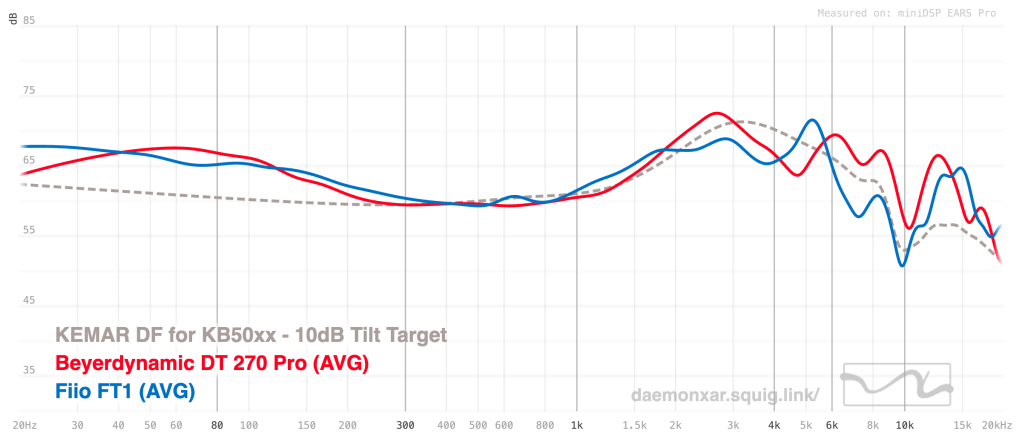
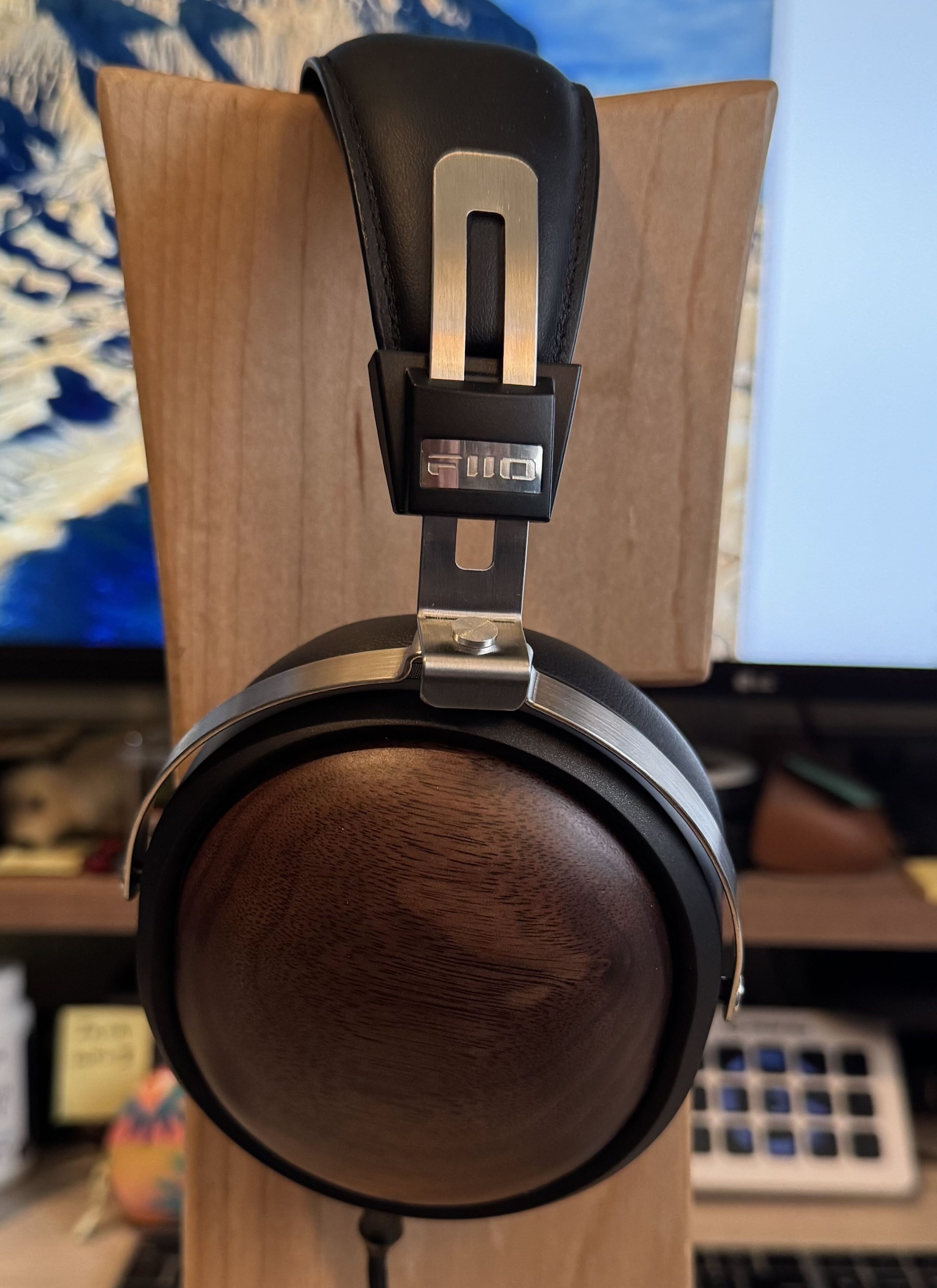
- Fiio FT1. The Fiio FT1 is my prior budget closed back pick under $500. I’ve been waffling a lot on this, but I think at the end of the day I might marginally prefer the DT 270 Pro over the FT1. The FT1 is definitely more comfortable on my head, and more neutrally tuned, but the bass is so much cleaner on the 270, and the mids better balanced that I’ll take just a tiny bit more (not necessarily unpleasant) wonkiness in the treble.
If I were wearing a pair for six or seven hours at a time, I might stick with the FT1, but for most of my used cases for a closed back, I’m picking the 270. Graphs of my units:
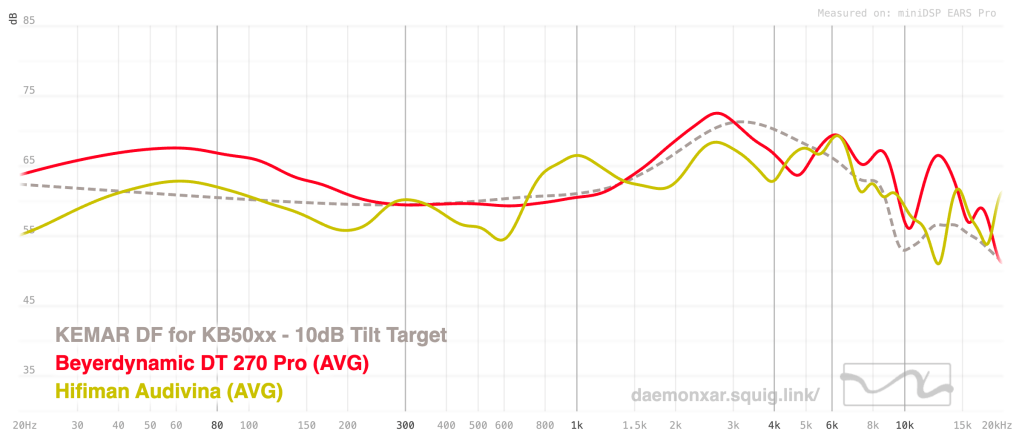
- Hifiman Audivina. It’s kind of a ridiculous comparison, but *I* paid basically the same amount for these headphones. I’m taking the Audivina most of the time, because I’m going to be EQ’ing them both for basically all listening, and the Audivina is just the more fun headphone. Out of the box, I’m taking the 270 all day though.
- Sennheiser HD 480 Pro. The 480 mops the floor with the 270 on everything, period. The 480 Pro is an incredible well-designed, classic closed back (that despite that, somehow avoids being boring), but it’s more than twice as much. If you can afford the upgrade, do it; in my mind the upgrade in sub bass, mid bass balance, midrange, and treble, as well as comfort, is so worth it. If you can’t, the 270 is a great introductory headphone.
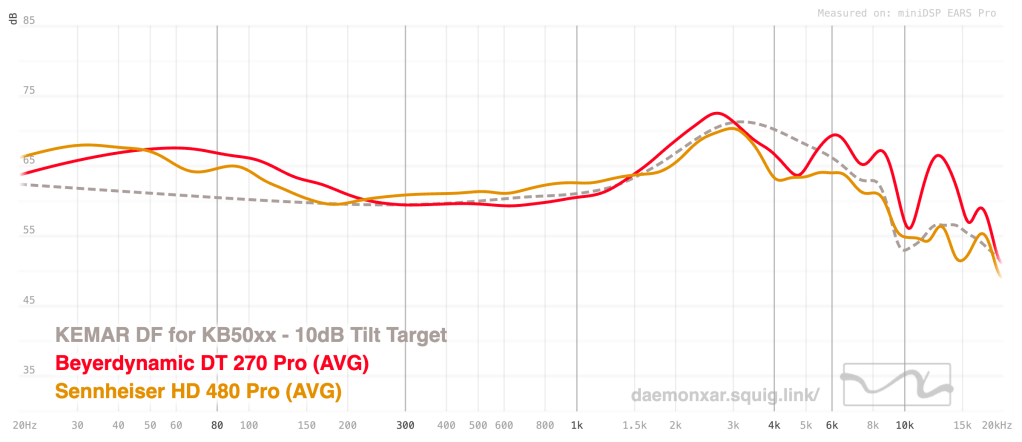
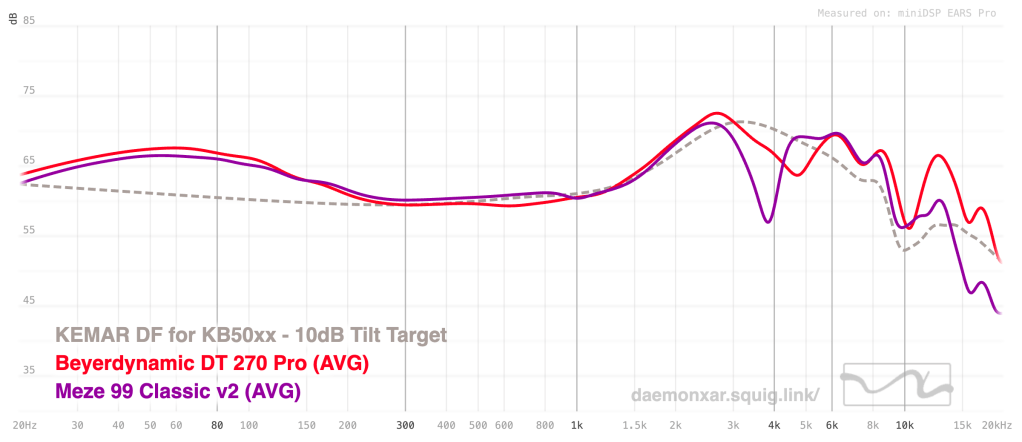
- Meze 99 Classics v2. It’s really interesting to me how closely these two measure, and that’s just more evidence that a measurement is only part of the story with a headphone. The 99 Classics v2 is a better headphone in basically every way; better bass, better mids, much better comfort and build, and similar treble. If you can afford the extra cost, this is a straight up upgrade.
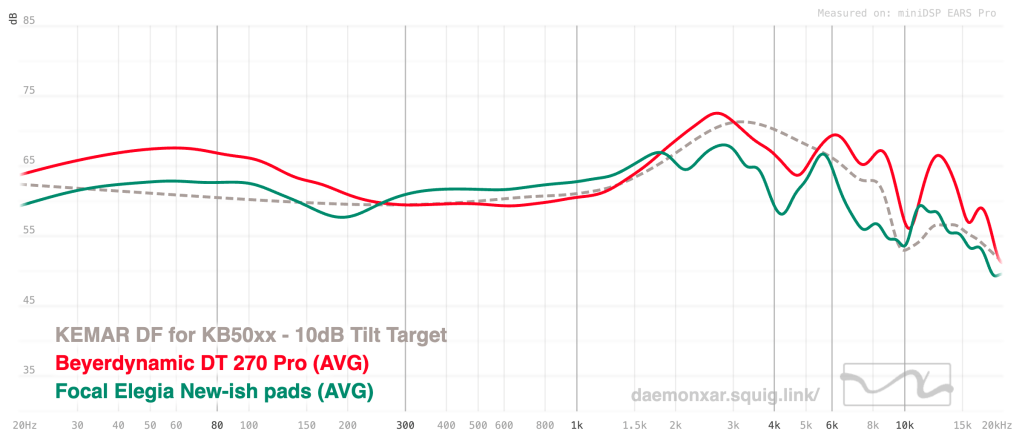
- Focal Elegia. Elegia is my favorite closed back, and it seems to be regularly available used on r/AVexchange for between $200 and $250. If you’re comfortable looking on the closed market, this is also a really great, straight up upgrade UNLESS you’re a serious basshead. You’d be trading some bass quantity for a bit of bass quality (though honestly, the bass on the 270 is shockingly clean, particularly for its relative emphasis) and the Focal magic (aka slam down low).
Overall. If you have a budget of less than $200, love bass, and have small ears, this is the headphone for you. It’s a shockingly good product, and I’m really intrigued by a world in which Beyerdynamic makes any product that I want to listen to, let alone a closed back, let alone a budget one. I’m delighted that the Fiio FT1 has a direct competitor on the market, and it’s one that I might even slightly prefer for my listening. If you get a chance, take a listen to the DT 270 Pro; I think you might be surprised by how much you like it. I certainly was.
F
Fostex TH500RP (Reviewed July 16, 2026)
(Reviewed July 16, 2026. MSRP $699.99, currently around $300 used (if you can find them). On loan from a dear friend whose father-in-law helped design them.)
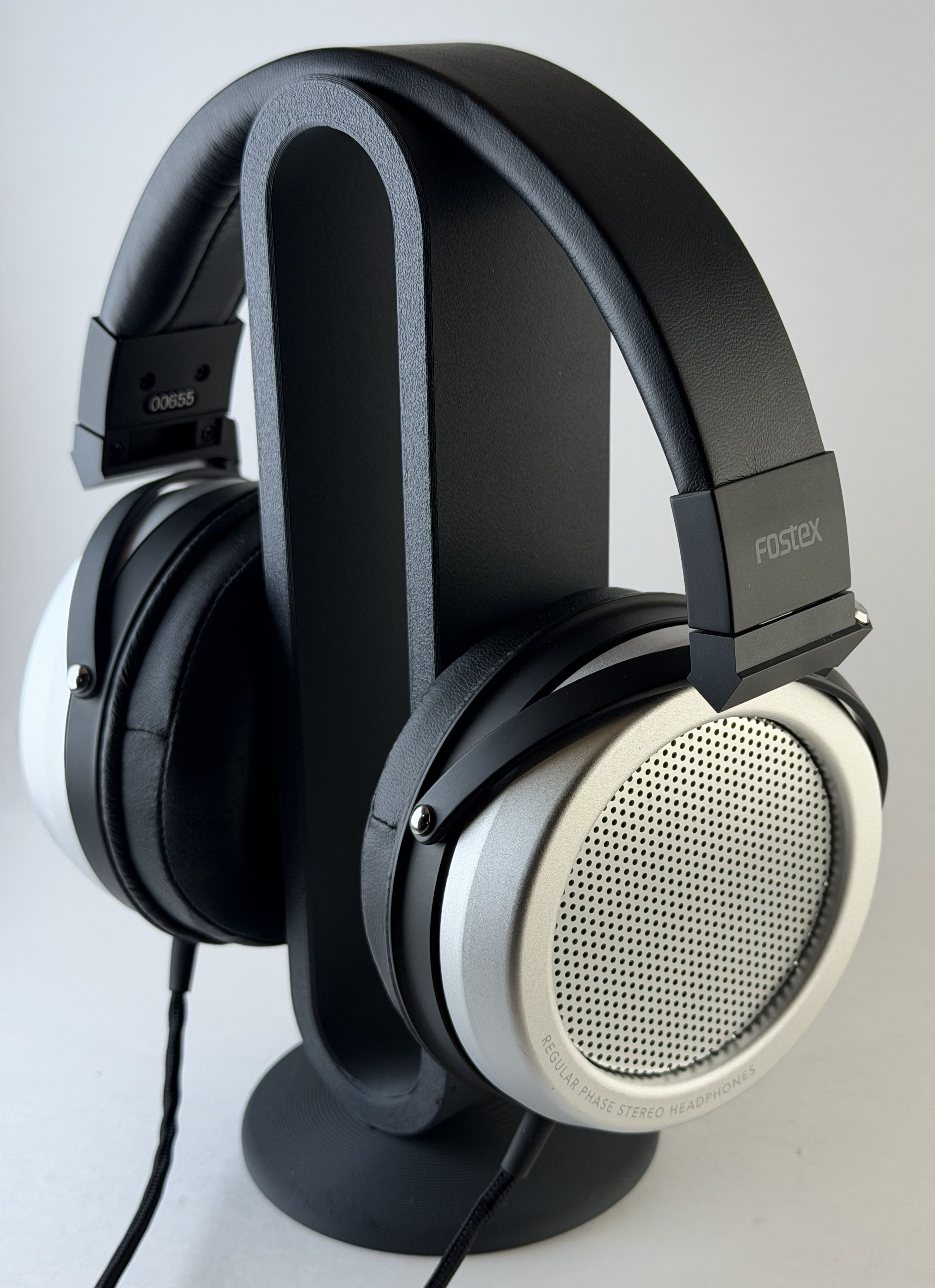
[Tl;dr: The Fostex TH500RP are an interesting throwback to a world before Hifiman’s budget planars and the Drop push to democratize great headfi by making it affordable. They struggle a bit to compete with the modern headphone market as a result, and they are VERY bass light (especially for a planar), but they sound really great with the right kinds of music (jazz, acoustic rock, folk music, etc.). A whole bunch of the music I love fits into those categories. This is not the kind of headphone you’re ever going to find for sale unless you go looking for it, but once I thin my collection out a bit … I might be inclined to go looking for a pair.
They’re fun, and unique, and deeply pleasant to listen to, even if they’re not up there with modern planars in terms of detail and linear bass extension. If you get a chance to listen to them, you really should, particularly if you have even a passing interest in headphone history.]
Cost Agnostic: 6 out of 10 Denalis

Cost-sensitive: 3 out of 10 Denalis

| Bass | Mids | Treble | Soundstage | Comfort/Fit | |
| Fostex TH500RP | 3C* | 4B | 3B | 4B | B |
*The upper to mid bass is probably a 5B, and the mid to sub bass a 1D. This is my attempt to average.
The Basics. The Fostex TH500RP is an open back, planar magnetic over-ear headphone from Japanese manufacturer Fostex, released in 2014 (really before the modern headphone realignment/revolution that happened in the last ten years). They’re a moderate weight headphone at a little less than 400 grams, and come with a permanently attached and almost laughably long cable terminating in a 6.35 mm jack. They’re reasonably easy to drive at 48 Ohms, 93 dB/mW, though the lack of a 3.5 mm jack or an adapter means that you’ll either need to supply your own or use only desk- or rack-based amplification.
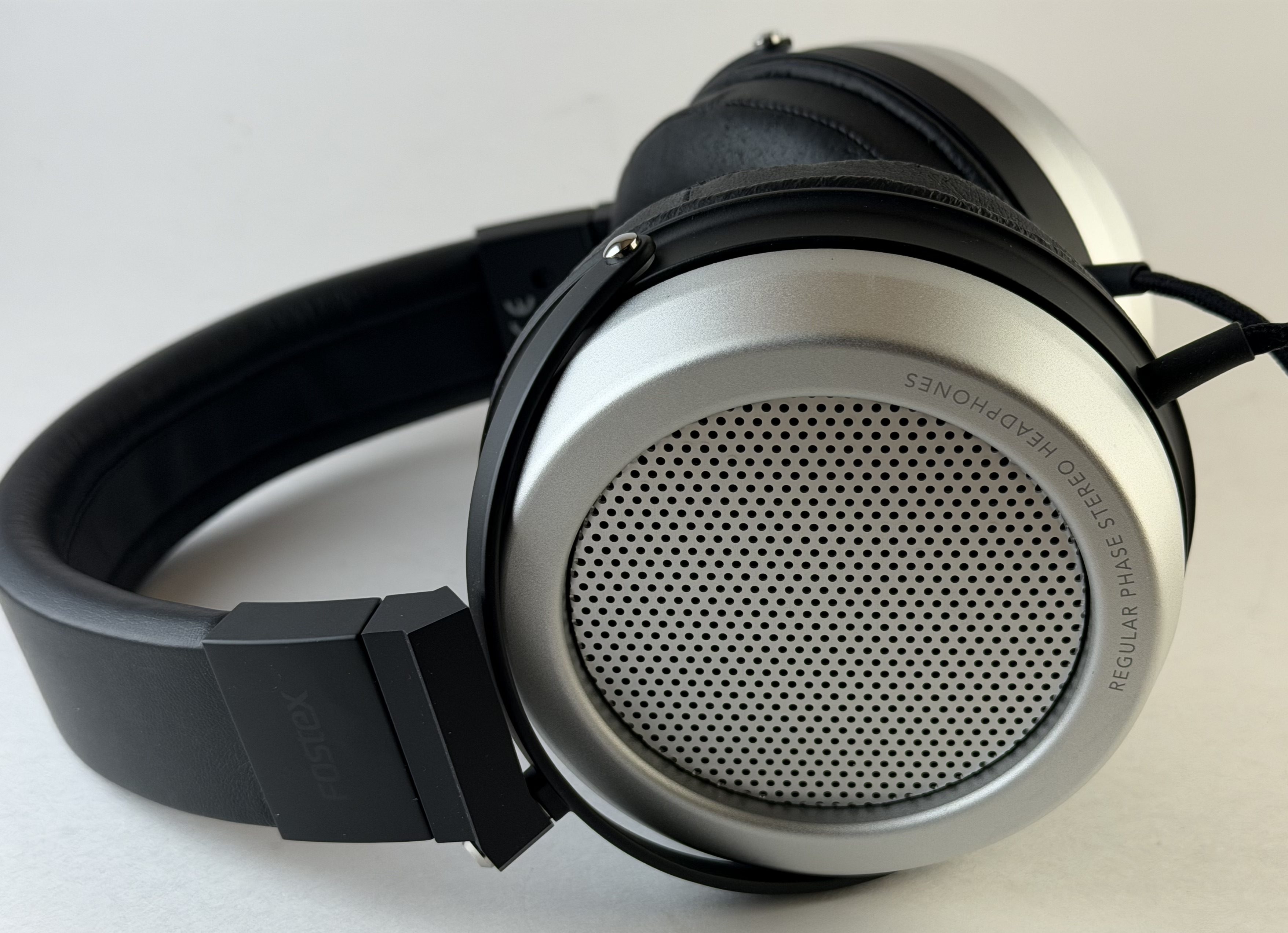
These are on generous loan from my college roommate, whose father-in-law helped design some parts of these headphones. Huge thank you to Ben and Jen Jen for the kind loan; this is not a headphone I’d probably ever have gotten a chance to listen to otherwise, and they’re really, really fun for some of the music I love listening to.
Technicalities. The soundstage on the TH500RP is surprisingly wide and nicely defined. The toms on “Thunder Lightning” track across the channels nicely, and the instruments on “Chan Chan” sound like they’re spread out well across the stage. There’s even a little bit of front-to-back staging, as the guitar riff opening up “Love Can Damage Your Health (Laid Mix)” rotates a bit instead of just panning. The TH500RP also has really nice imaging and layer separation; on a track like “Chan Chan” I can hear each of the guitar lines distinctly, and the two vocalists are just very fractionally separated in space; not something I hear on a lot of heapdhones. Perceived detail and resolution is decent, but won’t hold up particularly well to modern planars like the HE6se v2 or Arya Stealth. Timbre is … well, stunningly good across much of the frequency spectrum, but particularly in the midrange, and even more particularly for most human vocals.
Sound. Bass is the big knock on the TH500RP; they roll off, hard, starting unusually high up in the mid bass (around 50-60 Hz). The mid bass above 50 Hz is definitely elevated, to the point where it can toe the line of being too much for me, but under that you just lose basically everything pretty quickly. The result is a bass that’s deeply rich, nicely impactful and satisfying for most of a track like “Paradise Circus” (with the bass line around 1:15 slipping in nicely), but occasionally a note just disappears where the bass drops down a note or two too low. On a track like “Welcome to the World of the Plastic Beach,” you just don’t get any of the bottom end bass at all, and on “Nobody Speak” you get most of the bass above the low A that drives that track (but that low A, right at 55 Hz, is quieter than it should be). Even the drums on the middle of The National’s “I Need My Girl” get a bit lost throughout the middle of that track. When it’s there, I really like the bass on this headphone, and its tactile and engaging on more isolated tracks that live above around 60 Hz. It’s just not there on too many tracks, unfortunately.
The midrange, by contrast, is great. Really good timbre, generally nice balance (though El P and Killer Mike are a little recessed on “Nobody Speak”). Justin Hicks is clear and clean throughout “What Did I Do?”, nicely separated from the instruments, and Jill Scott carries through well on “Calls.” I wouldn’t hold the TH500RP up against something like the HEDDphone D1 or the HD600 in terms of mids, but I’m struggling to think of a modern planar whose midrange I prefer. Maybe the $1,200 LCD-X after EQ?
The treble is really well controlled, particularly for a planar. I’d put the TH500RP’s treble performance up against a lot of modern planars; while something like the Arya or Edition XV or LCD-2 certainly have a bit more detail and richness on the top end, the TH500RP is just deeply, deeply pleasant to listen to. My typical test tracks for treble, “2021” and “Will O’ the Wisp” are well-balanced and pleasant via the TH500RP even at pretty high volumes, and Christine Hoberg’s vocals on “Clair De Lune” don’t bleed into sibilance the way that they can, particularly on other higher end planars.
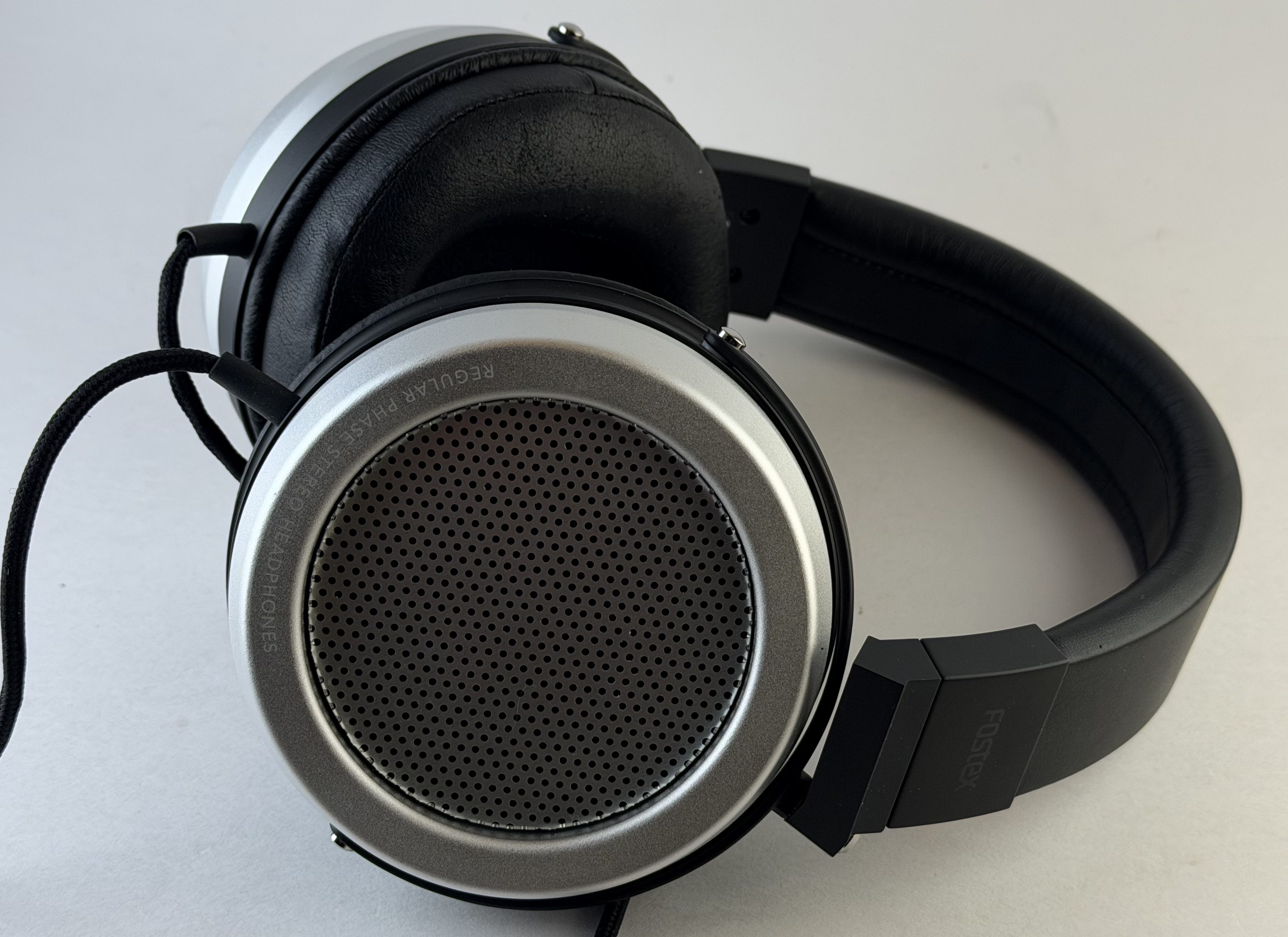
Overall, these are a nicely tuned pair of headphones for a lot of the music I listen to. I probably wouldn’t go to them first for electronica, or dance music, but they’re pretty solid for non-bass focused jazz, acoustic rock, or folk music. Particularly for a band like The National and an album like Boxer, these would be a great choice; they’re satisfyingly warm in the midrange and mid bass and clean/calm in the treble, though they definitely give up quite a bit on the lower end.
Here’s how this pair measures on my headphone rig:
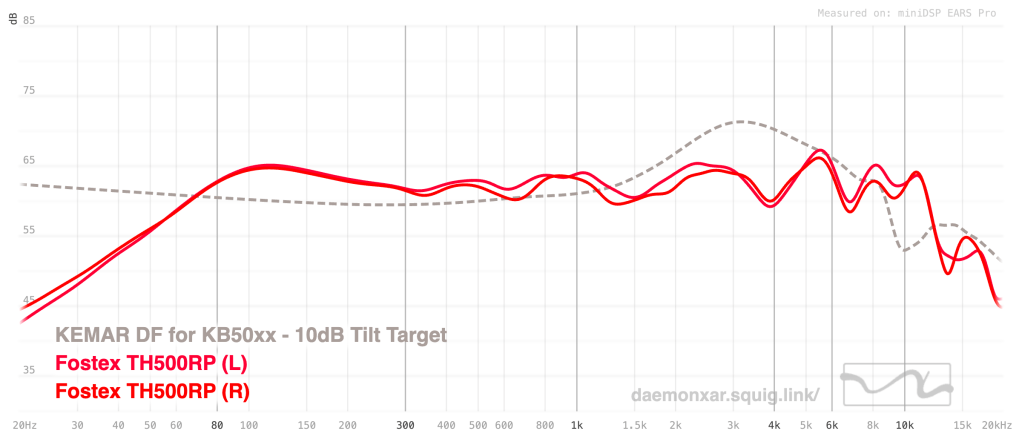
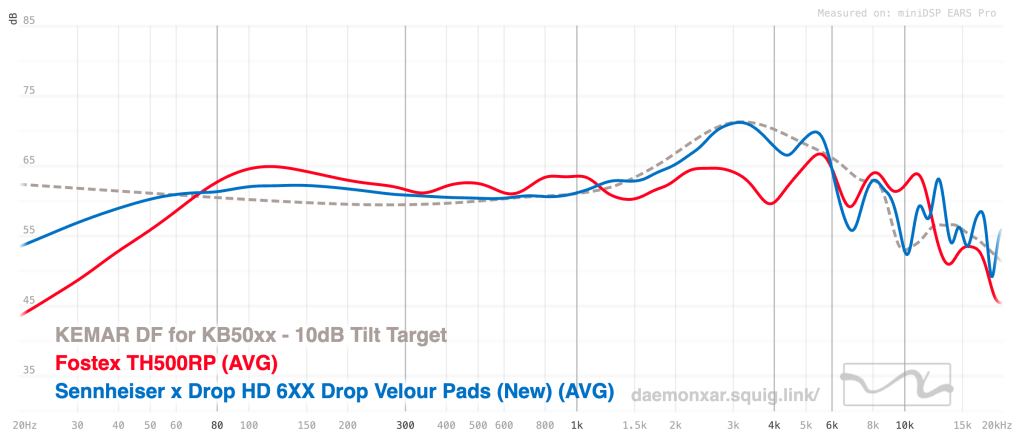
This is more or less how I hear this headphone on my head; it’s definitely a solid reminder to me that a lot of what I think of as bass is really more upper bass or lower midrange, which is part of why I don’t mind the tuning of things like the 6X0. This roll off is pushing it a bit, even for me.
EQ. For most of my music, the TH500RP will do pretty well without any EQ. If I were using them long term, I’d probably spend some time dialing in the midrange a bit more; in particular the upper midrange/ear gain could probably use a little tweaking, but here’s how I tried to add a bit more bottom and tame the mid bass a bit:
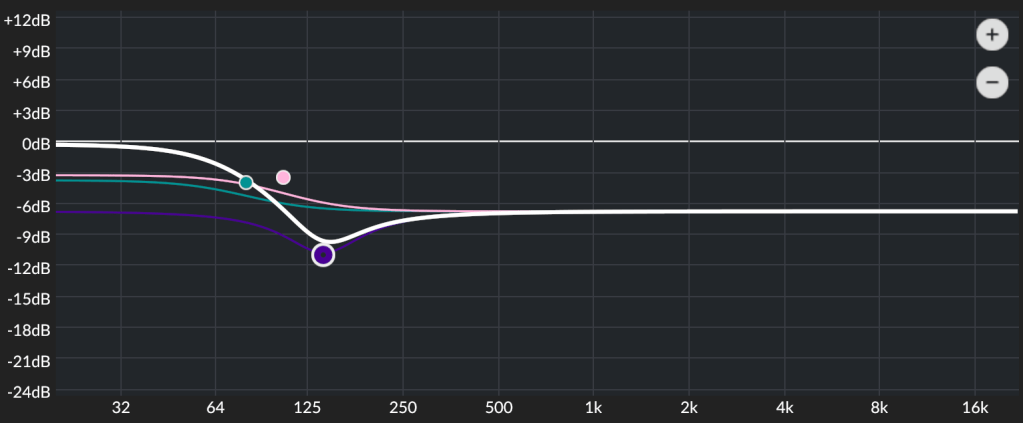
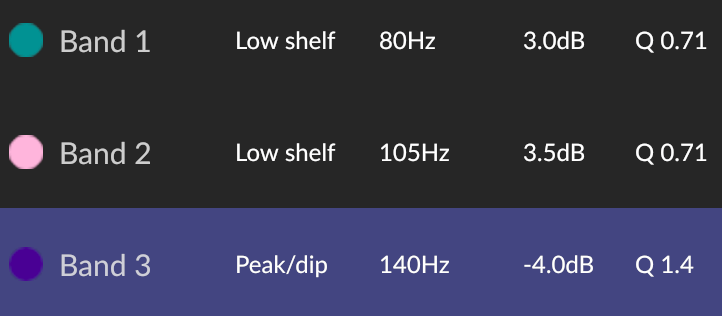
Certainly not mandatory for most of my listening, but it does add a nice little thump at the bottom when and where I want it.
Build. This is my first experience with a Fostex or Denon product, and it’s generally been a pretty good one. I don’t love that the TH500RP comes with a non-removable cable (this is a real quality of life improvement that we’ve seen become pretty standard in the last decade), and that it comes only with a single-ended 6.35 mm termination. The cable is also just too long for desk use; it’s pushing 10′, which means that my chair runs into it a lot, and it’s so thick that it actually stops me from rolling. It’s also stiff enough that it doesn’t drape well, and it’s pretty microphonic above the split (and in the cups, too). Comfort-wise, they’re pretty great. They’re definitely on the heavier side, but the band is just well-padded enough and the clamp just strong enough to keep the weight well-distributed and comfortable on my head. They also feel solid enough that I’m not worried about damaging them, and they feel like a reasonably premium product on my head and in my hands. As far as appearance, I rather like the design. It’s very classic Japanese design aesthetic for headphones, and the silver is a nice touch in a world in which too many headphones area bland matte black.
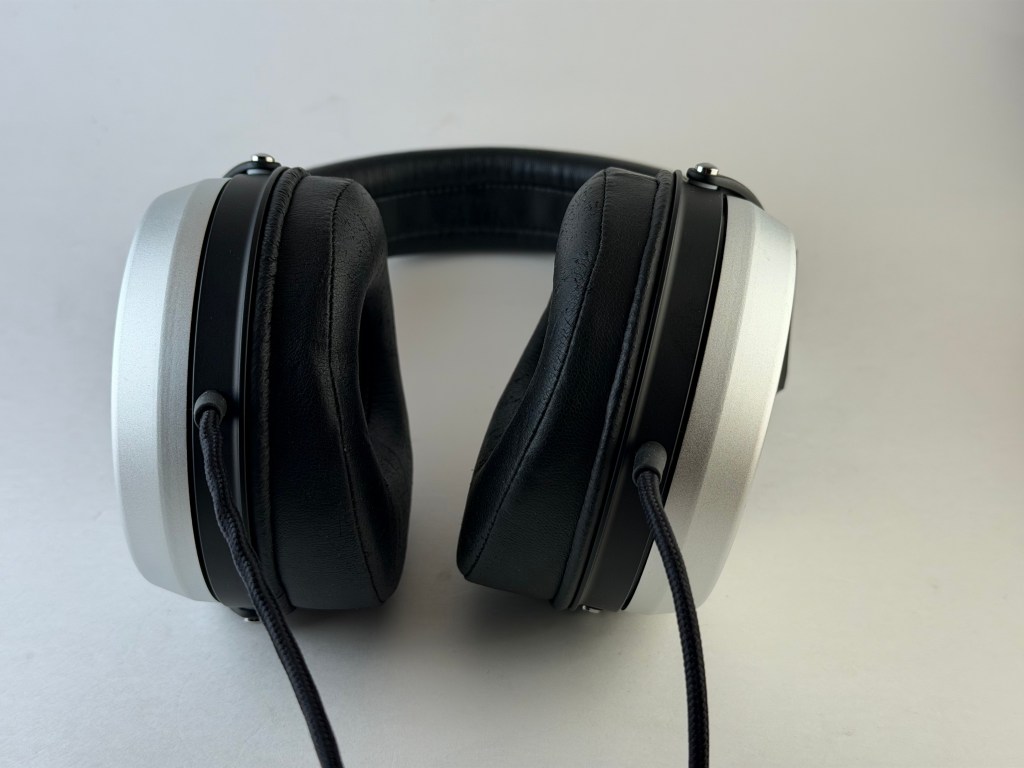

Alternatives. I think that overall, the biggest obstacle for the TH500RP is just how good and inexpensive headphones have gotten in the last decade or so, particularly since the release of the HD 6XX in the US. It doesn’t feel particularly fair to measure it against modern production headphones, so I’ll throw a few out here that seem like reasonable comparisons.
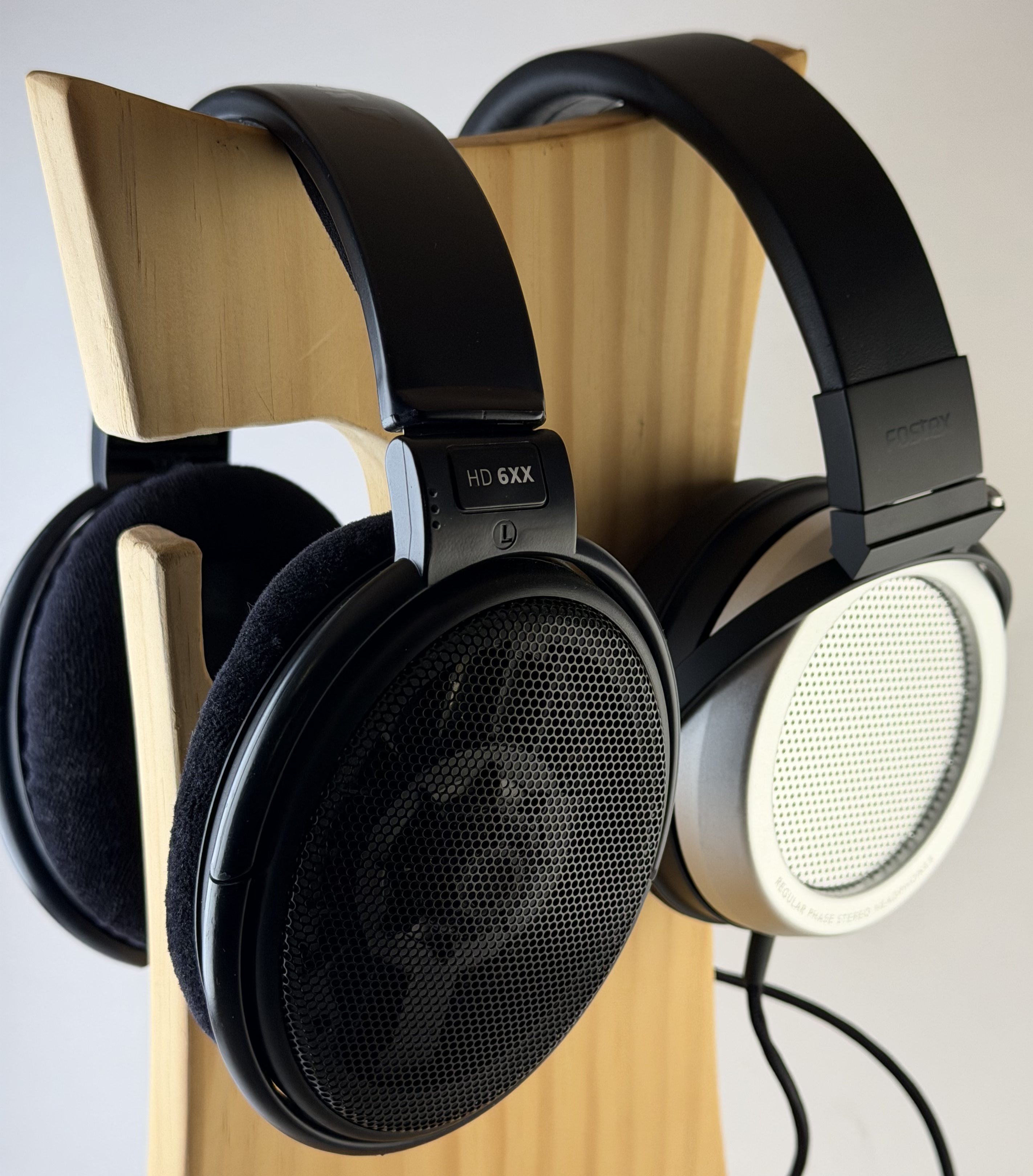
- Sennheiser x Drop HD 6XX. The most obvious comparison is my benchmark open back, the HD 6XX. It’s funny to say that the 6XX is sub bassy in comparison to another headphone, let alone a planar, but it’s true in this case. I prefer the 6XX’s bass over the TH500RP, both in terms of better bass extension down low and the balance from low to mids. If you balance the bass on the TH500RP via the EQ profile above, it gets pretty close to even. The midrange is surprisingly competitive; I think I still come down on the side of the 6XX, but that’s in no small part due to the HD 600 being my benchmark for mids, especially vocals. The treble is a toss up; both the TH500RP and the 6XX give pleasantly smooth treble performances. As far as a technicalities, the Fostex wins out on staging and maybe detail retrieval by a hair, and timbre/separation are also a toss up. Comfort-wise, I think I’m going with the Fostex. It’s weird, but after spending time with a lot of other Sennheisers over the last few months, I’m really aware of how clampy the 6XX are out of the box (even my seven year old pair) and the Fostex just feel nice in comparison.
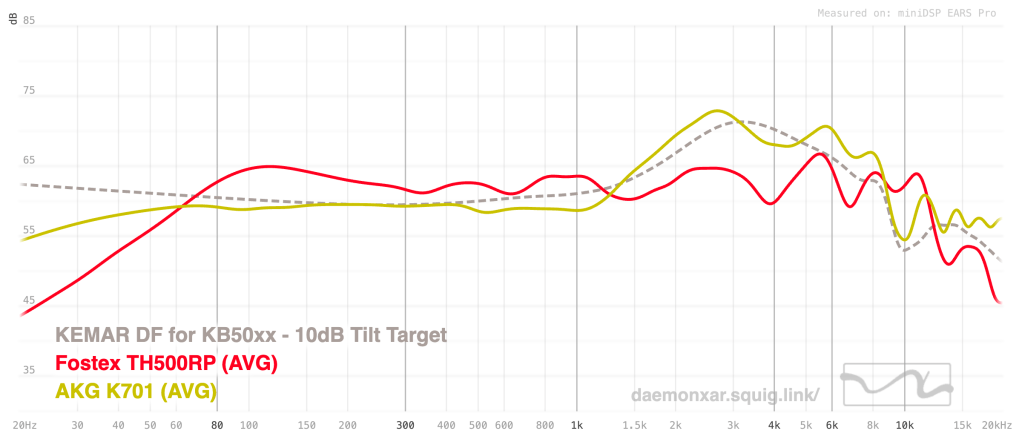
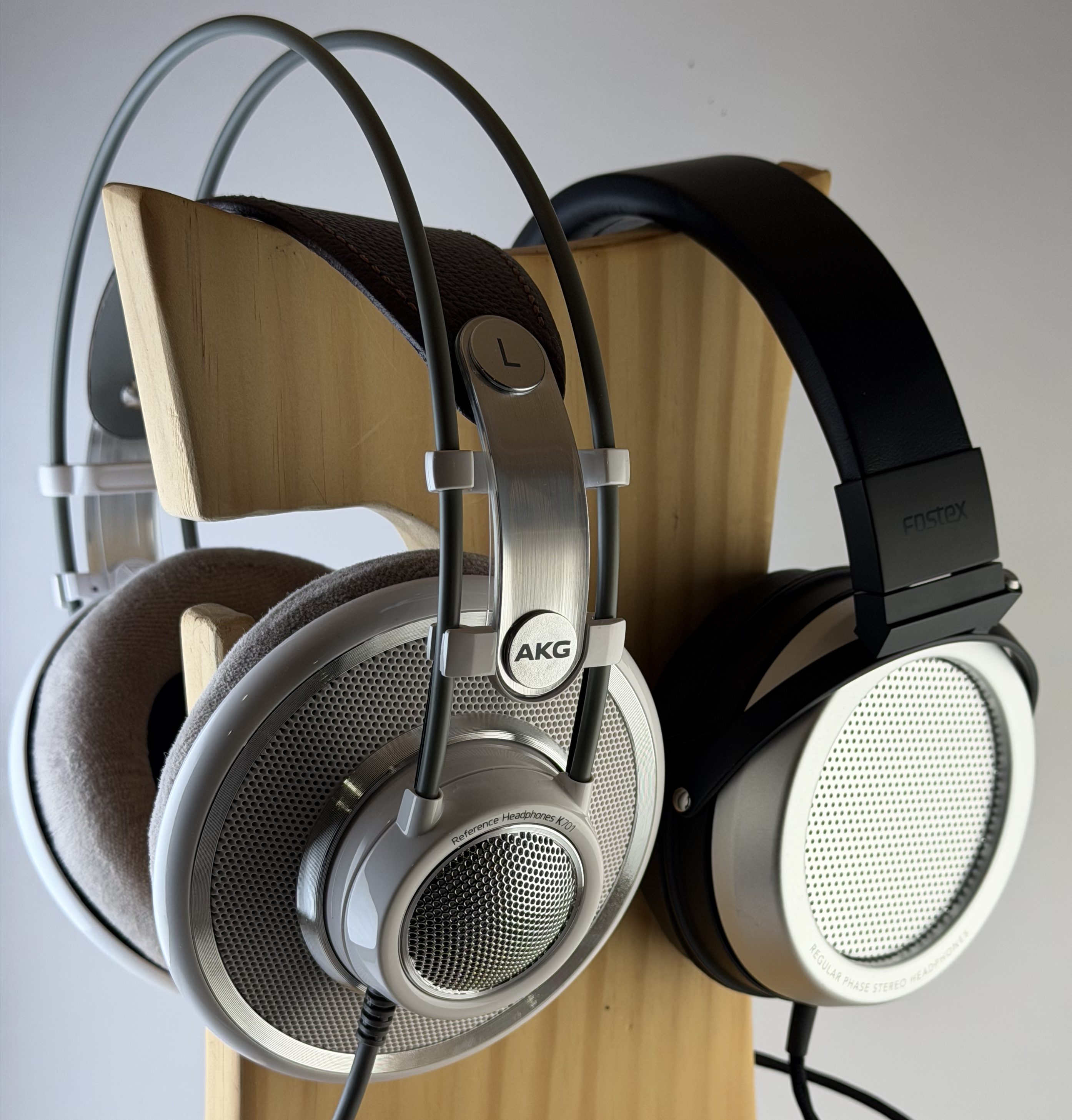
- AKG K701. This is a pretty interesting matchup; both the TH500RP and the K701 are older, studio-tilted headphones from venerable headphone manufacturers, and their original MSRPs were pretty similar at $599 for the K701 and $699 for the TH500RP. Both are mids-focused, with a hole in the bass, and both are pretty comfortable and well-designed and -built. I think I prefer the bass on the TH500RP by just a little bit; as much as I prefer the more linear extension of the K701, the the upper bass to lower mids region just feels a little empty to me. As much as that section on the TH500RP can feel like a little too much at times, I’d rather a bit too much there than not enough. Mids are pretty comparable; I think I might take male vocals on the TH500RP and female vocals on the K701, though it’s really close. Treble is a clear win for the TH500RP, and I think the technicalities (and comfort!) probably go to the K701.
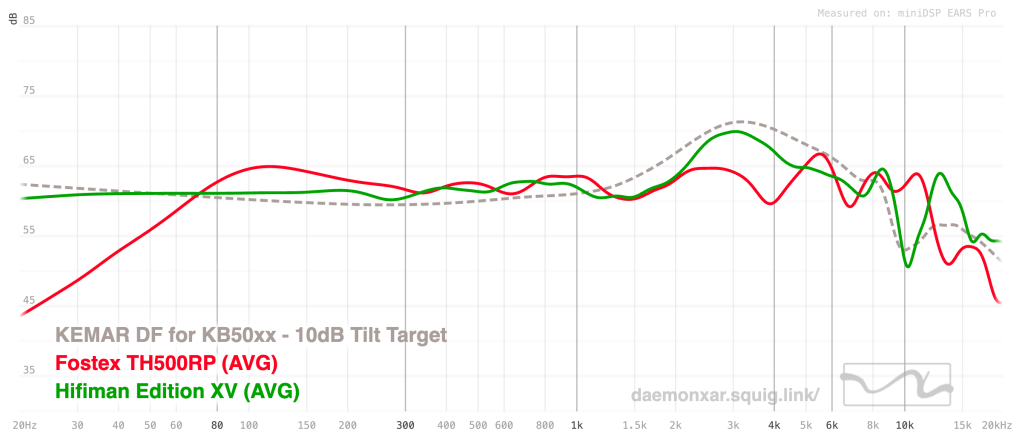
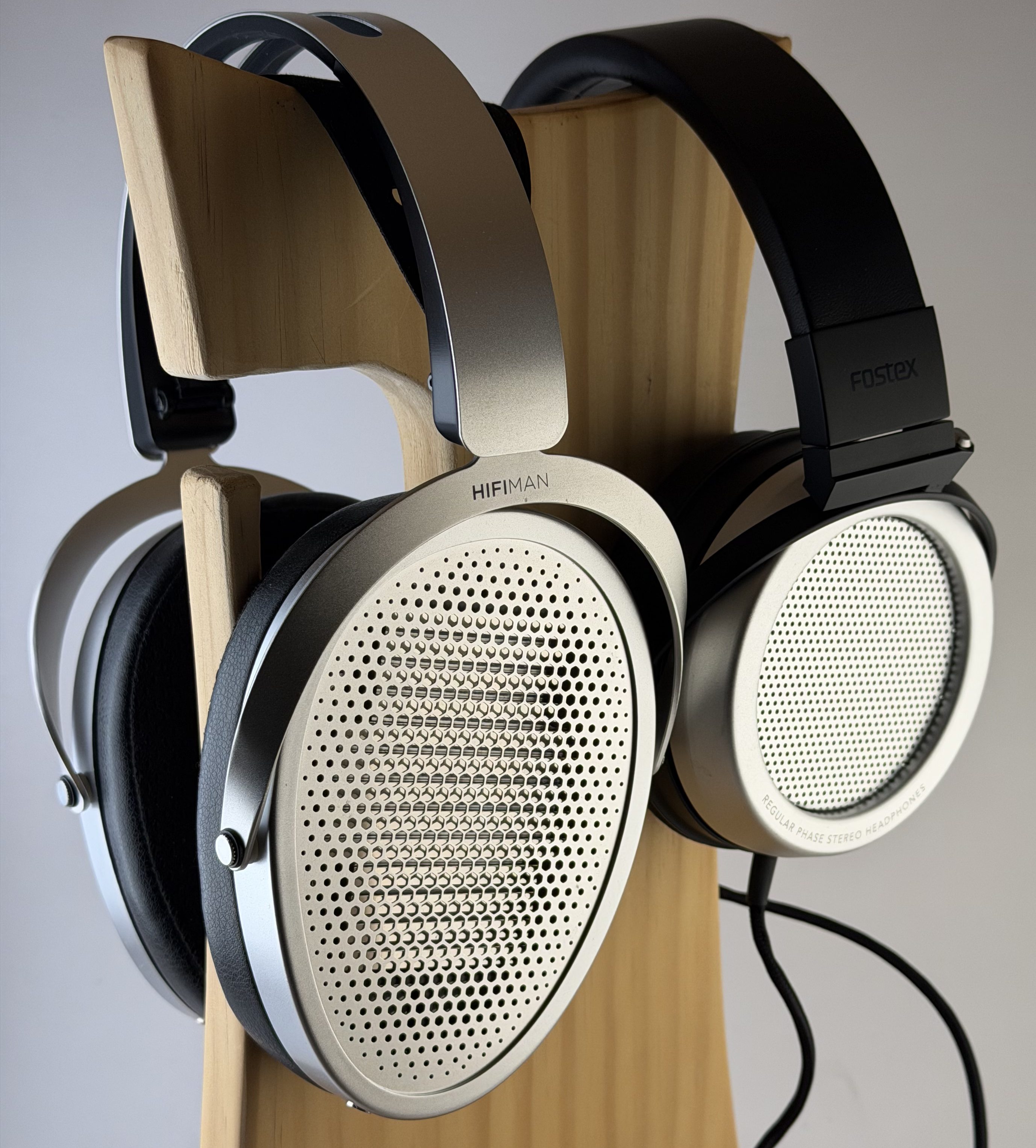
- Hifiman Edition XV. I’m mostly not going to compare the TH500RP to modern production headphones because it doesn’t seem particularly fair, but I thought it was worth putting this one out there as an example of the way the market has changed. The Edition XV is one of Hifiman’s newest “budget” headphones with an MSRP starting at $399 (pretty low for an initial MSRP for Hifiman), and … the TH500RP just mostly can’t compete. The Edition XV has a really incredible linear bass response down very nearly to the limits of our hearing, a solid midrange (though it’s the one place I’ll absolutely take the TH500RP’s midrange over it), and a decent planar treble.
It’s not that the TH500RP is a bad headphone; far from it. It’s just that we happen to be living in a pretty golden age for consumer headphones, with prices that have come down immensely and are starting to look dangerously reasonable.
- HEDDphone D1/Focal Elex/Focal Clear/Meze 109 Pro/HE600/Arya Stealth. I thought about comparing each of these to the TH500RP, but in the end it didn’t feel particularly fair. They may have all had pretty similar initial MSRPs, but a lot has changed in the 12 years since Fostex released this headphone and the market has shifted in almost entirely good ways for consumers. The TH500RP can’t really compete with any of them.
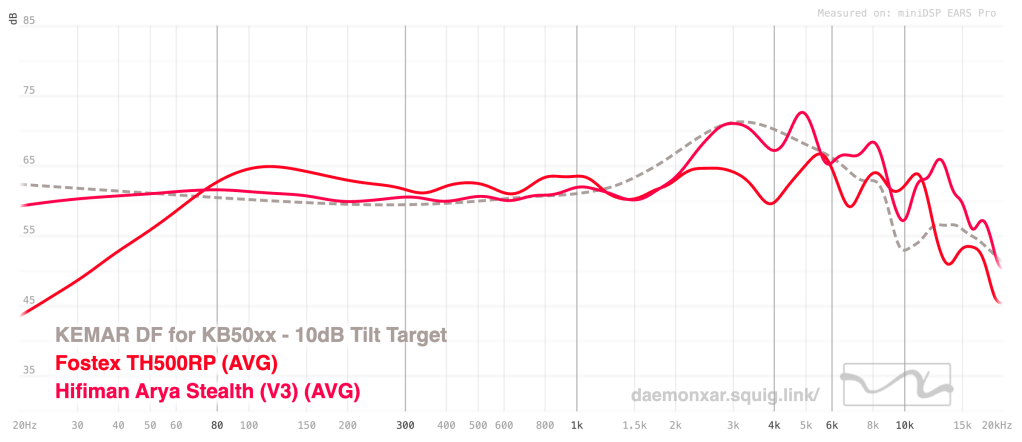
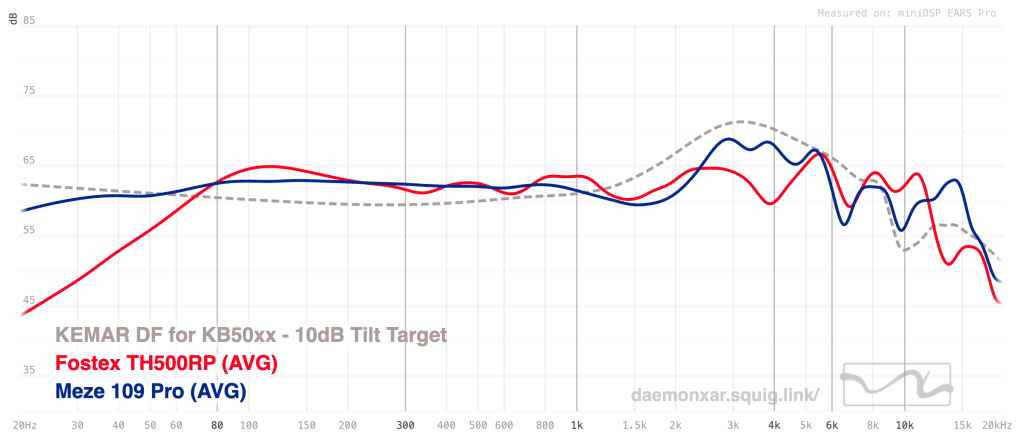
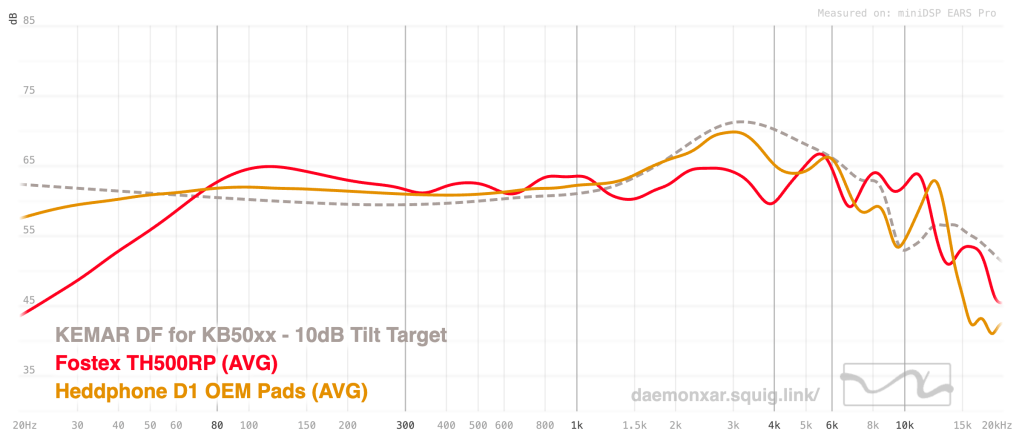
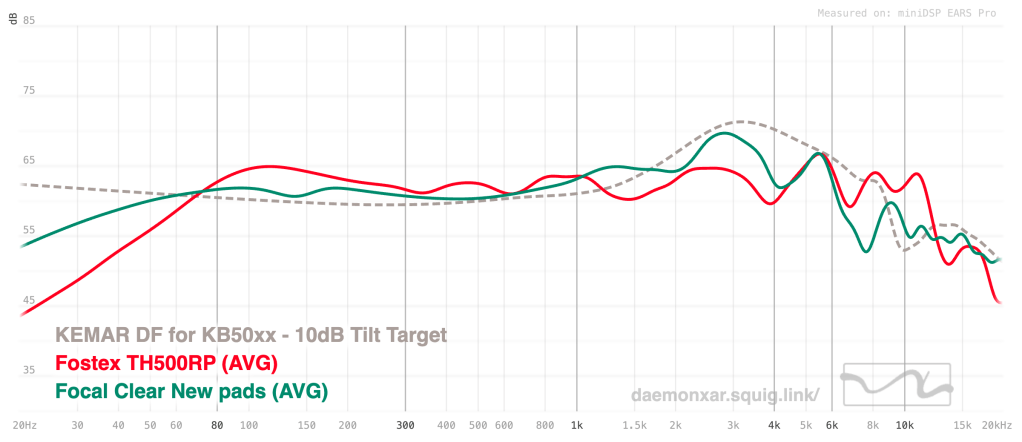
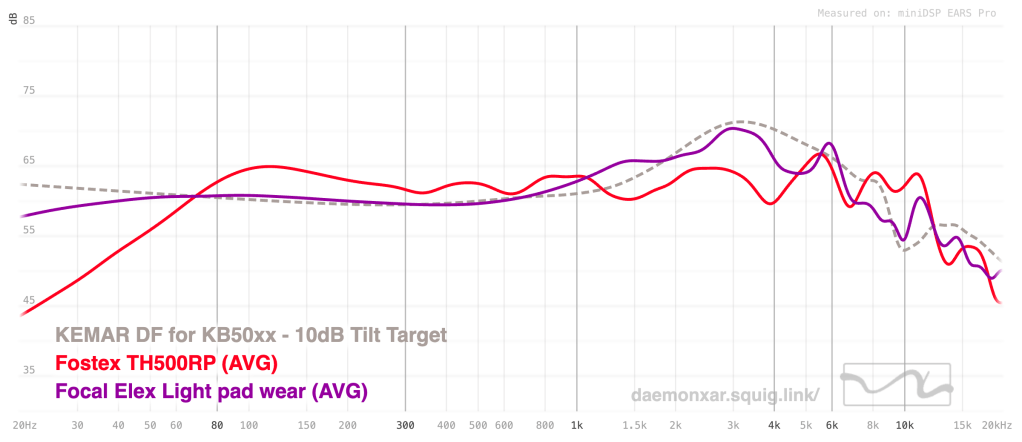
Overall. The Fostex TH500RP are a really interesting look back at the headphones market in the middle of the 2010s, before the advent of Hifiman’s ‘budget’ planars and Drop’s shifting of the dynamic driver market. I’m sure at the time they were a pretty exceptional new additional; hell, they still are for some kinds of music. I’ve been listening to The National’s discography while writing and editing this review, and I’m genuinely really impressed by how good they sound for most of this music. They’re definitely a bit lacking in the bass department, and unfortunately to such a degree that it’s harder to overlook it than it is on something like a 6X0.
That said, they’re unique and I really enjoy them; if I see a pair on the market for $150 or so I’d probably pick them up (after I thin out my “appalling” collection a bit, though). Would probably have to look at shortening the cable though; not sure I could use a 10′ permanent cord with any kind of regularity.
G
Grell x Drop OAE-1 Review
(Reviewed May 1, 2026. MSRP $349, currently out of stock new after Drop’s closure. Paid $99 in November 2025.)
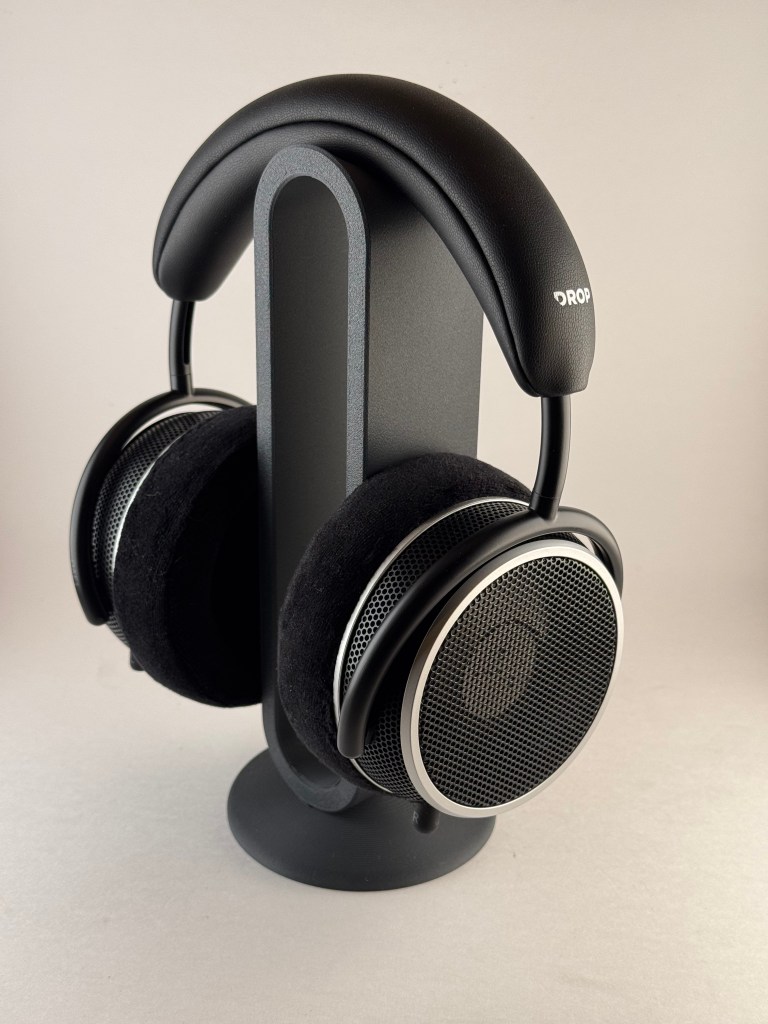
[Tl;dr: Definitely one of the most odd headphones I’ve ever tried. I don’t hate them the way that a lot of folks do, and there are the occasional tracks that they work incredibly well for. That said … they’re more of a novelty than a headphone I’m going to particularly want to listen to. I’m curious to try the second generation OAE at some point, though it’s currently retailing for around $600.
I’m not going to recommend these to anyone; if you’re the kind of person who wants to buy these, you already know that you are. If you’re on the fence, you really shouldn’t. That said, if you know me in real life, these are 100% worth a listen sometime just to have experienced it.]]
Cost-agnostic: 2 out of 10 Denalis
Cost-sensitive: 1 out of 10 Denalis (MSRP), 4 out of 10 (at $99)
The Basics. The OAE-1 is a passive, open-back, dynamic driver headphone. It’s the first release from Grell Audio, a new company founded by Axel Grell after leaving Sennheiser. It’s not particularly hard to drive, at 38 Ohms of impedance and a reasonably high SPL of 106 dB/1Vrms, and they weigh in at a reasonable 375 grams.
Axel Grell is the former Sennheiser engineer who invented some of that legendary company’s most legendary products, and arguably kicked off the audiophile headphone revolution in the 90s by making things like the HD 580 and HD 600 both excellent and affordable. When he left Sennheiser in 2019, a lot of folks (including myself!) were really curious to see what was up next for him. As it turns out, it was starting a new headphone company and making some … let’s call them bold plays to re-revolutionize the industry. Enter the Grell OAE-1. So what is it?
There are a lot of ways to approach explaining this, but the short version is this: for a long time, headphones have been designed using a thing we call the “Diffuse Field”,10 to simplify it way too much, it’s basically the idea that headphones should be tuned to sound like we’re listening to speakers in a space where sound arrives from all directions at the same time and at the same volume.11 Grell takes a different approach with the OAE-1 with both physical design choices (drivers facing backwards at the ears) and the frequency response (the tuning of the headphone) to try to emulate listening to a pair of speakers directly in front of you. It’s interesting, and different and … well, I’ll leave it to you to decide if it was worth it.
Technicalities. These are a hard headphone to categorize because they’re … weird. They’re just weird. The soundstage is wide but also just sounds wrong sometimes; “Chan Chan” is my usual test track for soundstage but the opening guitars sound very wide out, behind you, and muffled. The organ on “Calls” pans wildly; I’m not sure I’d realized how much that is moving around in the mix until the first time I put these on. The rest of the mix is pretty well placed in space, but oddities like that are not uncommon with these headphones. Detail retrieval seems fine but not exceptional, and the timbre is … also weird. Flat sometimes, metallic other places, and just … strange overall. Microdynamics are great; the bass is tactile and physical and it’s one of the better versions of the bass bell tones on “Angel (Blur Remix”) I’ve heard … even if the treble bell tones sound … weird.
Sound. The bass is a bit overwhelming on the OAE-1; to the point where it can be very difficult to hear midrange. It’s not uncommon for swollen mid bass to swallow the lower mids on a pair of headphones, but this is the first time it’s also eaten the rest of the midrange including some vocals, particularly male vocals lower in the register. The bass is generally well-resolving and clear, though, with pretty good extension down into the sub bass and very little splatter even on tracks like “Violence” or “Superpredators.” The mids are often timbrally weird, with voices sounding just a little bit off, and particularly male vocals seem to suffer from the over-blown bass tuning. Depending on the track, the treble is either excellent or really, really off, with very little in between. Always well controlled, though, even if even I want to add in a little treble via EQ.
Here’s how my unit measures:
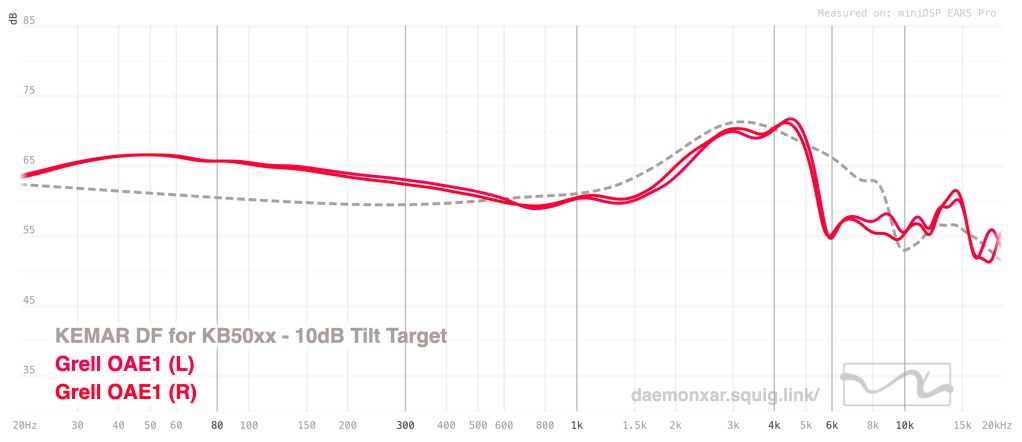
Yeah, that looks about right. What a weird headphone.
To be fair, there are some tracks that they work really well for. “Garcia Counterpoint” is an example where the wider stage adds some really interesting impact, and where the timbral issues aren’t particularly apparent. Weirdly, something like the remaster of The Clash’s “Straight to Hell” sounds incredible with these headphones. The percussion is super wide out, and Joe Strummer’s voice works perfectly.
EQ. I mean … EQ does fix SOME of the weirdness of these headphones, but at the cost of everything that makes them unique. The Oratory1990 Harman Target preset brings them back down to earth (especially that bloated bass), but I’m not sure I would choose to use it. If you’re putting this headphone on, you want a bit of strange. Some more ambient tracks also seem to work reasonably well, as long as they aren’t particularly vocal-heavy.
Build. These are a somewhat perplexing build. The cups and the band are pretty well padded but somehow not particularly comfortable? The pads are a nice soft velour but the memory foam inside the pads is so stiff that they’re not the easiest to get settled on my head, and a seal can be challenging around glasses. They’re definitely solidly built, and I appreciate that they don’t feel cheap the way that some of Grell’s prior designs (*cough* 6X0s *cough*) feel, and I actually like the way they look.
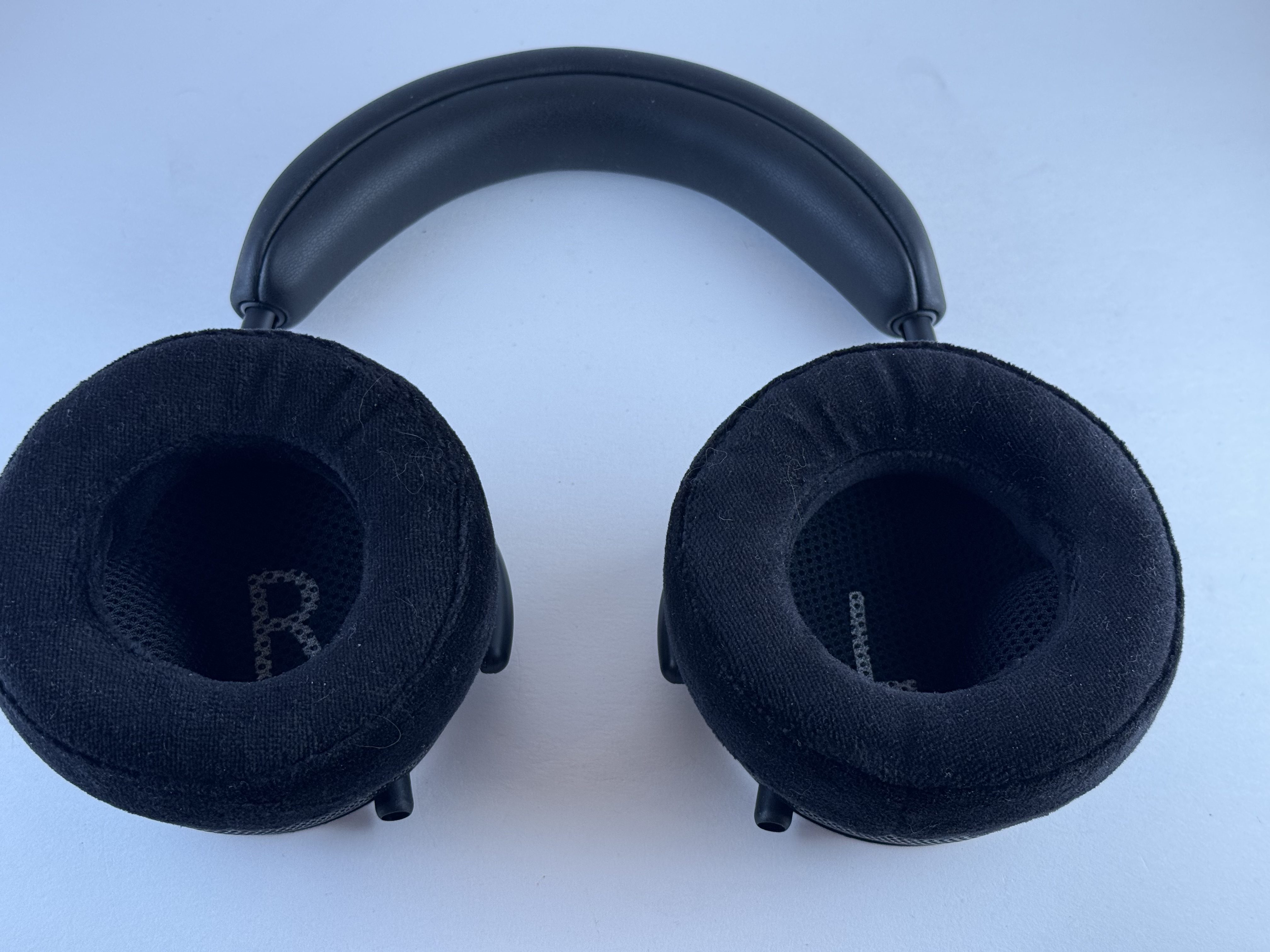
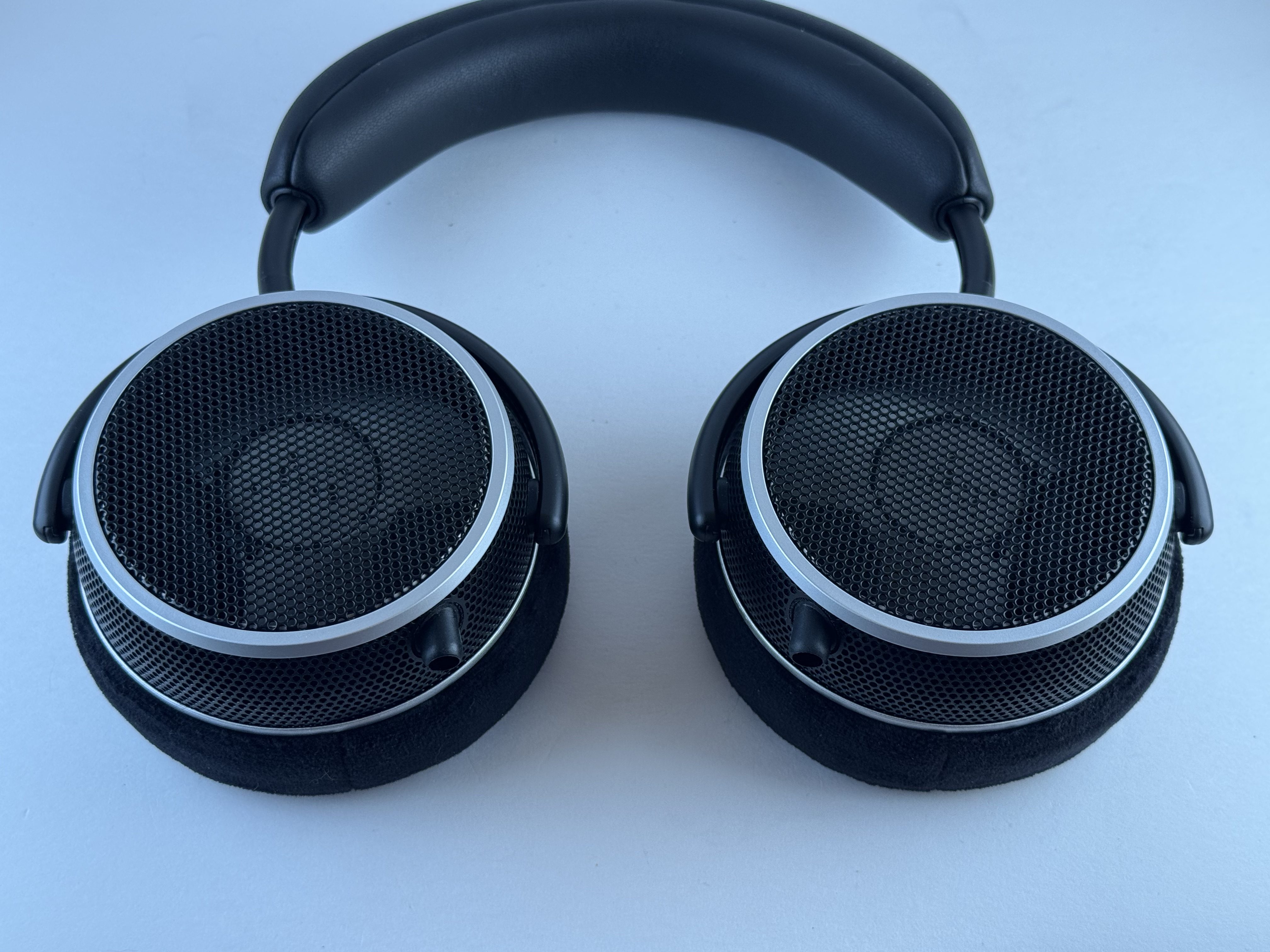
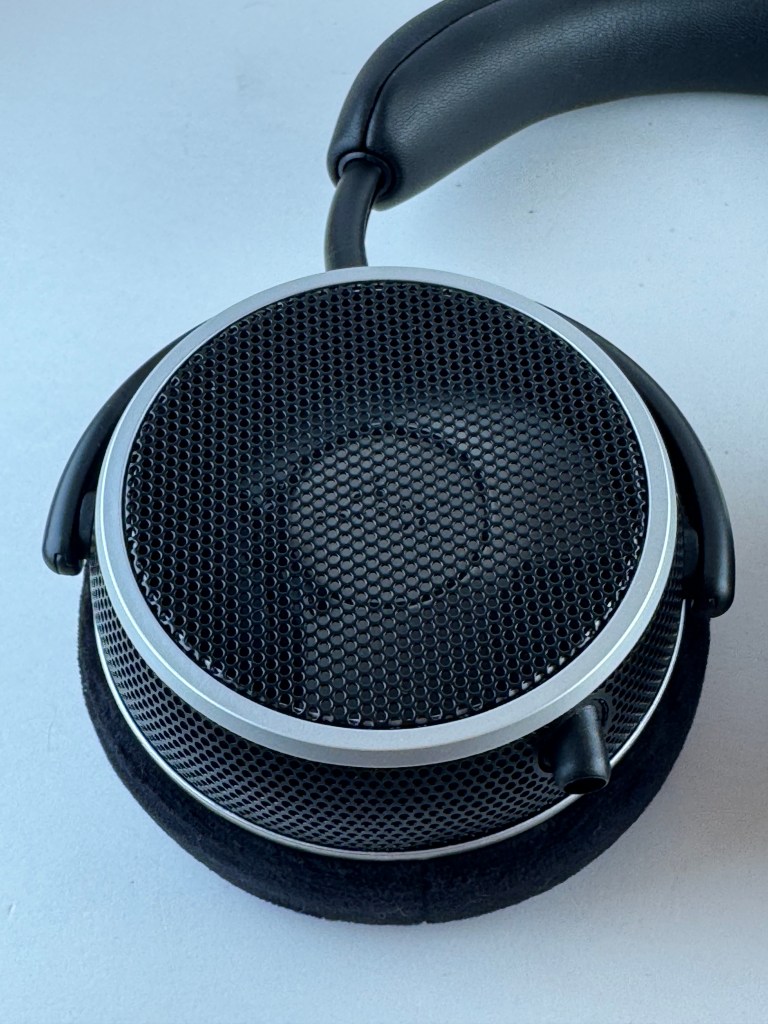
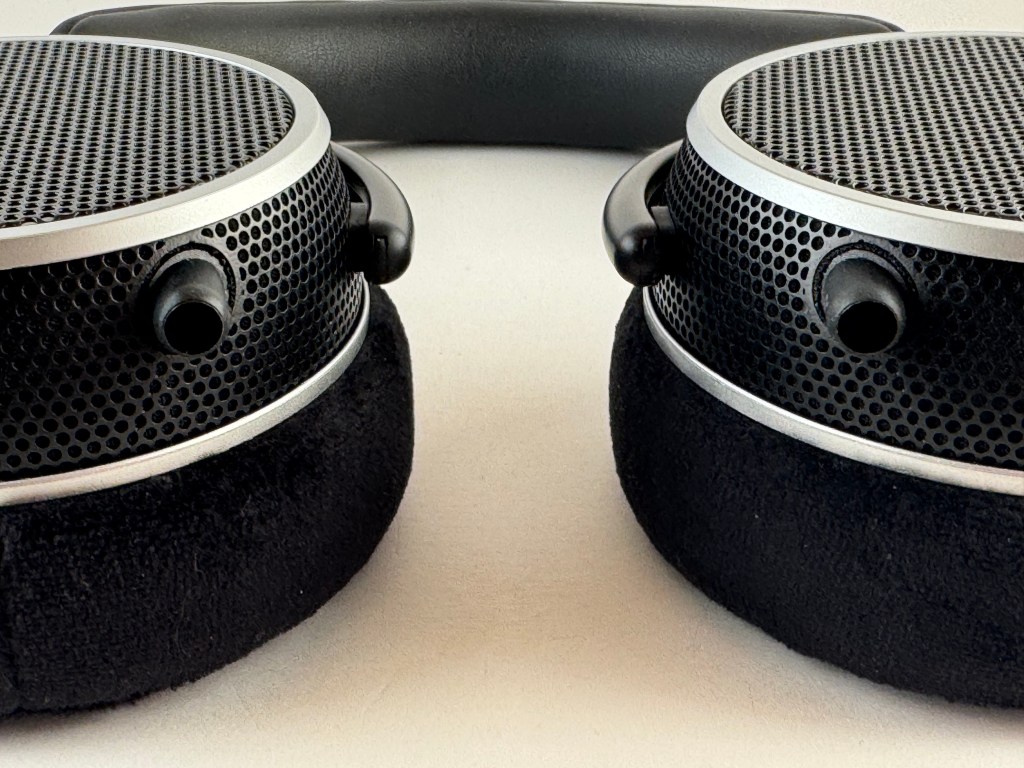
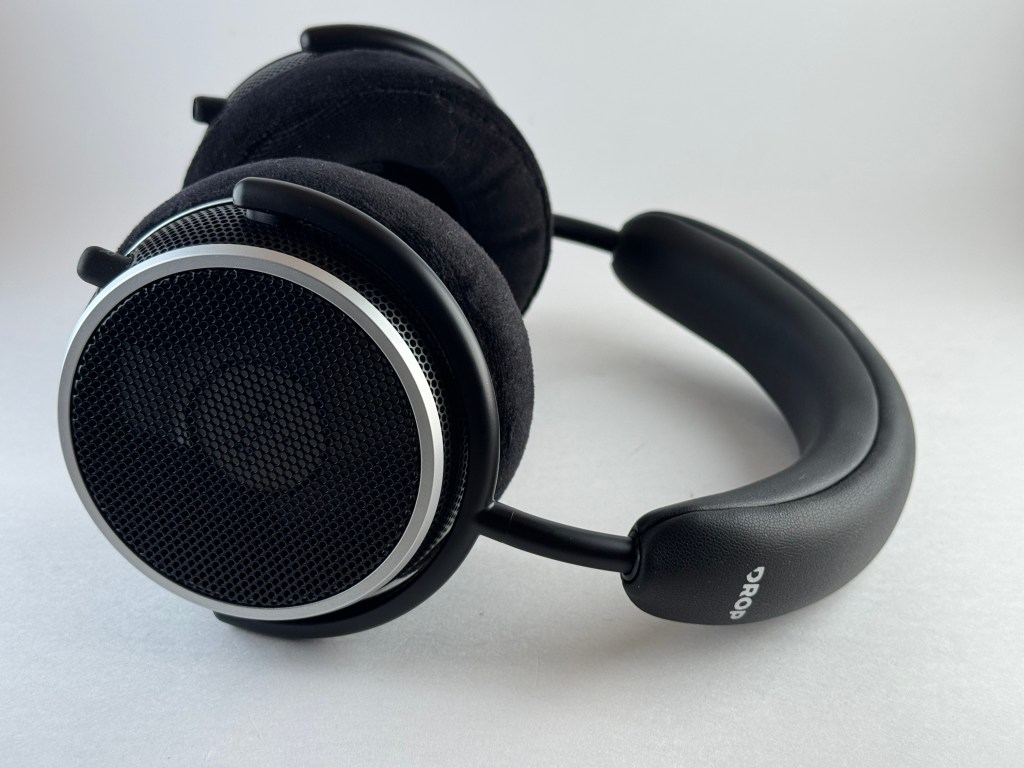
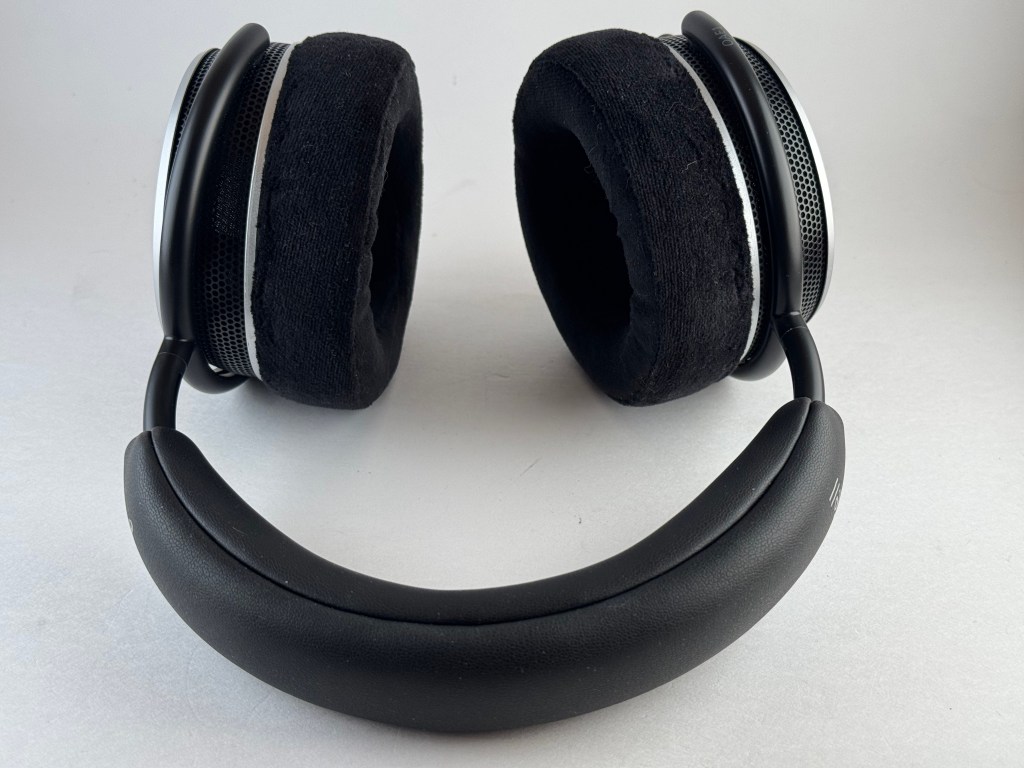
The cable is both pretty cool (balanced capable and can be inserted into either cup, giving you the same flexibility as the HD 490 Pro) and annoying (proprietary 3.5 mm that is … not particularly easy to get fully inserted in the rubber gasket around the jack), and it’s made out of a particularly not-annoying cloth, which is pretty cool too.
Alternatives. This is such an unusual product that it’s hard to even know what to compare it to; it’s a sui generis headphone, and there’s nothing like it on the market that I’m aware of. There are definitely headphones in a similar price point that I’d take over them for regularly listening; any of the open-back Hifimans under $150 are going to be markedly better for regular listening (HE-4XX, 5XX, 400se, etc.). I’d definitely take the OAE-1 over the Sennheiser 560S, though, weirdly, but I wouldn’t particularly want to listen to either for any length of time. I can at least correct the OAE-1 with EQ, though, at least.
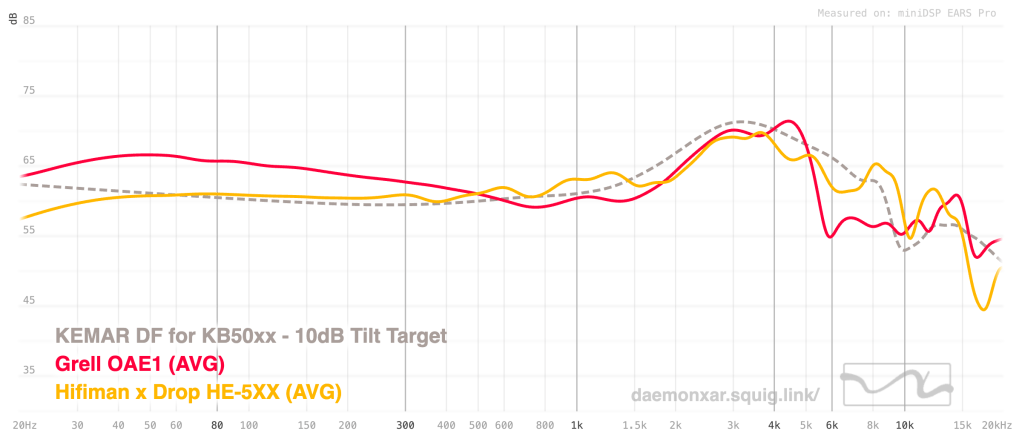
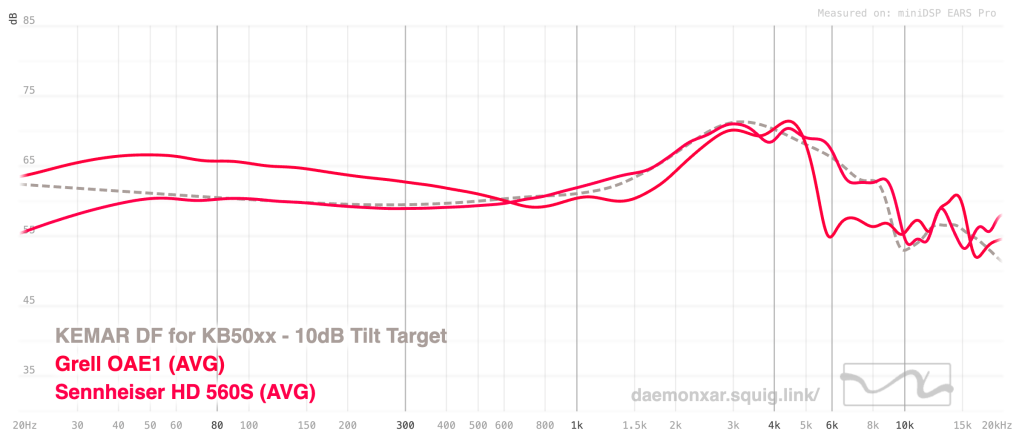
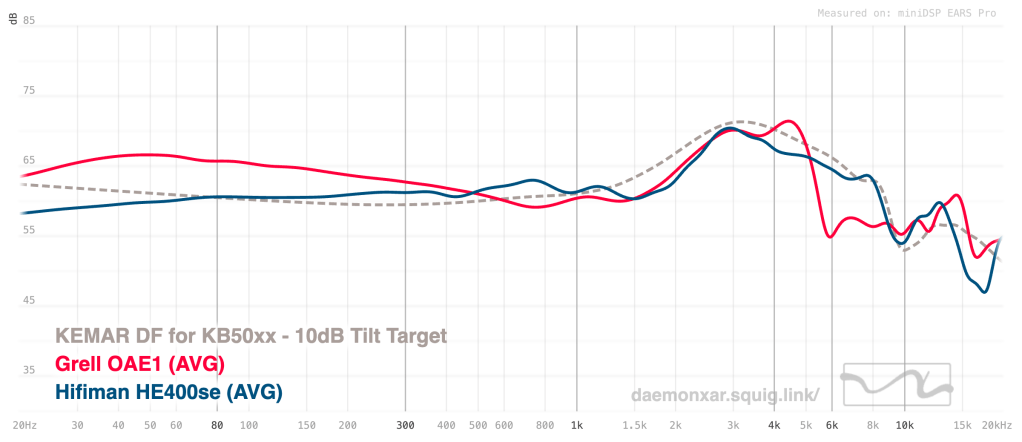
Overall. So did Axel Grell’s big swing work? Meh. You can be the judge of that. At least it’s interesting, and different, and was a big swing. The OAE-1 wasn’t particularly well received when it was released, but the second version is out now and I’m curious to give it a listen at some point.
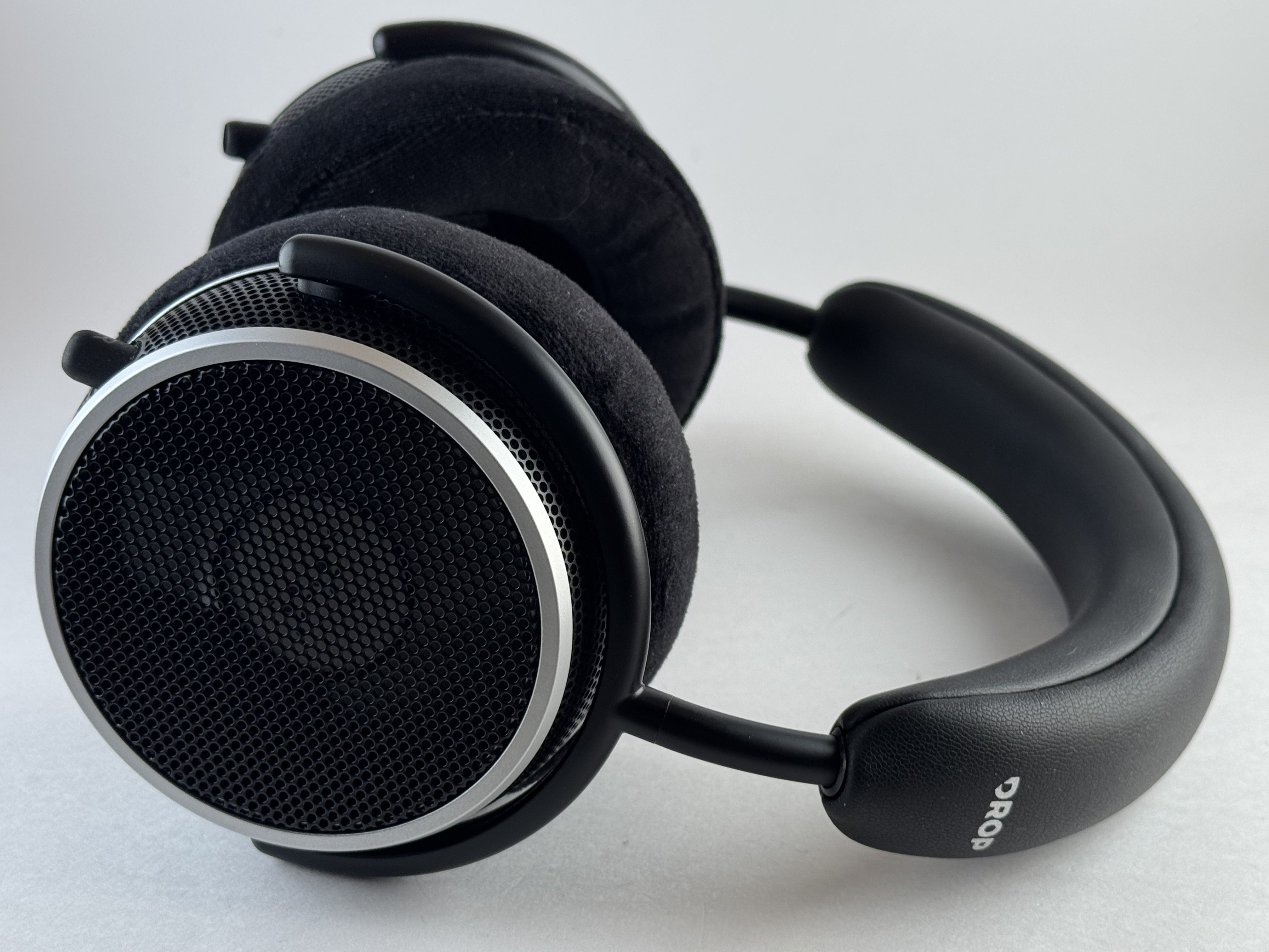
As for the OAE-1 itself, it’s … weird, but I don’t hate it. In a world in which so many headphones are all just variations on a theme, I appreciate that Grell was willing to zag in a market where everyone is mostly zigging. They’re probably not something that I’ll use regularly, and I would feel bad if I paid MSRP for them, but for $99 they’re a fun thing to be able to throw on from time to time (and the soundstage is … fun and funky and unique). And very occasionally, they just light up a track.
H
Hifman Audivina (June 2, 2026)
(Reviewed June 2, 2026. MSRP $1,999, currently $699 on Hifiman.com (but don’t buy directly from Hifiman). Paid $16012 open box in September 2025.)
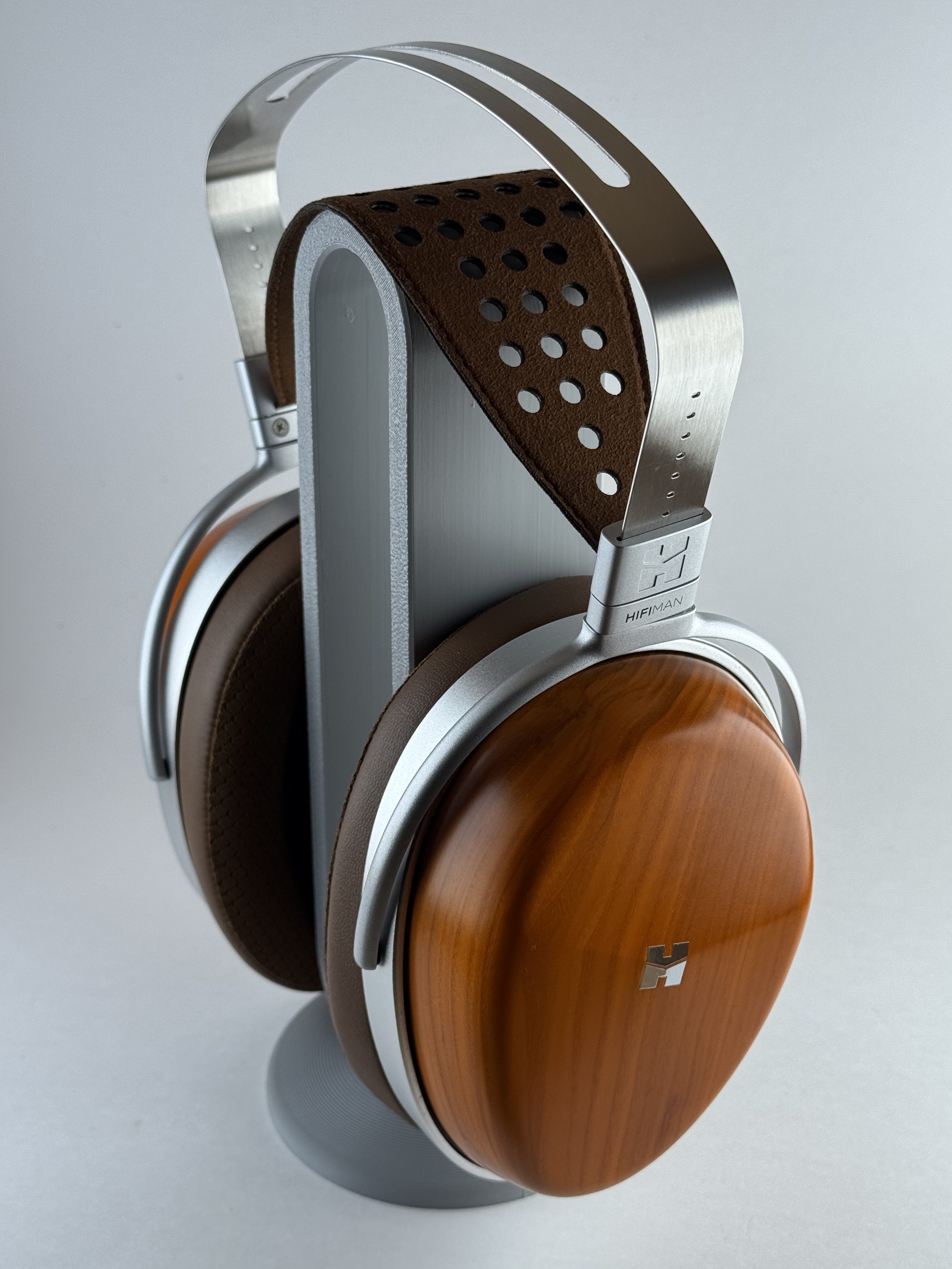
[Tl;dr: Well, the Audivina is definitely the best Hifiman closed back I’ve ever tried. (Yes, that’s damning with faint praise.) They’re not a headphone I’d ever necessarily recommend, particularly for anyone who doesn’t spend a lot of time and energy working with EQ; they’re genuinely weird out of the box, and as lovely as they are, there are a LOT of much nicer, much more appropriately priced closed backs on the market that are actually closed back, instead of semi-closed back (which is really what these are).
I enjoy them, and I consider them a reasonable value for what I paid as a platform for EQ, and a way to play with a “closed” back planar magnetic in a beautiful chassis. I definitely wouldn’t pay what Hifiman wants for them, either originally or even now, and you probably shouldn’t either unless you’re super bored. And if you’re super bored … just listen to mine.]
Cost-agnostic: 2 out of 10 Denalis (no EQ), 7 out of 10 Denalis (EQ)
Cost-sensitive: 1 out of 10 Denalis (at $699), 0 out of 10 (at MSRP)
The Basics. The Hifiman Audivina is … let’s call it a divisive headphone. Initial reviews were largely very positive … until people started spending a lot of time with them, and the overall tenor of the discourse soured pretty rapidly. I have an oddly soft spot for them; they’re the second most expensive headphones I’ve ever owned at MSRP, and … they can sound surprisingly good with the right EQ profile. But they’re weird. So, so, so weird.
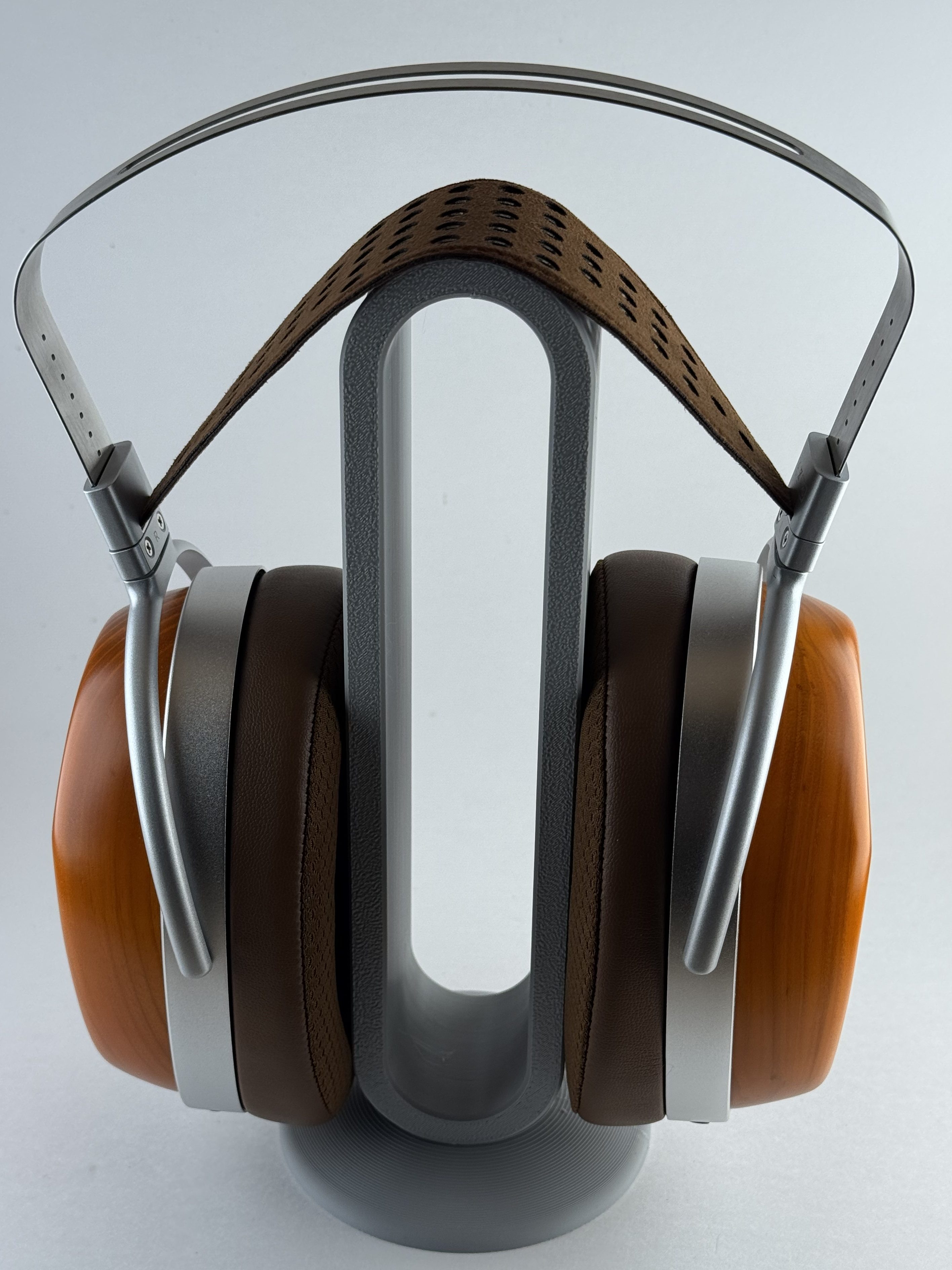
The Hifiman Audivina is a “closed-back,” planar magnetic headphone from Chinese manufacturer Hifiman. I use scare quotes there for closed back because while they’re technically closed back, they’re at best semi-closed, and functionally pretty damned close to open. For example, I can hear myself typing perfectly clearly on a not-particularly-clacky keyboard as I write this. They’re just isolating enough to block out something like a computer fan running on low. They’re not particularly hard to drive, with an nominal impedance of 20 Ohms and a sensitivity of 97 dB/mW, but they are a solidly built headphone, made primarily of wood and metal and weighing in around 470 g without a cable, making them my fifth heaviest pair.
Review note: the Audivina sound pretty odd without EQ, so I’m not going to waste anyone’s time reviewing them that way. Here’s what my unit looks like on my rig without EQ:
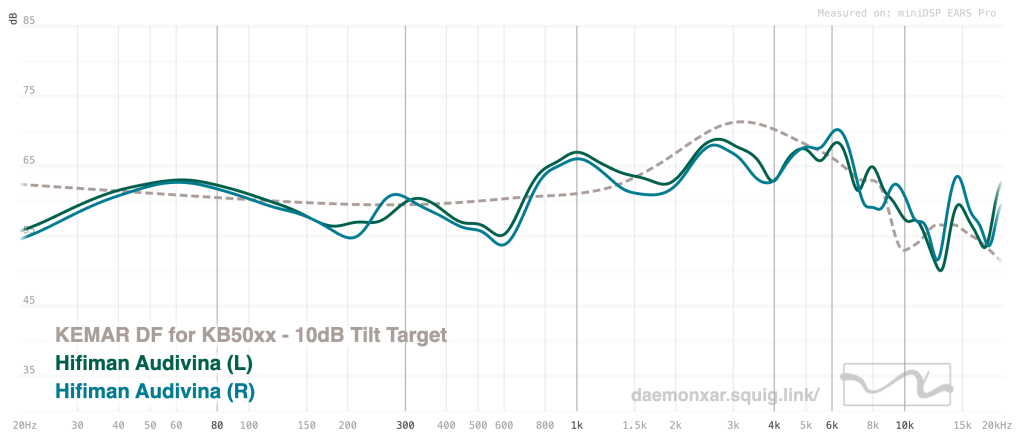
This is just plain weird. So weird. The sub bass roll off wouldn’t be out of place on a dynamic driver, but is pretty unusual for a planar and for a closed back headphone. The roller coaster from 150 Hz to … well 20 kHz is also just plain weird, between the dips at 200 Hz and 600 Hz and around 2 kHz and the massive bump at 1 kHz and 6 kHz (though the Edition XV has demonstrated that some roller coasters can sound pretty damned good15). Despite that … they genuinely don’t sound that terrible to me, even out of the box. I mean, I’m not going to choose to listen to them that way when EQ is free (and trivial to implement with Roon/Arc), but I genuinely think it’s a bit overstated how bad they are. Don’t get me wrong, there’s some weird stuff in there when you’re listening to them. There’s a reverb around 5:15 in “Only Here And Nowhere Else” I’ve never heard on anything else, and occasionally percussion (and clapping!) can be very sharp, but a lot of music sounds perfectly fine on the Audivina. The timbre on a track like “What Did I Do?” whipsaws between delightful and just weird, and the claps are surprisingly harsh, but that’s more the odd track out than the norm with these headphones. But still, a disclaimer:
DON’T BUY THE AUDIVINA TO LISTEN TO THEIR BASE TUNING. It’s weird.
What they do offer, however, is a pretty great platform for EQ in a beautiful, well-built chassis. Here’s what I’ve been using for them, EQ-wise:
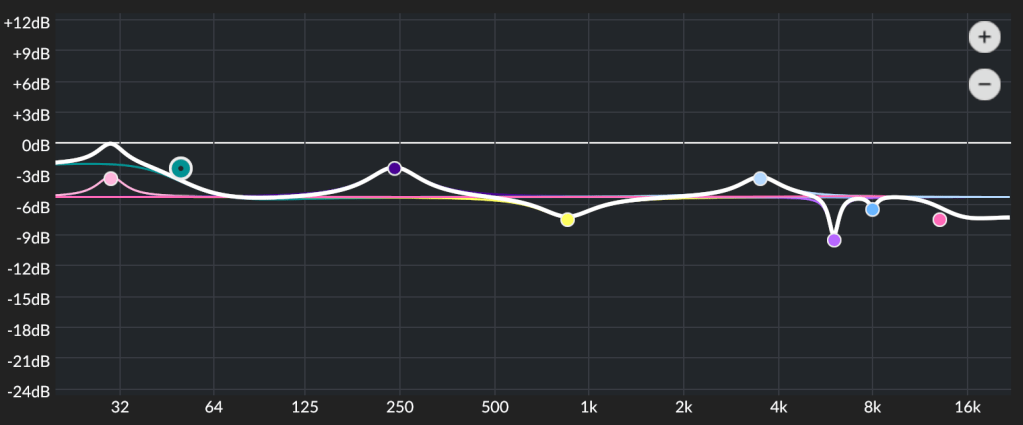
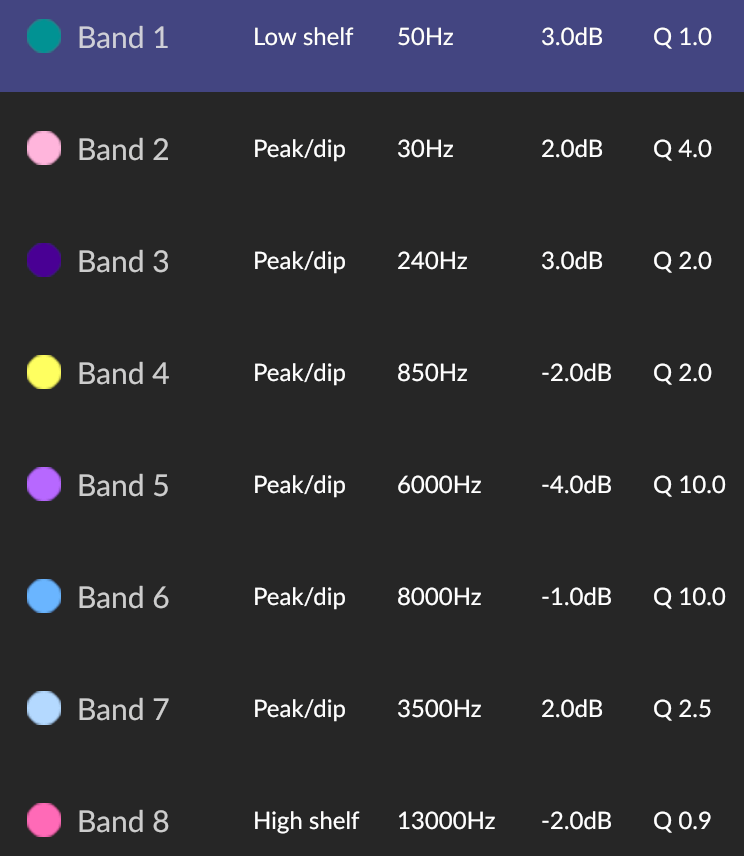
This doesn’t fix all of the Audivina’s quirks, not by a long shot, but then that’s not ever my intent with EQ. I don’t want every headphone to sound the same (though Oratory1990’s EQ profile for it gets pretty close to his target!); that sounds super boring to me. I mostly aim to keep the character of the headphone while making the sound more pleasing. And for me, this does that. [Editor’s note: my measurement rig is currently being serviced; when it gets back, I’m curious to measure these as I have EQ’d them and will update accordingly.]
So, the following review is with this EQ profile solidly in place, applied via Roon’s MUSE and tested via my Mytek Brooklyn Bridge.
Technicalities. The Audivina is really only a semi-closed back, which may contribute to its unusually wide soundstage for a closed back headphone. On a track like “Chan Chan” you get the guitars pretty wide out to both right and left (though farther on the left), with pretty strong imaging and layer separation within it. You get only a little front-to-back on the Audivina, with the guitar opening of “Love Can Damage Your Health (Laid Mix)” more panning than rotating, but the snap to the side of the left/right staging is really excellent. Perceived detail and resolution is really quite good; this really does feel and sound like a higher end planar magnetic, though the fingers sliding on strings on “What Did I Do?” are less noticeable than they might be on a different pair. It doesn’t quite compete with the Arya Stealth or LCD-2.2 for overall detail, but it’s not that far off (which you would hope and expect, with a $1,999 initial price tag). Timbre is … surprisingly good, too. Without EQ, there are some oddities but they’re basically not noticeable with it.
Sound. Bass is definitely relatively light, particularly for a closed back, without a lot of extension down into the sub bass, but even out of the box the midbass on the Audivina isn’t bad at all. With a substantial shelf added via EQ, it’s solid: clean and crisp, with nice resonance and richness. The midrange is surprisingly nice; Justin Hicks is well-reproduced on “What Did I Do?” and Jill Scott mostly cuts through on “Calls” incredibly well, both the main vocals and the backup/runs she’s doing in the background throughout the busy middle section. If I had a criticism it would be that vocals may be a bit recessed in particularly busy passages; it’s not that you can’t hear them, it’s that you might want just a bit more presence from them. In isolation (like on “BLACKBIIRD”), they’re damned near perfect both for timbre and for balance (even the click in the left cup is less distracting on that track). The treble is the bit I was honestly most worried about: Hifimans and I don’t always get along in the treble, even on headphones I otherwise really like, but even out of the box the Audivina aren’t particularly sharp. Without EQ, neither the guitar nor the vocals on “2021” cross into harshness, and though the muted trumpets on “Will O’ the Wisp” get close, they don’t quite cross over at reasonable listening volumes. With EQ, the treble tuning is perfectly pleasant, though they’re certainly not the first thing I’m grabbing if I’m listening to treble-forward music.
EQ. These are headphones that basically *need* EQ. There are people out there who probably like the out of the box tuning, but I am not one of them (though as noted before, I don’t hate them the way that so many others do).
Build. Man, these are super well built. They’re the things I like about the Arya Stealth’s build but slightly improved. Same general design, but with slightly better clamp which means that they’re less likely to move around on my head if I’m looking around (particularly looking up or down). They’re reasonably comfortable; about average, despite being among the heaviest headphones I own.
Like most (or all) Hifimans, the Audivina connect to your source gear using a bog-standard dual-entry, 3.5 mm, balanced-capable connection. At least my open-box Audivina shipped with three … surprisingly competent? rubberized cables: one 3 m XLR, one 3 m 6.35 mm, and one 1.5 m right-angle terminated 3.5 mm cable. While I’m always appreciative that Hifiman chooses to stick with a common, inexpensive standard, their cables themselves have long been suboptimal (and in the case of their higher end stuff, genuinely laughably bad). Audivina seems to have been manufactured after they decided to swap over to a more reasonable cable design. I’m not sure I ever need a 3 m cable for any of my uses, but I guess it’s nice to have a couple in case I end up sitting farther away from my amplifiers than I usually do? In either case, they’re really competently made cables with solid connectors and minimal microphonics. They have a tiny bit more memory than I’d like in a perfect world, but they’ve also been coiled in their case since I got them so maybe they’ll straighten out a bit if used regularly.
In addition to the cables, the Audivina comes with a nice semi-rigid case, I think the only Hifiman I own that has one.
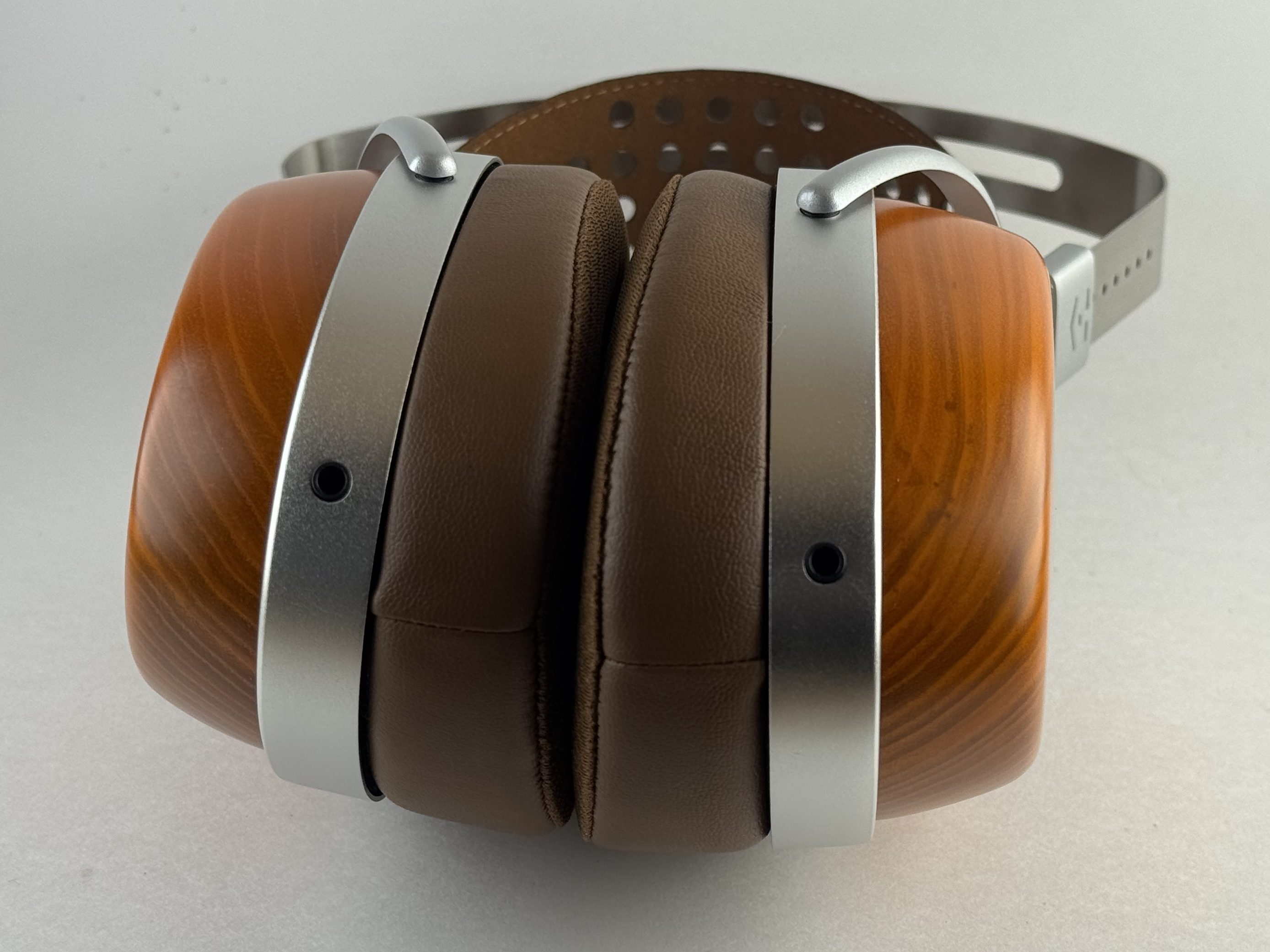
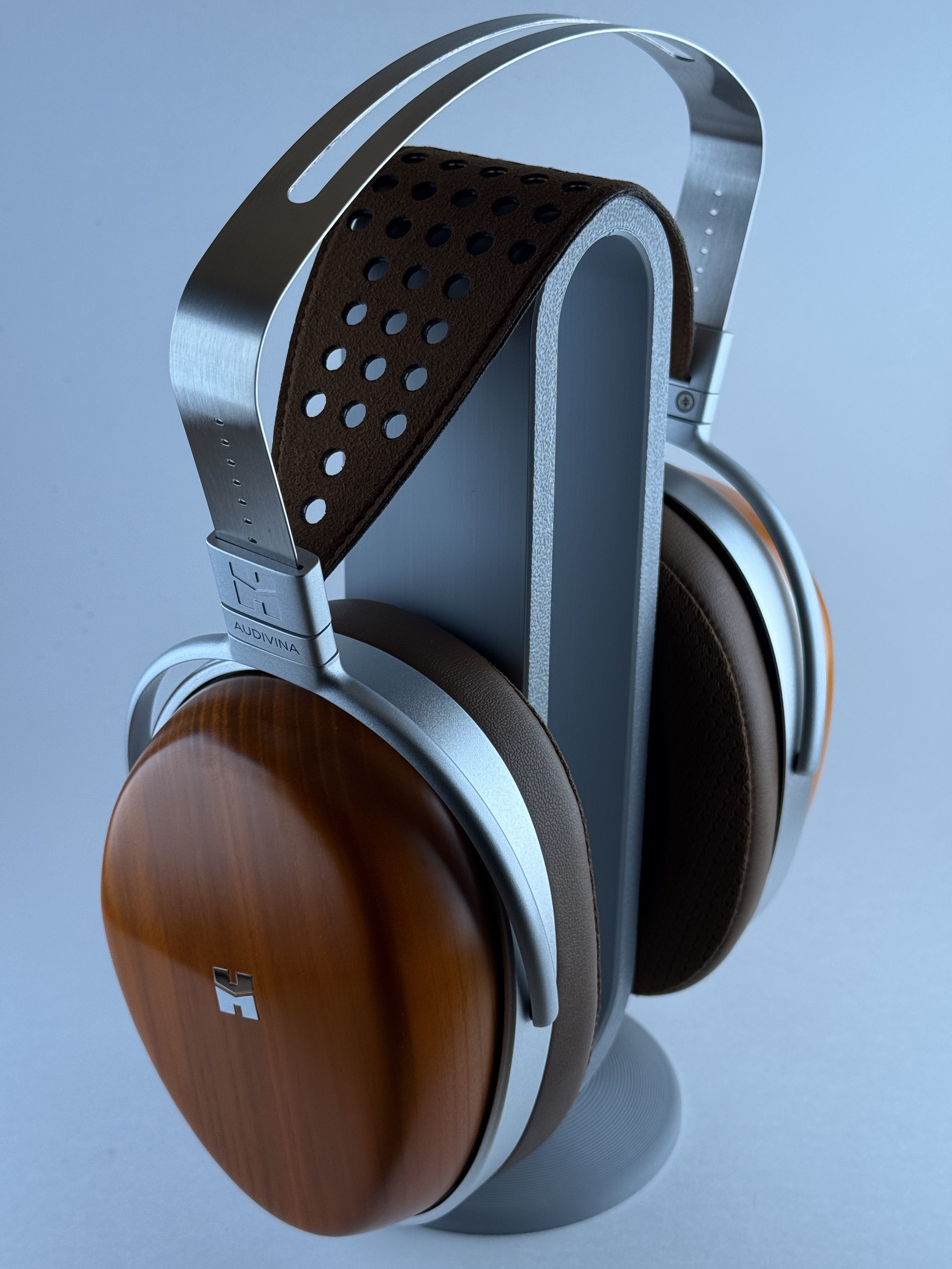
Aesthetics are individual, as always, but I think these are a really good looking pair of headphones between the orange wood cups, nicely showcased natural wood grain, nice leather suspension straps and stainless steel band/yokes/hardware. In some ways, they kind of signposted the direction Hifiman was going that led them to the (in my opinion quite handsome) Edition XV and HE600. They’re definitely very Cyberman-y on the head, but at least they look pretty damned good hanging on a hook.
Alternatives. I mean … there are a lot of closed backs that are likely to work better for the average person, and a lot of them are going to cost a lot less. Here are a couple of quick thoughts about direct comparisons:
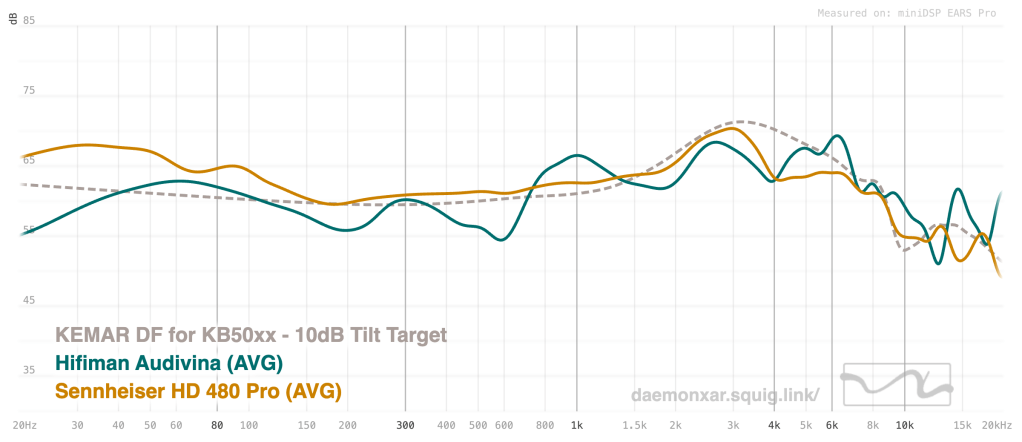
- Sennheiser HD 480 Pro. The 480 mops the floor with the Audivina on everything except looks, and that’s individual. The 480 Pro is an incredible well-designed, classic closed back (that despite that, somehow avoids being boring) and the Audivina is … weird.
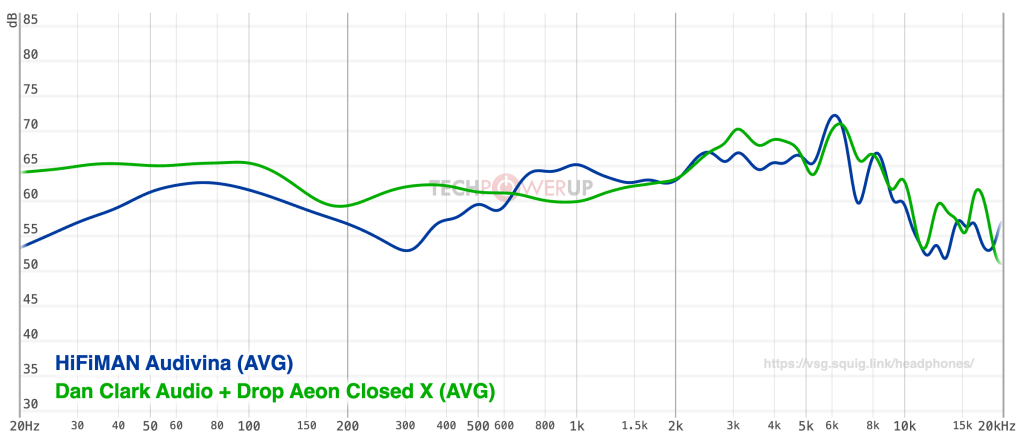
- DCA Aeon x Closed. I talked about this in my Aeon x Closed review. I commented that I strongly preferred the Aeon’s out of the box tune but was intrigued by the Audivina’s EQ potential, and five months later that’s where I’m still at. I never managed to get the Aeon’s bass to a satisfying place on my head, and with the EQ profile discussed above I’m rather strangely fond of the Audivina. I sold the Aeon a few months ago, and I think I’ll keep these around long term.
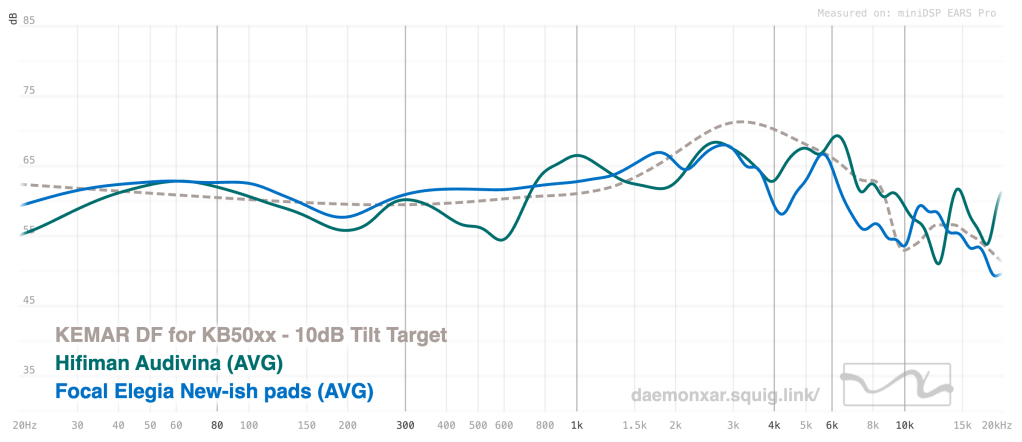
That said, I wouldn’t pay $699 for these over the Aeons at $250-350, which is about where they’re going in the used market. [Editor’s note: I sold my Aeon right before I got my measurement rig, so I don’t have measurements for it. Here’s the only measurement of both on Squig.link.]
From the Aeon review: “So this is not at all what I hear, which makes me wonder if one of my units is damaged. That might explain why I don’t hate the Audivina the way that so many people do, if it’s broken in a specific way that mellows it out. To me, the bass is better on the Audivina (especially volume), mids better on the Aeon x Closed (especially vocals, and especially location in space), treble pretty similar on both.” Really wish I still had the Aeon to measure; even after a lot of EQ I just never got the bass to feel particularly satisfying. It does look like my Audivina measure about the same as everyone else’s.
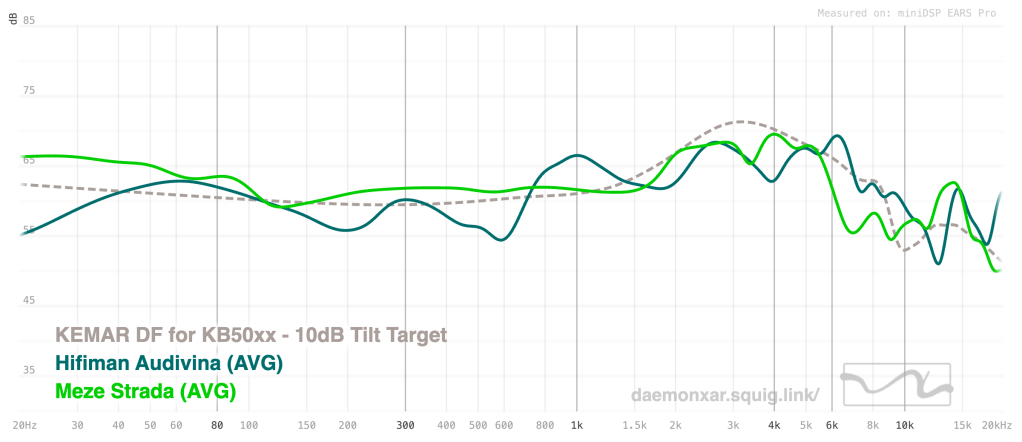
- Meze Strada. This is a super interesting comparison to me; they’re both clearly marmite tunes that I personally enjoy but understand why other people might not. They’re both beautifully designed, roughly egg-shaped closed backs using standard dual-entry 3.5 mm cables and come with a nicely-appointed packages. The Strada is lighter, easier to drive, and definitely more aligned with my style (as well as being actually closed back instead of the semi-closed back Audivina), but it’s also at least $100 more expensive.
I definitely prefer the tuning of the Strada out of the box, but it’s a much closer comparison when we take into account EQ (and both are headphones that I would consider EQ to be pretty close to mandatory with). The Strada is more comfortable, and will better fit my use case for a closed back headphone as … you know, actually closed back. The Strada can be used out and about, whereas the Audivina is really a desk queen. I think for that reason, I would take the Strada over the Audivina but I wouldn’t probably recommend either to the average person.
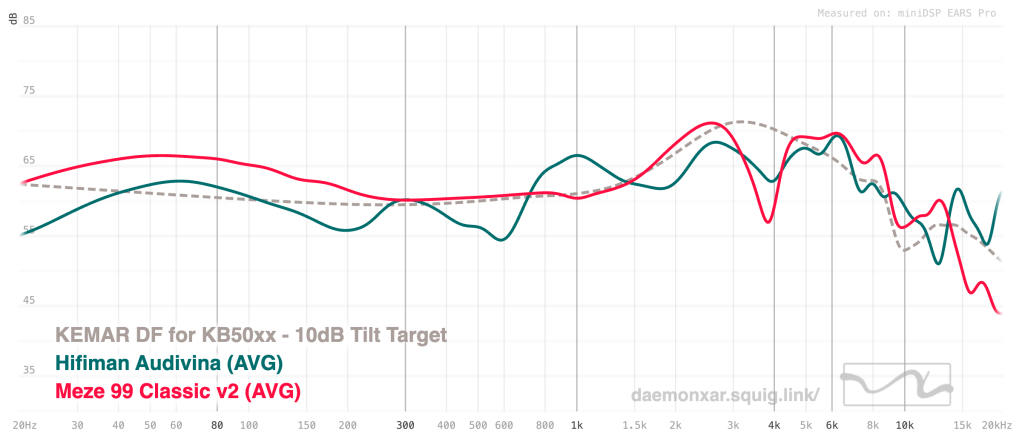
- Meze 99 Classics v2. For the average person, the 99 Classics v2 is going to be the better headphone. It’s a much more normal tune, particularly for a closed back, and if you’re not at all treble sensitive the 99 Classics is a great fit for you. It’s also a little more comfortable, lighter, and substantially easier to drive, sounds great out of the box, as well as being, you know, actually closed back. If you’re seriously considering between these two, save yourself some money and some headache and buy the 99 Classics.
- Focal Elegia. Elegia is my favorite closed back, and the Audivina doesn’t change that. Nothing really touches Focal for dynamism and impact down low, and the Elegia’s are damned near perfectly tuned for my particular taste. I’m a little surprised by how similarly these measure below around 300 Hz; makes me wonder if maybe this is why I have a bit of a soft spot for the Audivina. I do appreciate me a closed back without a bonkers bass response.
Overall. Unless you’re on the hunt for something weird to spend time playing with, don’t buy the Audivina. Definitely don’t buy it for anywhere approaching MSRP, and I’d even waive you off at their current price either new ($699) or open-box ($549 – 10% right now). For the $160 I paid, they’re great. They’re fun, and different, and unique, and I’ve had a really good time playing around with them. I’m pretty comfortable saying that they’re the best Hifiman closed back, though I’m aware that that’s akin to saying that something is the biggest ant or the tallest pygmy goat.
I like them. I’m keeping them. I’m even going to keep using them here and there. You … probably shouldn’t. Unless you’re bored, and want a challenge, and can get them on a substantial discount. Or just want something pretty to hang on your wall. They make a great conversational piece, even if they’re not so great as a headphone.
Hifiman x Drop HE-5XX (April 5, 2026)
(Reviewed April 5, 2026. MSRP $229, currently $119 open-box on Hifiman.com16)
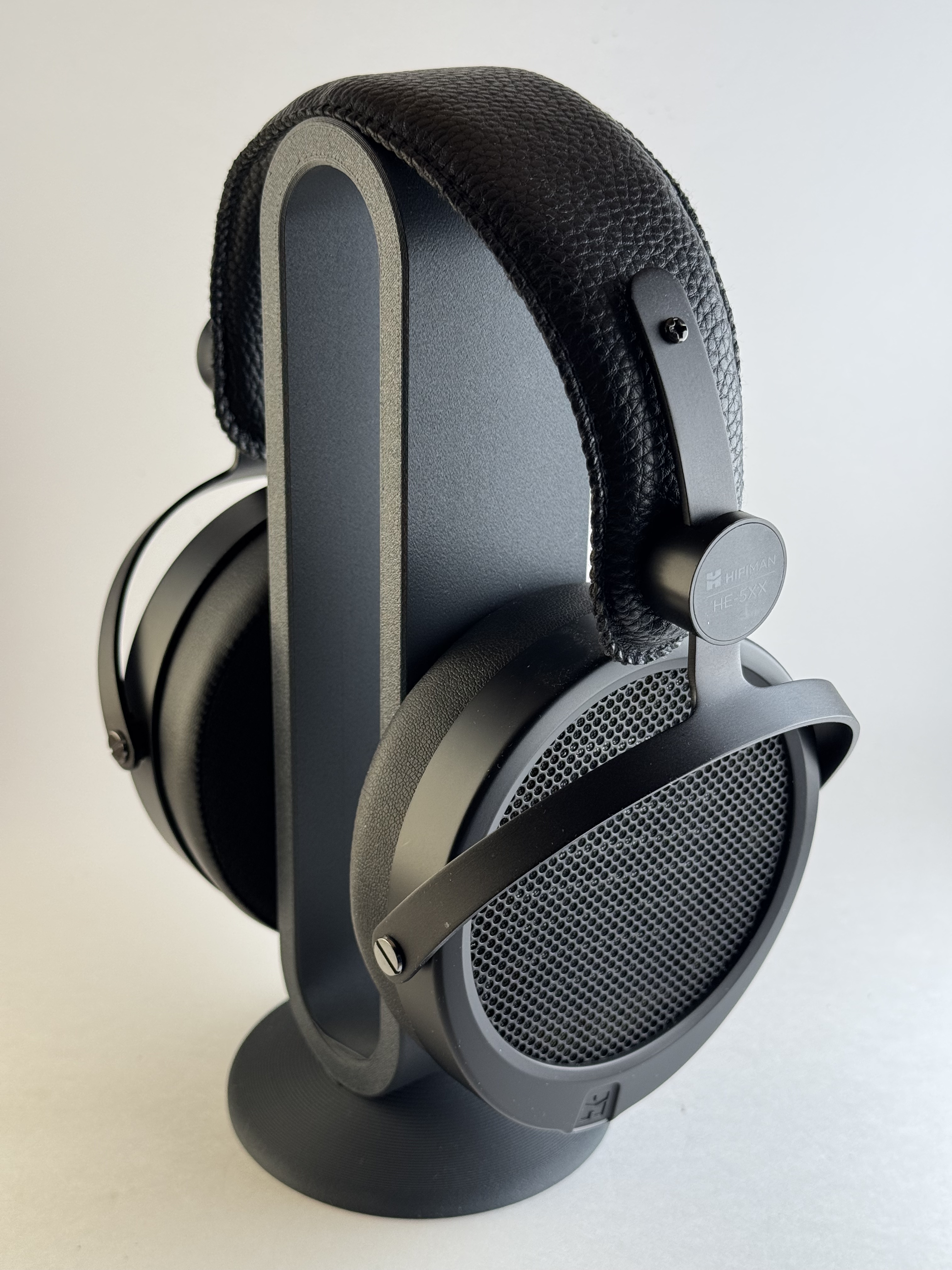
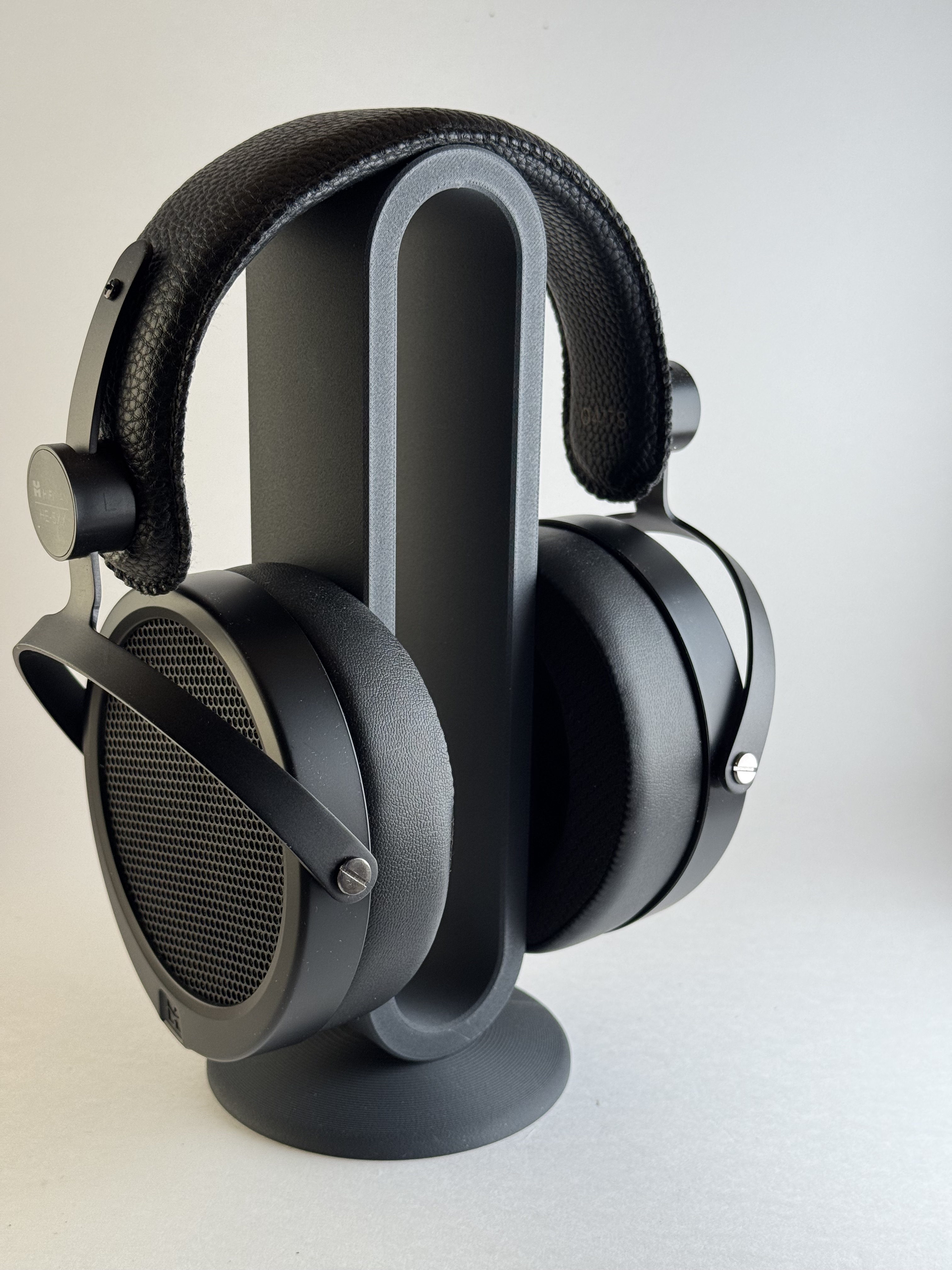
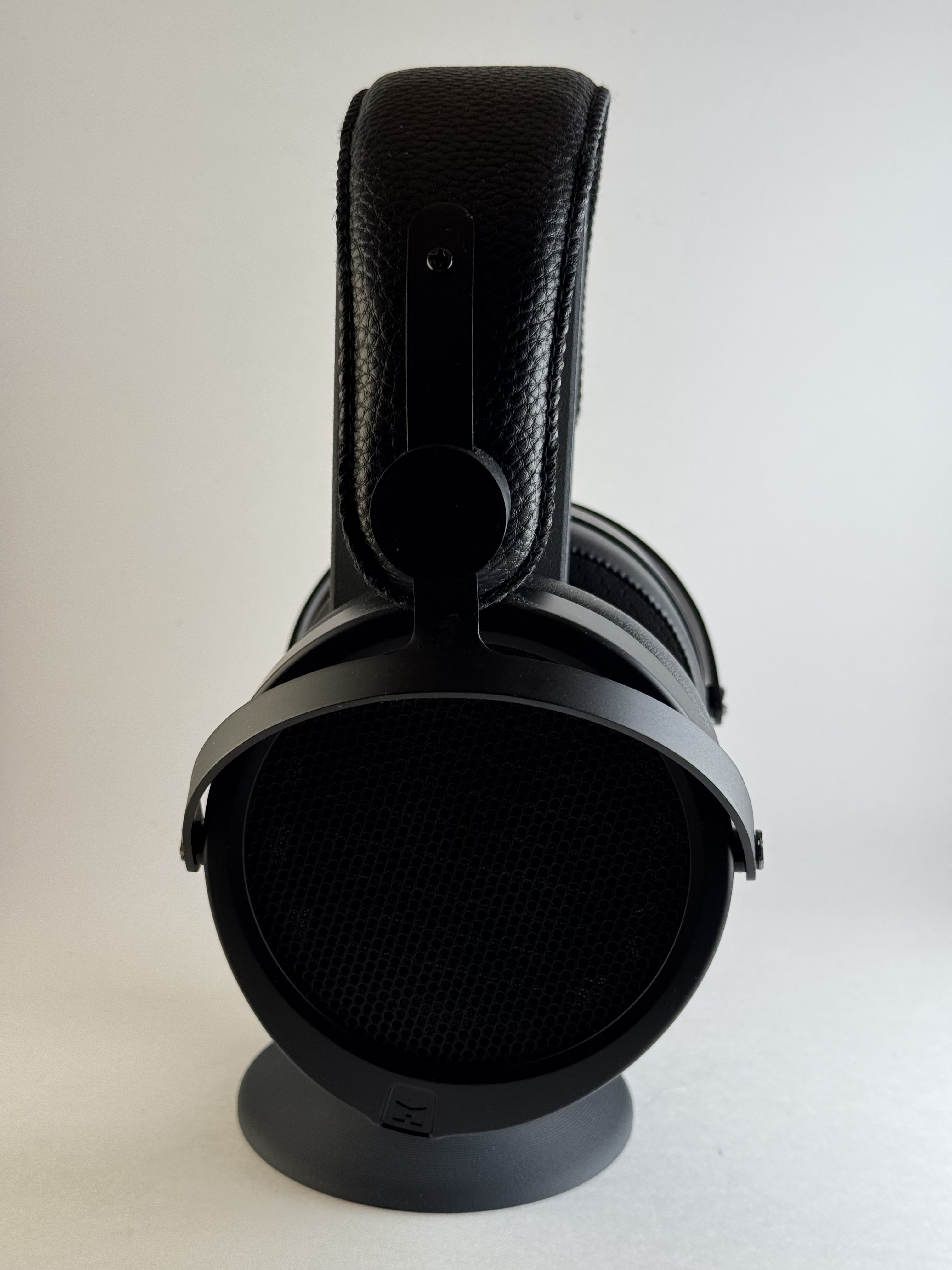
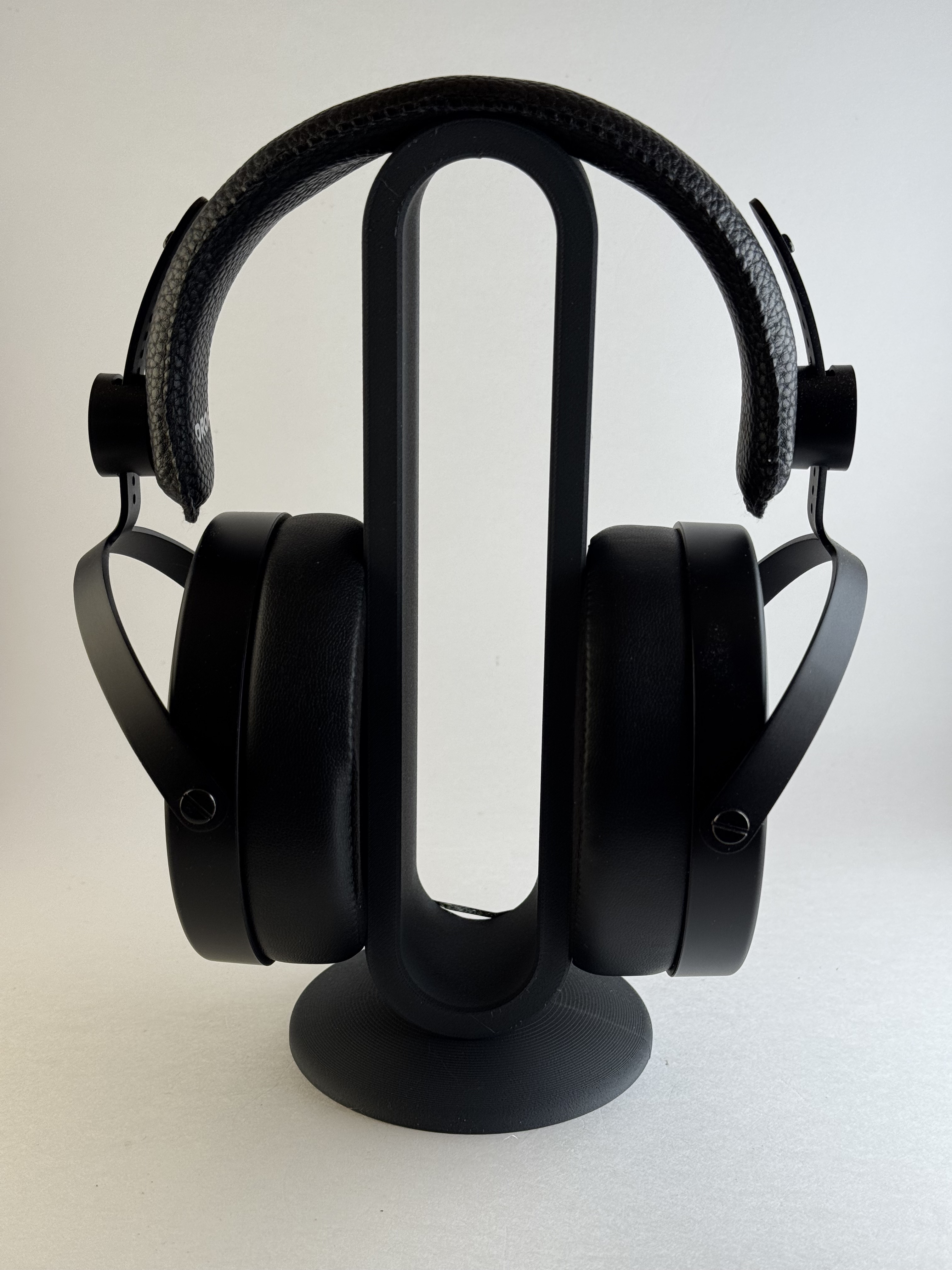
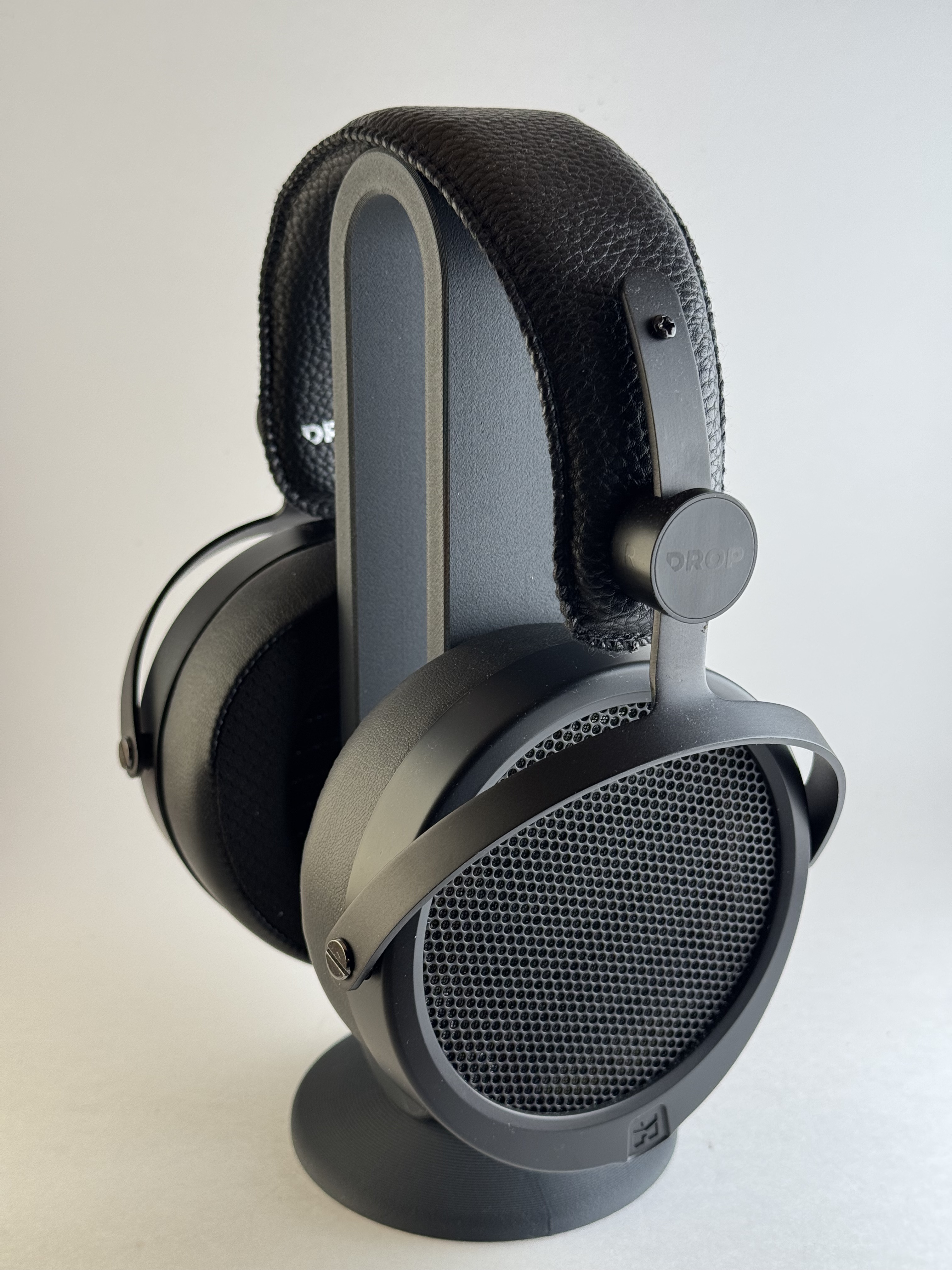
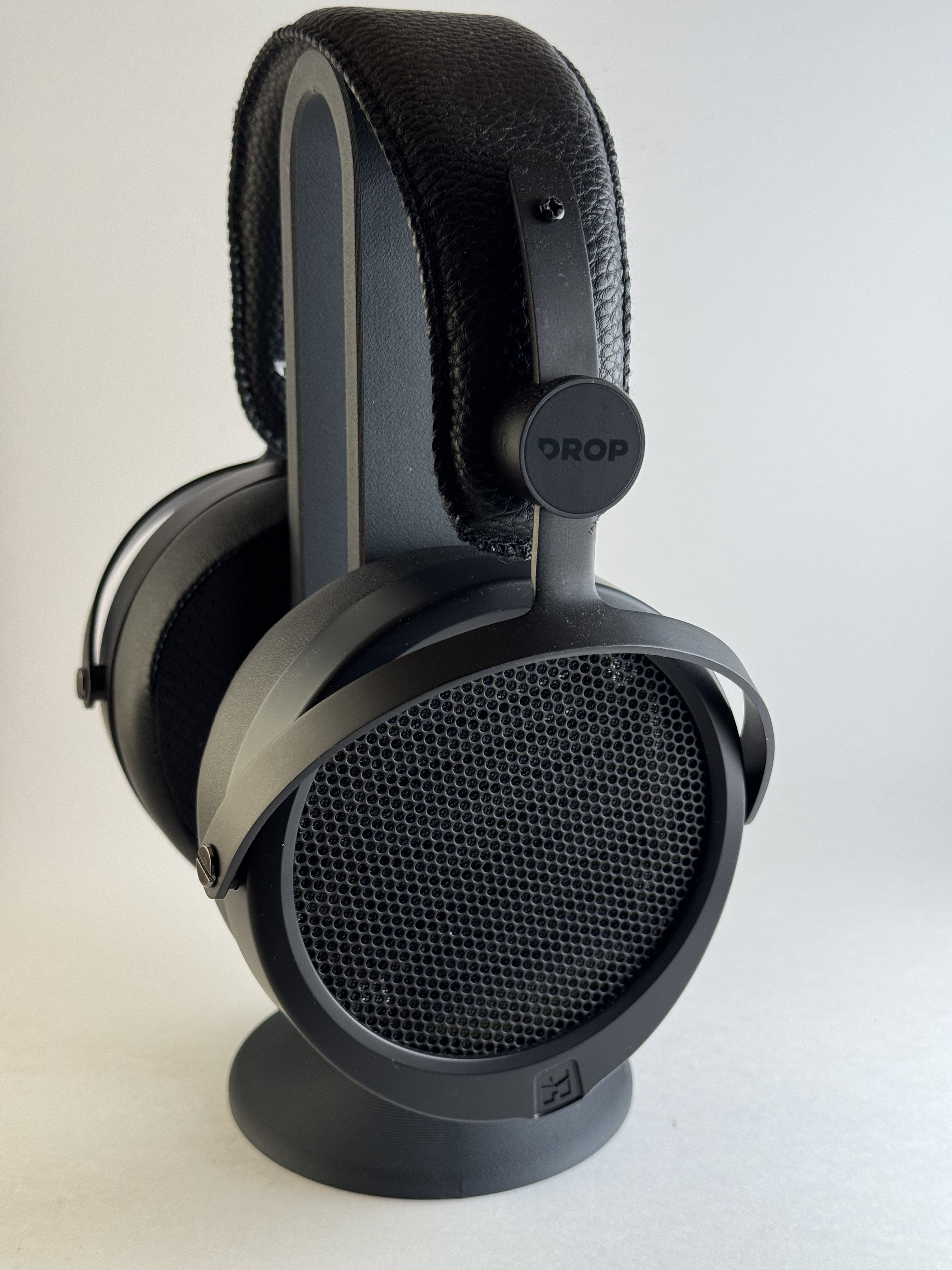
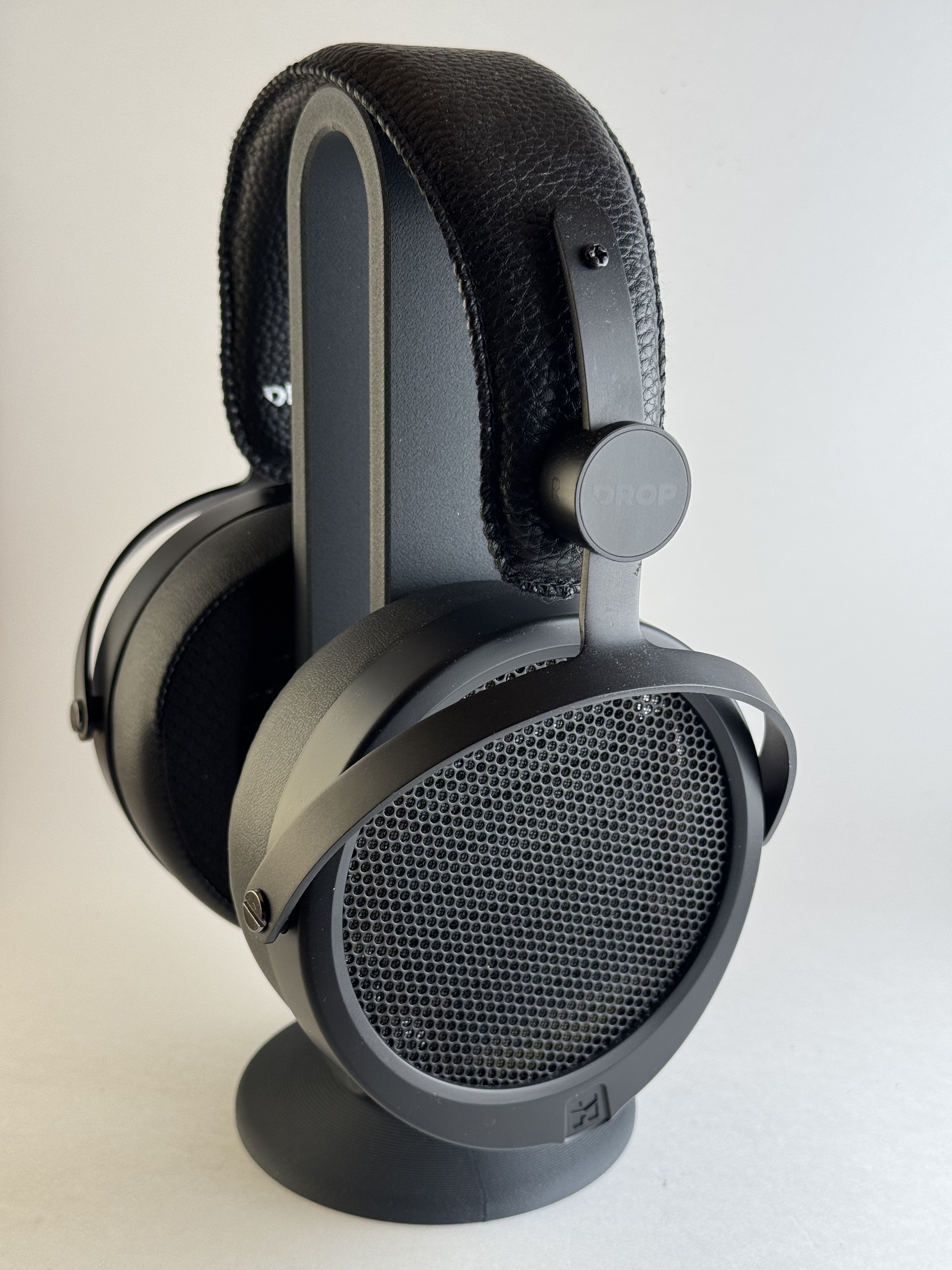
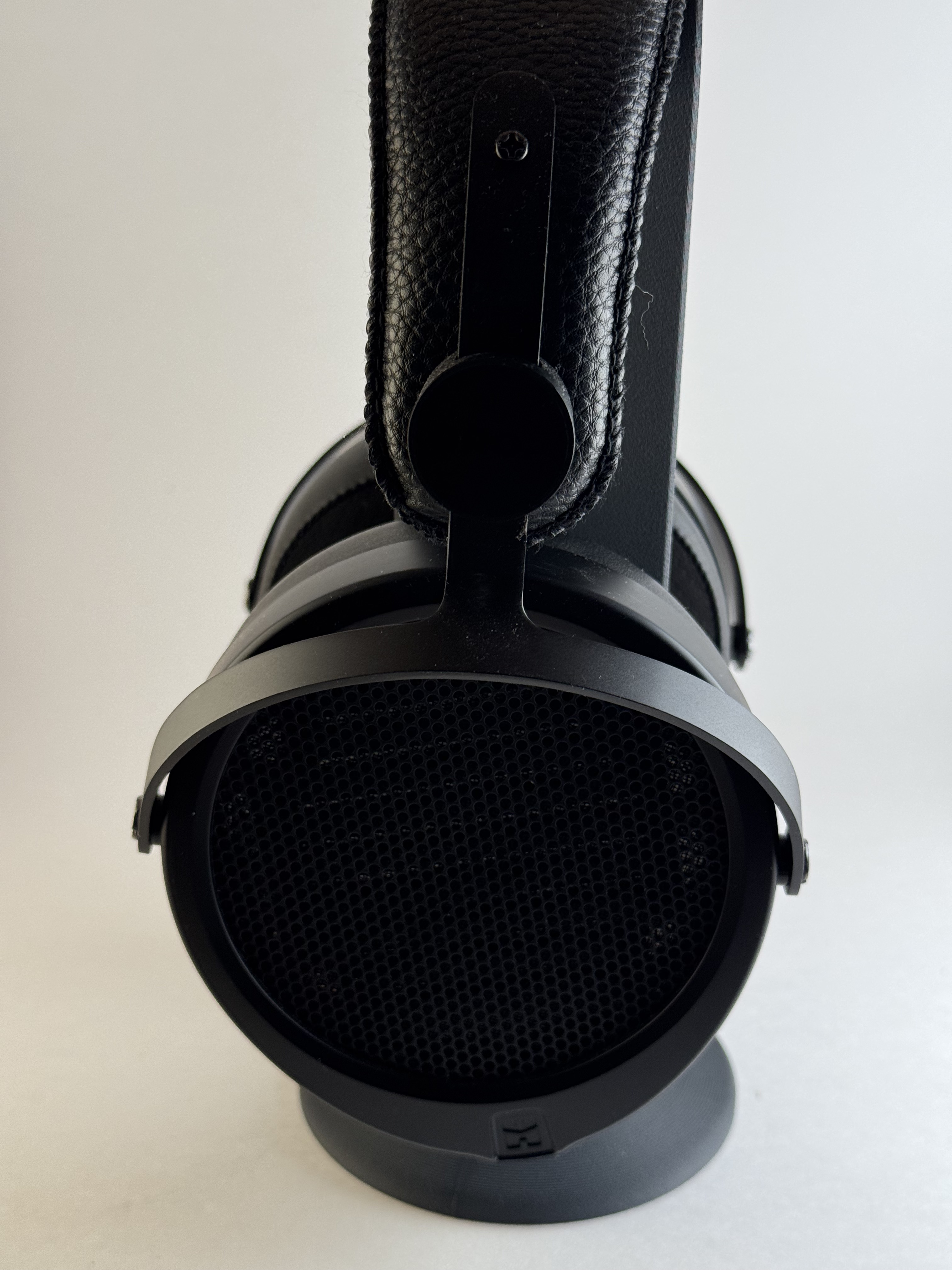
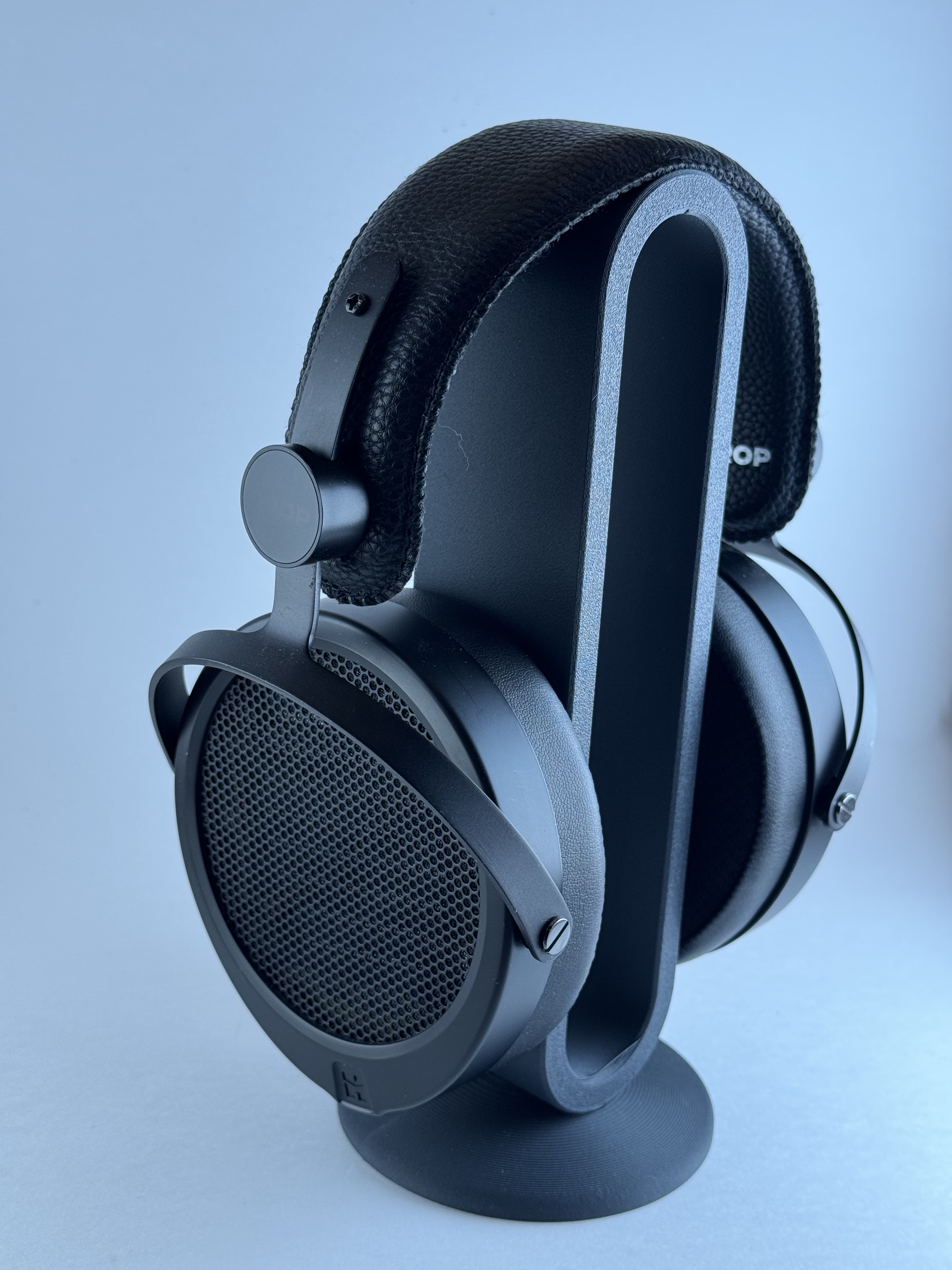
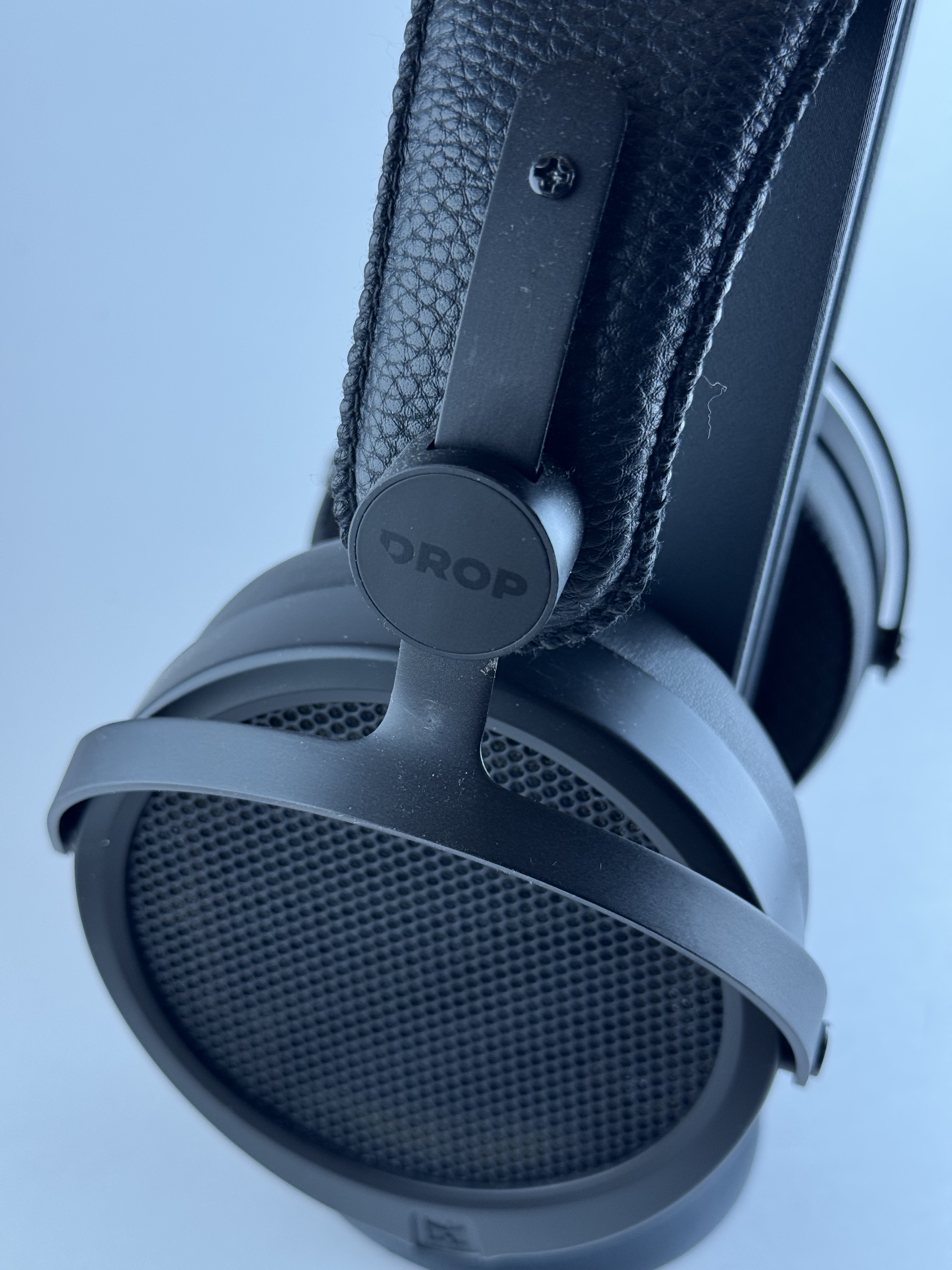
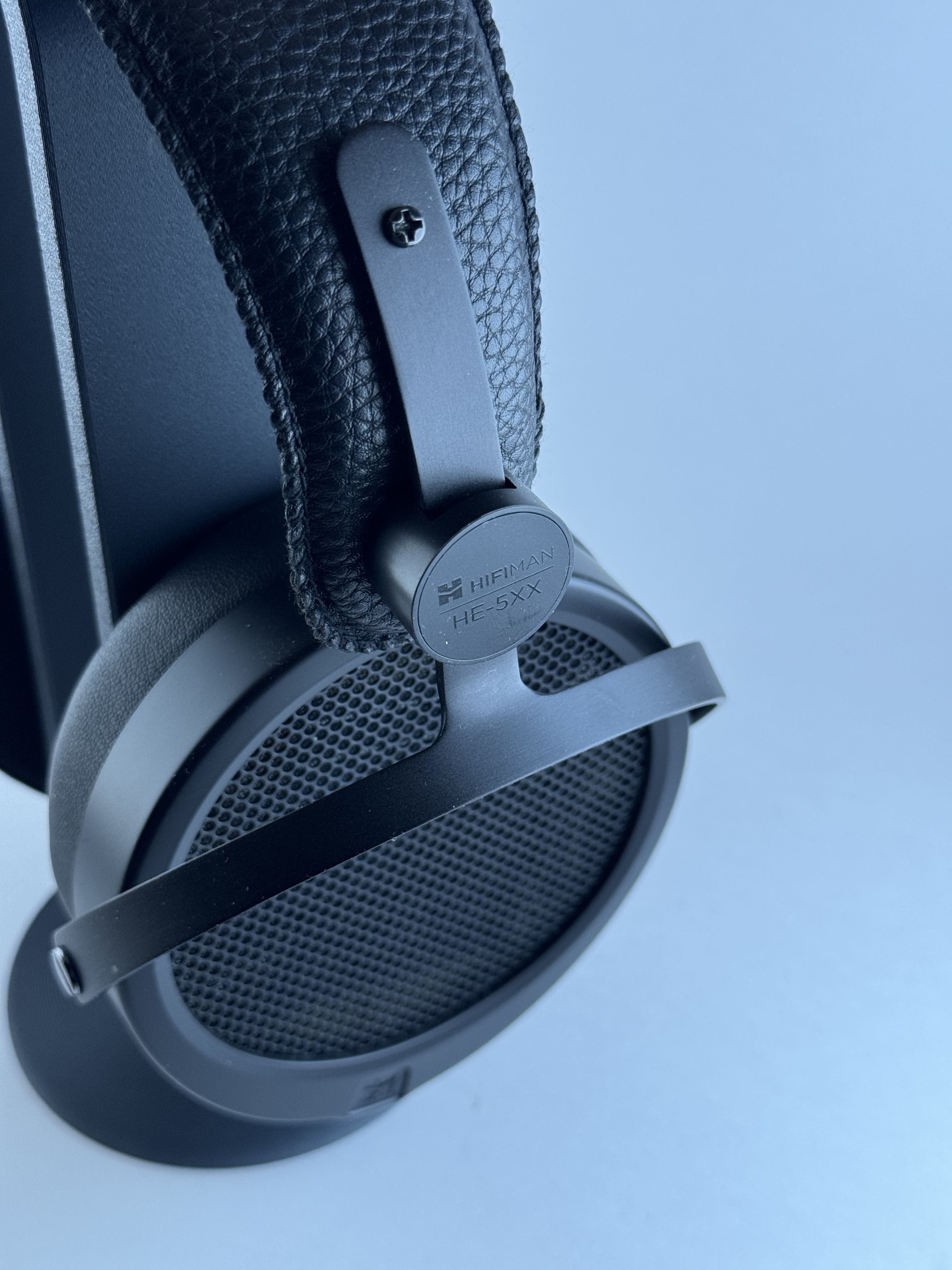
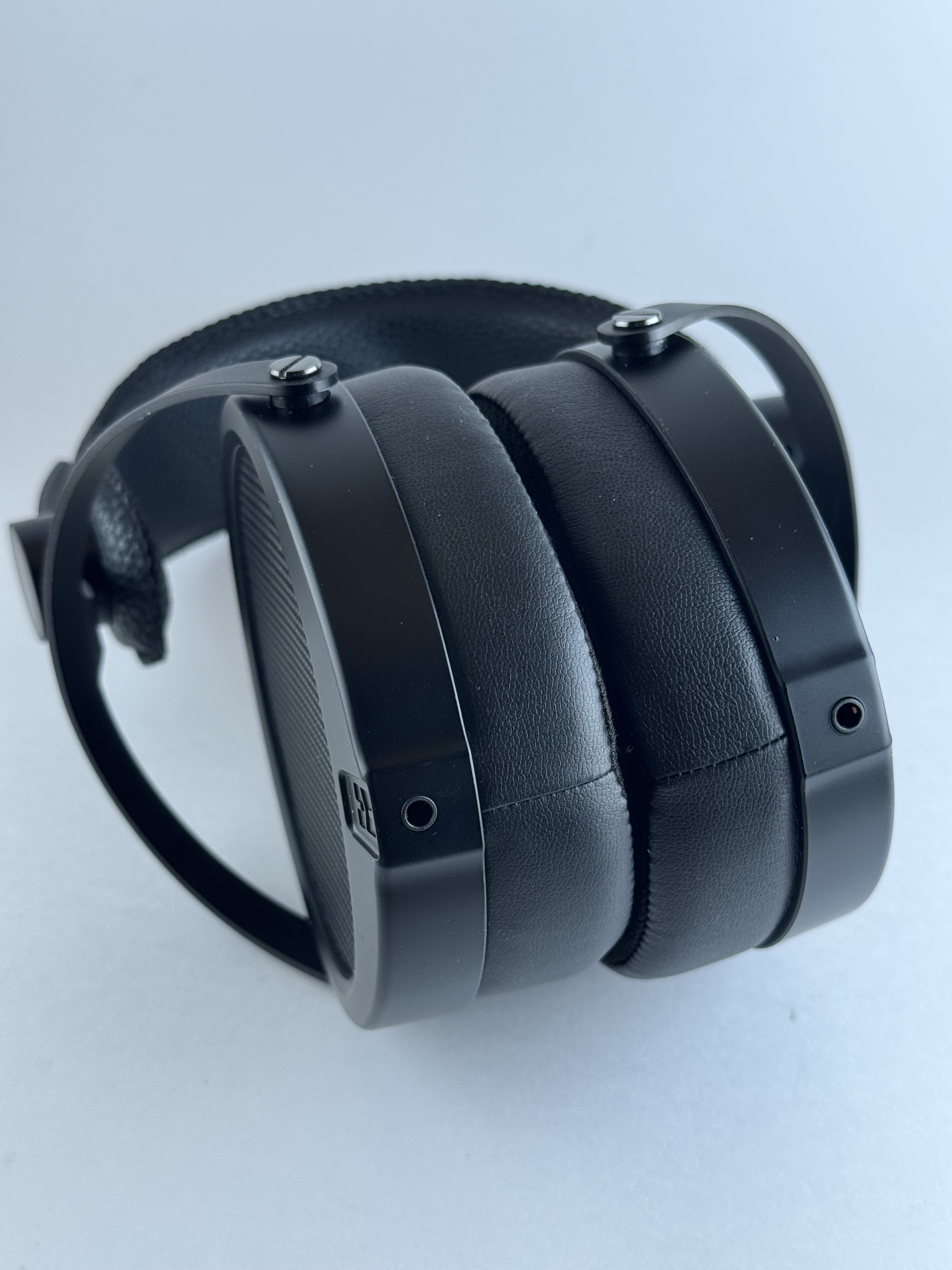
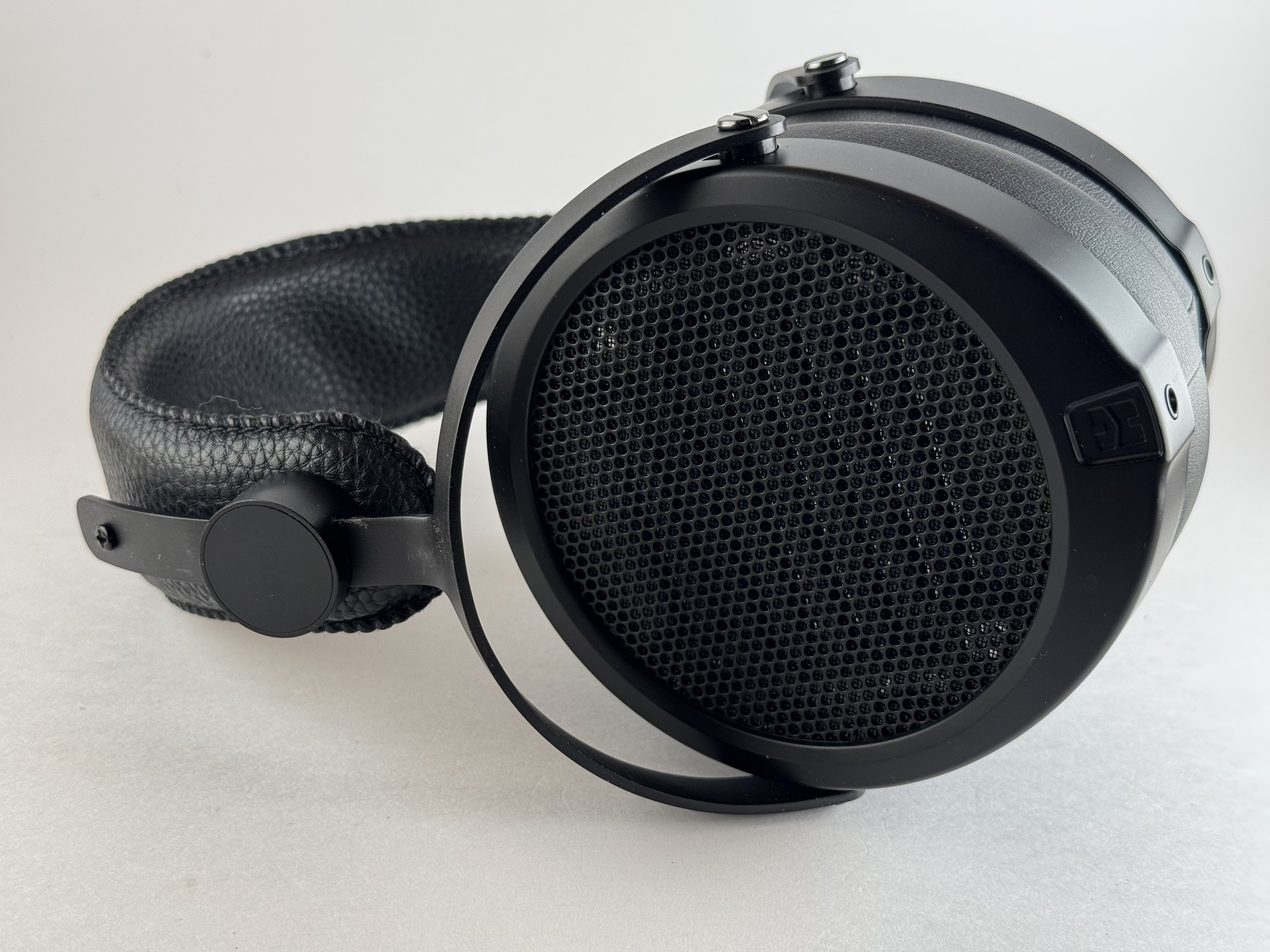
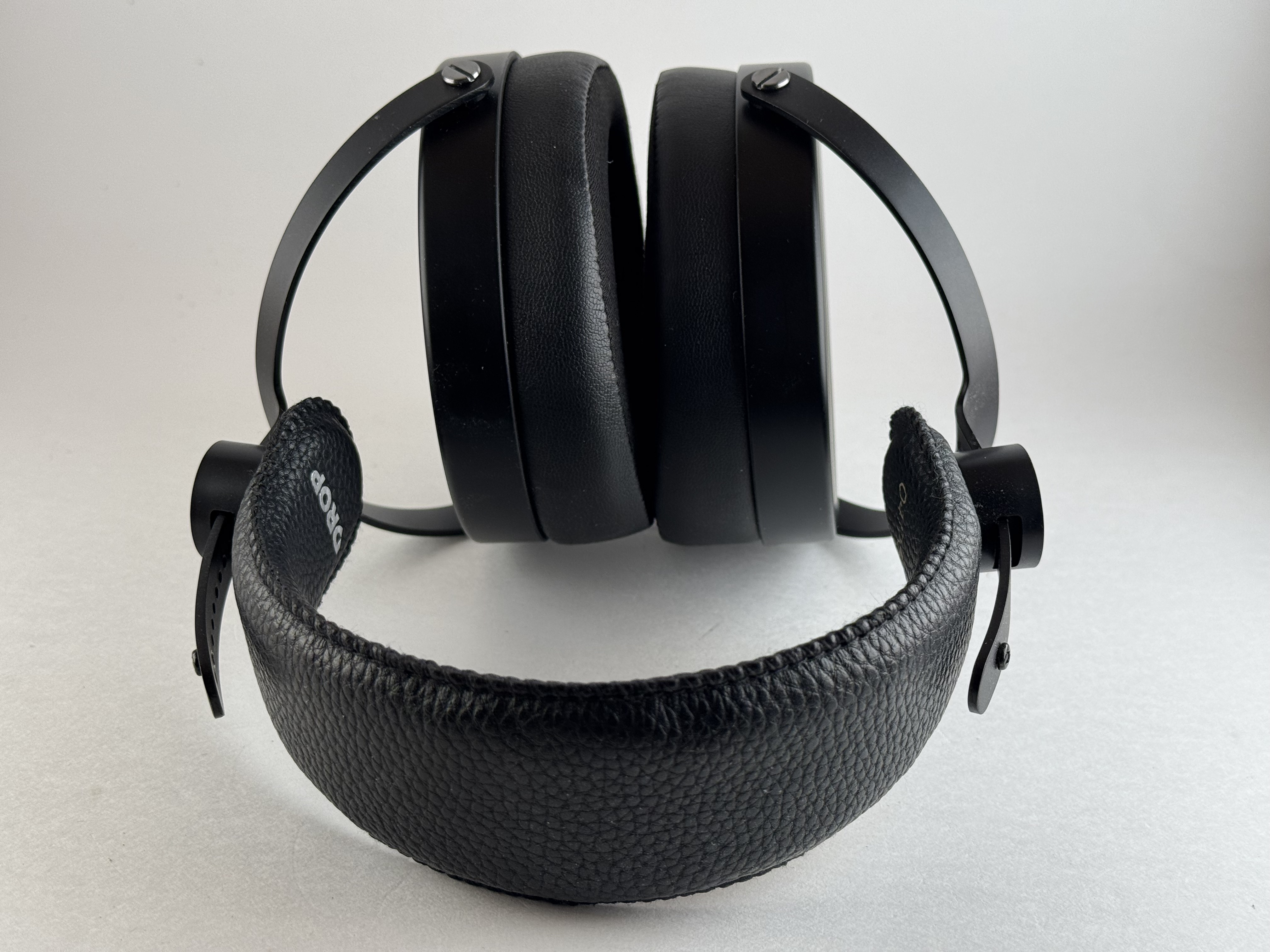
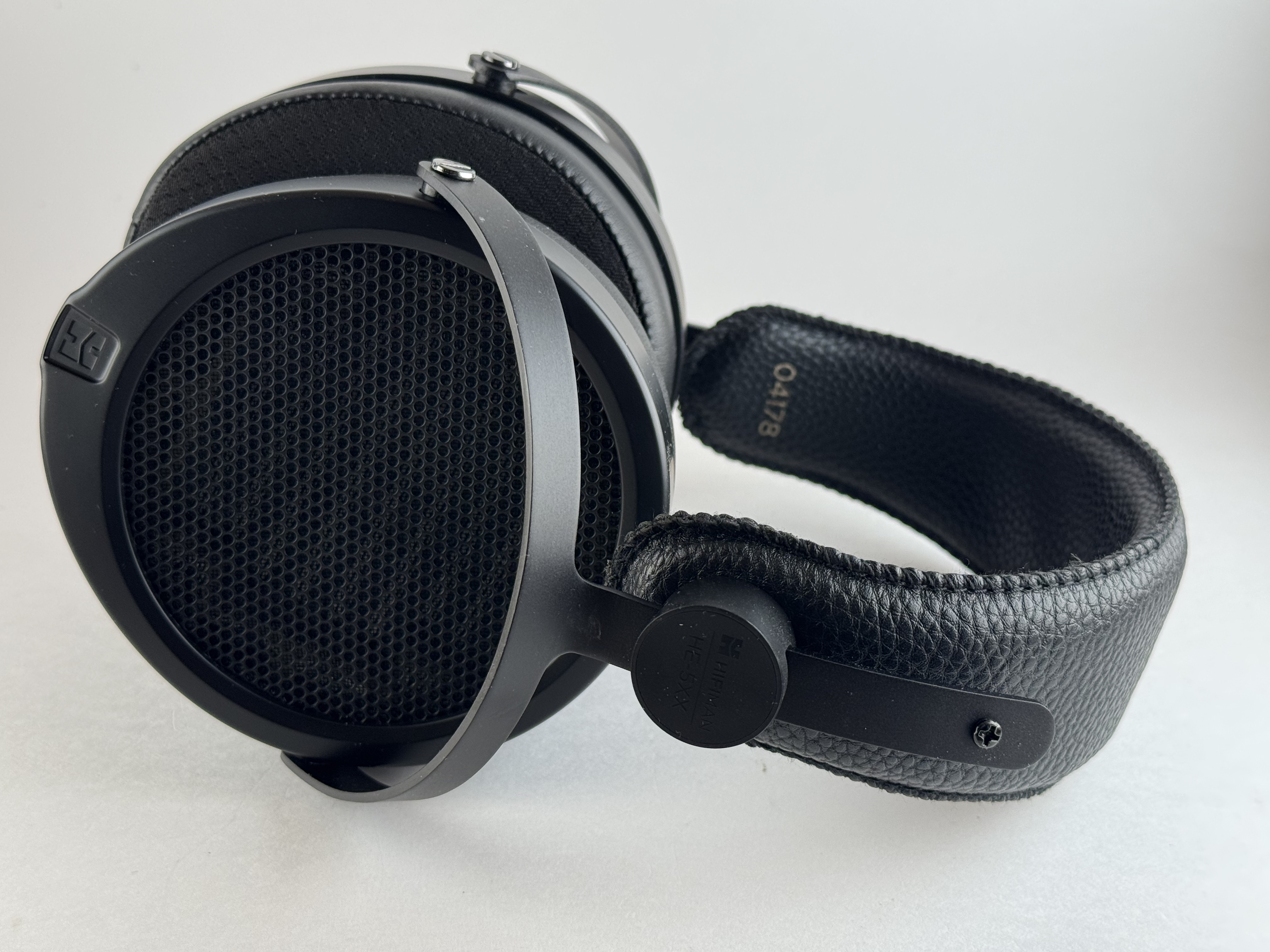
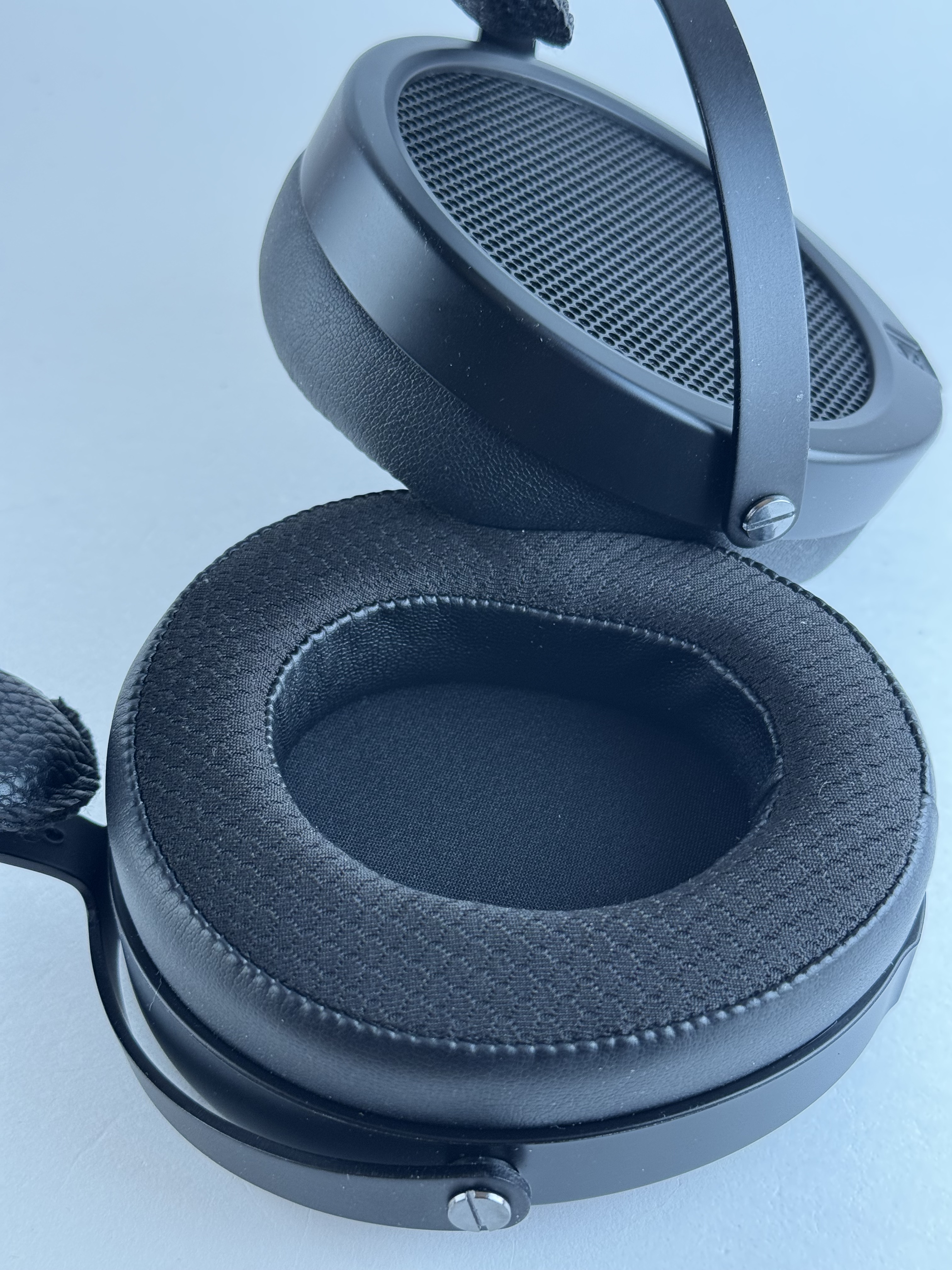
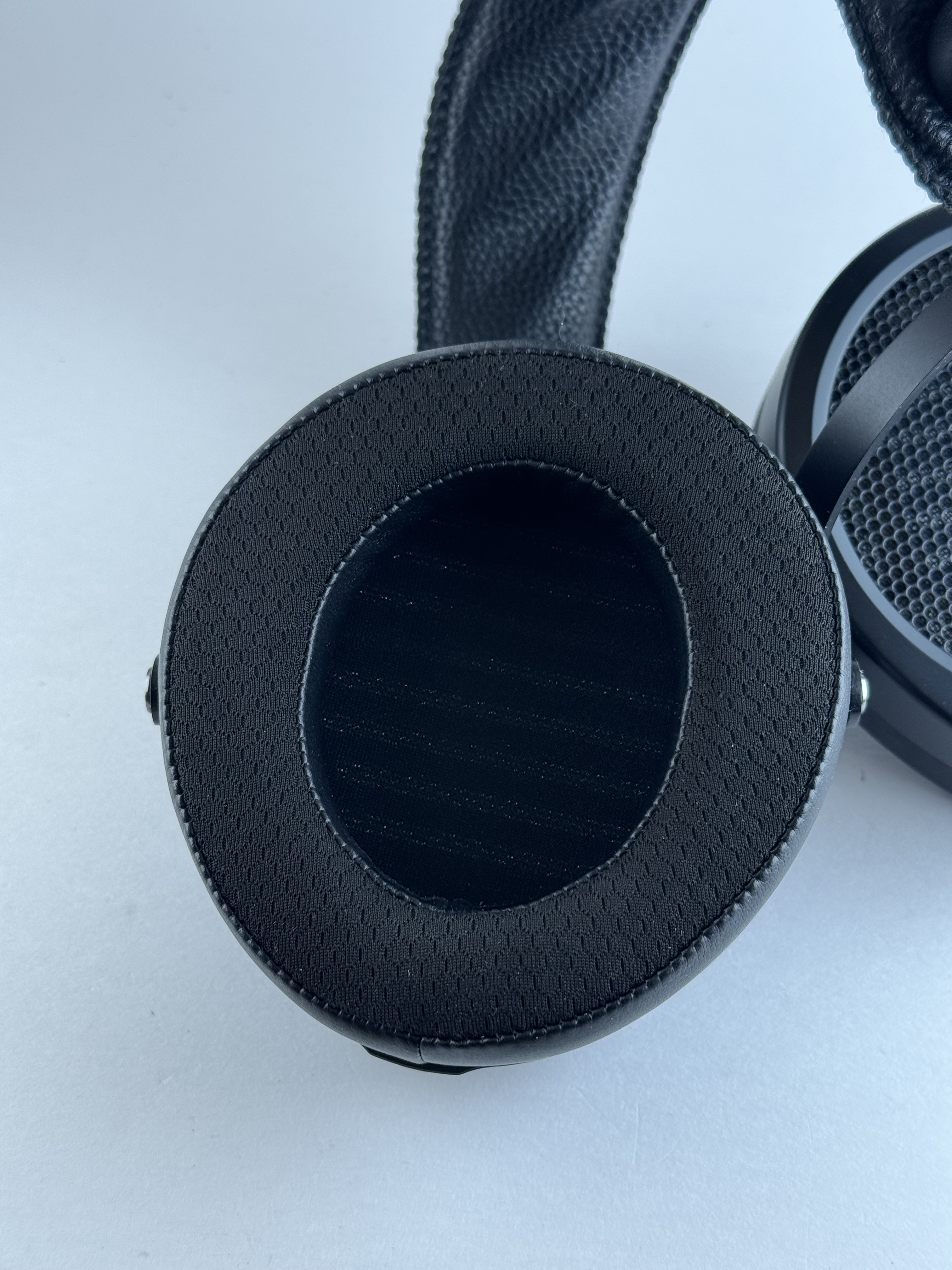
[Tl;dr: These are a decent headphone that can be made very good with straightforward EQ, and at a great price. A little light on bass, solid on mids, and surprisingly relaxed on treble for a Hifiman. I’d recommend them to anyone looking at dipping their toes in the planar market but that doesn’t want to spend $150 on a Sundara or $200 on an Edition XS/Fiio FT1 Pro.]
Cost-agnostic: 6 out of 10 Denalis
Cost-sensitive: 7 out of 10 Denalis
The Basics. The HE-5XX was an early collaboration from Hifiman and Drop. They’re old enough to have the OG Hifiman headband, and new enough to be a Drop-branded product instead of Massdrop-branded one. They’ve been out of production for several years, and with the demise of Drop.com it’s safe to say they’re a dead-end product. HOWEVER, they are apparently for all intents and purposes a re-badged Deva Wired, so … there you go. The 5XX are a relatively heavy headphone at 355 grams (without the cable), and aren’t particularly hard to drive at an impedance of 18 Ohms and a sensitivity of 93.5 dB/mW.
Technicalities. The 5XX are a reasonably well-resolving planar magnetic with better-than-average soundstage and separation, though both are slightly undercut by some slight timbral funkiness, with some guitar tones in particular sounding VERY metallic.
Sound. Out of the box, the 5XX are a perfectly acceptable, mainstream audiophile tune, though like most headphones they benefit from EQ. The bass is a bit light, though well-controlled, the mids are fine if a bit recessed, and the treble well-controlled but a hair recessed, particularly for a Hifiman headphone. They’re a decent tune as is, though once you add in a substantial bass shelf and tweak the mids/treble a little bit, they rise to being a very good headphone.
No one on Squig has an HE-5XX measurement, so here’s mine:
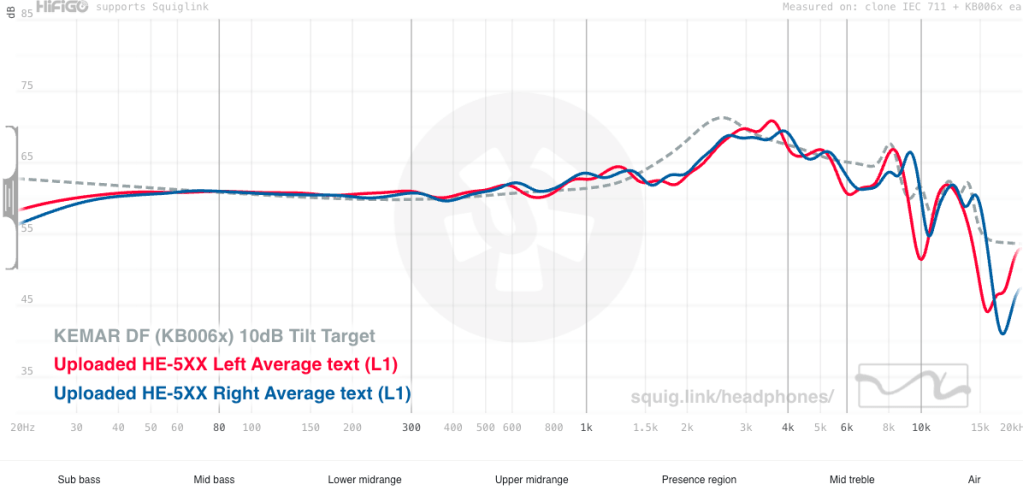
EQ. Start with Oratory1990’s settings here. I ended up turning Band 2 (overall bass) down to 4-4.5 dB just because they were a tiny bit bassy to my ear, but it’s a really nice, rich tuning as is. With this EQ, I consider these a very good tune.
Build. I personally like this style of Hifiman headband as long as I’m not wearing a hat with a squatchie. There’s nothing in this price range that’s going to be amazingly comfortable, but they’re perfectly adequate, and I find that they adjust well enough to get a good seal on my head. For what it’s worth, I also think these are a pretty handsome pair of headphones with minimal Cyberman risk, though your taste may easily vary.
Value/Comparisons. I’ll take these over the 400se/400i/HE-X4/etc. family and most headphones I’ve heard under the $150 price point (including the Sennheiser HD 560S I reviewed last week). However, if you can afford an extra $40-50, the really excellent Hifiman Sundara are a better headphone in pretty much every way (except maybe very slightly comfort17). Just for fun, here’s Sundara vs. the 5XX:
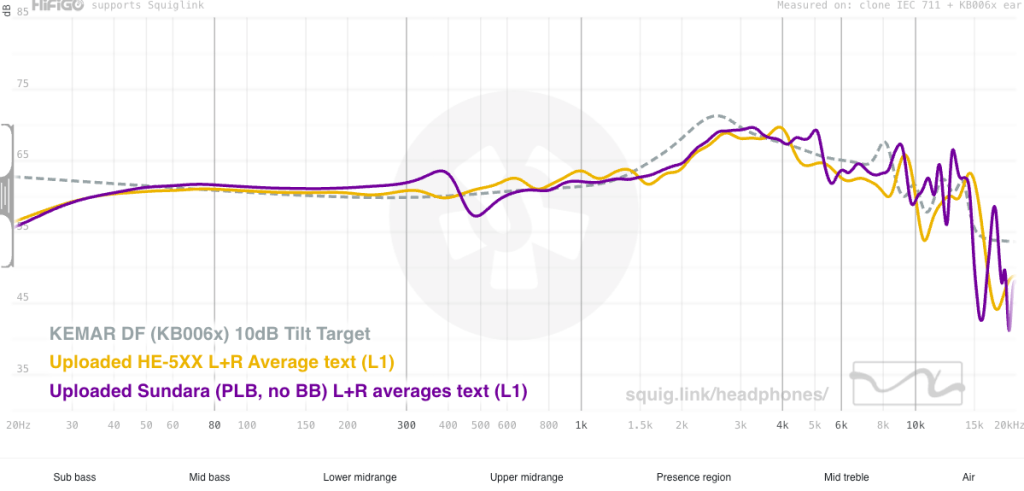
Again; not Super* Review’s measurements and any flaws are my own.
Overall. Overall, these are pretty decent headphones at their price point. They were a reasonable deal at their original $229, and if you can get a (well-functioning!) pair at $119 or below, they’re a great deal if you want to dip your toe in the planar market.
S
SHOKZ OpenRun SE
(Reviewed May 22, 2026. MSRP $129.95, currently available at Costco for $79.99 + tax. Paid $69.99 at Costco in February 2026.)
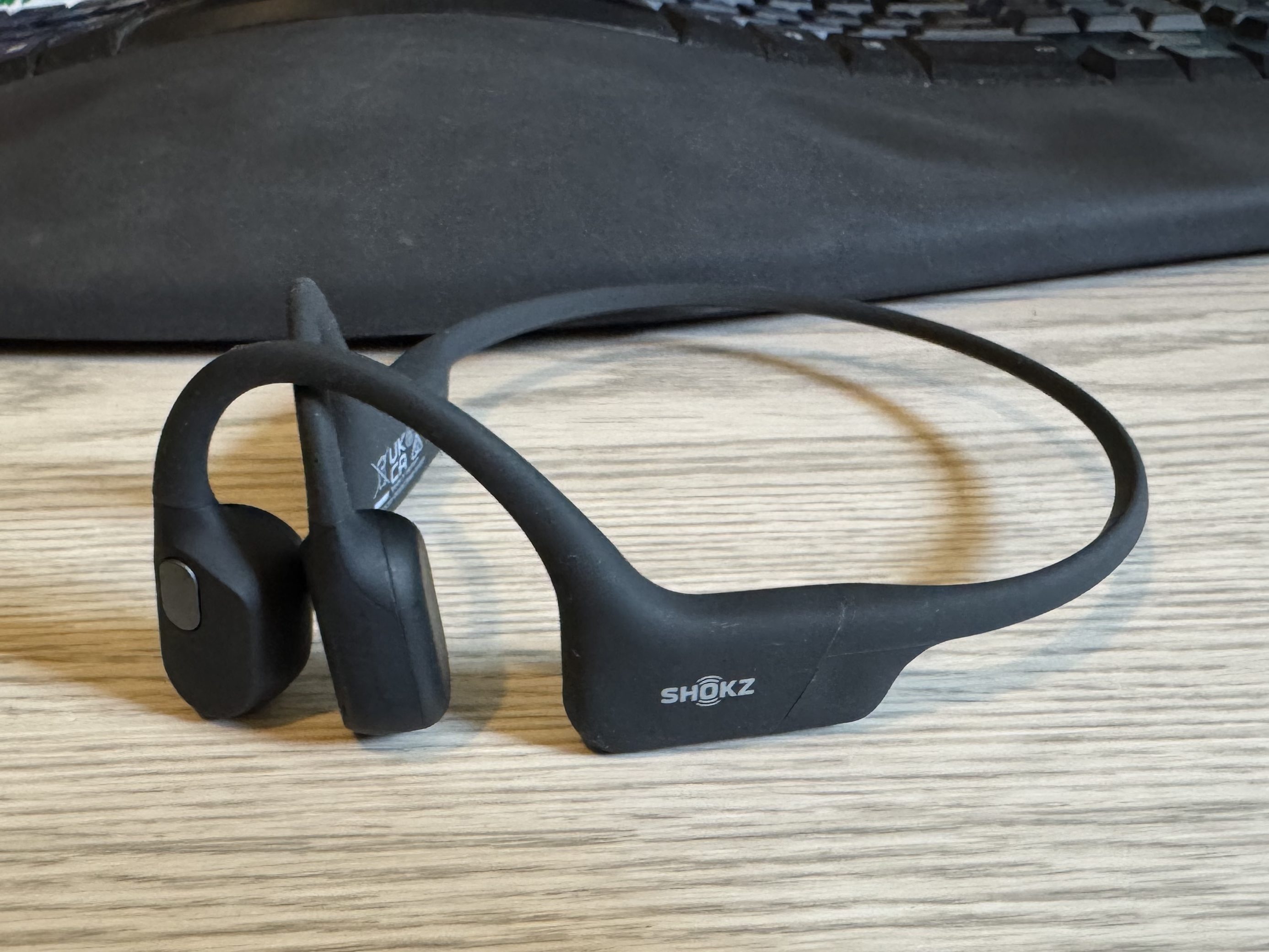
[Tl;dr: These are headphones designed for a very specific purpose, and that purpose doesn’t include particularly high fidelity sound. I know some people really like Shokz headphones … but I am just not one of them. You can do a lot better for a lot less, though if they fit your head better than mine I can understand why you might appreciate how open they are (and how inexpensive they are). For me …. I’m just not ever going to use them and they’re going back to Costco. Go with an open-back earbud, a true wireless with a good transparency mode (like the AirPods Pro 2 or 3), or even something like the Rayban Meta Wayfarers18 for better sound and functionality all around.]
Cost-agnostic: 2 out of 10 Denalis

Cost-sensitive: 2 out of 10 Denalis
The Basics. The SHOKZ OpenRun SE is an open-ear, bone conduction earphone. This means that the headphone armature sits AROUND your ear rather than on it, so in theory you get really amazing situational awareness of the world around you while still being able to hear your music/podcasts. In practice … well, to each their own. I bought these because I was asked by a colleague at the local Maker Space if I had ever reviewed a bone conduction headphone and then saw them at Costco the next day. I was definitely curious … but now I’m not.
I get why people like these for running or cycling, but for me personally I’m 1) not going to wear any headphones while cycling in traffic and 2) I have a whole lot of better options that give me situational awareness without compromising sound quality this much in the event that I decide to take Denali for a run.
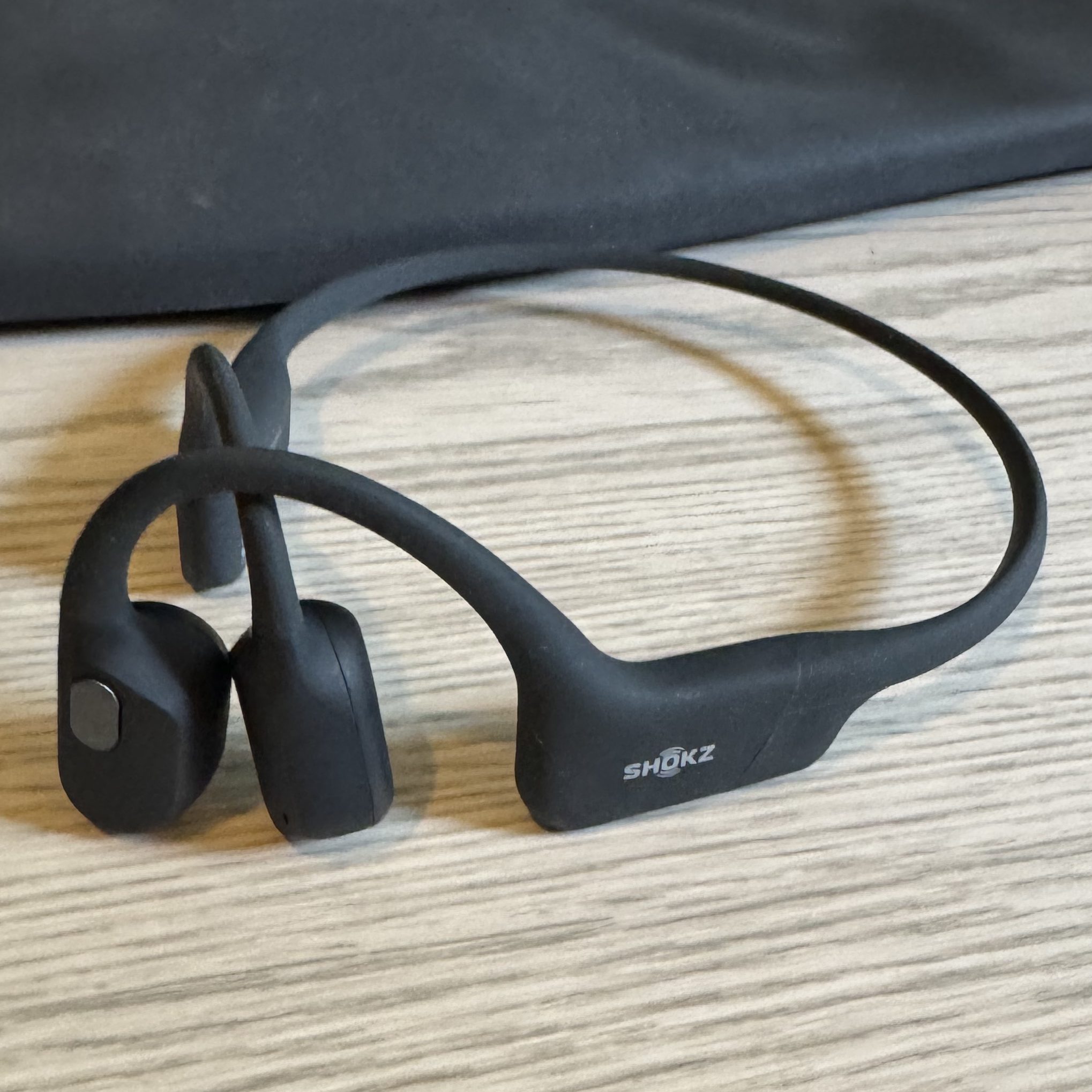
The OpenRun SE come with a cloth carrying pouch and their proprietary charging cable. While I don’t love proprietary cables, I do understand that USB-C is probably hard to make work in an IP7-rated device, though I’d prefer they had figured out how to seal a USB-C port rather than going with a sealed chassis and another cable to keep track of.
Technicalities. The OpenRun SE aren’t not a particularly competent pair of headphones from a music perspective. The soundstage is technically present but VERY intimate with very little in the way of layer separation or imaging; on a track like “Chan Chan” all of the instruments and vocalists are crammed into a single blob, with only a tiny bit of even right-left separation. Detail retrieval is, unsurprisingly, similarly mediocre; there’s a whole lot of information that’s just not there, particularly anything below 100 Hz. Timbre is unexpectedly competent in the midrange (particularly human vocals), but tinny and compressed in the treble and non-existent in the bass (a theme emerges!). Microdynamics are also surprisingly competent in the treble; on a track like “Angel (Blur Remix)” you get basically no bass bell tones but perfectly nice attack in the treble bell tones.
Sound. The bass is … almost non-existent with the OpenRun SE. On a track like “Paradise Circus,” you almost can’t tell when the bass line comes in. What little bass you do get (usually on the higher-frequency side of the mid bass range) seems perfectly fine, but it’s way too little and the rolloff is almost complete below 100 Hz or so. The midrange is really pretty competent, particularly in the human vocal range, though you get some weird artifacts towards the edges of the midrange, both in terms of relative volume and timbre. Treble is tinny and compressed sounding, but not particularly sharp despite that weirdness. It’s not uncomfortable or painful, just … odd.
Every once in a while I hit a track that sounded fine (weirdly, Sylvan Esso’s “Coffee” was one of them), and they’re fine for something like listening to NPR News or a podcast without a substantial music component, but I’m never going to choose to use a headphone like this to listen to music.
As far as I can tell, no one has measured the frequency response of this headphone which might be because you can’t measure bone conduction on a traditional headphone rig? Genuinely curious now.
EQ. I mean … I don’t think these can be fixed with all the EQ in the world; the bass is just non-existent and for the mids and the treble, the relative balance isn’t the issue.
Build. The OpenRun SE is built almost entirely out of a rubberized plastic/silicon-type material; the kind of material that I worry might turn sticky with age.22 I’m not going to keep these long enough to find out, but particularly for a product that’s likely to be exposed to skin oil, sweat, and the elements, I have concerns about long-term durability. They’re also really, really uncomfortable on my head; the band is short enough that it pulls on the hair on the back of my head when I look up or down, and it’s just long enough that it moves around on my head when I wear it. If it were shorter it might hold taught enough not to pull anything, and if it were longer it might be loose enough to not pull anything. It’s just right in that Goldilocks zone of uncomfortability.
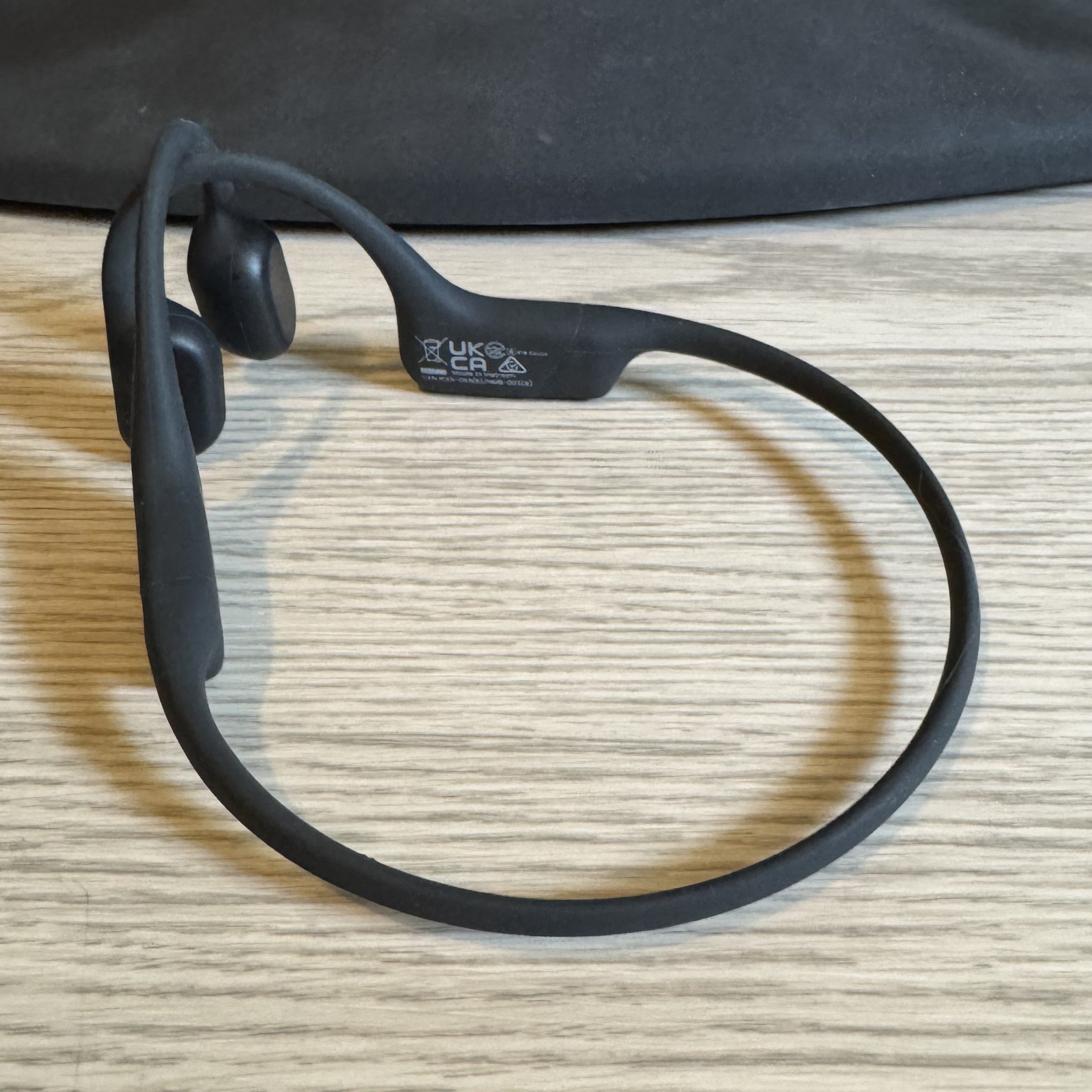
The controls also have one particularly annoying quirk: the on/off button is the same as the volume up button, and so turning them off requires raising the volume one click. And the volume jump on one click is pretty substantial, which means that you either take them off before turning them off (thus can’t hear the voice telling you that they’re turning off) or you listen louder than you want for a brief moment before power down. Dumb.
Beyond the controls, at least they’re nice and subtle and can be worn in public without the Cyberman problem.


Alternatives. For situations in which I want situational awareness, I would rather use a competently tuned pair of headphones or earbuds with a decent transparency mode or a decent open back. I mean, I don’t like the non-Pro version of the Apple Airpods, but I would take the AirPods 2 or 4 (ANC or no) over these, and either the Pro 2 or Pro 3 blow them out of the water. The Airpods 4 are sitting at a pretty similar price point, and the Pro 3 at $199 are well worth the upgrade in my every-so-humble opinion.
Beyond the AirPods, I’d rather listen to the Moondrop Space Travel ($25), the Soundcore A40 ($65), or hell, the old Bose Soundsport, or the free Earpods that come with Apple devices.23 Honestly, I would rather listen to the Rayban Meta Wayfarers if I really need my ears uncovered. I guess you could say … I’d rather wear my sunglasses at night than wear the OpenRun SE. [Worth noting that the Meta Wayfarers are a genuinely competent sounding pair of headphones, as much as I might have mocked people who wanted sunglasses with built in headphones in my tempestuous youth.]
Overall. I get that this is a headphone with a niche market appeal, but man … there are so many better options out there to fill this niche. These are bad headphones. As a lifestyle device … yeah, I still think they’re pretty bad, but I understand why some people might like them. Thus, a 2 overall and not a 1.
You can do better. You deserve better. And better can also be cheaper in this case.
T
Topping DX5 II
(Reviewed May 22, 2026. MSRP $299.99 currently available at Amazon for $299.99 + tax. Paid $299.99 on Amazon in December 2025.)
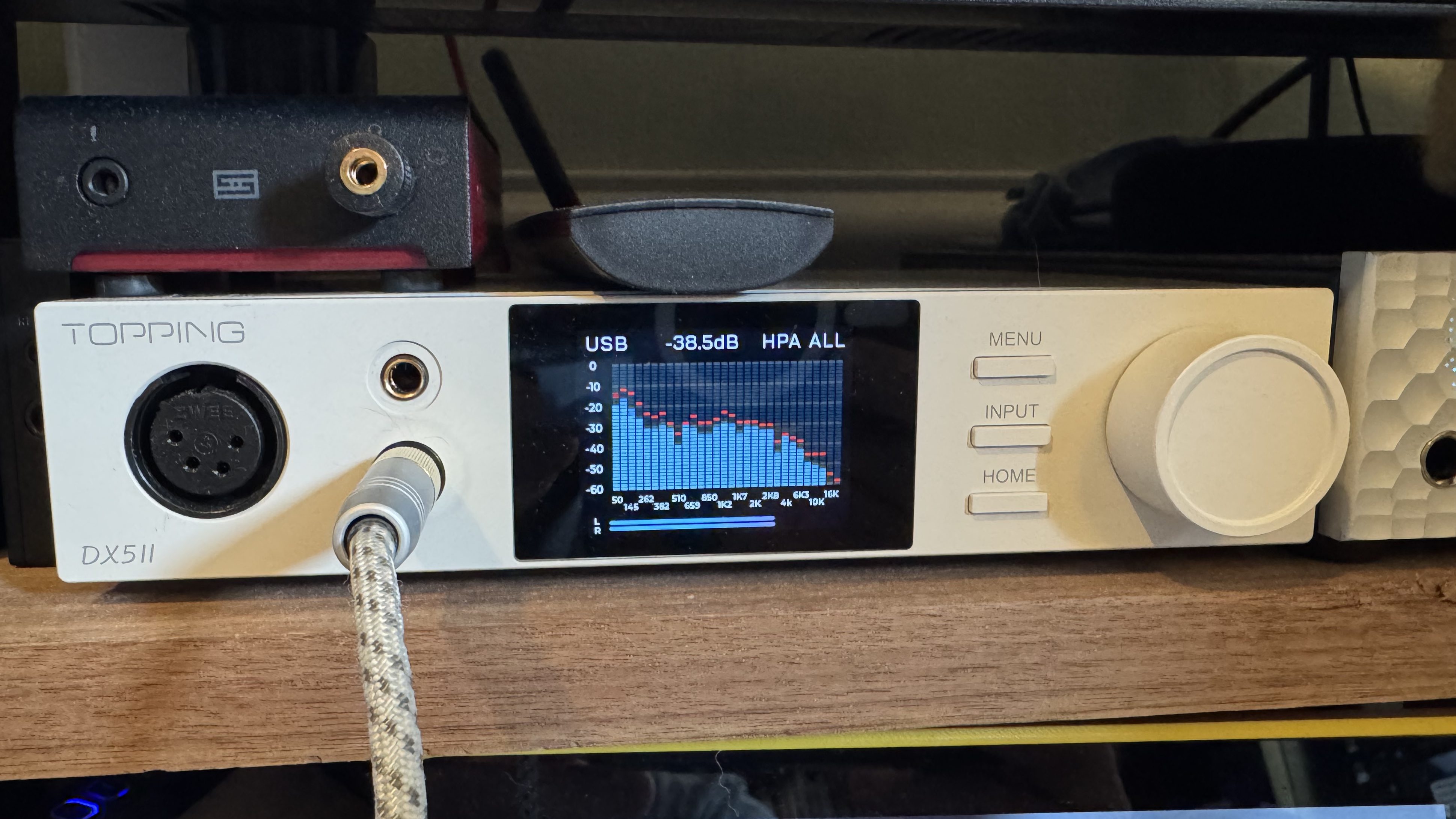
[Tl;dr: This is a really extraordinary unit, even at its price. $299 isn’t nothing in the world of DACs/amps, but what you get for that money is quite the value proposition. Between the variety of digital inputs, analog outputs, and configurability, plus the powerful 11-band parametric EQ with the ability to save up to five profiles to the device, the Topping DX5 II has displaced most of the source gear on my desk. The few things that I use more are MUCH more expensive, which speaks to the quality of life of this device. Add a competent streamer for a hundred bucks and you’ve got potentially an endgame setup for digital music for almost any headphone on the market. Add a pair of decent active speakers and you have a potentially endgame near field speaker system too, or a decent power amp and passive speakers and you could be set for quite a long time.
I commend the DX5 II to your attention.]
Scores:
Cost-agnostic: 8 out of 10 Denalis

Cost-sensitive: 8 out of 10 Denalis
The Basics. The Topping DX5 II is a solid state DAC/amplifier unit from audio manufacturer Topping. It’s the successor to the DX5, a well regarded release from the early 2020s. It’s a balanced-capable unit, with a variety of inputs and outputs and a relatively sophisticated EQ-via-software-suite that does require a computer connected via USB to use. It cannot be used as a pure headphone amplifier, accepting only digital inputs, but can serve as a pre-amp for speakers or a DAC feeding a separate amplifier unit.
- Inputs: USB 2.0 Type B (aka a printer cable), optical SPDIF, coaxial SPDIF, and Bluetooth
- Outputs:
- Front: XLR (balanced), 4.4 mm Petaconn (balanced), 6.35 mm (single-ended)
- Back: XLR (balanced), RCA (single-ended)
- Package Contents: remote control, cables, 3.5 mm to 6.35 mm adapter, power cable, Bluetooth antenna, and manual
The outputs are not all independently selectable; clicking the volume dial toggles between: LO ALL (both line outs active, no headphones active), LO SE (only RCA out active), LO BAL (only XLR on the back panel active), HPA SE (just the 6.35 mm jack active), HPA BAL (just the XLR and 4.4 mm jacks active), HPA ALL (all three headphone jacks active), or ALL (all three headphone jacks and both line outs active). In the menu on the unit, you can toggle which of these modes can be activated:
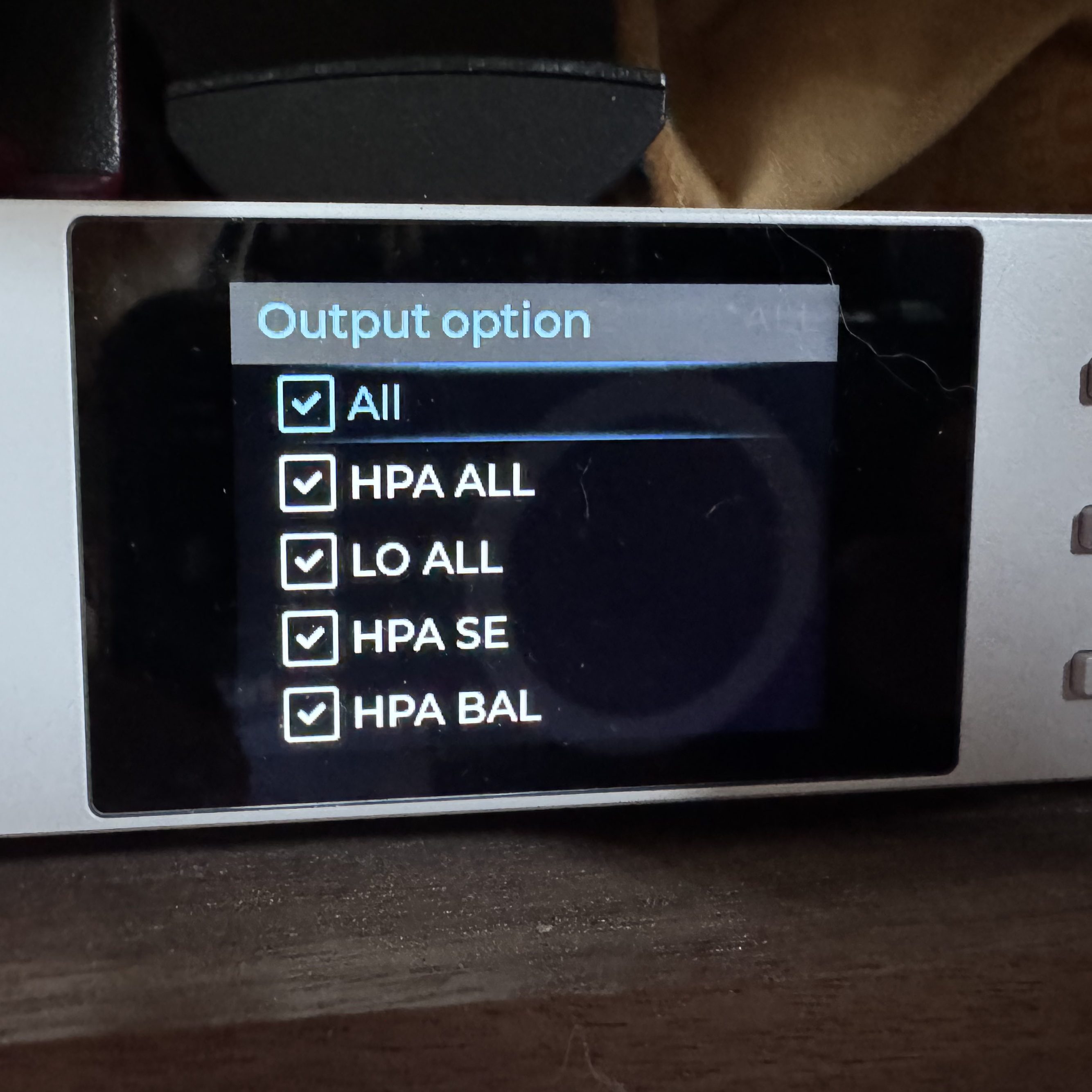
You can also set the line outs to either preamp (volume attenuated by the volume dial) or DAC mode (set at line levels and unaffected by the volume dial).
The one thing I do wish the DX5 II had is an RCA input, particularly a phono-capable one. I’d love to be able to use this as a universal pre-amp for a speaker and turntable system, but I suppose a $300 unit had to have SOME tradeoffs.24
Features. The DX5 II is a very competent DAC and amplifier, providing enough power for most (if not all) headphones on the market, particularly balanced and in high-gain mode.
Screen. The DX5 II has a 2.5″ x 1.5″ LCD screen which manages both the menus and the visualizer. Unlike something like the Brooklyn Bridge, the screen is on anytime that the amplifier is. I’m curious to see how well it holds up to being on so much of the time; I’m frankly bad at remembering to turn it off, and it doesn’t turn itself off when the computer it’s attached to shuts down. The screen can be set at low, medium, or high brightness, or set to auto based on the light level.
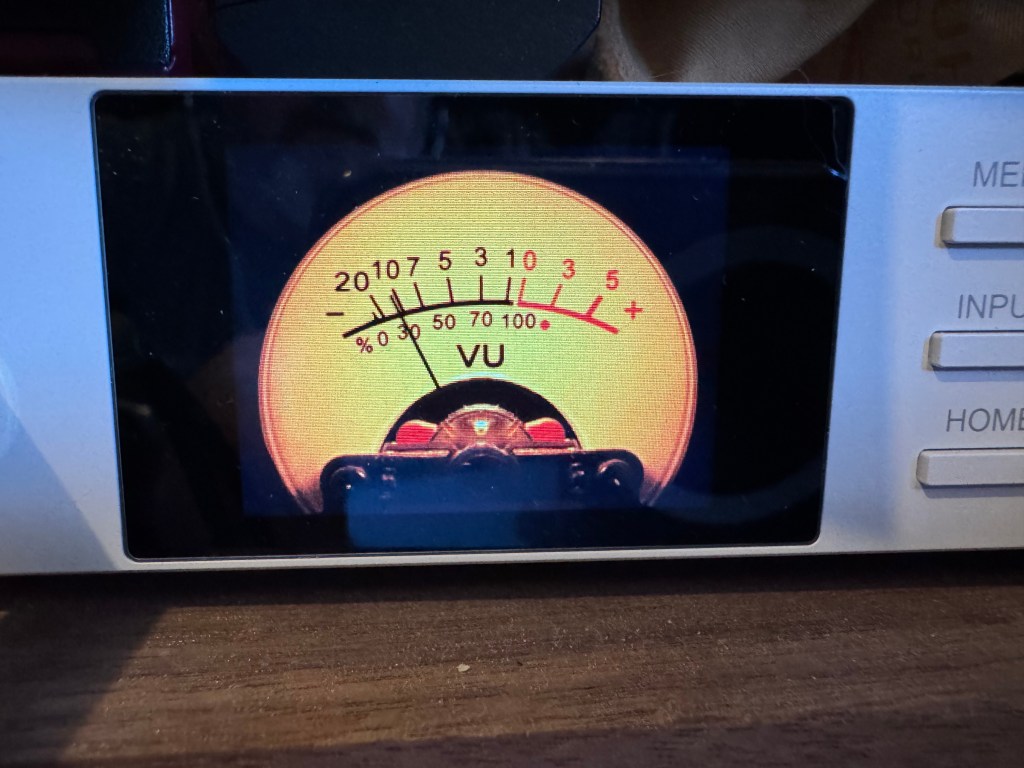
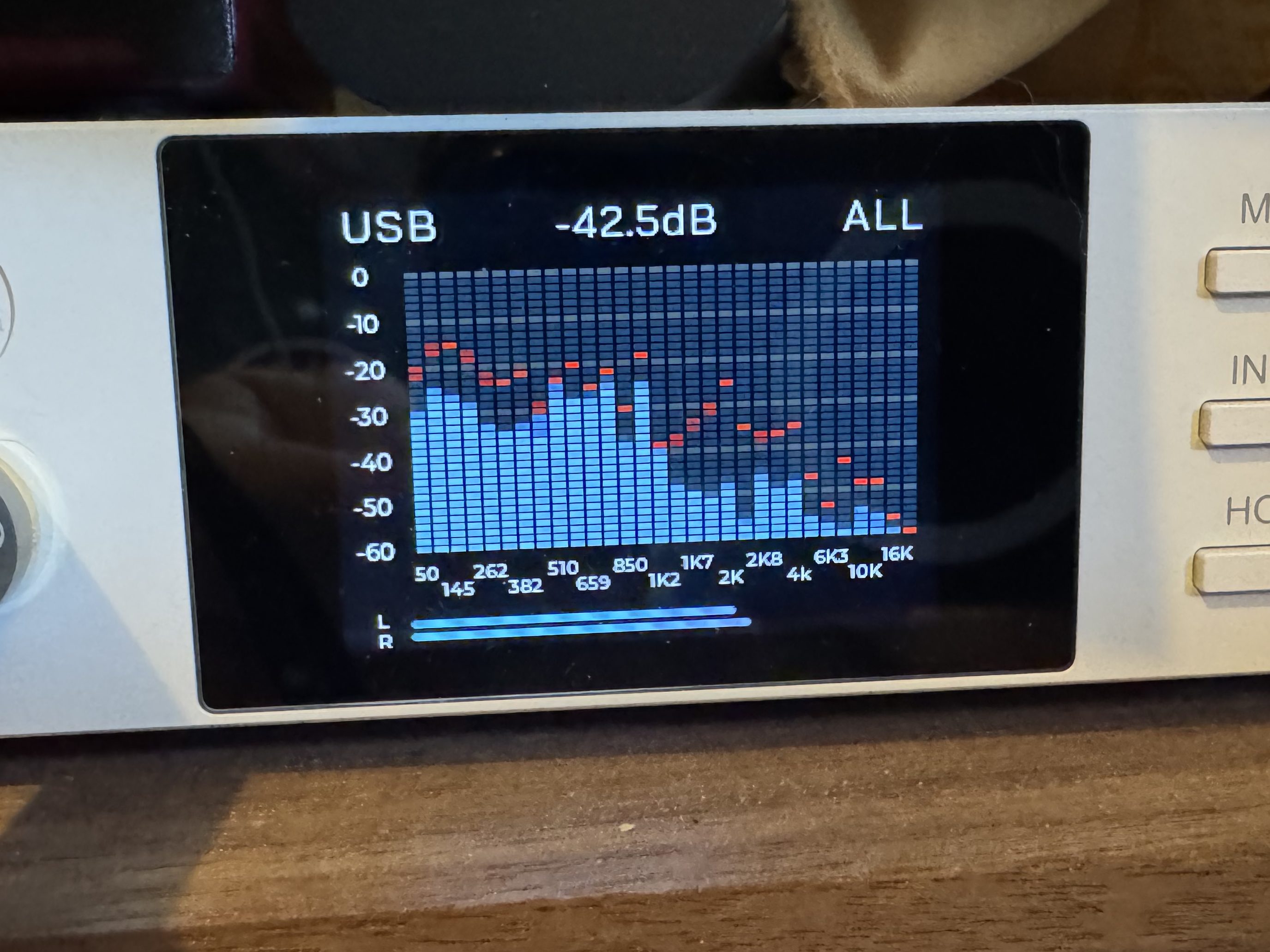
Visualizer. I’m a geriatic millenial who grew up in a house with old-school receivers with knobs and dials and then learned to love music in the era of WinAmp and its plethora of visualizers, so I have a real sense of nostalgia for the era in which you could watch needles dancing along with the music. I’ll freely admit that a disproportionate part of what I love about the DX5 II is that it gives you a couple of options for visualizers on the little front-facing screen. I kind of hope they add more via software update!
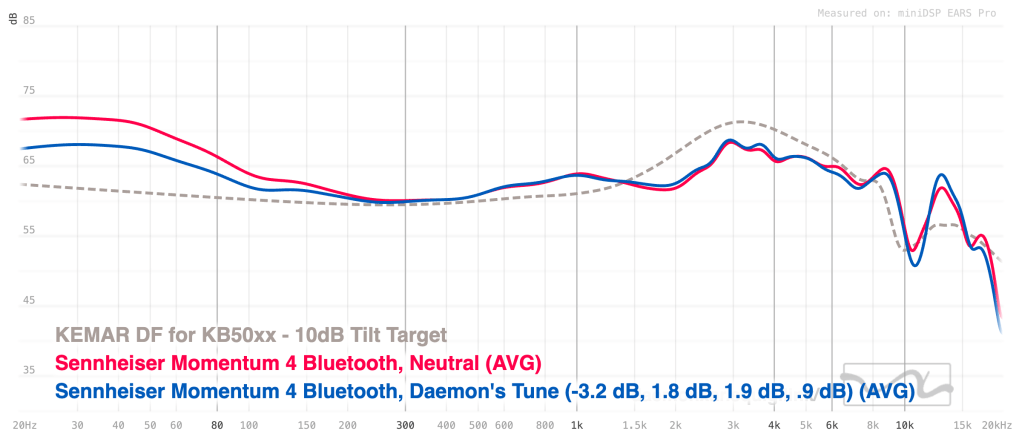
EQ. The DX5 II has a pretty sophisticated EQ tool available via Topping Tune, an app for both MacOS and Windows. It’s a parametric, though it appears to be limited to eleven bands. You can save up to five EQ profiles locally on the device, allowing you to swap easily on the unit without having to connect to a computer. It’s pretty great; while I mostly use Roon to apply EQ at the music server level for my regular listening, I have appreciated the ability to apply EQ and measure it in Room EQ Wizard in order to measure headphones out-of-the-box vs. with a particular EQ profile. See, e.g.25:
Sound. The DX5 II is a modern, competent DAC and amplifier unit, meaning that at least to my ears and with the headphone I’ve tested on it, it’s basically transparent and imparts little or no coloration on sound.
The DX5 II also seems to scale pretty well; it sounds good with everything from pretty inexpensive headphones like the Hifiman HE 400se all the way up to my beloved Meze Empyrean IIs. I’ve not noticed any difference between any of the outputs either, as one might have hoped.
Build. I only really have one complaint about the physical design of the DX5 II, and it’s that the power switch is deeply awkward to get to on the back of the unit. At least it’s tucked against the left edge of the unit (looking at it from the front) so it’s not as bad as most Schiit gear, and you can always soft-power down the unit by pressing and holding the volume dial on the front.26 I personally prefer the look of the black unit, but the white one was the only one in stock when I ordered and it’s nice.
The remote is perfectly serviceable, and has a couple of nifty customizable features. The left button swaps inputs in order from USB –> Optical –> Coaxial –> Bluetooth and the right button toggles through outputs: ALL –> HPA ALL –> LO ALL.. The A & B buttons are customizable, but only in the unit’s menu. By default A swaps through the five saved EQ profiles and B swaps between high and low gain. C1 and C2 are the more interesting buttons; they let you save two presets (you save a preset by pressing and holding C1 or C2; that saves the current configuration so that pressing and releasing that configuration button returns to those settings27). I’m not using this unit as a pre-amp for speakers, but if I were it would be extraordinarily helpful to be able to have one configuration for headphone listening and one for speaker listening and be able to swap with the press of a single button.
Alternatives. Honestly, while there are a lot of all-in-one units or stacks in this general price range (Apos Gremlin/Druid R2R, Schiit Modi/Magni, Topping E30II/L30II, etc.), very little competes with it in terms of feature set. Even some substantially more expensive stacks are a little lacking in the feature set; as much as I like the Mimir/Jotunheim 2 set at $850, it lacks full parametric EQ and a remote (though you can use Forkbeard to accomplish some of the same things) and doesn’t sound any better to my ears.
Overall. My general belief is that outside of a very select few options, a competent modern DAC or amp is basically interchangeable with any other competent, modern DAC or amp and you should buy them for quality of life, not quality of sound. The DX5 II has a really premium quality of life at a less-than-premium cost. The DX5 II is so good, in fact, that I find myself almost never using any of the options in my office except some that are MUCH more expensive.
My philosophy on headfi is that you generally should spend about half as much on your amp as you did on your headphone, about a third as much on the DAC, which would suggest that you shouldn’t get this unit until you have a pair of headphones worth $300-400; this unit MIGHT be the exception, as it’s so capable the quality of life improvements it brings might be enough to make it worth bending that rule. Particularly if you don’t have a good, consistent way to apply EQ to your headphones/speakers.
If I were Topping’s CEO for a day, I’d make three changes to the DX5 II that would make it basically perfect for my uses: 1) add a (phono-capable) RCA input, 2) add a streaming module, and 3) make it Roon Ready. But then I’d have made a Mytek Brooklyn Bridge or Matrix Element i, and I’d have to charge a lot more for it. As it is, I’ll take the DX5 II for $300.
Topping E30/L30 Stack (2024 versions)
(Reviewed June 11, 2026. Original MSRP around $130/130. E30II and L30II currently available at Amazon for $149 each + tax. Paid $120 on r/AVexchange in March 2025.)
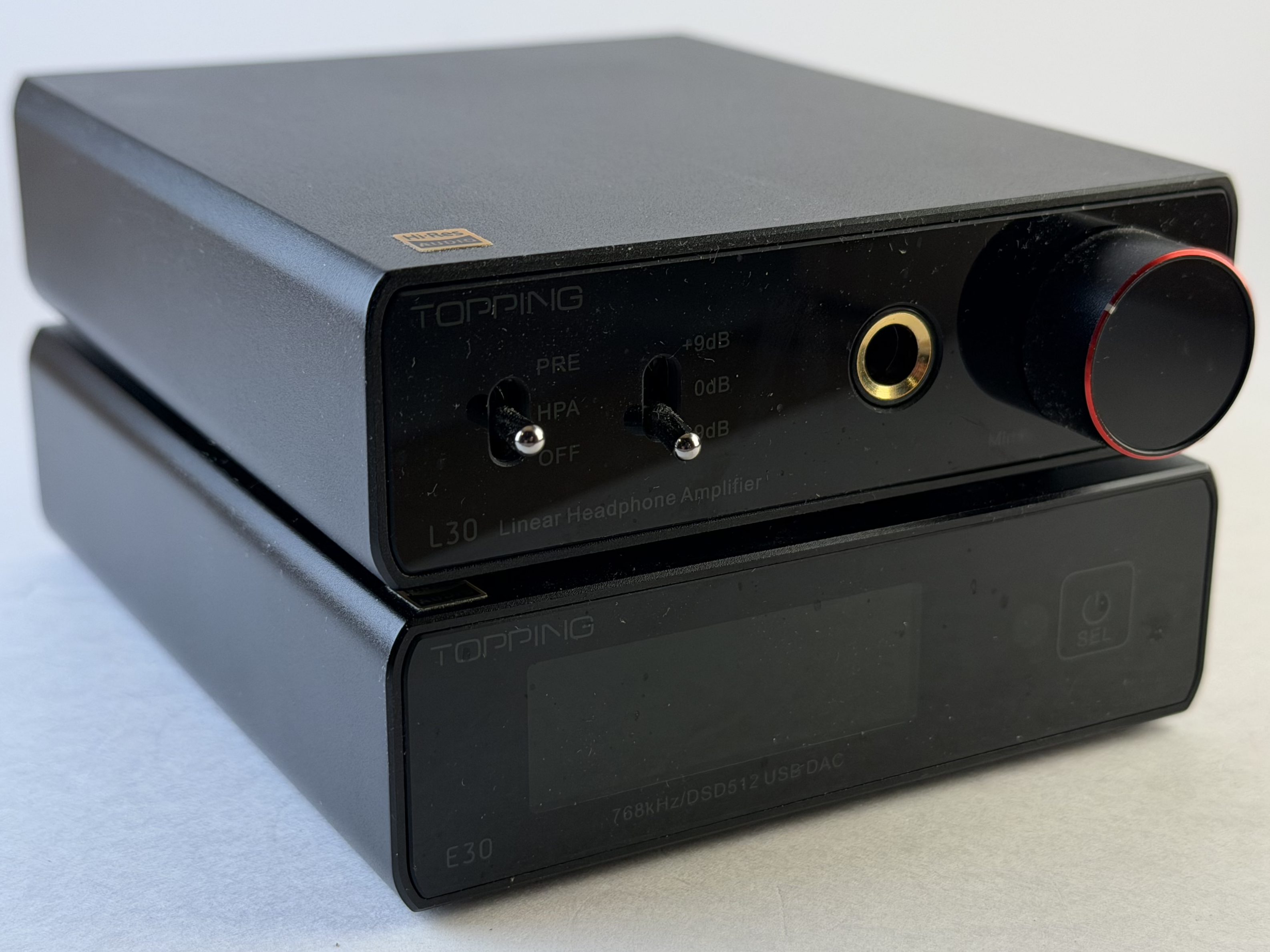
[Tl;dr: The Topping E30/L30 stack is a great introductory DAC/amp stack, offering really clean, transparent sound and a relatively rich feature set for a perfectly reasonable price. They measure really well and were the darlings of ASR when they released, though I’m not personally convinced that very much of that is audible in a volume-matched, blind test. I consider them perfectly interchangeable with any competent products in the same general price tier, and I recommend them if you’re in the market for a power upgrade from a dongle. Just don’t expect a mind-blowing change in your sound. ]
Scores:
Cost-agnostic: 5 out of 10 Denalis

Cost-sensitive: 6 out of 10 Denalis

The Basics. The E30 and L30 were Topping’s entry-level, wired-only solid-state DAC and headphone amplifier in around 2020; they were replaced in mid-2022 by the E30II and L30II respectively after an AKM chip shortage.
Both are built into a relatively small, machined aluminum chassis, with rubber feet and pretty standard looking/feeling connectors and components. Solid, not amazing.
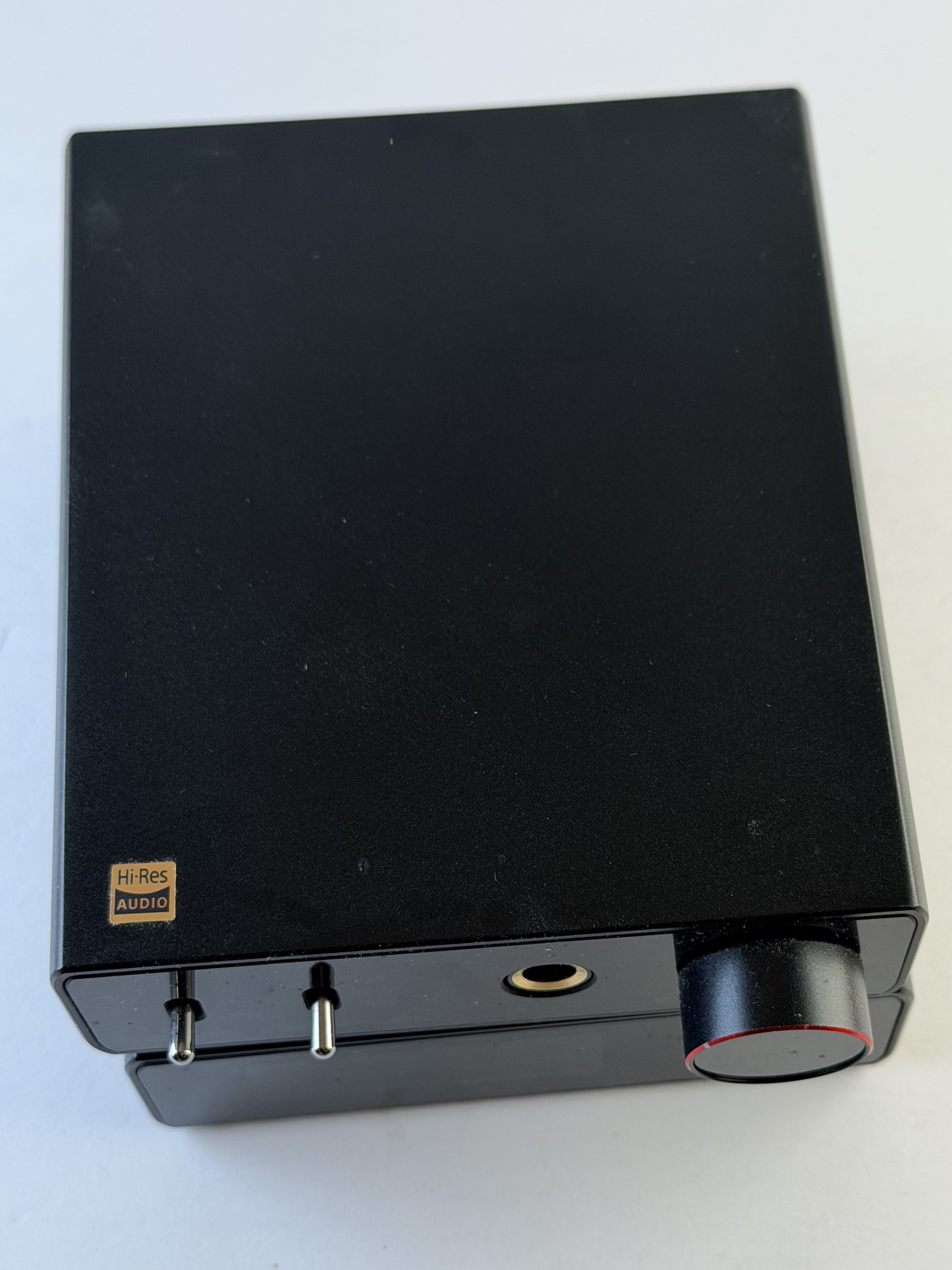
The E30 (DAC):
- Inputs: USB 2.0 Type B (aka a printer cable), optical SPDIF, and coaxial SPDIF
- Outputs: RCA
- Package contents28: E30 unit, remote control and power cable
The E30’s remote lets you swap inputs and mute the unit, but not control the volume. The E30 also has a simple display which shows the current sampling rate and conversion method (PCM or native/DOP DSD). [Reviewers note: please note the lack of Bluetooth; I consider this a feature, but some may call it an omission.]
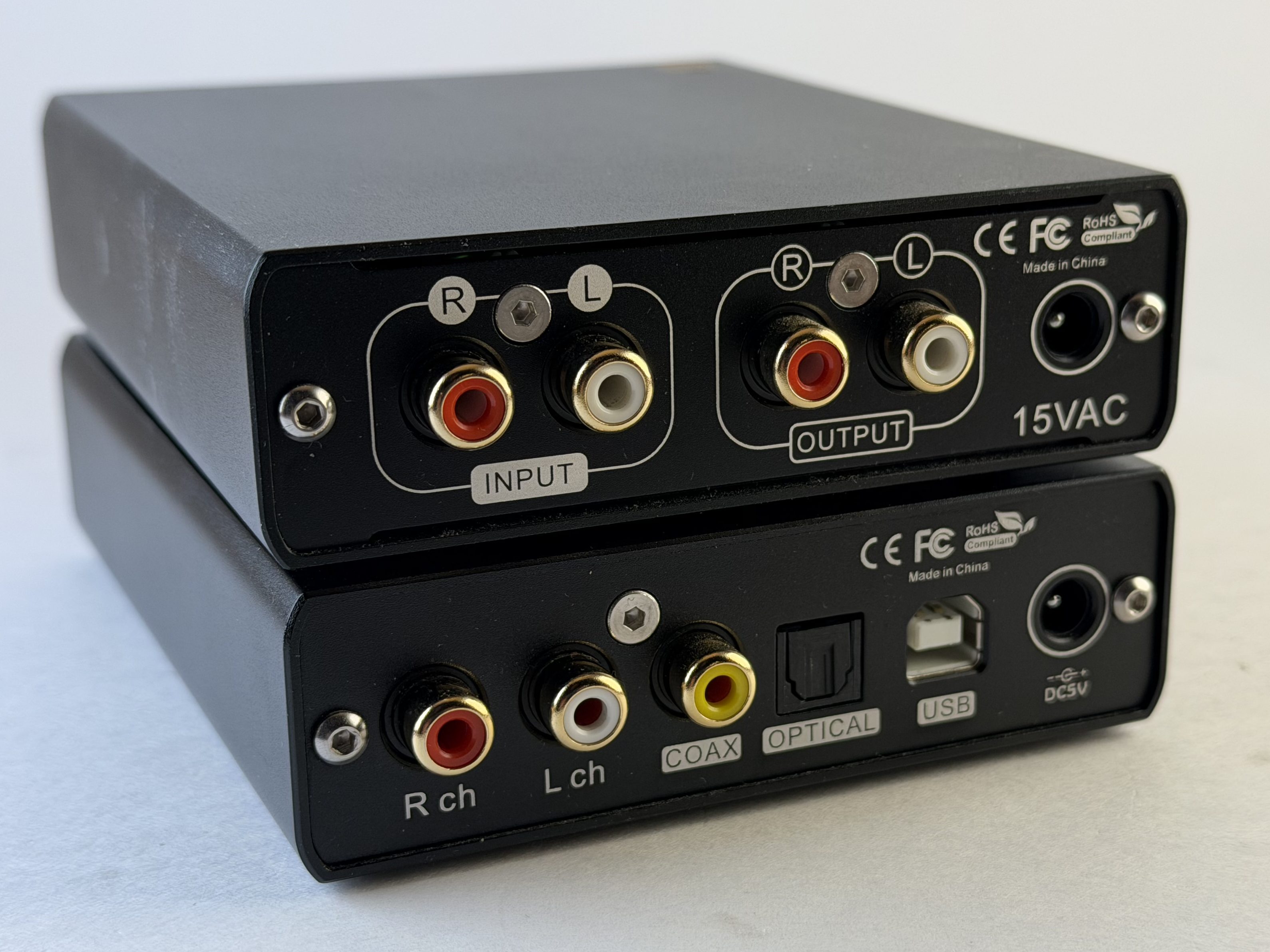
The L30 (headphone amplifier):
- Inputs: RCA
- Outputs: RCA, 6.35 mm headphone jack
- Package contents: L30 unit, wall wart/power cable
The L30 offers two switches and a volume dial on the front of the unit, along with the 6.35 mm headphone jack. The left switch has three settings: off (bottom), “HPA” aka headphone output mode (middle) and “PRE” aka pre-amp mode (top) with the RCA line outs on the back of the unit active and volume attenuated. The right switch is gain settings, with three options: -9 dB, +0 dB, and +9 dB.
[Warning: Some early production units of the L30 had an issue with shorting and damaging headphones when inserting cables with the unit turned on. It sounds like Topping resolved that issue pretty quickly, but something to keep in mind on the used market. I personally prefer to turn off most of my amps before inserting/removing cables, unless I know they have a safety cutoff. Your mileage may vary.]
Features. The E30 is a pretty capable DAC, accepting up to 768 kHz, 32 bit signals via USB and 768 kHz, 24-bit signals via optical/coxial SPDIF. I’m not a DAC measurements guy, but I’ll point you to Amir at ASR, who is, and who was mostly pleased by the E30’s performance. The remote is a perfectly competent remote, though not all of the buttons appear to be mapped to actual controls with the E30 (the remote looks similar to the one that ships with higher end Topping units).
The L30 is a powerful little unit, with an advertised 2.3 W into 32 Ohms. Anecdotally, the only headphone I struggled to drive with it was the HE6se v2, and even that was mostly fine. I very rarely got above the middle gain (+0 dB), and did an awful lot of my listening in the lowest gain mode (-9 dB). It’s quiet and clean enough that I could even use it with some reasonably sensitive IEMs over the last year without audible issues.
I do wish that the remote worked for both the DAC and amp, but they are separate products and as far as I can tell, the the L30 doesn’t have a remote sensor.
Sound. The E30 and L30 are a modern, competent DAC and amplifier stack, meaning that at least to my ears and with the headphone I’ve tested on it, it’s basically transparent and imparts little or no coloration on sound. Which is what you want! I did a fair amount of blind and volume-matched testing against the Schiit Modi/Magni, Moondrop Dawn Pro, Dragonfly Red, and Apple dongle a year ago, and I couldn’t pick any of them out with any kind of consistency. Your experience is your own, but I think these products are all more similar than different (and a lot of them use the same handful of chips, too).
The E30/L30 seem to scale pretty well too; I wouldn’t necessarily use it with anything that’s super hard to drive, but they sound pretty good with pretty much everything else, up to and including the Meze Empyrean II. They also do fine with sensitive IEMs like the Campfire Holocene in the lowest gain (-9 dB) mode.
Build. Like the DX5 II, I don’t have much in the way of complaints about the physical design of the E30/L30. I guess if I had to pick a couple, it would be that I’d like a physical power switch on the front of the E30 (though Schiit has broken me of that being a requirement for a DAC/amp) and I wish the L30 could be programmed to accept input from the E30’s remote. It’s pretty rare that I need a remote for a headphone amplifier, but if someone were using this as a pre-amp and volume control in a larger system it’d be convenient.
Alternatives. Honestly, I think Topping has kind of undercut themselves with the DX5 II; that’s such a competent, powerful unit that I can’t imagine a situation where I’d want either these or the second generation E30II/L30II in lieu of it. As much as I like separates in the abstract, the DX5 II is just a great value, and I’d rather have the ten-band parametric EQ (storable on the device), balanced outputs, more granular control, display, and visualizer.29
Compared to the rest of the intro stacks in this general price range (Schiit Modi/Magni, JDS Atom DAC/amp, etc.) … they’re all about the same in terms of quality. Pick the one that you like the looks and features of. I am a pretty big fan of a lot of Schiit’s products and recommend them to folks living in the US, but I’m relatively certain that any differences you can hear between them volume-matched and blind will be minimal, if they exist at all.
Overall. My general belief is that outside of a very select few options, any competent modern DAC or amp is basically interchangeable with any other competent, modern DAC or amp and you should buy them for quality of life, not quality of sound. This is as true of the E30/L30 as anything else; they’re a perfectly nice, competent product that don’t stand out from the pack and that’s totally fine.
If you’re struggling to get enough volume out of your headphone with a dongle, or you want to add powered monitors to your listening system and want volume-controlled line outs, this is a great option. Just don’t expect much of an audible change, unless you’re coming from a pretty bad PC motherboard’s audio jacks.
- Reasonably certain I won’t. ↩︎
- Yay for 18th century economics! ↩︎
- I score bass, mids, and treble on a two part scale: 1-5 for quantity (5 being the highest), and A-E for quality (A being best in class, E being laughably bad). For soundstage it’s also a two part scale, with the number representing the width and the letter the separation within it. ↩︎
- For comfort/fit, my scale is A-E with A being disappear entirely into the background and E being I want to tear my ears off to stop feeling these headphones on my head. I’ve had one E: the Koss PortaPro. ↩︎
- These remind me a lot of the 6XX that way; if you’re going back and forth between the K701 and something else, they do sound a little bass light, but after five or ten minutes I find myself thinking “wow, this is really good bass!” ↩︎
- At least according to The Hangout; CammyFi shows a little more variation though that may be pad wear. ↩︎
- I score bass, mids, and treble on a two part scale: 1-5 for quantity (5 being the highest), and A-E for quality (A being best in class, E being laughably bad). For soundstage it’s also a two part scale, with the number representing the width and the letter the separation within it. ↩︎
- For comfort/fit, my scale is A-E with A being disappear entirely into the background and E being I want to tear my ears off to stop feeling these headphones on my head. I’ve had one E: the Koss PortaPro. ↩︎
- The soundstage is so damned weird. Things are nicely separated in space, but also a lot of things are pretty far behind you which is just … odd. ↩︎
- Note; diffuse field ISN’T a headphone tuning target, it’s a calibration for microphones that we use to measure headphones. ↩︎
- Ish. Very ish. ↩︎
- At the tail end of my Hifiman saga, they offered me a pair of Audivina in exchange for my Sundara Closed and HE-4X that they’d screwed up returns/repairs on. They’d already issued the refund (after months of waiting), so they just sold them to me for $160. See, e.g., this. ↩︎
- I score bass, mids, and treble on a two part scale: 1-5 for quantity (5 being the highest), and A-E for quality (A being best in class, E being laughably bad). For soundstage it’s also a two part scale, with the number representing the width and the letter the separation within it. ↩︎
- For comfort/fit, my scale is A-E with A being disappear entirely into the background and E being I want to tear my ears off to stop feeling these headphones on my head. I’ve had one E: the Koss PortaPro. ↩︎
- Okay, okay, the magnitude of the roller coaster is different: the Tea Cups (Edition XV) vs. Big Thunder Mountain (Audivina), but I stand by the analogy. ↩︎
- Buyer beware when it comes to buying straight from Hifiman. ↩︎
- Despite having a suspension strap, the design of the Sundara’s headband makes it harder for me to get a good weight distribution between the strap and the ear cups. As always, your mileage may vary. ↩︎
- Though dear god, DO NOT BUY DIRECTLY FROM META. Worst customer service experience of my life; makes Hifiman seem warm and fluffy. ↩︎
- I score bass, mids, and treble on a two part scale: 1-5 for quantity (5 being the highest), and A-E for quality (A being best in class, E being laughably bad). For soundstage it’s also a two part scale, with the number representing the width and the letter the separation within it. ↩︎
- For comfort/fit, my scale is A-E with A being disappear entirely into the background and E being I want to tear my ears off to stop feeling these headphones on my head. I’ve had one E: the Koss PortaPro. ↩︎
- The soundstage is so damned weird. Things are nicely separated in space, but also a lot of things are pretty far behind you which is just … odd. ↩︎
- Why do manufacturers use that material? It’s so gross to go to pick up a speaker or an amp and have your hands come away coated in stickiness. It’s particularly gross because it’s so hard to clean off! ↩︎
- And that’s saying something; the old 3.5 mm Earpods from the iPod days were great little headphones but the modern USB-C ones are pretty bad. ↩︎
- My Devialet super-integrated amp has this really clever system where a couple of RCA-type posts can be used interchangeably as paired for RCA out, paired for RCA in, or separately as two Coaxial SPDIF inputs or outputs, but we probably ought not to expect features from a $6,500 amplifier in a sub $300 one. ↩︎
- Yes, I know I can do this via the Sennheiser app. I was curious how good the EQ was in it, and the answer is … pretty good. I can also use this to measure EQ effects on non-active headphones just as soon as I get my measurement rig back from Mini-DSP. ↩︎
- I generally hard power my source gear if I’m leaving for a few days, but it’s not that big a deal. ↩︎
- It’s worth noting that this includes the filter settings; I had swapped from F-1 to F-5 as part of my Hifiman Edition XV review to adjust some of the treble sharpness I was getting, and it turns out hitting C1 during this review swapped back. A thing I discovered while reviewing the Meze 99 Classics v2. ↩︎
- I didn’t get the original packaging, but based on my understanding, these are the original package contents. ↩︎
- Man, that’s a feature packed product. ↩︎

