
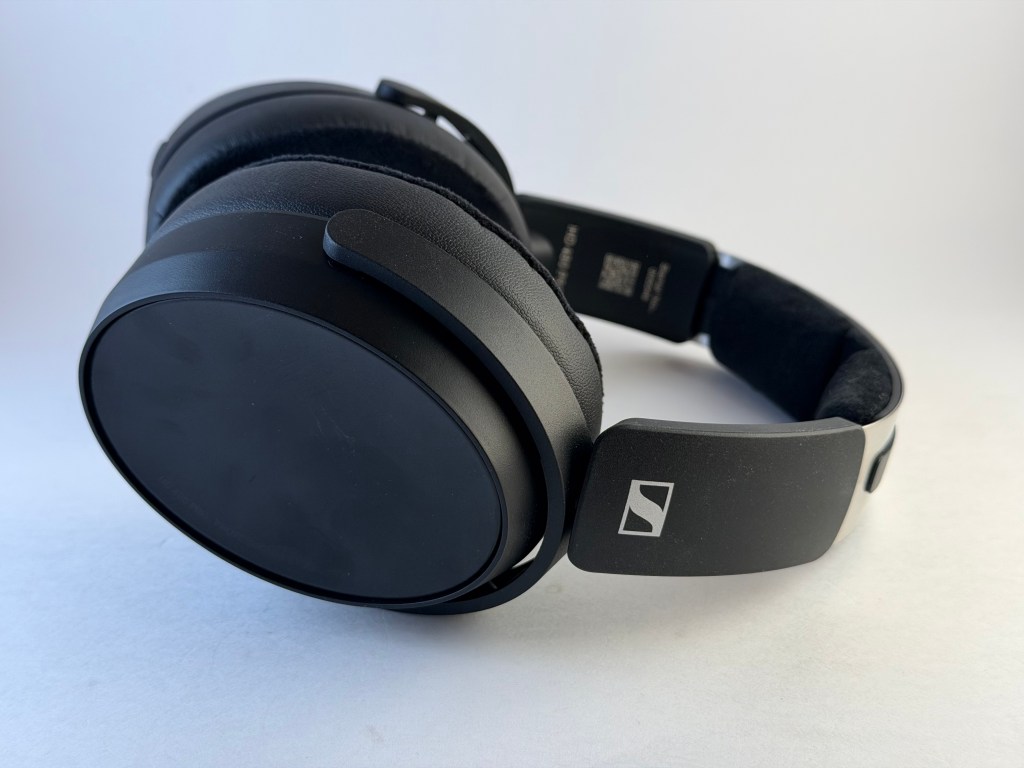
[ORIGINAL MSRP $399. Currently available at MSRP new from Amazon in July 2026. Purchased new from Amazon in April 2026.]
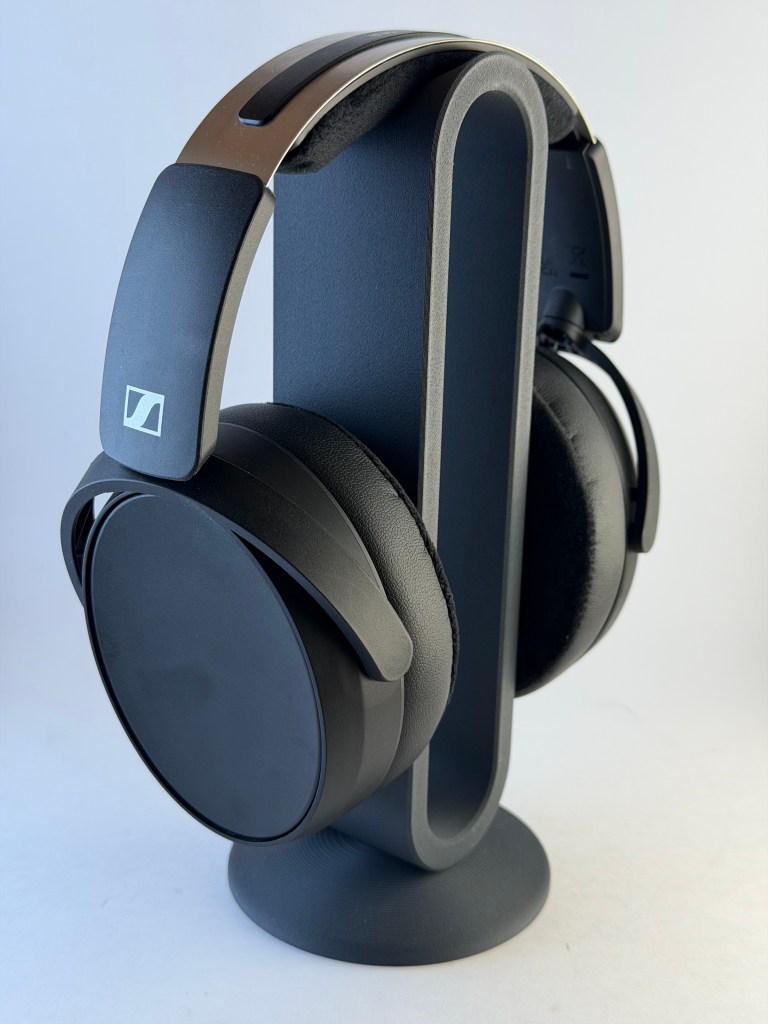
[Tl;dr: The Sennheiser HD 480 Pro is, hands down, one of the best new products I’ve tried in the last few years. It’s Sennheiser Pro’s newest offering, a closed-back (i.e. noise-isolating) version of 2025’s truly excellent HD 490 Pro. Despite not generally being a fan of most closed backs, I find it very hard to come up with anything about this product that I would change if given the ability to do so. If you’re in the market for a closed back headphone and can stomach the semi-premium price, there’s nothing on the market that competes particularly well against it.
What an exciting time we live in, with multiple good, reasonably tuned new closed backs in a single year!]
Cost-agnostic: 9 out of 10 Denalis

Cost-sensitive: 8 out of 10 Denalis
TABLE OF CONTENTS:
Introduction
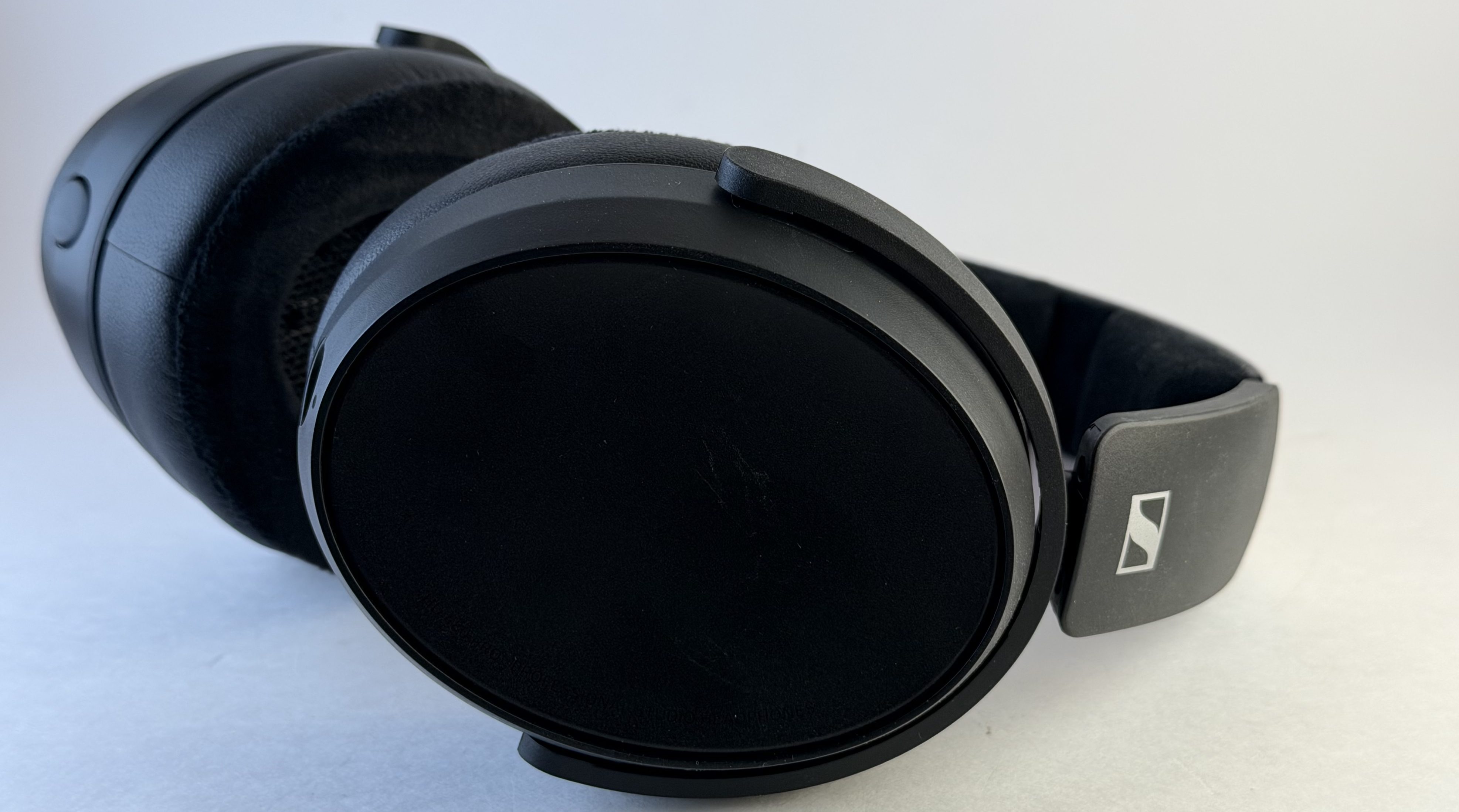
The Sennheiser HD 490 Pro were one of my biggest surprises in 2025, headphone-wise; they were the headphone that finally dethroned my HD 6XX as my favorite Sennheiser, and as a value/versatility proposition they were incredible (and I’ll be damned if they weren’t one of the most physically comfortable headphones I’d ever tried). My conclusion in that review was that I was really excited about the 490 Pro in no small part because of where it might suggest the Sennheiser Pro division was headed. Here’s what I had to say over there:
The 490 is an interesting evolution of the 6X0 family, and I have long wondered if the reason that those have remained relatively static since the late 90s is Sennheiser being reluctant to undercut their own sales (with the notable exception of the 6XX, but that was largely regionally located and I don’t think then-Massdrop or Sennheiser understood how much that offering would revolutionize the audiophile space in the US). The 490 proves that the lack of innovation isn’t a capability issue, and I’m very curious to see what other products Sennheiser’s Pro division has in development that will feed into the audiophile/prosumer market.
So when I heard in April that Sennheiser4 had announced a closed back companion, the HD 480 Pro, I was delighted despite my general skepticism of closed back headphones (particularly Sennheiser’s). I managed to wait like a week before ordering my pair.
Review notes
Testing rig
Here’s my basic testing protocol.
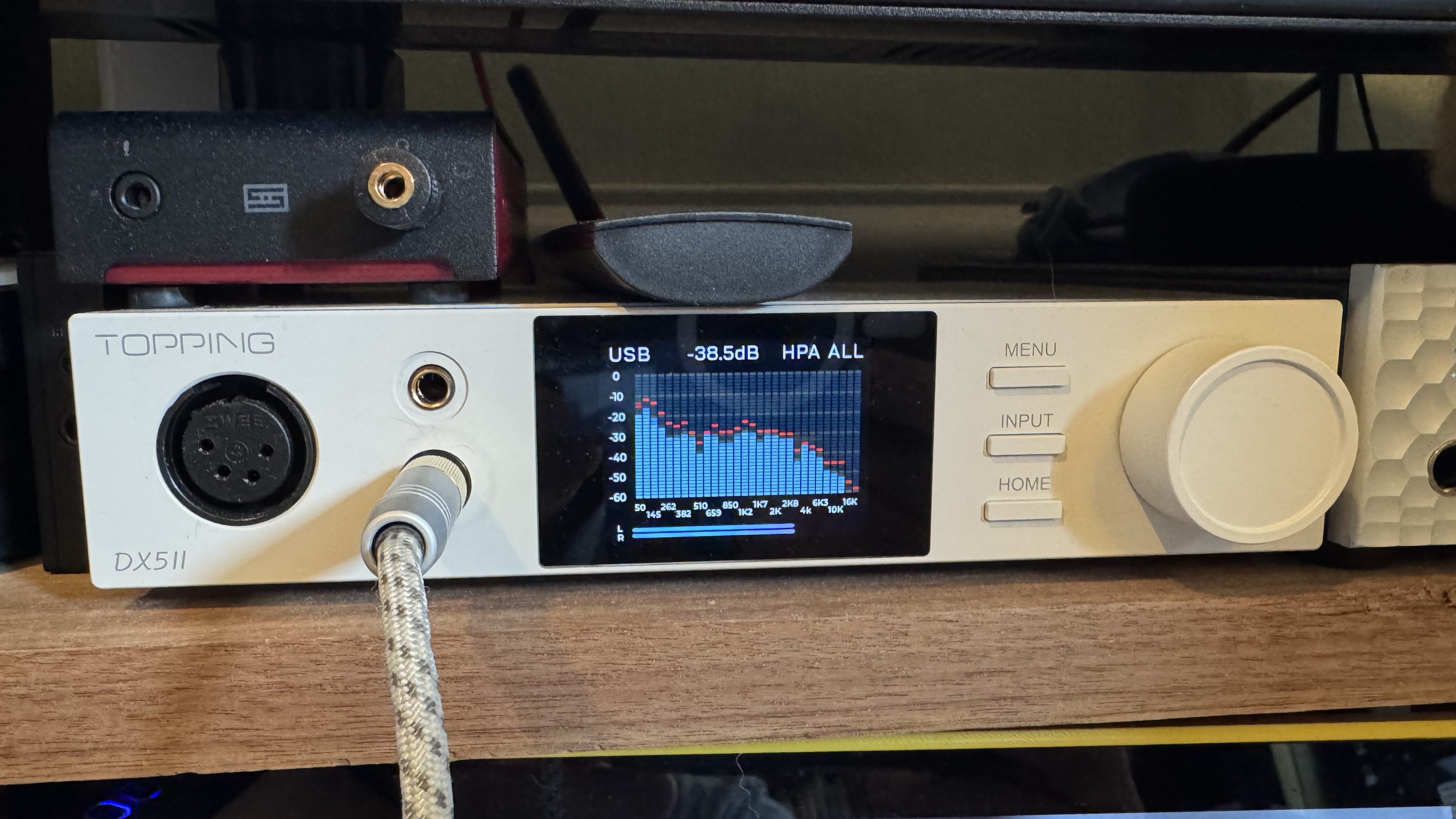
Based on my philosophy on the allocation of resources in headfi, except where otherwise noted I’m going to primarily be testing these with a Topping DX5 II, running balanced via an XLR-terminated Hart interconnect and connected via USB-C to a Mac Studio running the Roon client.
EQ
As noted in the Bathys review, I mostly prefer to test headphones with their default tuning, assuming that most people won’t take the time or make the effort necessary to use a third-party EQ. The Sennheiser HD 480 Pro sound great to me out of the box; I at this point I can’t think of anything I would like to change via EQ, though I’ll see how I feel by the end of my focused listening. pecific enough that they’d be annoying to try to address.
EQ Update
[EQ Update: After hours of listening, I’ve come to the conclusion … that there’s nothing about this headphone that I want to change via EQ.
(I know, I’m surprised too.)
There are a couple of things that I don’t absolutley love (see below for details) but they’re not things I have any idea how to address via EQ, and they’re pretty minor quibbles anyway. I’ve tried a bunch of things, and I didn’t think any of them improved on the bass tuning, even marginally.]
Volume
Here are the volume settings I use with the Sennheiser HD 480 Pro (unless otherwise noted, running via Roon with no headroom management, playing Daft Punk’s “Face to Face” from Tidal):
- Apos Druid/Gremlin: 10:00 (XLR)
- Chord Mojo: white, light red, red, red
- Dongles (iPhone 17 Pro, Apple Music, no headroom):
- Apple (North American): 55%
- Crinear Protocol Max: 55% (balanced), 70% (single-ended)
- Fiio KA11: 40%
- Fosi DS2: 35% (balanced), 50% (single-ended)
- JCALLY JM6 Pro: 60%
- Moondrop Dawn Pro: 80% (single-ended)
- Qudelix 5k (max internal volume): 50%
- Holoaudio Bliss (KTE): – 32 dB (Low-Z, balanced XLR), -25 dB (Low-Z, single-ended)
- Mytek Brooklyn Bridge: 56%
- Schiit:
- Mimir/Jotunheim 2 (Mimir has a -15 dB pregain applied via Forkbeard): low gain, 11:15 (balanced); low gain, 11:45 (single-ended)
- Modi/Magni: low gain, 1:00
- Modius/Magnius: low gain, 9:30 (balanced); low gain, 10:30 (single-ended)
- Topping DX5 II: -26 dB (single-ended), – 30 dB (balanced)
My torture testing list
The Basics
The Sennheiser HD 480 Pro (“480”) are passive, closed back headphones designed, engineered, and built by Sennheiser and released in April of 2026. They’re the second entry in Sennheiser’s new 400 Pro series, following the release of the HD 490 Pro (“490”) in 2024. They’re a pretty interesting product by Sennheiser standards, diverging a bit from the typical tuning of Sennheiser’s closed back offerings like the HD 569 or HD 620S, with a much more “neutral” tuning.
Like the 490, the 480 are a product of Sennheiser’s “Pro” Division (aka still Sennheiser) rather than the former Sennheiser Consumer Division, aka Sonova dba Sennheiser (and back on the market as of a few months ago5).
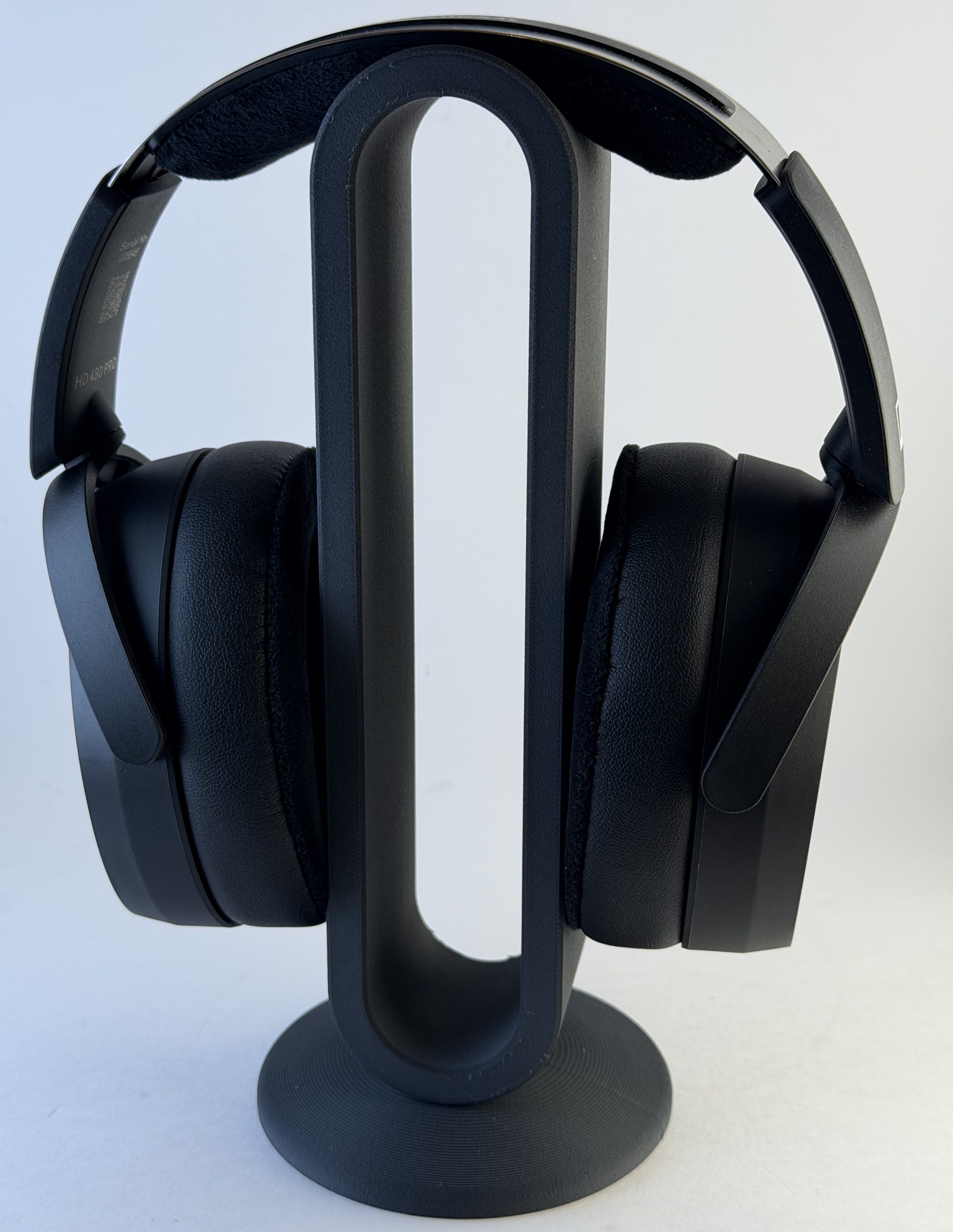
Also like the 490, the 480 connect to your amplifier using a single 4-pin mini-XLR cable, but that cable is able to be connected to either the right or left cup (with a rubber plug for the socket that’s not in use to reduce potentials for detritus). They’re a moderate impedance (130 Ohms), high-sensitivity (107 dB/1Vrms) headphone, making them reasonably easy to drive even from the few devices that still possess a headphone jack, and weigh a little over 270 grams. Unlike the 490, they come with a single pair of pads and thus a single tuning … but honestly, that’s all they really need.
Many moons ago, Sennheiser marketed the HD 620S as a closed back 6X0. They were … well, either fibbing or being overly optimistic. They got an awful lot closer to the mark with the 480; while it’s a bit too bassy to be a proper 600 series, in terms of overall tuning and pleasantness to listen to, they’re as close as we’ve gotten in a closed back, at least in my (ever so humble!) opinion. SPOILER ALERT6: I’m a pretty big fan of this headphone.
[Also like the 490, the 480 comes in a Pro Plus version. For an extra $40, you get … a rigid case instead of the soft pouch, and an extra longer cable. It’s not a great deal (like the 490’s) in my estimation; the 490 and 480 are pretty much identical in dimensions so I’d personally buy a $10-20 490 case from Amazon and save yourself the money, if you plan on taking the 480 out and about in the world. I probably will not.]
Sound
I’m really quite pleased with the sound of the Sennheiser HD 480 Pro overall; looking at a graph I more or less assumed that I’d need to drop down the bass a bit, but in my listening it just sounds good. I might do a little more fiddling with EQ over the next few weeks (or even throughout the rest of the listening tests I’m doing), but they’re just really nice out of the box.
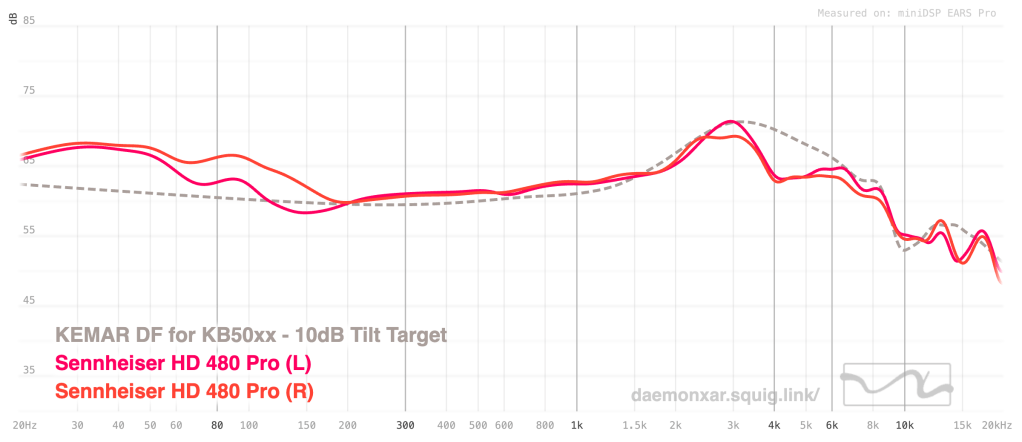
As (almost!) always, my listening tests were conducted without EQ.
Technicalities
The soundstage on the 480 Pro is … fine. It’s not particularly wide (even for a closed back), but it’s wide enough to suit my purposes. The guitars on “Chan Chan” are spread out a few feet in either direction. The imaging/layer separation, on the other hand, is pretty excellent. It doesn’t quite pull the HEDDphone D1‘s trick of splitting vocals quite as clearly or cleanly, but the various guitar lines are clearly laid out in space, and the hand percussion is present and nicely defined under the guitar lines. The front-to-back soundstage is pretty good too; the guitar riff that opens “Love Can Damage Your Health (Laid Mix)” is nicely rotational instead of just panning, and the tom patterns on “Thunder Lightning” are incredibly crisp, with a couple of exceptions where they’re just a bit quieter than I might want (still clean, though).
The dynamics are good setting the volume at the beginning of “It’s All So Incredibly Loud” had me reaching for the volume control around 2:50 (and then again at 3:00). The microdynamics are really pretty good; even if they’re not quite Focallian levels of slam but they’re not that far off. The bass bell tones on “Angel (Blur Remix)” are almost exactly what I want, though the warble after the tone isn’t as strong as it could be, and the treble bell tones are crisp and clean, if not quite as impactful as they might be on a headphone with a slightly stronger treble response.7
Overall, I’m pretty impressed by the detail and resolution on the 480 as well (I suppose I shouldn’t be surprised; Sennheiser really is billing these as a professional tool). The hiss at the beginning of “What Did I Do?” isn’t as pronounced as it is on other headphones (ditto the fingers sliding over strings), but it’s there, and cleanly presented.
Timbre is generally really, really good (which one would hope with a Sennheiser product, given the glorious legacy of the 6X0s), with almost everything sounding natural and correct through the 480s. On “Birds” everything just sounds … right. Clean. Clear. Tonally correct. It’s really lovely.
Maybe the one knock I’d have on the overall technical performance of the 480 isn’t really a knock on the 480, but rather a limitation of a closed back: the 480, like most closed backs, is subject to the occlusion effect, which hampers the reproduction of true silence. Still, for a closed back they do a pretty good job!
Bass
I’m genuinely a little surprised by how much I like the bass on the 480. I’m not the world’s biggest elevated bass fan; my favorite closed back to date is the Focal Elegia (notoriously bass-light), and I’m the guy who adds a negative bass shelf to a number of closed backs and ANC headphones to get them more aligned with my (admittedly wide) listening preference bands. The thing about the bass on the 480 is that it is incredibly well and thoughtfully balanced. The sub bass blends into the mid bass blends into the midrange blends into the treble, and nothing jumps out as particularly problematic. There is a little dip in the bass around 65-70 Hz which is actually a little bit noticeable in a bass line that crosses that frequency (like some parts of “What Did I Do?”), but it’s not a huge deal.8
As noted above, the bass is nice and punchy on a track like “Angel (Blur Remix).” It’s also clear and crisp and goes very nearly all the way to the bottom, even on a challenging track like “Got ‘Til It’s Gone”. In addition, it can brain-wobble with the best of them on a track like “Limit To Your Love”, and can almost grab the bottom few notes on “Welcome to the World of the Plastic Beach” (they’re more felt than heard on the 480, which is true of basically every headphone I’ve heard). It’s also capable of remarkable delicacy, with the bass gently slipping in on “Out of My Hands.” The low A on “Nobody Speak” is rich and thrummy, as is the bass timpani/kick drum throughout “Remain Nameless.”
I will say that maybe the one thing the 480 lacks in the bass over something like the 99 Classics v2, the LCD-2, or some other planars is some of the bass richness and texture. I don’t know how else to describe it, but there’s just more there there on something like the Edition XV. Some tracks it’s there on the 480: the bass line on “Cold War” is pretty satisfying, but the the extended string note going in to 4:00 on “Drawn” just lacks a little je ne said quoi.

The only issue I take with the 480’s bass is (unexpectedly!) the dip at 65 Hz; it’s not a big one, but it’s in a place where I hear it regularly in tracks where one or two notes in a pattern are just unexpectedly a tiny bit quieter. I may play with this in EQ, or I may just ignore it. It’s a pretty petty complaint!
Midrange
The midrange on the 480 is generally really solid; it’s not as magic as something like the HD 600 or HEDDphone D1, but it’s not that far behind. Jill Scott is beautifully reproduced on “Calls,” though some of the background vocals and runs are a bit more buried in the mix than I’d want in a perfect world. Christine Hoberg floats through “Clair De Lune,” mostly without the sibilance some headphones impart to some words. Justin Hicks is pretty good on “What Did I Do?”, and Johnny Cash is good in the right places and too hot in the right places on “Hurt.” There are a few tracks where the vocals feel a bit thin; Vessel’s voice on “The Night Does Not Belong to God” is a bit thin and reedy, and the same is true for Dave Bayley’s vocals on “It’s All So Incredibly Loud.” It’s a relatively minor complaint and doesn’t really detract from listening, but I did note it repeatedly on widely varying tracks.
There’s a very slight balance issue on “Only Here and Nowhere Else;” around 0:20, the orchestral swell is a bit overemphasized to the detriment of the bass line, though it resolves pretty quickly as the orchestra fades away. That said, the richness and depth to the overall tonality in the midrange on that track is pretty amazing. You can really feel the strings vibrating on all the guitar lines on that track. Same with “Garcia Counterpoint”; the overlapping guitar lines throughout the middle of that track are clear and crisp, and really well balanced in the mix, and it feels a lot like you’re standing in the middle of a (friendly!) guitar competition.
I don’t even know where to start with addressing my few little issues with the 480s midrange response via EQ … which is totally fine, because the few little things I noticed here and there do not detract from the overall lovely performance and they contribute to the character of the headphone.9
Treble
The treble on the 480 is pretty damned close to perfect. On a few tracks and in a few places it walks up to the bleeding edge of sharpness or harshness, but at least in my listening never crossed over. The guitar on “2021” get just shy of problematic, but the overall tonality of the guitars are so good I find myself not really giving a damn. Miles Davis trends a hair spicy on “Will O’ the Wisp”, and some of the clicks on “Roses” are a little more emphasized than I might want, but overall I’m really, really pleased with the treble and I have basically no notes and no wishlist for EQ. Even the guitar lick that opens “Nobody Speak” (which I’m pretty sure is intended to be brassy and bombastic) isn’t a problem for me.
There is an odd outlier here or there; on “Chan Chan” one of the guitar lines is a bit jangly (sharp and more metallic than it should be) in a way that it’s not normally an issue. But overall, not problematic for me.
Nothing to fix here.
Amplifier Compatibility
So far, I haven’t hit anything the 480 doesn’t sound good with; solid state or tube, portable device or dongle or desktop system, high end or low end, etc. They definitely don’t need the euphony that tubes impart, but neither do they get overly bassy or too thick with the Gremlin/Druid R2R stack.10 They seem to stand up pretty well to the Holoaudio stack too.
[Editor’s note: I picked up a Darkvoice 336se tube amplifier today and I’ve been listening to the 480 Pro on it as I have been editing, and …. color me impressed? The knock on that amp is that they sound pretty bad with lower impedance headphones, but the 480 have a nice eufony via the Darkvoice, with guitars and lower horns in particular picking up a really lovely, warm tone on a track like This Is the Kit’s “Was Magician.”]
Gaming
I’d definitely use these for gaming in a situation where I wanted some acoustic isolation. The stage is definitely narrower than something like the HD 490 Pro, but the imaging/layer separation is pretty excellent. They’re also really comfortable, though in warmer places or during the summer I’d probably choose something a bit more breathable, if I didn’t need the acoustic isolation.
Not something I’d use for sweaty gaming, but for everything else they’re just swell.

Overall Impressions
The 480 is a damned impressive headphone, period, let alone a closed back one. I’m used to expecting some real tradeoffs in exchange for some noise isolation, but honestly … there really aren’t any big ones here and they kind of break my “use an open back unless you need noise isolation” philosophy.
It’s not very often that I find myself with very few criticisms of a headphone, but … there’s just not a lot I’d change with this headphone in terms of tuning, physical design, pricing, etc. They could always be cheaper, but honestly $400 for a really well designed and built closed back that I want to listen to doesn’t seem out of line. The HD 490 Pro came down in price via sales pretty early in its production run (maybe as a shot at Sonova?) and I’m curious to see if the same is true of the 480.
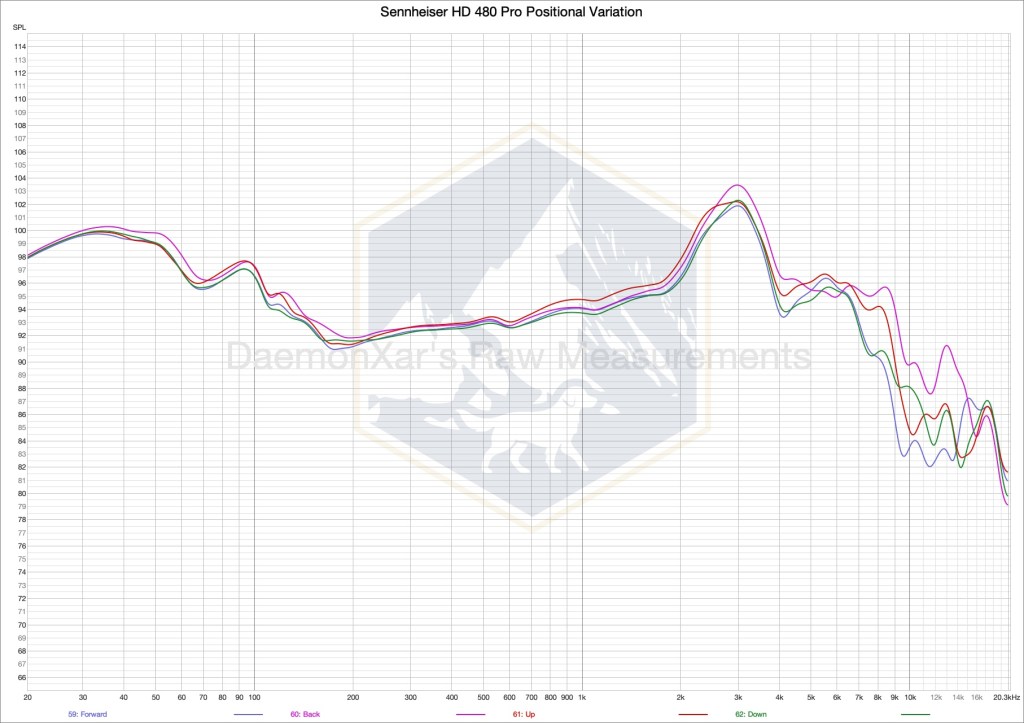
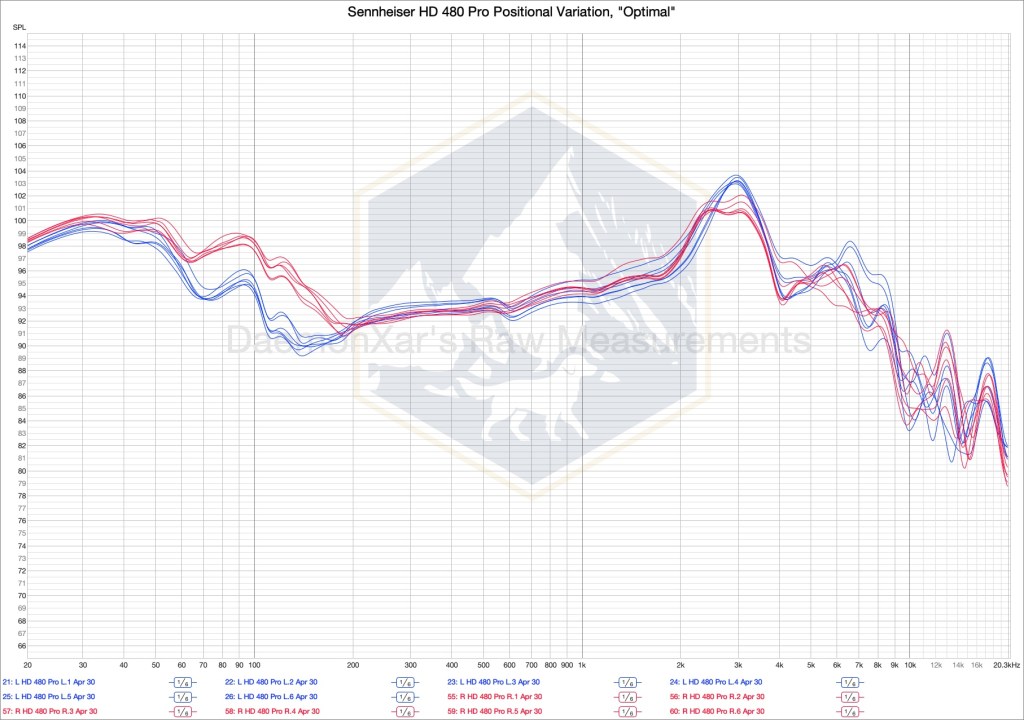
Worth noting too that there’s very little positional variation with the HD 480 Pro (at least my unit), either in “optimal” positions or the most extreme I can measure on my rig; wear with confidence that you’re pretty close to the expected frequency response unless you have a break in the seal.
[Editor’s note: it’s worth noting that when I came back to edit this post, I came directly from listening the Meze Empyrean II … and that’s usually a no no, as nothing really sounds great after listening to that (truly exceptional) headphone. This was … fine. I’m not saying that the 480 Pro competes with the Empyrean II … but it holds up surprisingly well. It definitely sounds brighter and more jangly, and you really notice the limitations of it’s texture, particularly in the basss, but it doesn’t sound as wrong as most headphones do coming from the Empy.]
Build Quality & Appearance
[Note: A whole lot of this should sound familiar to anyone who read my review of the HD 490 Pro … which is unsurprising, as they have a pretty similar chassis and industrial design (with the exception of the whole closed back vs. open back thing.]
As I noted in my review of the HD 490 Pro, I came to the 490/480 Pro chassis with a fair amount of skepticism; at the time, I hadn’t tried a single-entry Sennheiser that was very comfortable on my head. Between clamp force, small and shallow ear pads, and a weird band design, they’d never really worked for me. The 490 changed that for me (and more recently, I’ve discovered that though they’re not my favorites, the HD 550 and 505 are perfectly fine, comfort wise too).
Connectivity
Here’s what I said about Sennheiser Professional’s currently-preferred single-entry, 4-pin Mini-XLR connection for the 480/490:
“The HD 490 Pro is a bit of an unusual beast for a 600-adjacent Sennheiser connectivity-wise, eschewing the standard (if annoying) dual-entry Sennheiser 2-pin connectors in favor of a single entry, balanced-capable, 4-pin, locking mini-XLR connector attached to a single cup (though you can choose which). It’s actually pretty great; the ability to swap the cable to whichever side is more convenient at any given moment is a very clever design, and the fact that you can run balanced through a single-entry cable is pretty damned cool.11 While I don’t have any other headphones that use this particular system, I resent it less than something truly weird like the Dan Clark Audio Drummer system, and it’s less expensive than the dual mini-XLR a lot of higher end headphones use.”
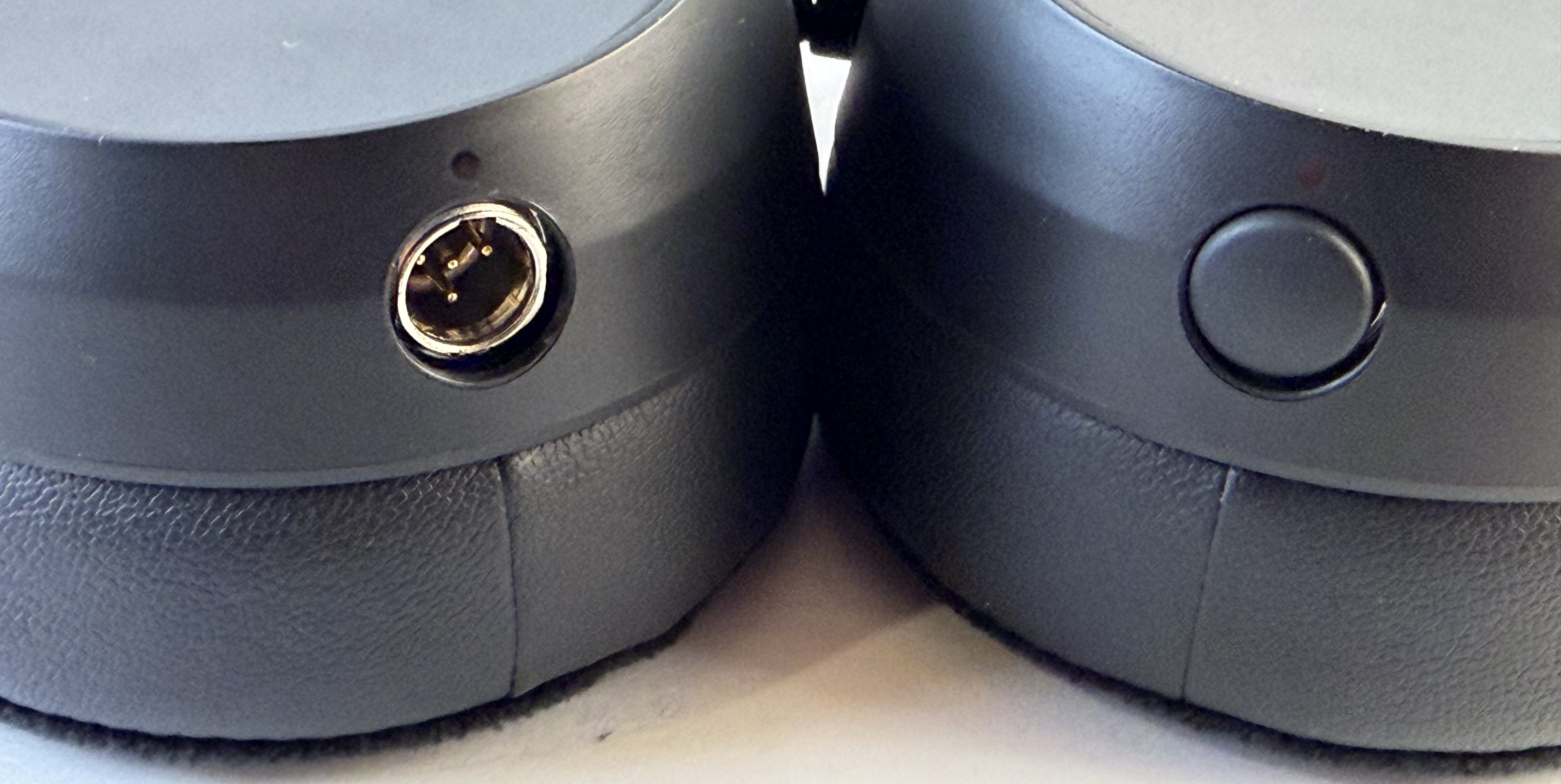
I stand by all of this in the context of the 480; as much as I would prefer Sennheiser to go with a more standard connection, I can live with this choice (particularly since I have both another OEM Sennheiser cable and a couple of Hart Audio aftermarket cables for it).
Construction
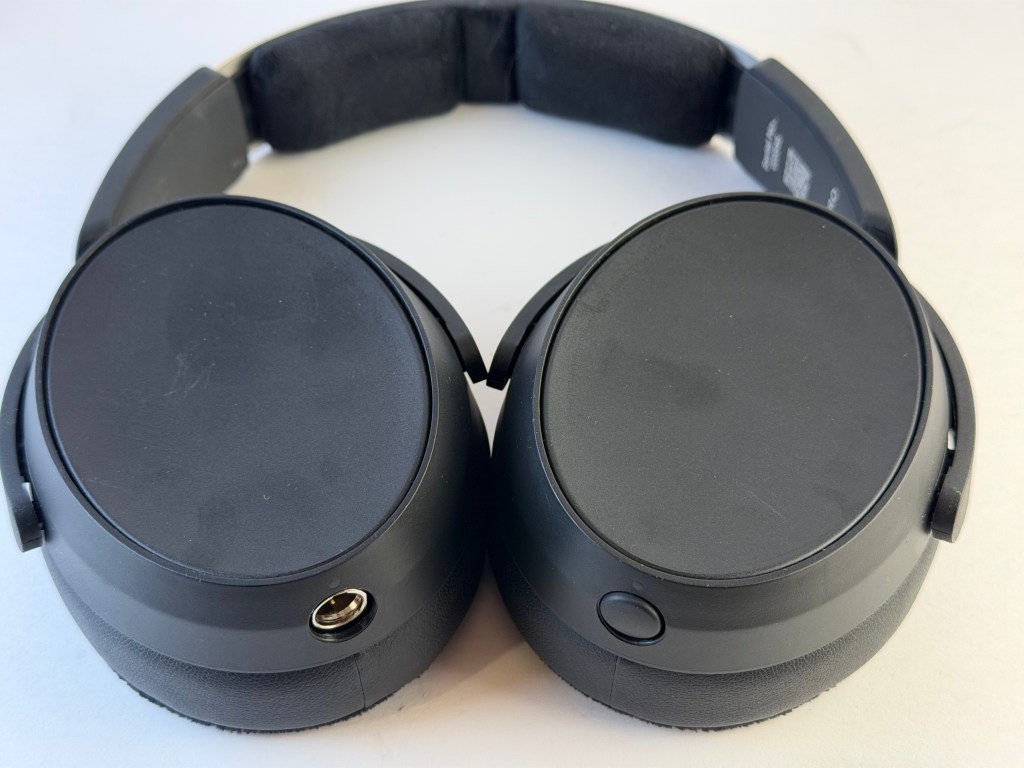
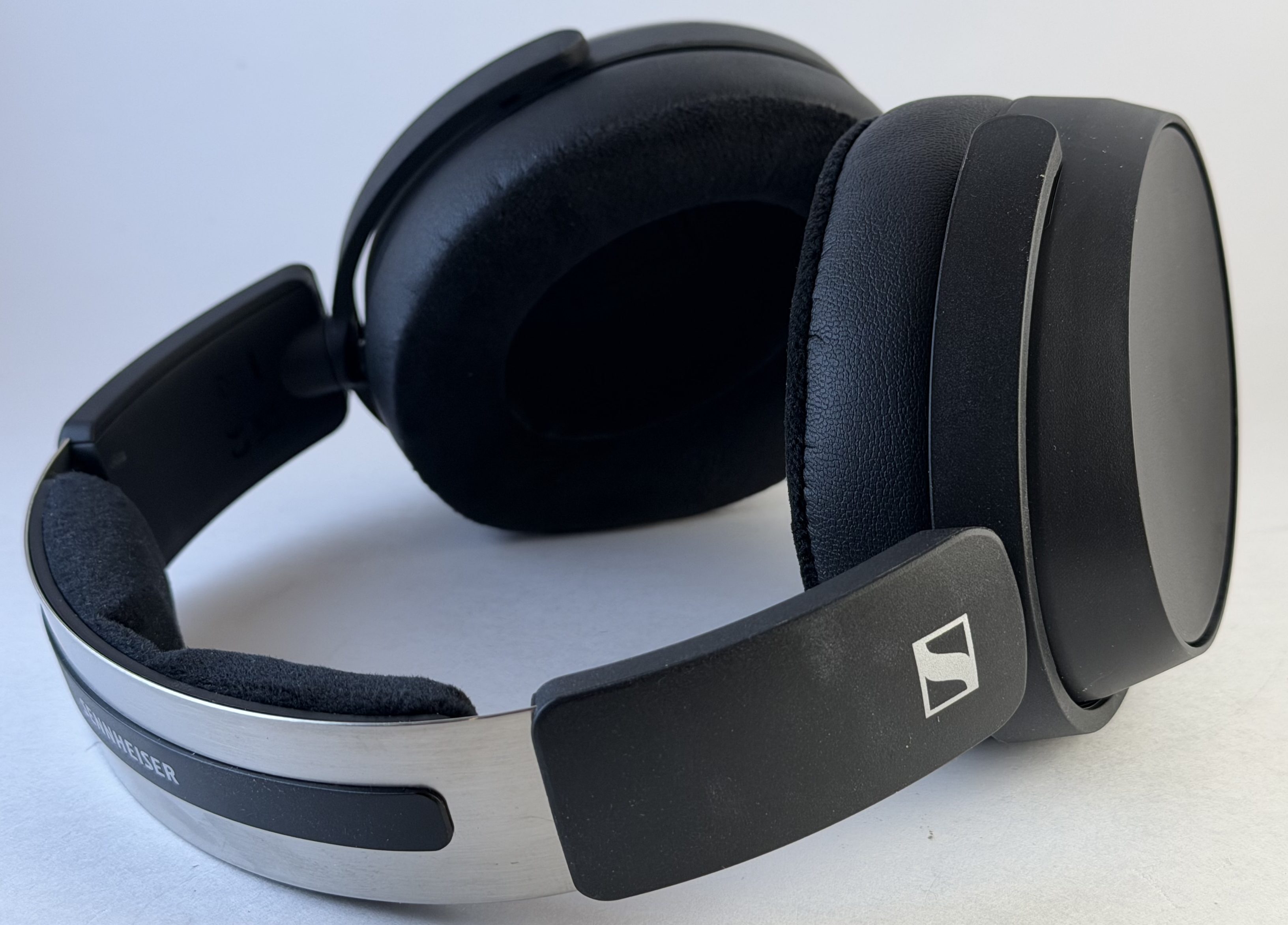
The 480 is mix of mostly plastic with a few metal parts here and there (mostly in the band). The spring-steel and plastic band expands on either side of the center portion, and while it fits nicely on my head there aren’t that many additional clicks on either side from my preferred fitment; if you have a particularly prodigious noggin, these may not fit you particularly well. The band has a nice flex to it; it’s not going to be hard to put on or take off the way that some of the newer Hifimans might. The cups rotate a full 180 degrees (flat in either direction), tilt approximately 40 degrees, and the are approximately 45 mm by 70 mm in opening, and close to 30 mm deep. These accommodate my ears nicely, and I can only get my ears to brush the grill covers if I really compress the cups against my head. The combination of tilt, swivel, and compliant pads means that it’s easy to get a pretty solid seal, particularly when you’re coming from something like the Audeze LCD-2 that tends to feel like it’s rotating forward off of your ears during regular listening.
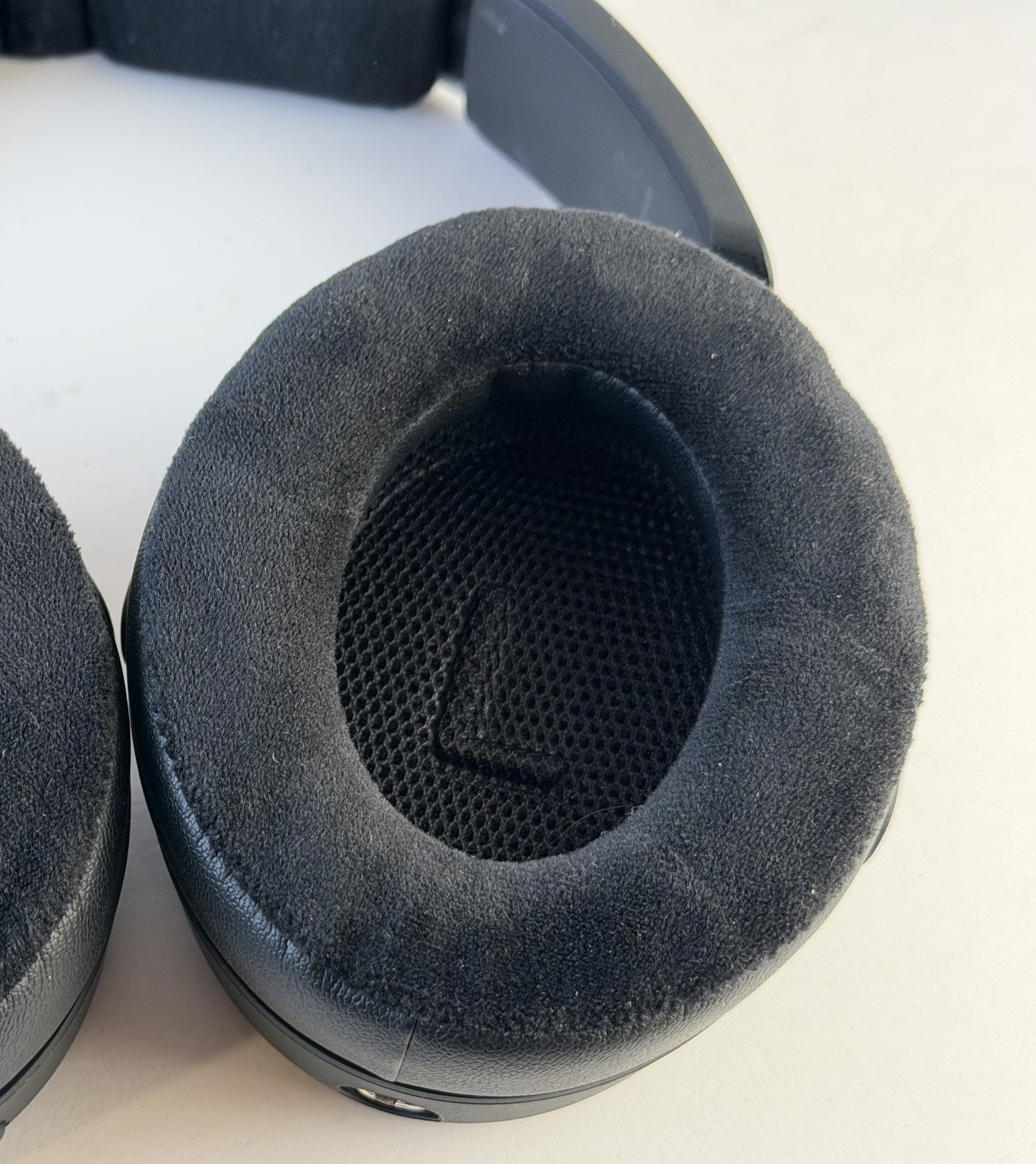
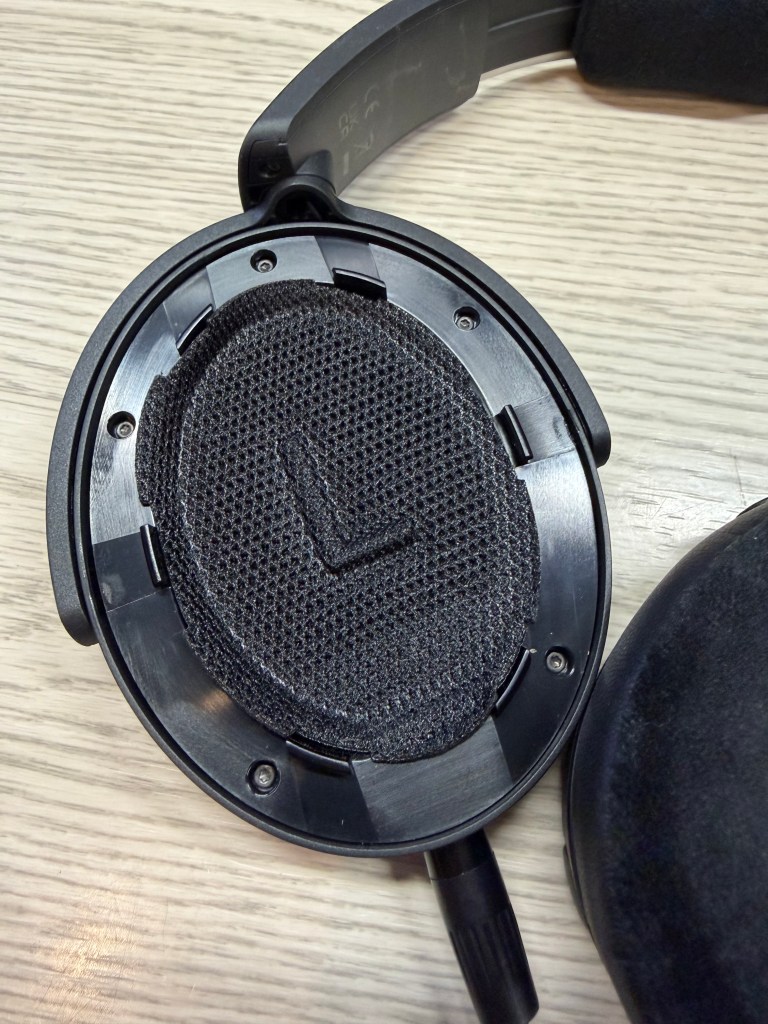
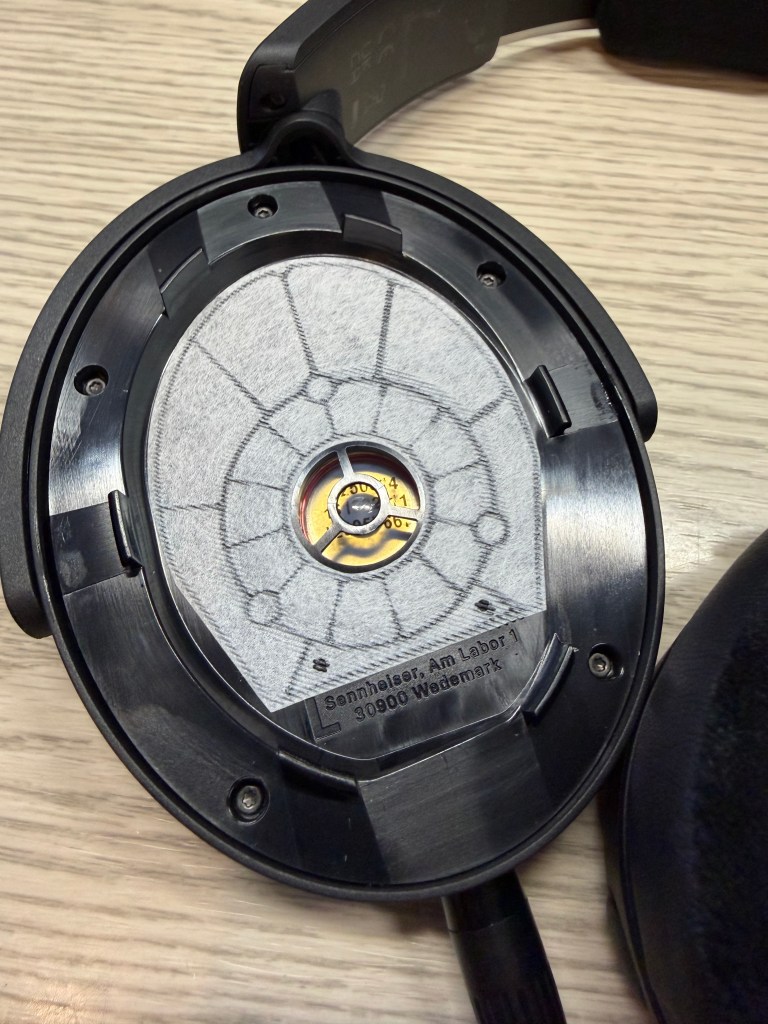
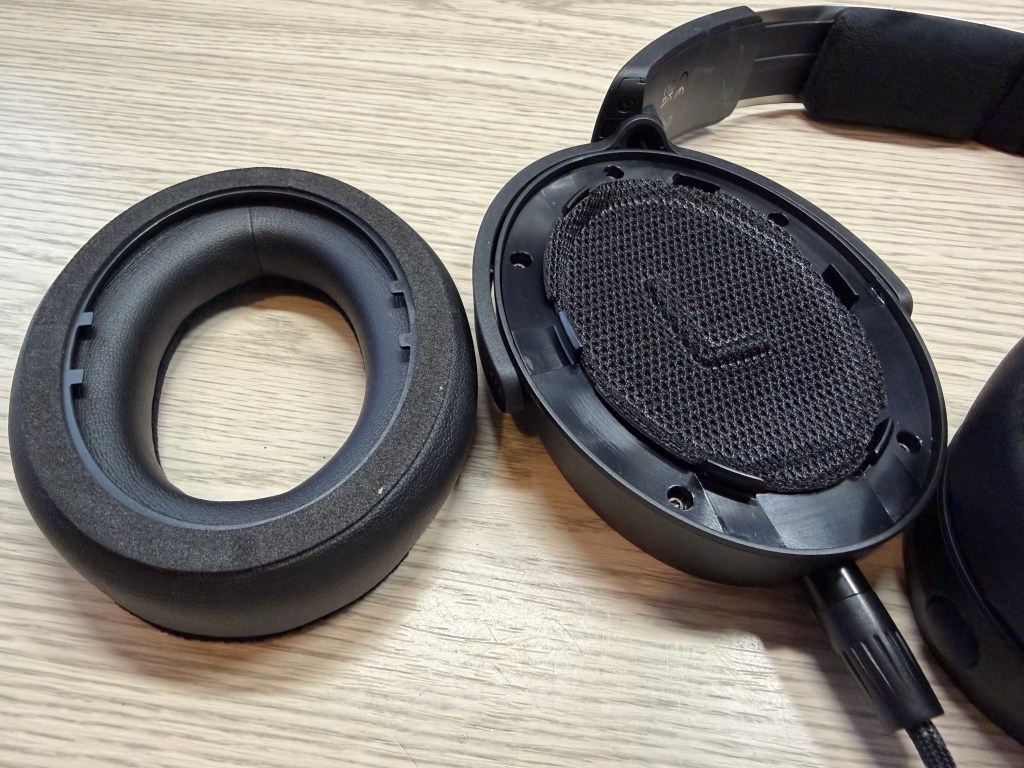
The earpads are a velour-like material on the face that touches your head, and a synthetic leather on the outsides/insides of the pad. The pads use the same system as the 490, with a couple of plastic tabs snapping into place making them easy to swap. There’s also a nice cloth pad between the driver and your ear; one of these days I’ll try both pad rolling the 480 and leaving out the pad to see how they affect the tuning. I’m hoping that like the 6X0s, we end up with a robust aftermarket for 490/480 pads.
Comfort
The 480 are a very comfortable headphone, all around. As noted on my 490 review, I hadn’t really considered the 6X0s very clampy at all until I started using the 490. The 480 has a similarly nice clamp (I would have sworn it was a little more clampy, but headphonesdatabase.com measures the 480 at 4.61 N and the 490 at 4.64 N). The padding on the band is nice and soft, and thick enough to prevent hot spots, and the cups are nicely compliant as well. The combination of those things, their relatively light weight, and flexibility/clampiness of the band result in a headphone that distributes weight very evenly and pleasantly, and in weeks of regular use I haven’t had any particular comfort issues. I commented on the 490 review that the top of the band was a bit too soft, but I think at this point I’ve gotten pretty used to it.
Interestingly, I do find these slightly less comfortable than the 490 for long listening sessions and I genuinely don’t know why. I thought the clamp force was higher, but it does measure as almost identical. The pads feel about as soft and compliant. The construction is basically the same, and they only weigh 12 grams more. But, for whatever reason, they’re just not quite as comfortable for me.
The biggest knock on the 480’s comfort isn’t so much a knock on it as much as on closed back headphones more generally; particularly on a warm day, the interior of the cups can get a little warm and swampy. When my office hits around 75 or so, they start to be pretty uncomfortable for longer listening sessions and I want to swap to something more breathable. But that’s true of basically all closed backs.
Overall, I’ll echo what I said on my 490 review; I’d put this a few notches below the Meze 109 Pro’s comfort, but these are a great, comfortable headphone and a substantial improvement over most of Sennheiser’s products. They don’t disappear on my head, but I have to listen for a long time for them to get bothersome (other than on a very hot day, as noted).
Appearance
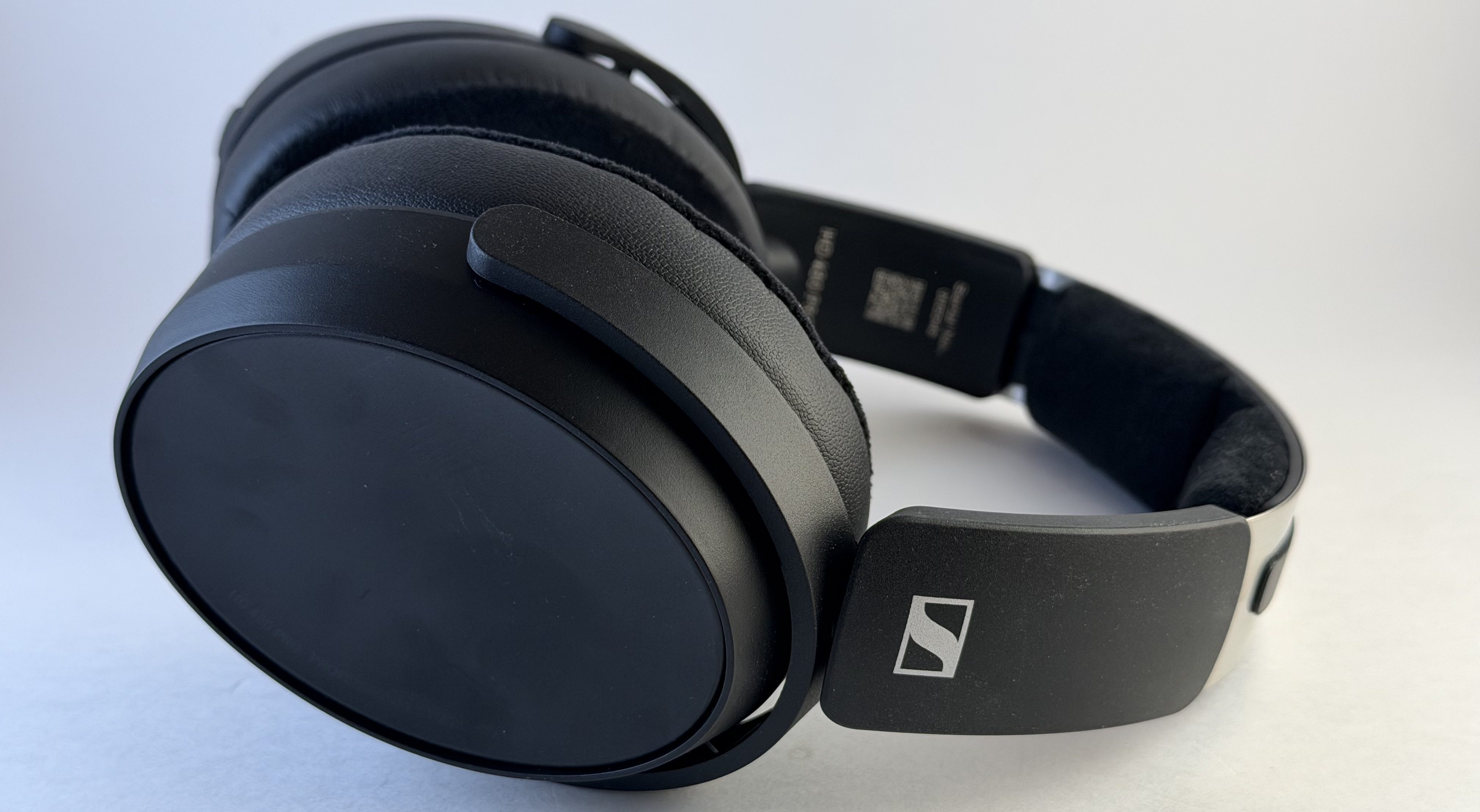
Appearance is a personal judgment, but I’d call these a very headphone-y headphone; without trending into Cyberman territory. They’re maybe a little more generic headphone-looking than the 490 with the sealed black cups instead of the grill showing off the backs of the drivers, but they’re pretty good looking for a closed back (and arguably a step up from something like the HD 620S, depending on how you feel about slightly shiny, textured black plastic).
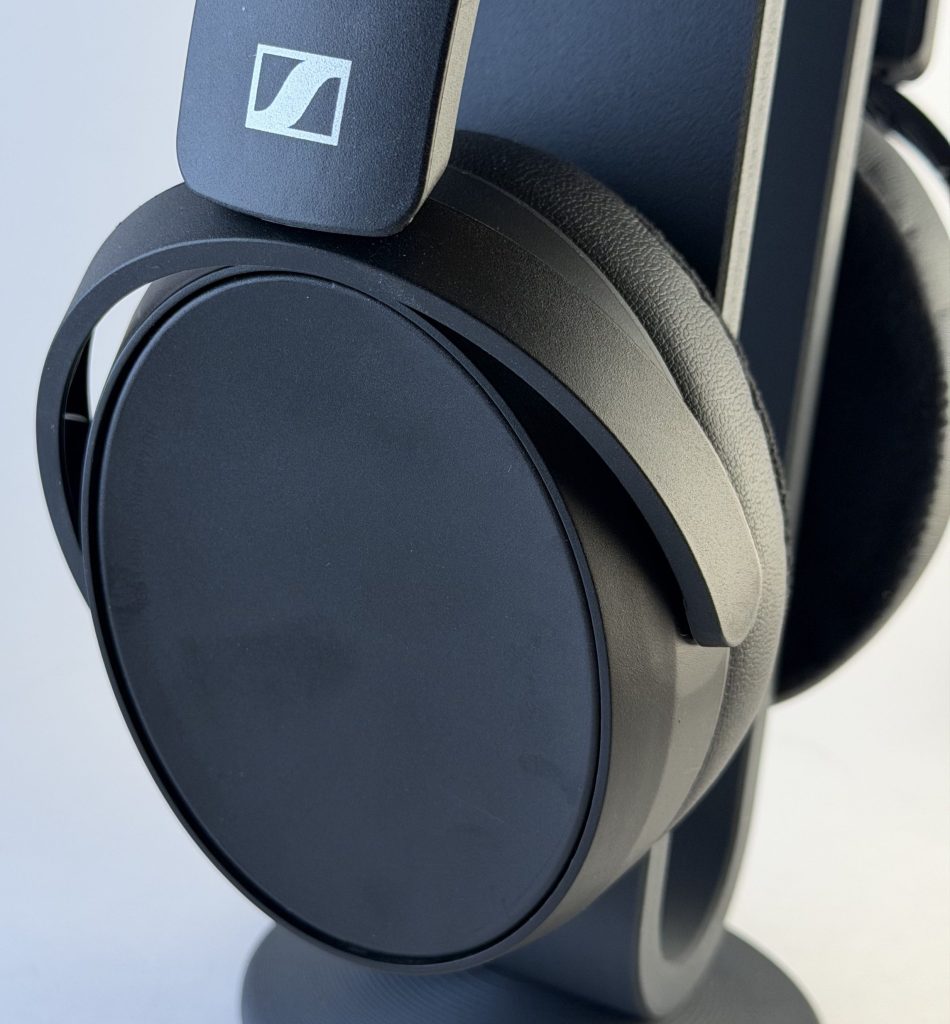
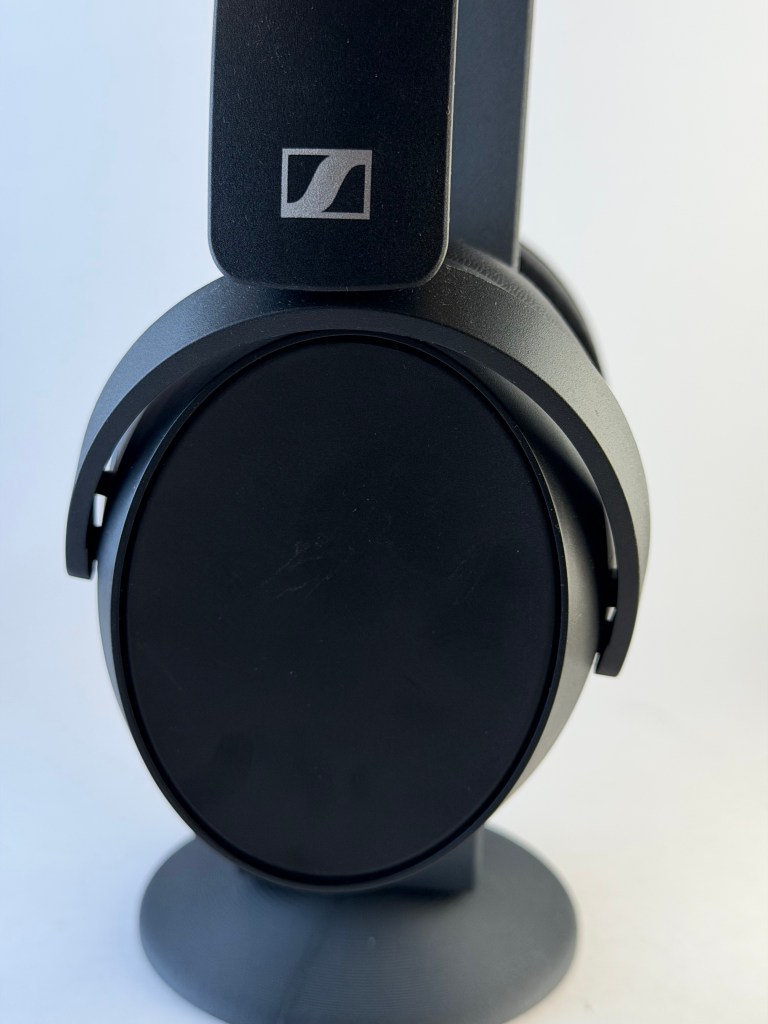
Good clean industrial design, even if they’re not going to knock anyone’s socks off. I like the silver logos on either side of the band, and the subtle Sennheiser on top of the band, though I wish the outside of the cups were more visually interesting. The urge to slap some stickers on them is real …
Value & Comparisons
Here’s the thing about the Sennheiser HD 480 Pro: it’s $399. That’s definitely not cheap, and is going to put it out of a lot of people’s price brackets. But for what you get … that’s a really reasonable price. I’m honestly not sure there’s a modern, current-production closed back that I prefer to it, period, let alone under $500.12
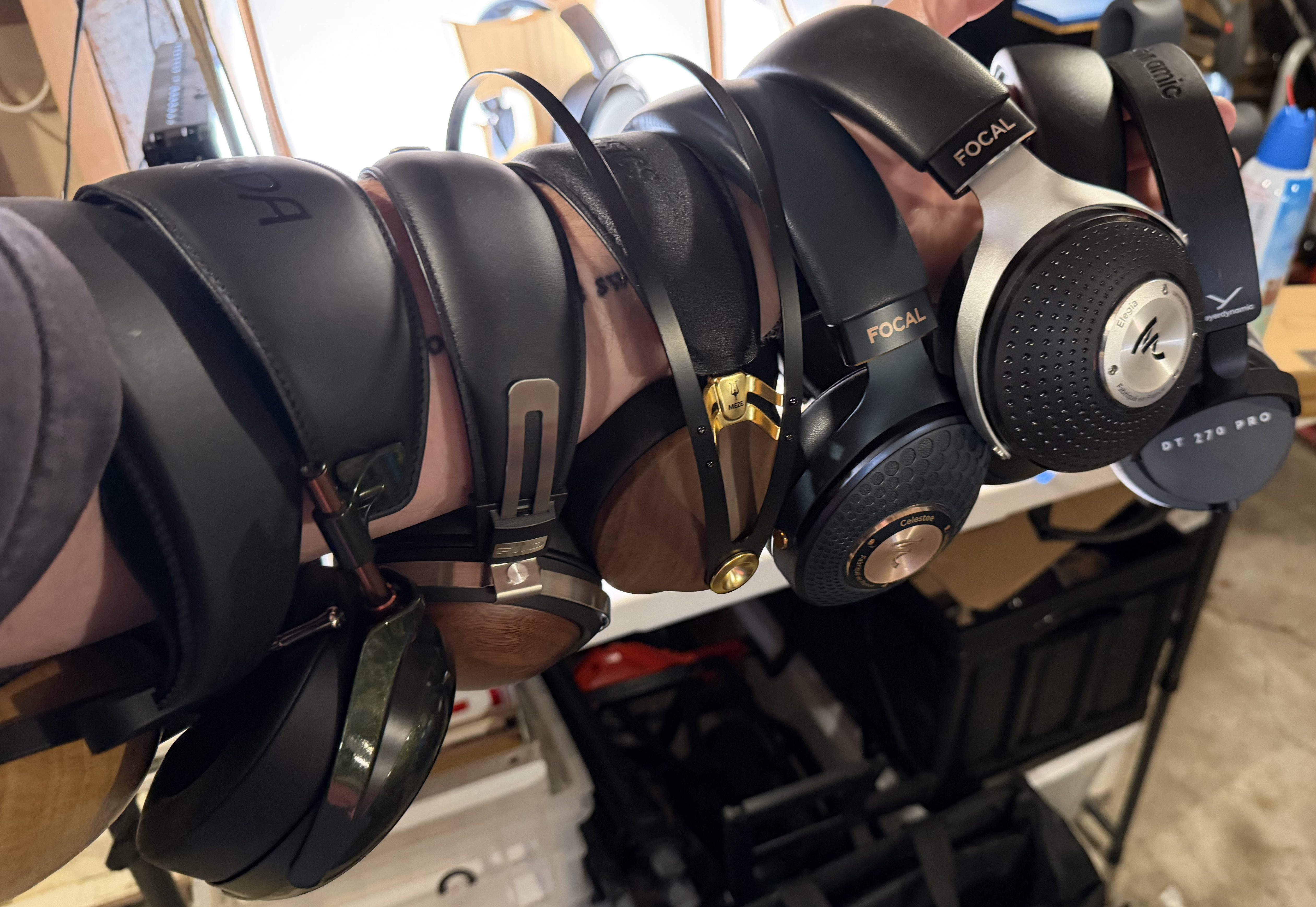
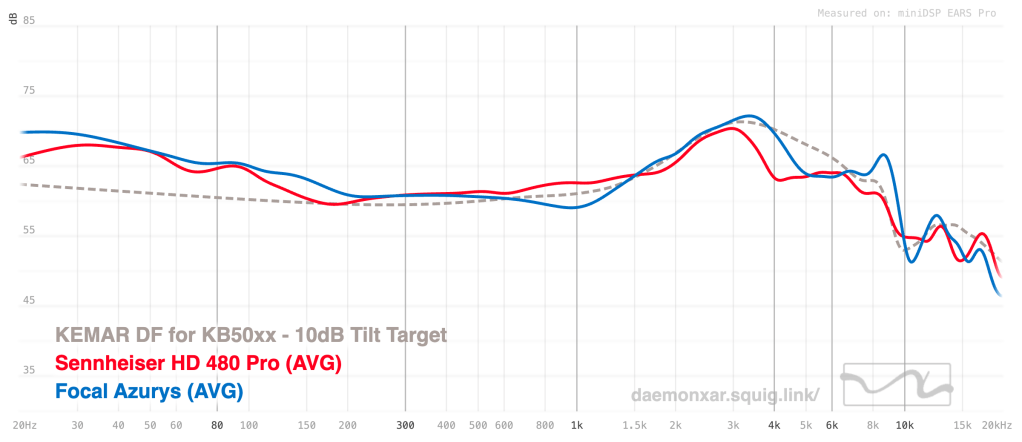
I’ll note here that because it’s my general policy not to do comparisons to headphones that I don’t have in my hands at the same time, I won’t be able to do a direct comparison to the Focal Azurys or the DCA Aeon x Closed. I will note, simply, that there’s a reason those headphones didn’t make my permanent collection, while the 480 will be sticking around for the forseeable future. I did, however, get a chance to measure the Azurys on my rig before I sold it, so here’s how that compared:
Fiio FT1
I got in the habit for a while of referring to the Fiio FT1 as the only closed back under $500 that I recommended without reservations; fortunately, the market has changed substantially over the last year or so and there are a lot of other good options out there, both in the budget category and the less budget category).
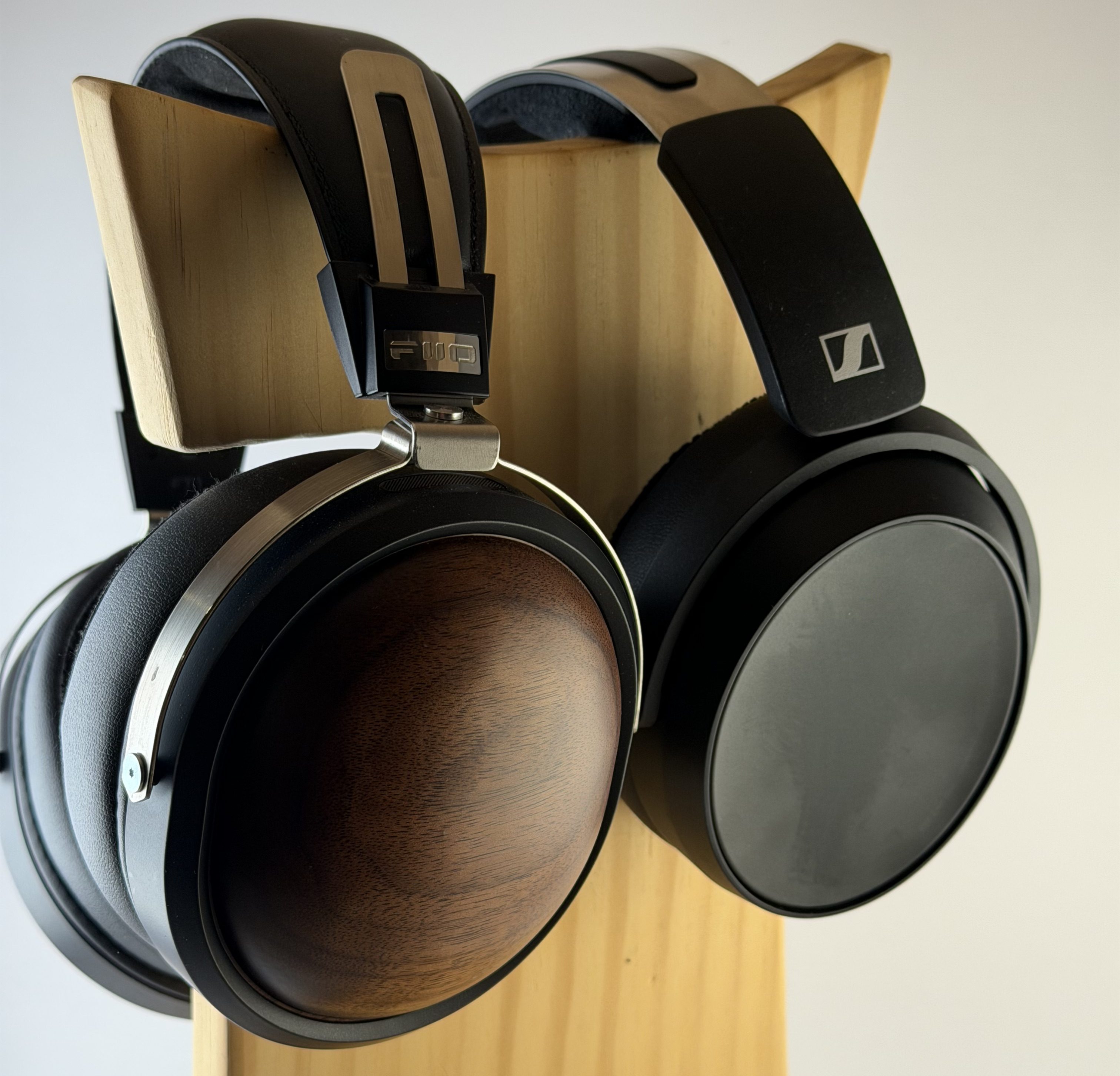
As strong as the FT1 is, particularly at its price point, the 480 is the first closed back I’ve listened to in a while that makes it sound like the budget headphone it is when doing my A/B’ing (this is less a reflection of any particular flaws in the FT1 than an acknowledgement of just how good the 480 is). On my head, the FT1 definitely reads as bassier (particularly in the mid bass), but as I note from time to time, I value quality over quantity when it comes to bass. In this case, the difference in quantity isn’t huge, and the quality delta between it and the 480 (in terms of crispness, separation between notes, etc.) is substantial. Midrange clearly favors the 480; the FT1s mids are competent, but the 480’s clean up the little issues here and there. And as good as the treble on the FT1 is on my head, the 480 is very close to perfect for what I want in a closed back. The 480 is also just plain more comfortable on my head, and I don’t have the durability and build quality concerns about it that I have for the FT1.
That said, there are some instruments and tracks that might sound better on the FT1; some kinds of percussion in particular benefit from the FT1’s tune (the toms on “Thunder Lightning” are more visceral and immediate, the thumping bass and timpanis on “Remain Nameless” are richer and better textured, etc.). But overall, the 480 is a better balanced and substantially more cohesive overall product.
Here’s how the two measure:
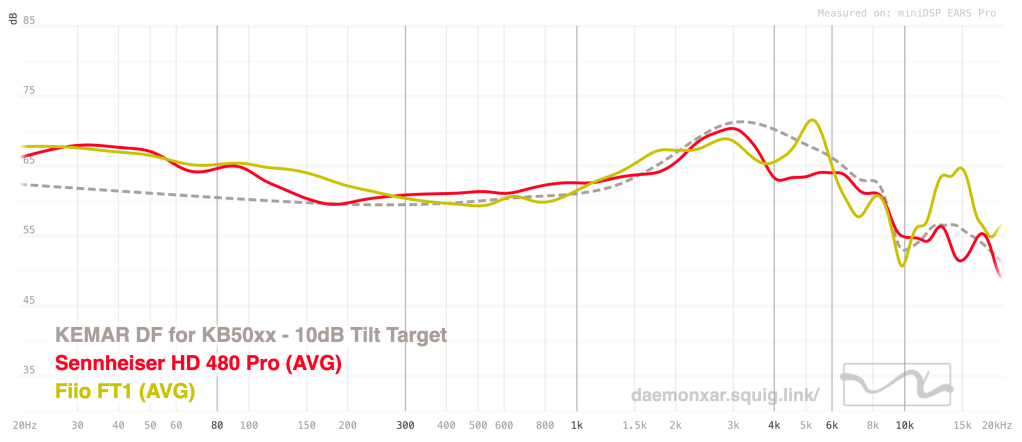
This all more or less checks out with my subjective experience; I definitely hear the warmer mid bass and bass to mids transition on the FT1, and while I don’t get quite those treble peaks on my head, that measurement definitely jibes with my impressions up top.
Verdict: If you can afford the extra $250 to get the 480 over the FT1, get the 480 over the FT1. It’s just a better headphone, all around, and it’s not particularly close.
Beyerdynamic DT 270 Pro
The Beyerdynamic DT 270 Pro is one of my sleeper hits of 2026 so far; as I’ve talked about a lot, I am not a fan of the Beyerdynamic house sound, and until I listened to the 270, it’d been a long time since I heard one of their headphones that I wanted to spend any amount of time with. To my shock, I really liked the 270, though it really does need a little bit of EQ to calm the mid bass. As I noted in my mini-review, for anything short of full-day listening session, I might even be picking the 270 over the FT1. So how does the 270 compare to the 480?
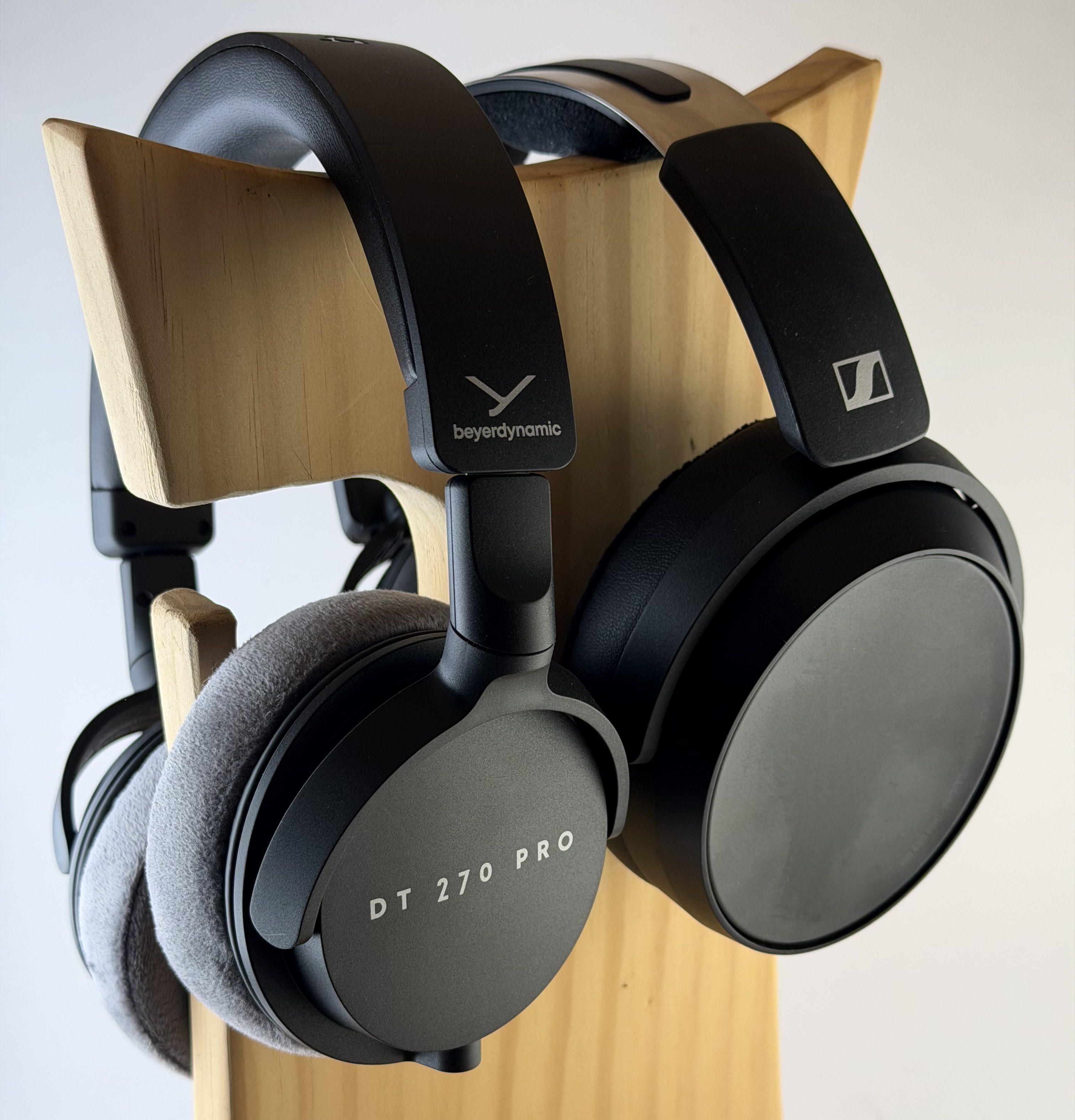
Like the FT1, the 270 put up a respectable showing but aren’t really even competing on the same playing field. The 270’s bass is really impressive (especially once you tame the frankly unhinged mid bass it has out of the box) in terms of both quantity and quality, but the bass on the 480 is just better; cleaner, crisper, and with better extension down low (you lose the bottom notes on a few of my test tracks on the 270 that you don’t on the 480). Midrange is substantially better, as is the treble, and when it comes to technicalities the 480 wins by a country mile. Comfort-wise, the 480 wins as well. The 270 isn’t uncomfortable, but it’s not the comfiest headphone, particularly given how small the cups are. They fit my ears, but might not fit everyone’s. The 480 is just a much more ergonomic build.
Here’s how they measure:
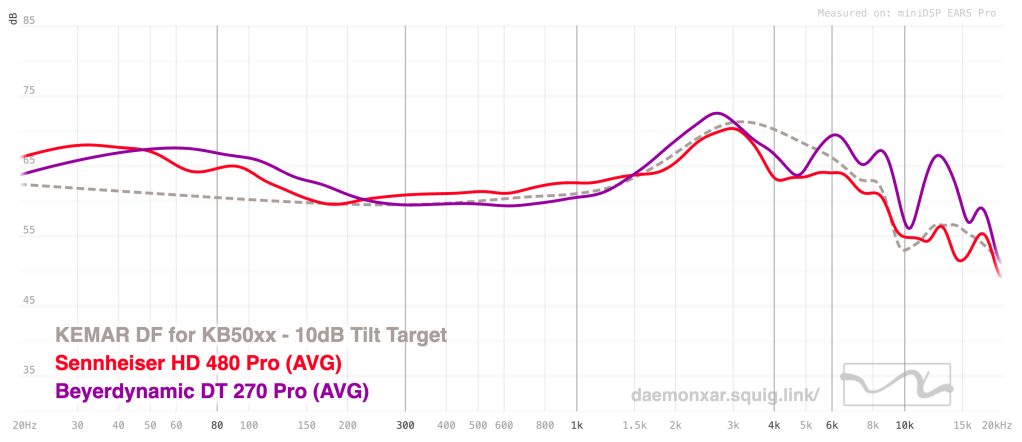
Verdict: If you can afford the 480, get the 480. It’s a better headphone in just about every way, as much as I like the 270.
Sennheiser HD 620S
This is the most direct matchup in my collection, pitting Sennheisers Pro division’s sub-$400 closed back offering (the HD 480 Pro) against Sennheiser Consumer Division’s (aka Sonova, aka zombie Sennheiser) current sub-$400 closed back arena. Like the 490 Pro, we don’t know much about when development started on either the 620S or the 480, but also like the 490 Pro it feels a tiny bit like Sennheiser Pro is taking a direct shot at one of Sonova’s newer offerings.
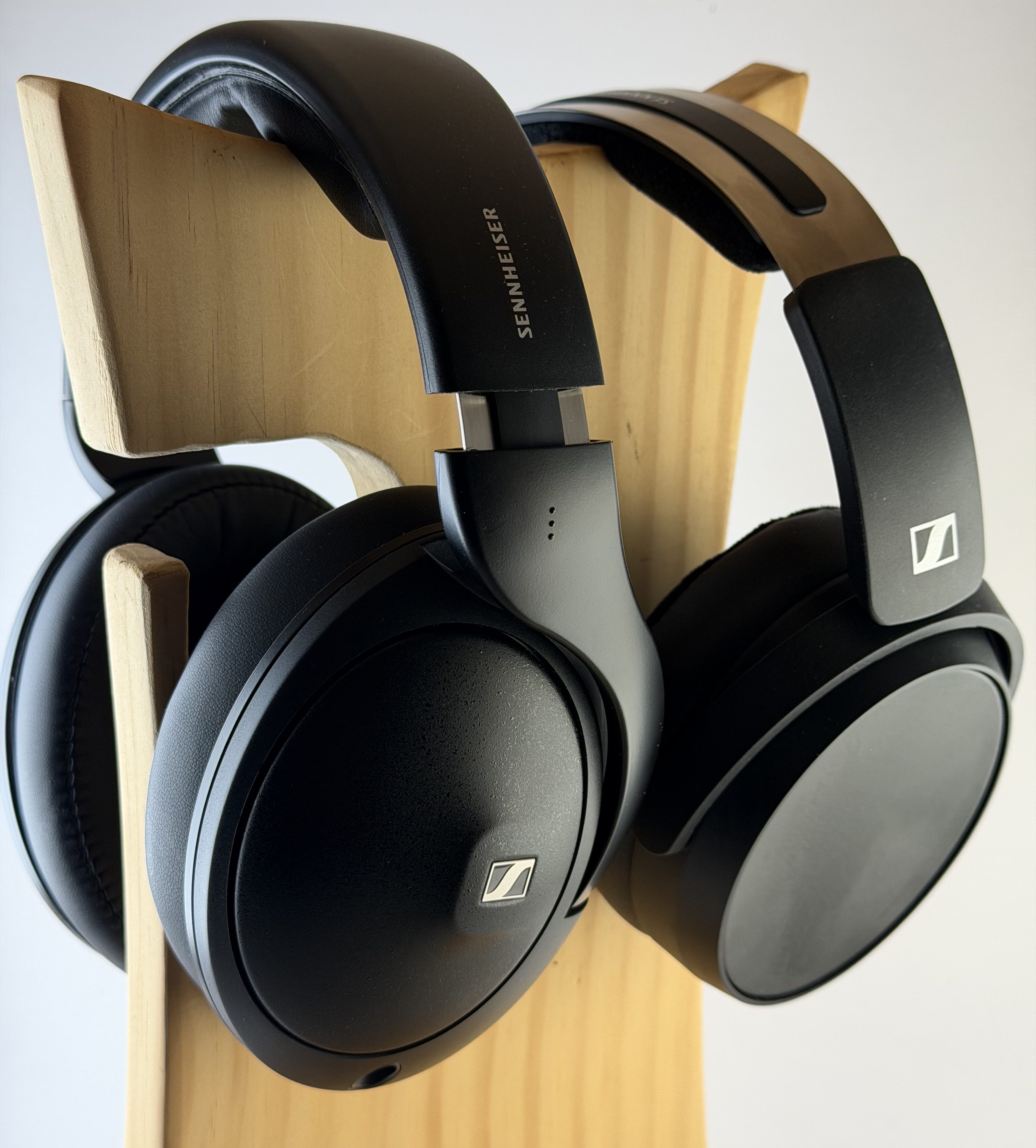
I’m not a big fan of the HD 620S. Though they’re intended to be tuned more in line with the 600 series than the rest of Sennheiser’s closed backs, at least to my ears they fall pretty short of the mark. I’ll get around to doing a review (mini-review, probably?) in the near future after I get a few more hours in with them, but for now, I’ll say this: the 620S are a perfectly nice headphone, but are boring. They’ve got a disappointing bass rolloff for a closed back, a bit of a weird mid-bass boost, slightly scooped mids, and occasionally spikey treble that result in occasional sensations of hollowness. Compare to the 480, and the 480 wins on all accounts. The 620S is also weirdly clampy on my head, reminiscent of the pre-HD 550 Sennheiser 500-series, in a way that I find pretty uncomfortable for longer listening sessions (part of why I haven’t completed my background listening for its review). And oh god, it gets swampy inside the ear cups so fast, even on days that aren’t particularly warm.
As far as technicalities … at least, so far the 620S is just pretty middle of the road where the 480 shines. Decent soundstage, separation, micro- and macro-dynamics, adequate resolution and detail retrieval, and mostly okay timbre (though some vocals so far sound … off). I think the 620S is maybe a little more visually interesting in some ways, at least? But still a very headphone-y looking headphone. The 620S is slightly better priced at an MSRP of $349.99 (and it is frequently on sale, recently as low as around $187 on Amazon), versus the 480’s $399.
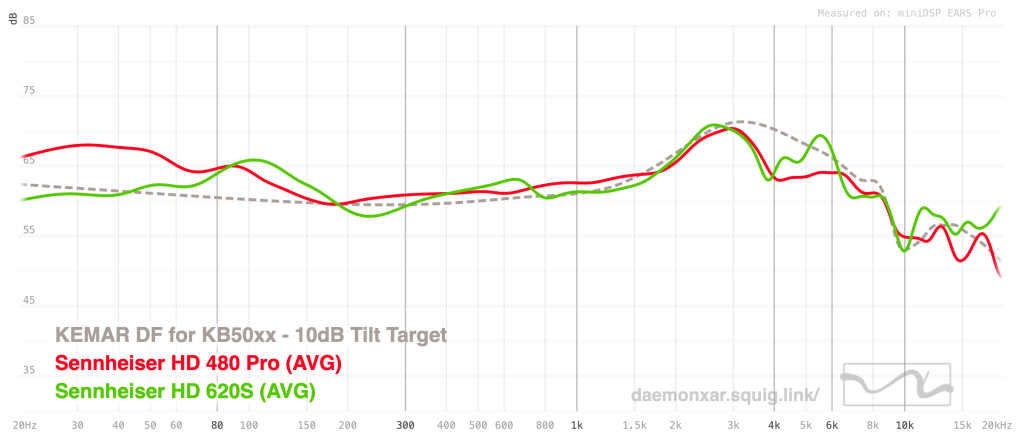
Verdict: 480 all day, every day. The 620S is a perfectly adequate, if slightly strange and fundamentally pretty boring headphone, while the 480 offers nearly everything I want from a closed back. If that extra $50 isn’t going to strain your finances, it’s one of the best upgrades you can make in modern headfi.
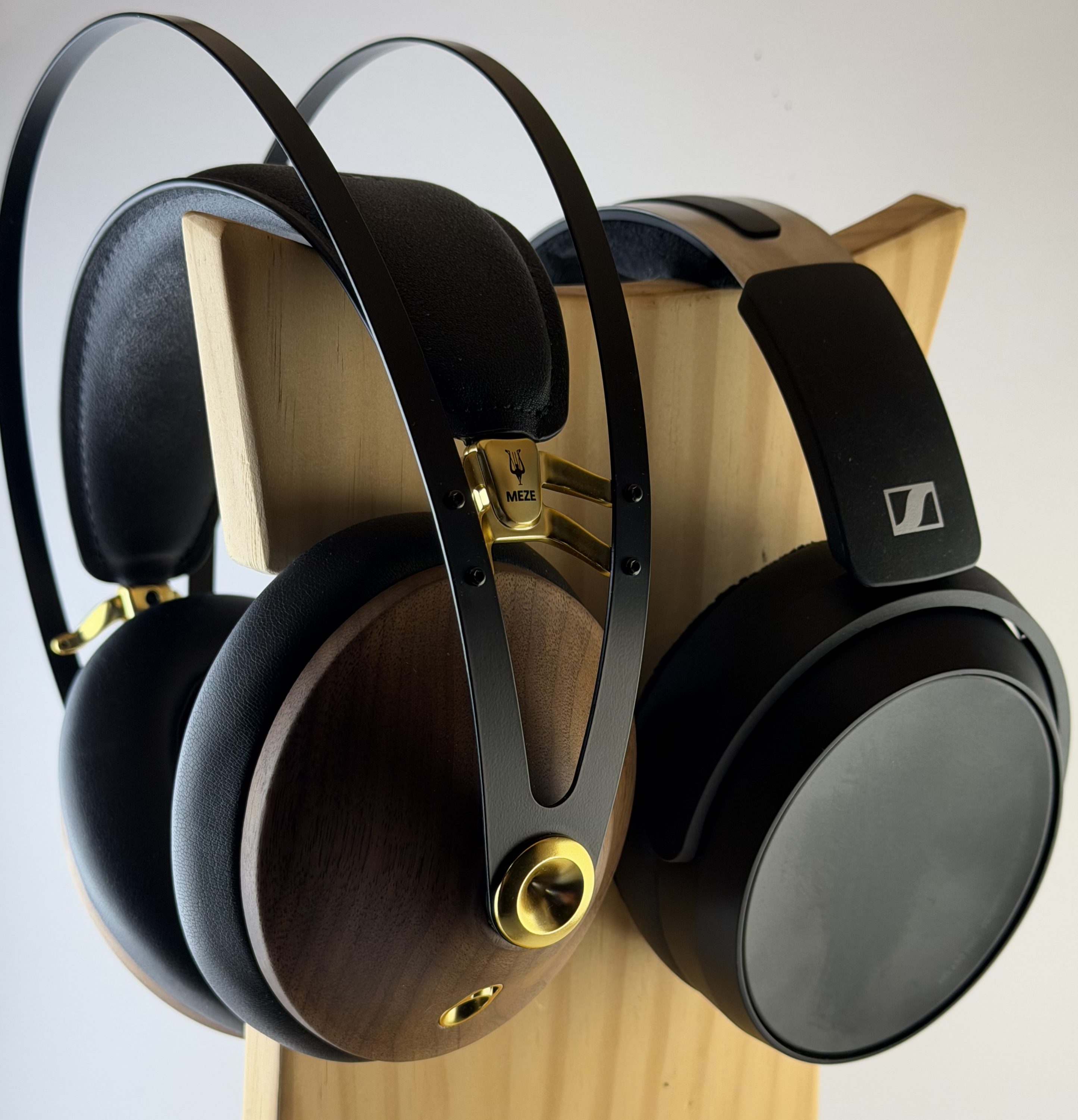
Meze 99 Classics v2
On paper, this is the second most direct matchup in my collection. They’re both relatively recent releases, both retail around $400, and they’re both reasonably well regarded in the community. I liked the 99 Classics v2 in my review; they’re not necessarily my jam, but they’re a good headphone and I get why people like them. And yet, when I put the 99 Classics v2 on my head immediately after listening to the 480 they just sound … tinny? Flat? Off? That sensation goes away pretty quickly as my brain re-adjusts to them, but it’s consistent every time I swap back.
Here’s what I said in the comparison in my 99 Classics v2 review:
“… the 480 Pro mop the floor with the 99 Classics v2, at least on my head. Spoiler for my forthcoming 480 Pro review, but they’re an incredibly competent closed back headphone. Incredibly comfortable, well-designed and engineered, versatile in terms of how you wear them, and just really, really good sounding. I’m going to spend some more time with them before I sit down to write my review, but at least so far I’ll take the 480 Pro’s bass (cleaner, better controlled, crisper), midrange (not quite to 600-series levels of quality but surprisingly damned close for a closed back), and treble (I don’t hear a single sharp bit on the 480 Pro on anything I’ve listened to with them, even at pretty high volumes).”
I stand by all of that; as much as I can enjoy the 99 Classics v2, the 480 are a much better headphone on my head at least. For most of my comparisons I can find at least a track or two that I might prefer on either headphone, but in this case … I haven’t found one. The bass on the 99 Classics v2 is great; well balanced, detailed, and rich, but the bass on the 480 is all that and better textured for some instruments and tracks. The midrange on the 99 Classics v2 is generally pretty nice, but sound a little out of balance when swapping from the 480. The treble, technicalities, and comfort also favor the 480, particularly the timbre. The two places where the 99 Classics v2 are better are the aesthetics (I’m a sucker for the Meze design language) and the package you receive: with the 480 you get the headphone and the pretty meh cable for $399, and with the 99 Classics v2 you get a nice case, two great cables, a USB-C dongle, tuning discs, and the headphones for $349. For me, though, as nice as that package is it’s not anything that I’m going to use, and if I really want a case and a second cable I can buy the 480 Pro Plus package for an extra $40.13
The 99 Classics v2 is a great headphone … that happens to have been released at a moment when a flat out better competitor at a similar price was about to drop.
Here’s how my units measure:
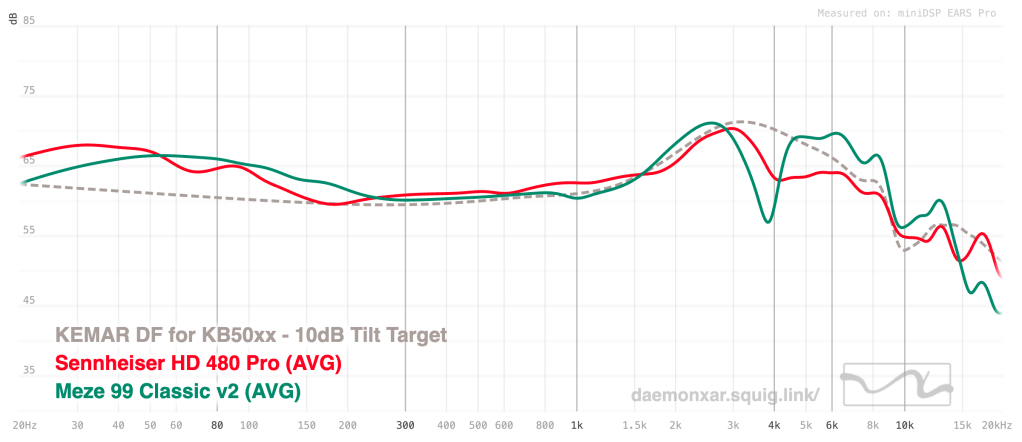
I commented over in my 99 Classics v2 review that this more or less sounds like what I hear, though I think the treble is a little less peaky on my head.
Verdict: From the other review: “For me, for you, for just about everyone (except maybe the folks who want a tuning more like a Bose or Sony headphone), the 480 Pro is the better option. If you can afford the extra $50, it’s so worth it. If you can’t afford the extra $50 … consider saving for a bit to get a better headphone.”
Meze Strada
The Meze Strada is a strange and wonderful thing to my ears. I really do understand why people are pretty divided on it in the community, particularly without EQ, and it’s priced at a pretty eye-watering $799. But it is a fun, funky, and beautiful piece of wearable art. Compare that to the 480, a … well, frankly pretty normie headphone at $399.
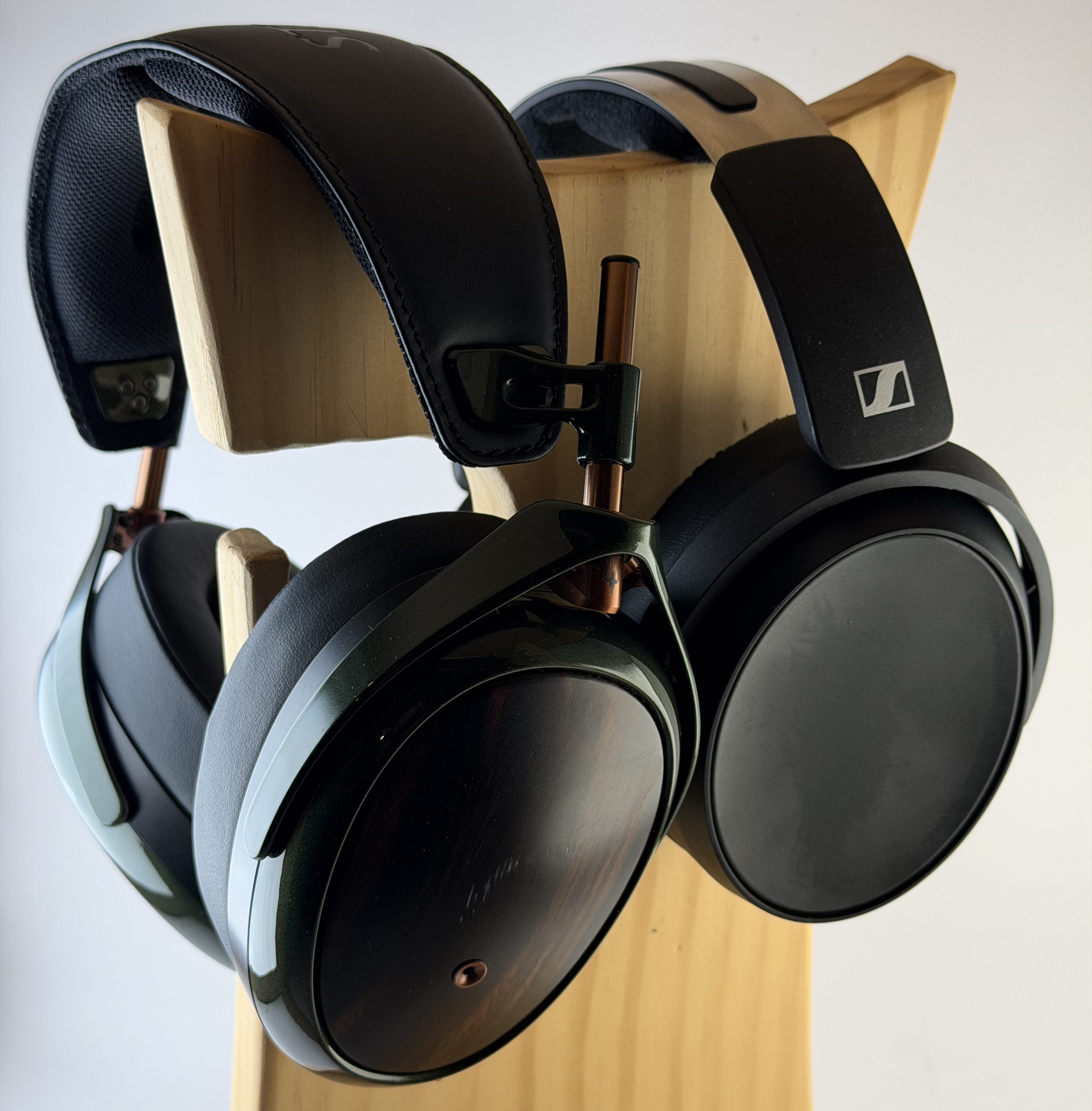
I’ll start by saying that out of the box, the 480 is a better tuned headphone. As much as I like the Strada, and while they’re not quite a must-EQ listen for me, they’re such a better headphone with some EQ applied that they’re pretty close to being a must-EQ option. The 480 don’t need any EQ at all. And I will note, when you’re swapping between the two the strangeness of the Strada’s tuning is particularly apparent.
Here’s what I said in my Strada comparison:
“I think your better choice is going to depend on what you’re looking for in a closed back headphone. If you want a more traditional tuning, the 480 Pro is your better choice. If you want something a little off the beaten path, the Strada might be for you. I think the bass is probably a wash (480 Pro hits harder, the Strada is maybe a bit cleaner), the midrange is better on the 480 Pro, and the treble is … surprisingly close. I think the 480 Pro has better detail and soundstage, but the layer separation so far seems pretty similar. Same with comfort; the 480 Pro is very similar to the 490 Pro in terms of physical and industrial design and that’s one of the most comfortable headphones I own, but the Strada is definitely made of nicer materials while the 480 Pro is slightly lighter. But the Strada is also twice as expensive; you could buy the 480 Pro and have $400 to buy another pair of headphones or source gear too.”
After another month with the 480, I still stand by all of this, and would point out that for the same price as you’d pay for the Strada at retail, you could have both the 490 and 480at MSRP. Purely from a sound standpoint, I’m pretty confident saying that the 480 is by most measures the “better” headphone, and it manages to accomplish all of its remarkable technicalities and tuning without being boring or clinical the way that some of my other objective-ish headphones are.
I really, really like Strada. As a headphone, as a product, as a beautiful object. And it does some pretty cool things. I appreciate that Meze is pushing the boundaries and trying new things. It’s not going to be for everyone, but it is for me (particularly as EQ’d). But for most people, the 480 is going to be the better choice even before we consider the fact that it’s half as expensive.
Here’s how my Strada measures against the 480:
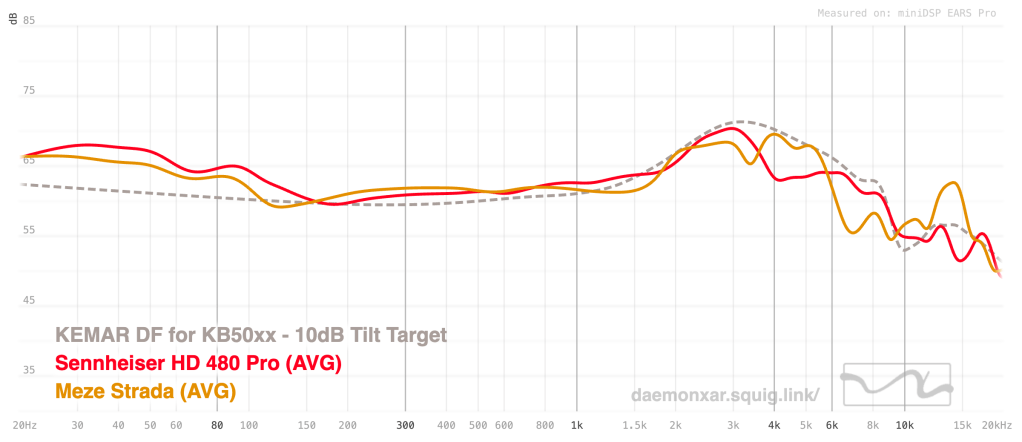
Verdict: If you want a great closed back and don’t have a good one, the 480 is the right play here. If you, like me, have a wall full of headphones and want something that will zig when everyone else is zagging, you can/will use EQ, and you can afford the extra $400 … well, I really do love me the Strada.
Focal Elegia
The Focal Elegia is probably my reigning favorite closed back headphone; they’re not your typical, bass-forward closed back tune but they do have that Focal magic,14 plus their midrange compares pretty favorably to the Elex and Clear, two of my favorite open-back headphones. Treble can get a bit spikey at times, but rarely is unpleasant on my head. My question coming into this review was whether the 480 would displace the Elegia in my heart. So did it?
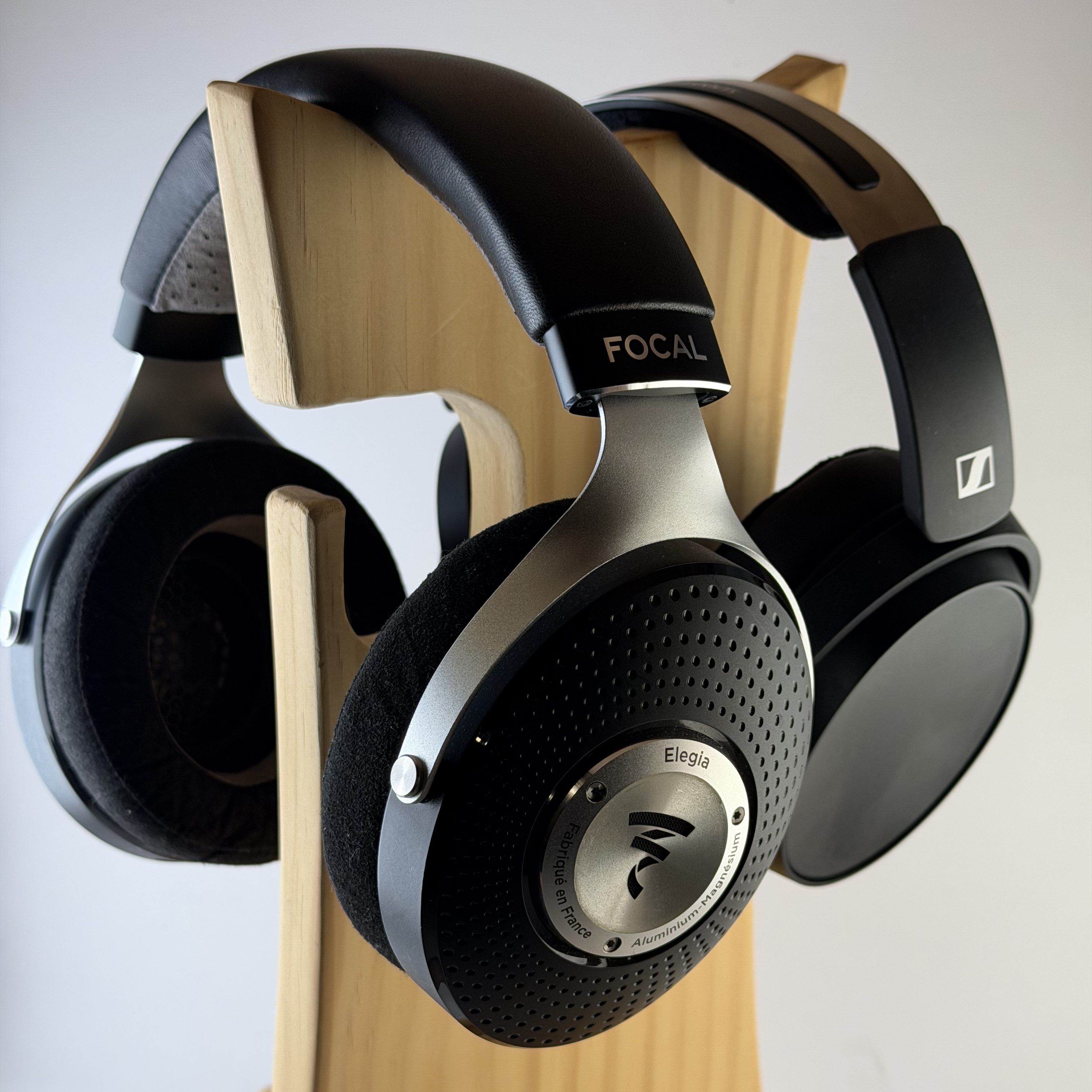
The honest answer is that I don’t know, but I know it’s a pretty close thing. And for most of you, the 480 is going to be the better choice.
The first thing I noticed when I started going back and forth between Elegia and the 480 for this comparison was how flabby the bass on the Elegia sounds in direct comparison. The bass was one of the strengths on the Elegia in my original review, and once my brain adjusts back to it, it’s rich and textured and lovely on a track like “Remain Nameless” or “Drawn.” What’s particularly interesting to me is that 480 gives you a lot more bass, and does so without really compromising the quality of that bass. It doesn’t have the impact or slam of the Focal, but it’s awfully close and nice. Midrange slightly favors the 480 too; while Elegia is generally quite good, it does occasionally shade a bit metallic on some vocals (particularly male vocals). And treble is pretty even; I get slightly more peaky behavior on the Elegia but I think that probably also ties to the perceived slightly better detail retrieval.
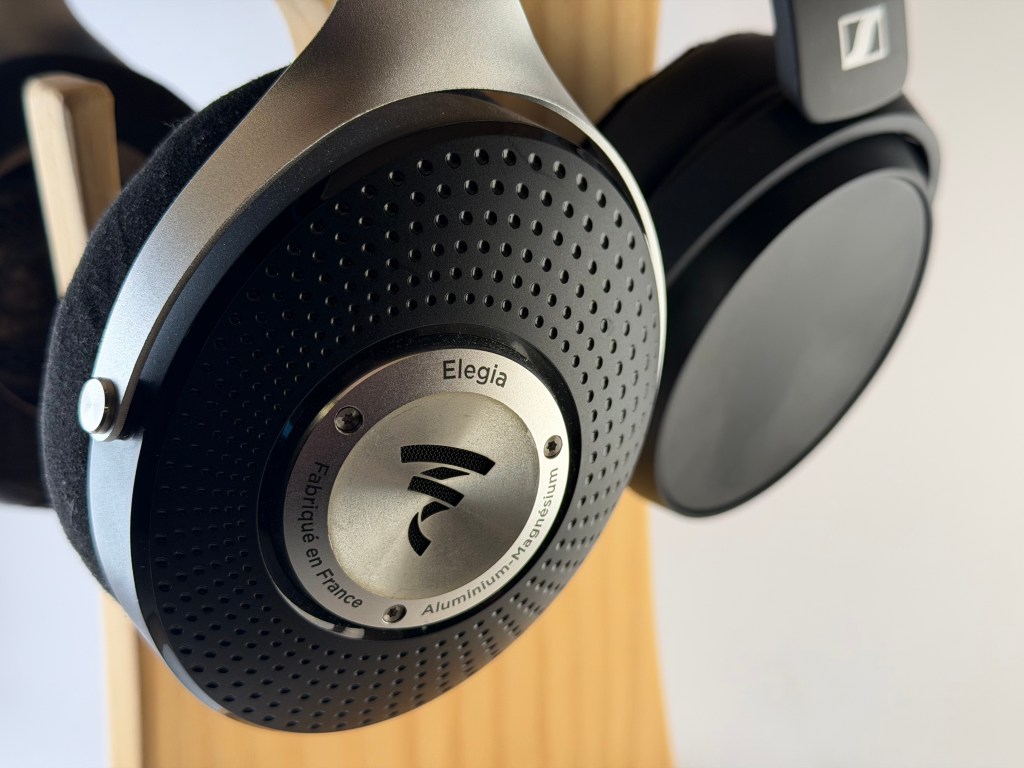
So we have bigger bass, slightly better midrange, and equivalent treble, vs Focal magic. Elegia were $890 at MSRP, but are often available used these days between $200-300.
Here’s how the Focal Elegia vs. Sennheiser HD 480 Pro measure:
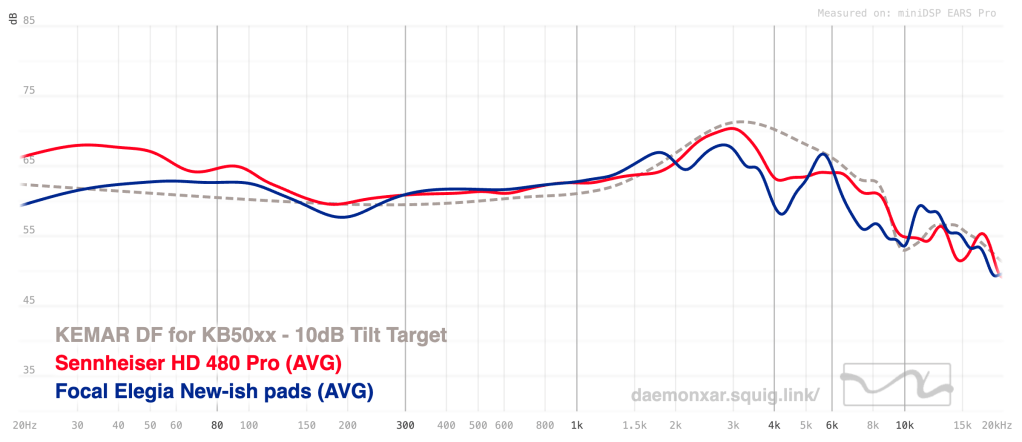
Verdict: You almost certainly should choose the 480 if you can afford the $400; the used headphones market is a complex place to navigate if you don’t know what you’re looking for, and as I noted in my Elegia review I understand why people didn’t want to pay $890 for the Elegia new back when it was available. For me, if I had a choice between a lightly used Elegia at $300 or a new 480 at $399, I’m picking the 480 pretty much every time. Which surprises me.
Bokeh Closed
So … I love my Bokeh. They were the first pair of really nice headphones I bought for myself, and they were the pair that showed me that I could really like, even love, a well-tuned and designed closed back headphone. My review reflects that, as well as my limits as a reviewer at that point in time. I gave it a 10/10 overall, 8/10 cost adjusted. Those numbers are … let’s call them optimistic. I really need to re-review them at some point, but for now I’ll say this: they’re still a great headphone and I love them. If I could only keep five headphones, they’re making that list. It’s just not based on sound quality (at least not sound quality alone). It’s also worth noting that the Bokeh Closed start at $899 if you can get them during a B-stock sale, and retail starting around $1099 for the baseline configuration if you can’t. Are the Bokeh Closed worth almost three time as much as the 480?
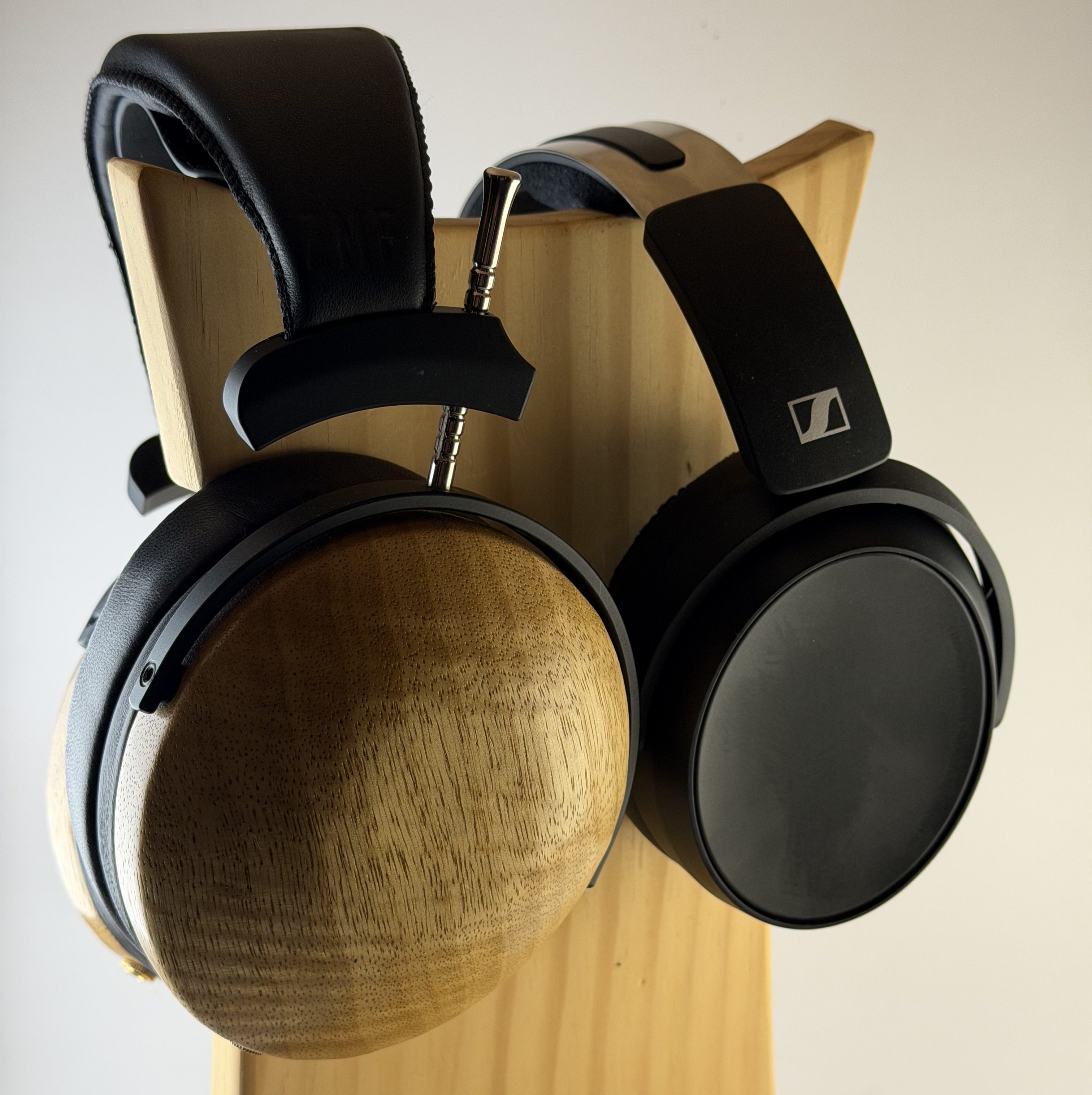
If you’re just looking for a headphone purely for listening, I think the answer is a pretty resounding no. As I commented in my recent review of the ZMF Aeolus, most people who are buying a ZMF aren’t looking for a great value; they’re buying a handcrafted, physically beautiful art object that’s also a good or great headphone with a relatively unique tuning.15 If that’s what you want, a heirloom-grade, funky product, the Bokeh (or another ZMF) is for you.
As far as the actual sound goes, the Bokeh Closed is a much more intimate, immediate headphone: it feels like the musicians are right in front of (or even inside of) your head, while the 480 is a more refined, distanced performance for most kinds of music. I think I marginally prefer the bass on the Bokeh Closed? It definitely feels less emphasized, but it’s a bit more textured and engaging, particularly off of a tube amp. Mids are definitely better on the 480; they’re better balanced overall though I think I might prefer lower male vocals a bit more on the Bokeh Closed. Treble is pretty evenly matched; I don’t have any particular issues with the treble performance on either. Comfort-wise, while the Bokeh Closed is much heavier at almost 500 grams vs. the 480’s less than 400, the overall design of the Bokeh allows them to almost disappear on my head during longer sessions.
The 480 is also, I think, pretty clearly the more technical headphone. The Bokeh Closed are no slouch when it comes to soundstage, separation, timbre, micro/macro dynamics, and detail, but those things aren’t necessarily the Bokeh’s focus. They are the 480’s, and it shows. Build quality and aesthetics, of course, go to the Bokeh and it ain’t close.
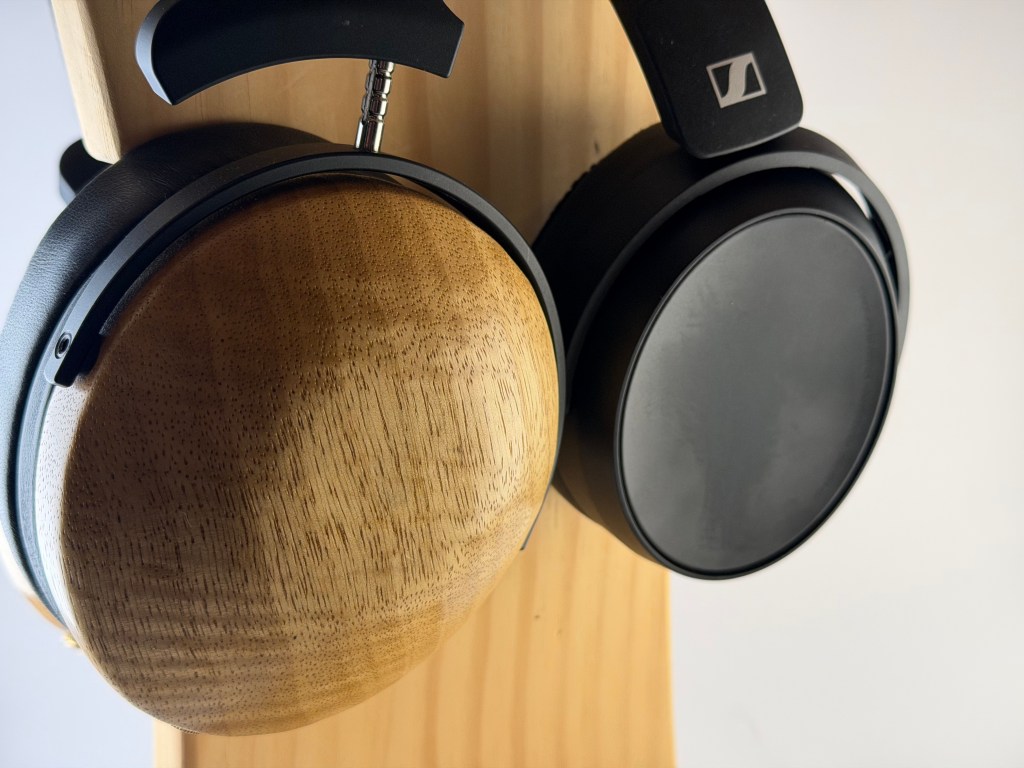
There are some things that I’d prefer the Bokeh for. Electronic music, guitar-heavy rock, and hip hop lend themselves to the Bokeh’s strengths in a really fun way. They can be pretty magical. And If you add some EQ and (especially) a tube amp, the Bokeh is just good, fun listening.16
Here’s how my units compare on my rig:
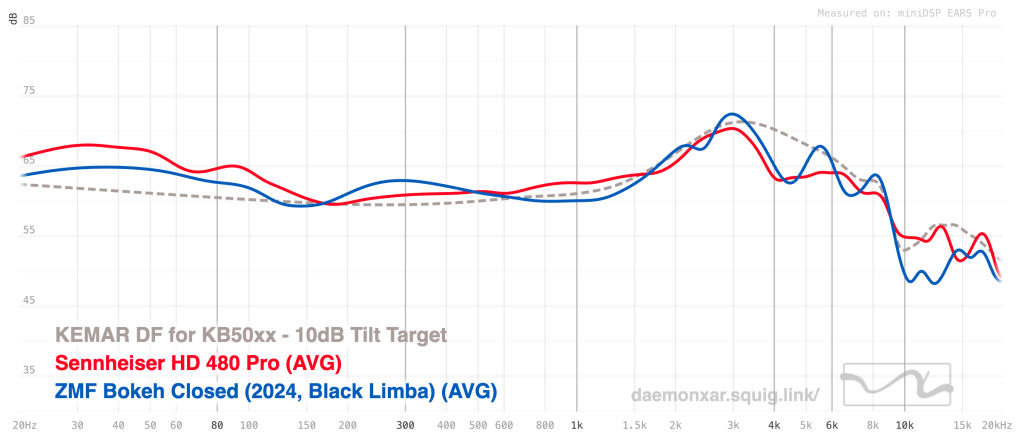
I’m genuinely a little bit surprised by how much bassier the 480 measures under 175 Hz, but the rest of this more or less makes sense. I am curious about that drop around 10k on the Bokeh; I don’t think I hear it but I’m curious to fiddle around with a sine sweep now.
Verdict: If you’re asking for a recommendation between these two, the answer is the 480. If you want the Bokeh Closed, you know you want the Bokeh Closed and you probably won’t ask this question.
Focal Celestee/Stellia
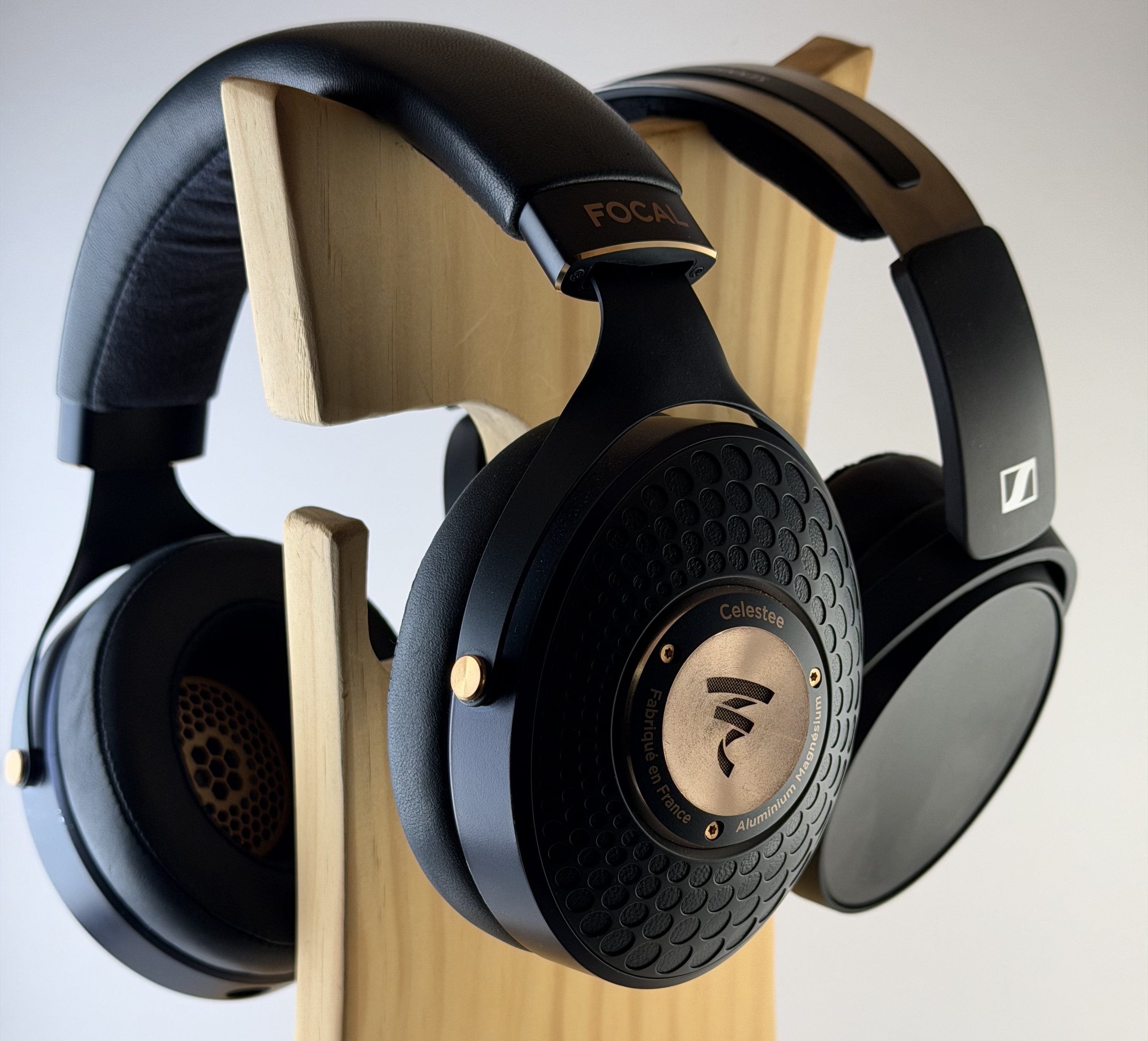
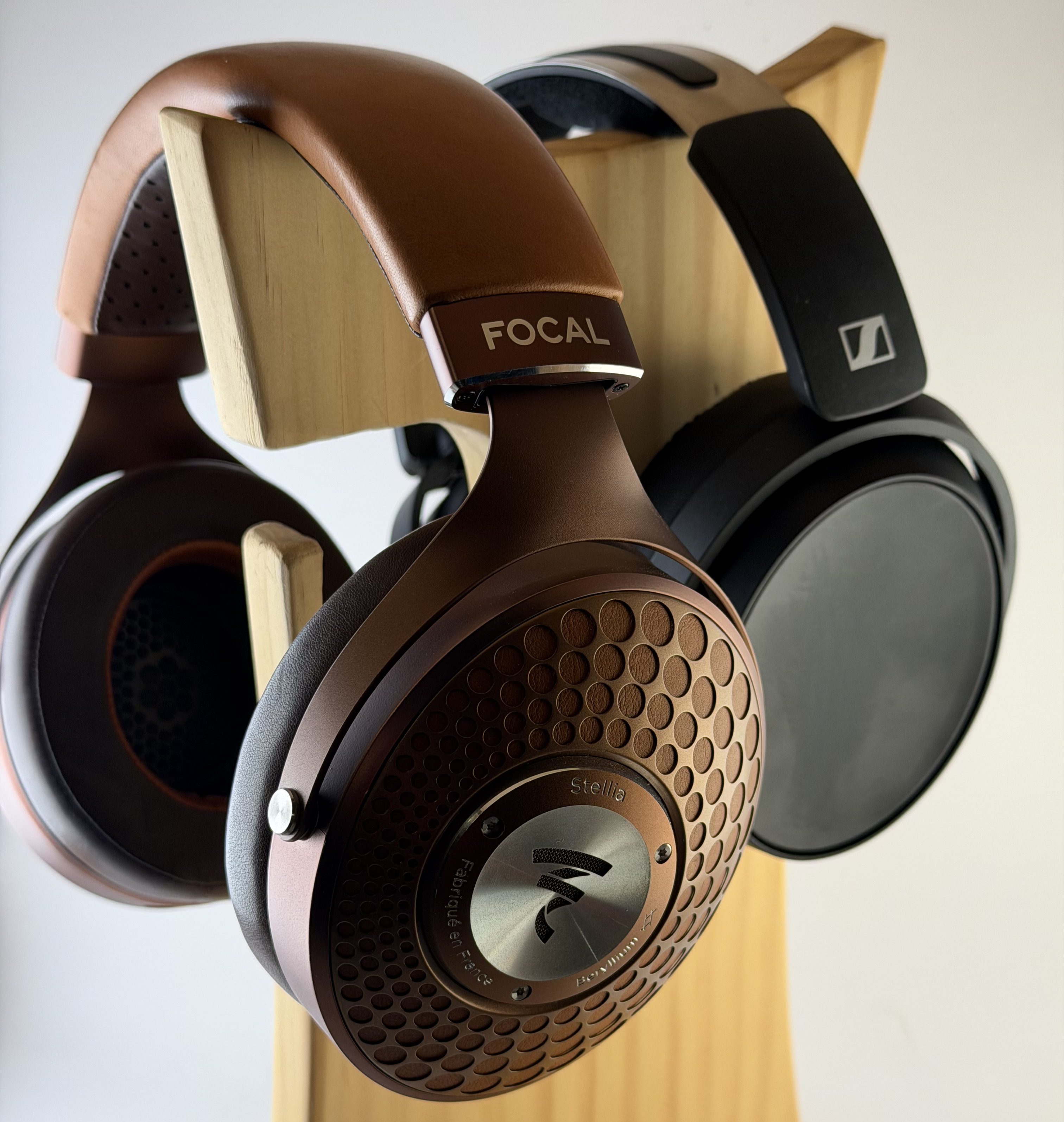
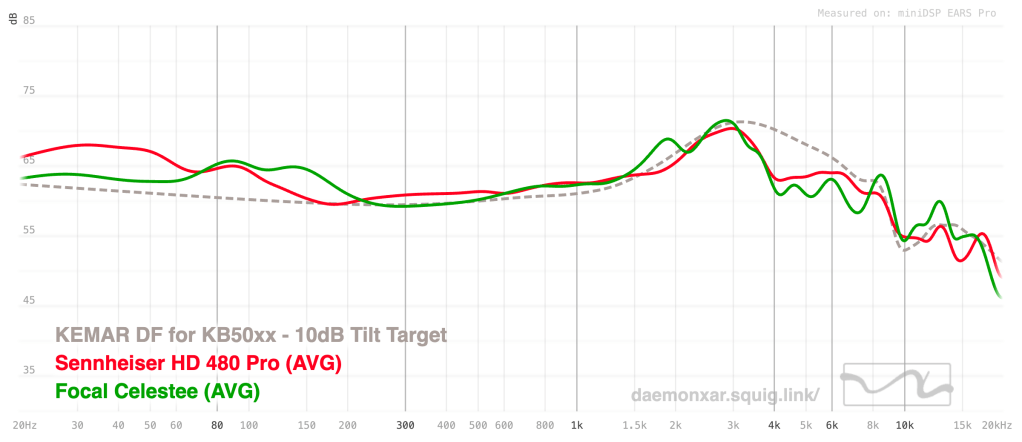
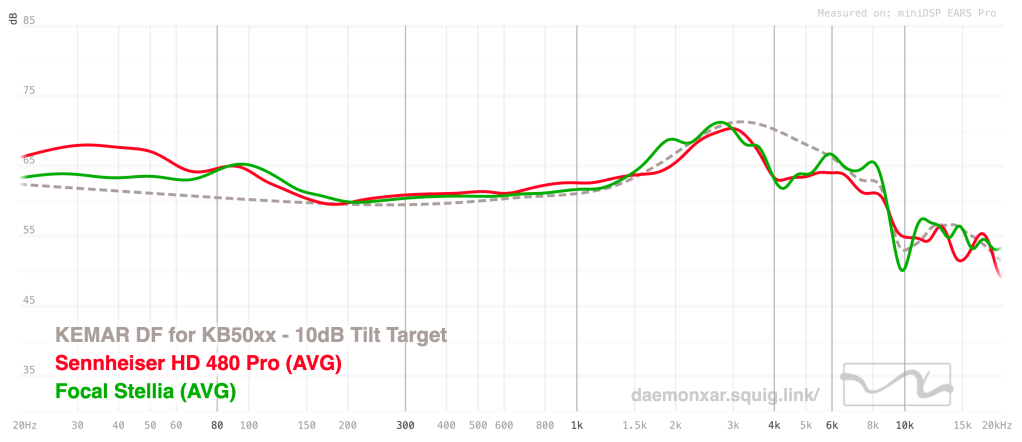
Coming soon! These are pretty close to the top of my upcoming review stack, but I need some more hours of listening first.
Verdict:
Overall
Color me very, very impressed by the Sennheiser HD 480 Pro. It’s a phenomenally tuned closed back headphone, particularly compared to some of the other options that zombie Sennheiser sells. Back in my 490 review I commented that:
“The 490 proves that the lack of innovation isn’t a capability issue, and I’m very curious to see what other products Sennheiser’s Pro division has in development that will feed into the audiophile/prosumer market.”
Now we know what they were working on: the 480, the 490’s closed back sibling. And exciting, it is.
There’s not much I’d change about the 480. There are a few quirks here and there in the tuning but they don’t really detract from the listening experience, to the point where I’ve been unable to come up with any EQ that I think meaningfully improves the way they sound on my head (though, to be fair, I haven’t spent THAT much time trying because nothing jumps out at me as being a big issue). The only thing I’d like is maybe a little more long-term comfort from them, but honestly I can’t come up with any specifics to change. Maybe just a tiny bit less clamp force, if it didn’t change the tuning? Slightly softer material on the pads?
To paraphrase the end of my 490 review, the 480 is reminiscent of both the 490 and the Scape in that they’re such a good product that I find myself hoping that the rest of the industry draws some lessons from them and follows suit in their future offerings. I don’t need every headphone to sound the same, but it’d be great to have a few more that sounded like the 480 (or at least as good as it does). As it is, the 480 has earned a permanent place in my collection and is going to be my closed back benchmark for the foreseeable future.
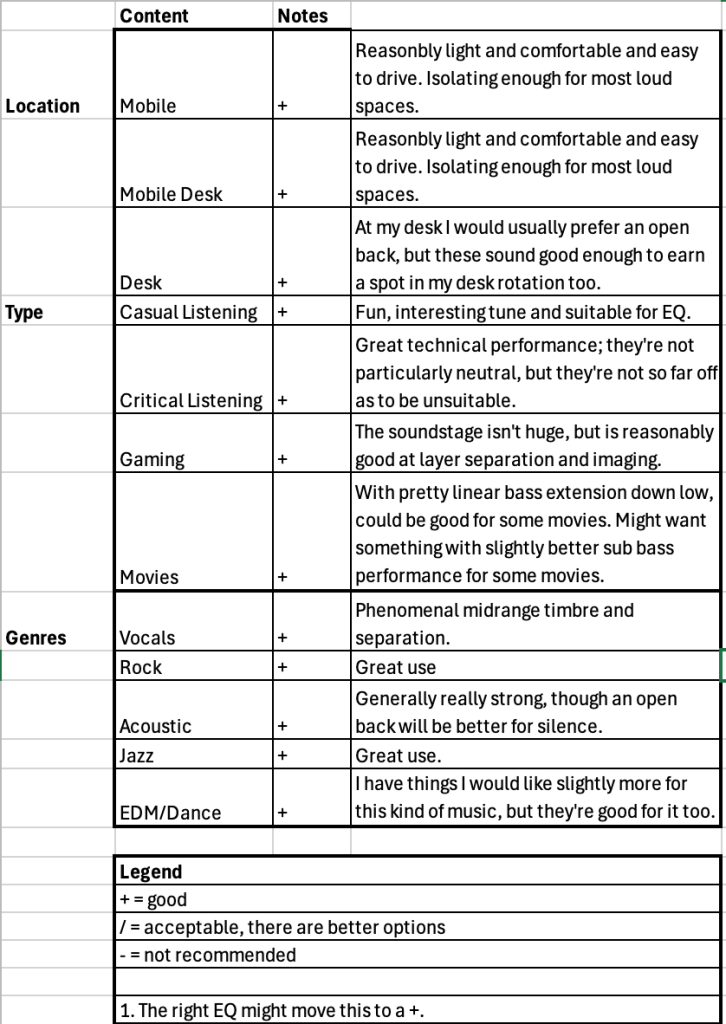
- I score bass, mids, and treble on a two part scale: 1-5 for quantity (5 being the highest), and A-E for quality (A being best in class, E being laughably bad). For soundstage it’s also a two part scale, with the number representing the width and the letter the separation within it. ↩︎
- For comfort/fit, my scale is A-E with A being disappear entirely into the background and E being I want to tear my ears off to stop feeling these headphones on my head. I’ve had one E: the Koss PortaPro. ↩︎
- I initially had this as an A for comfort, but after a lot of dedicated listening as part of my comparisons I bumped it down. I don’t know why it’s less comfortable than the 490 Pro, but it definitely is, at least on my head. ↩︎
- Actual Sennheiser, not the zombie Sennheiser Consumer Division that Sonova owns. ↩︎
- I need to win the lottery so I can buy Sennheiser. ↩︎
- I mean … only if you skipped the first couple of sections. ↩︎
- For what it’s worth, I will take that trade every day and twice on Sunday. ↩︎
- And I have this niggling suspicion that it might be an important frequency for basses, both string and guitar. ↩︎
- My goal with EQ is not to make every headphone sound the same or get close to a particular target; I enjoy a variety of sounds and I want to preserve that while fixing the things that detract from my enjoyment of them. ↩︎
- Well, maybe on a track like “Same Thing” by Marian Hill or The xx’s “Islands”, but they’re the exception rather than the rule, and they’re pretty iffy tracks on bassy headphones to begin with. ↩︎
- If less uncommon in the Sennheiser lineup than I previously thought. ↩︎
- Though to be fair, my Focal Stellia are still on their way so we’ll see. ↩︎
- You probably shouldn’t buy the Pro Plus, in my opinion. ↩︎
- Aka the ever-intangible-but-talked-about slam. ↩︎
- Put down the pitchforks, folks. The ones I’ve tried have sounded pretty incredible, but they’re definitely a particular flavor. ↩︎
- I spun up The xx on the Bokeh Closed via the Darkvoice 336se while revising this and while the hum is VERY noticeable, good lord the bass is fun this way. ↩︎


Leave a Reply